







South America is home to a vibrant and evolving street art scene that has captured the global imagination over the past few decades. From Buenos Aires to São Paulo, Bogotá to Lima, the urban canvases of this continent tell stories of political unrest, social movements, and cultural identity, as well as personal and artistic freedom. South American street art is not merely an aesthetic movement but a profound reflection of the socio-political and cultural transformations taking place throughout the region. But what can we, as viewers, learn from this dynamic visual language? In this article, we’ll explore the essence of South American street art, the stories it conveys, and the broader cultural lessons we can glean from these colorful murals and graffiti pieces.
1. Street Art as a Political Tool
One of the defining features of South American street art is its engagement with political issues. Over the past several decades, countries such as Argentina, Brazil, Chile, and Colombia have experienced political upheaval, from military dictatorships to civil wars to economic crises. Street art emerged as a platform for protest, resistance, and commentary.
In Argentina, for example, the “Madres de Plaza de Mayo” (Mothers of the Plaza de Mayo) group, which sought to find their children forcibly disappeared during the military dictatorship of the late 1970s and early 1980s, has been memorialized through street art. Murals depicting the mothers marching in the plaza have become a symbol of resistance and remembrance.
In Brazil, São Paulo’s vibrant streets have long been a canvas for political statements, particularly during periods of economic downturn and social unrest. Works by renowned artists like Os Gemeos (the twin brothers Otavio and Gustavo Pandolfo) often blend surrealism with political commentary, addressing issues such as inequality, government corruption, and urban poverty.
Street art in Colombia and Chile also has a powerful political edge. In Bogotá, political street art often addresses the lingering impact of the country’s armed conflict and social inequality. In Santiago, Chile, murals of the 2019 protests have been powerful visual reminders of the nation’s fight for democracy and social justice.
The lessons here are clear: street art in South America is often born out of necessity, providing marginalized voices with a means of speaking out when other channels are unavailable or unsafe. It’s a reminder of how art can be a powerful tool in holding governments accountable and challenging the status quo.
2. Art as Social Commentary
Street art in South America is also deeply tied to social issues. Beyond political statements, many murals and graffiti works focus on themes such as poverty, race relations, gender, and the struggles of indigenous peoples.
In Peru, street art frequently addresses the invisibility and struggles of indigenous communities. Murals often depict indigenous leaders, symbols, and the fight for land rights. These works remind viewers of the historical marginalization and contemporary challenges faced by these communities in the face of globalization and industrialization.
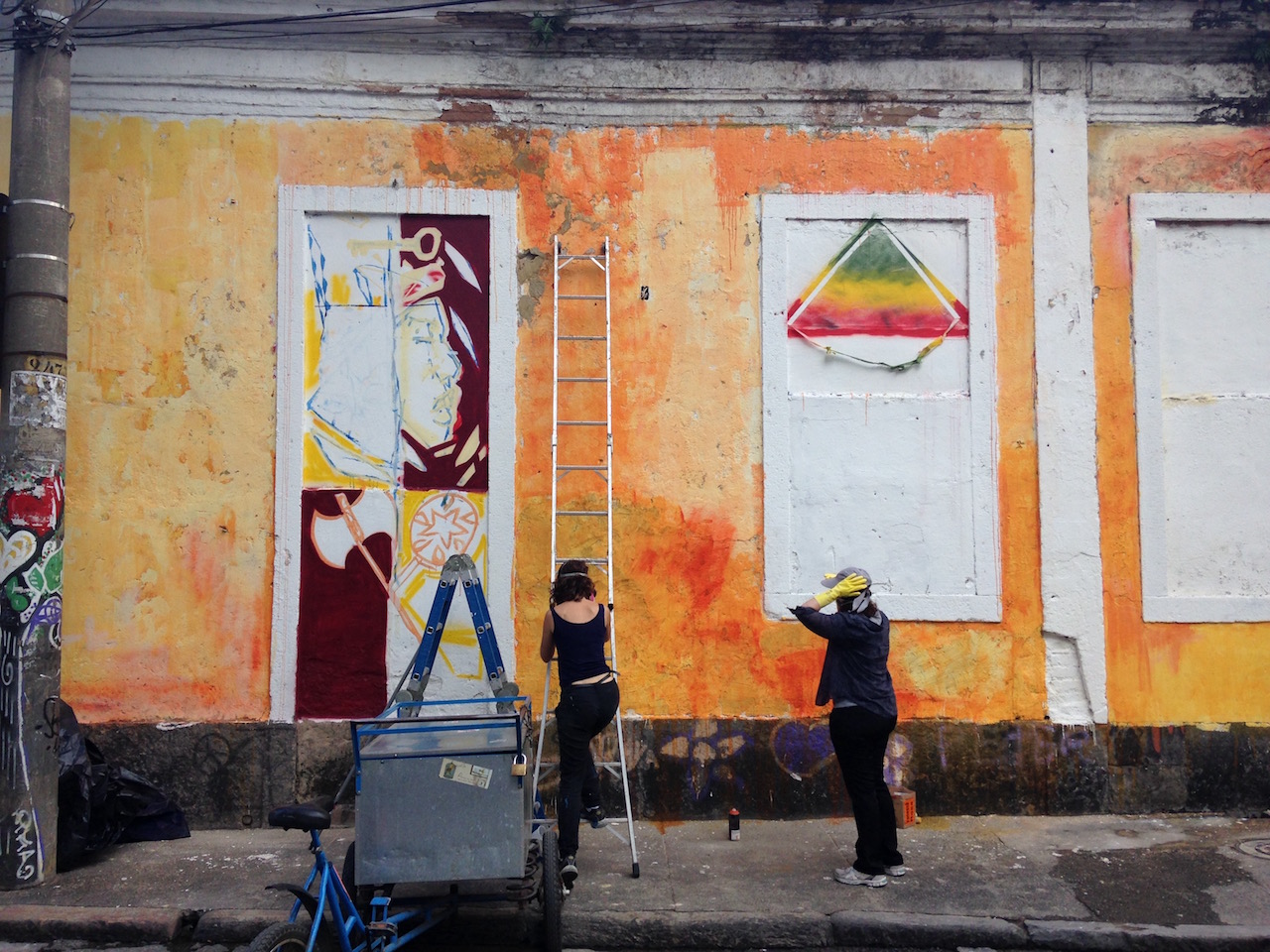
In Brazil, the street art scene has also become an important medium for Afro-Brazilian communities to reclaim their identity and challenge systemic racism. Works by artists like Luiz Áquila and Tinho engage with Afro-Brazilian history and the fight against racial inequality, often depicting strong, defiant Black figures.
Additionally, feminist street art has become a prominent movement across South American cities. In Argentina, Chile, and Uruguay, murals have become powerful representations of the feminist movement, advocating for women’s rights, gender equality, and the fight against gender-based violence. The “Ni Una Menos” (Not One Less) slogan, originating in Argentina, has become a rallying cry across the continent, and its visual representation through street art has been a potent form of activism.
The lesson here is the transformative power of art to reflect and challenge society’s norms. Through visual representation, street artists give voice to the silenced, challenge ingrained stereotypes, and start conversations that can lead to change.
3. The Role of Identity in South American Street Art
Identity plays a crucial role in South American street art. The continent’s diverse cultural landscape — from its indigenous roots to colonial legacies, African influences, and contemporary global flows — is reflected in the murals and graffiti that cover city walls.
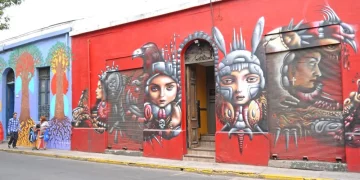
In cities like Quito and La Paz, indigenous identity is strongly represented in street art. The use of traditional symbols, patterns, and colors in murals serves as a form of cultural revival and pride. Indigenous artists, many of whom are reclaiming their ancestral heritage in the face of modernization, use street art to resist cultural erasure and to promote an understanding of their traditions in a contemporary context.
In contrast, in cities such as Buenos Aires and São Paulo, where the influences of European immigration are strong, street artists often grapple with themes of hybridity and cultural fusion. For example, murals might blend European modernist styles with Latin American iconography, creating works that speak to the intersection of old and new, indigenous and foreign, in shaping the identity of urban South America.
Street art in South America also frequently addresses the complexities of race, with many pieces confronting the legacies of colonialism, slavery, and racial inequality. In Brazil, murals often depict Afro-Brazilian culture and history, serving as a counterpoint to the erasure of Black identity in mainstream narratives. Similarly, in Argentina, there is growing interest in murals that recognize the contributions of indigenous communities, despite their historical marginalization.
From these explorations, we learn that street art is not just about aesthetics but is deeply connected to the expression of individual and collective identity. South American street art offers an opportunity to understand the complex, multi-layered nature of identity in a region shaped by history, migration, and ongoing social struggles.
4. Urban Transformation and the Aesthetic Revolution
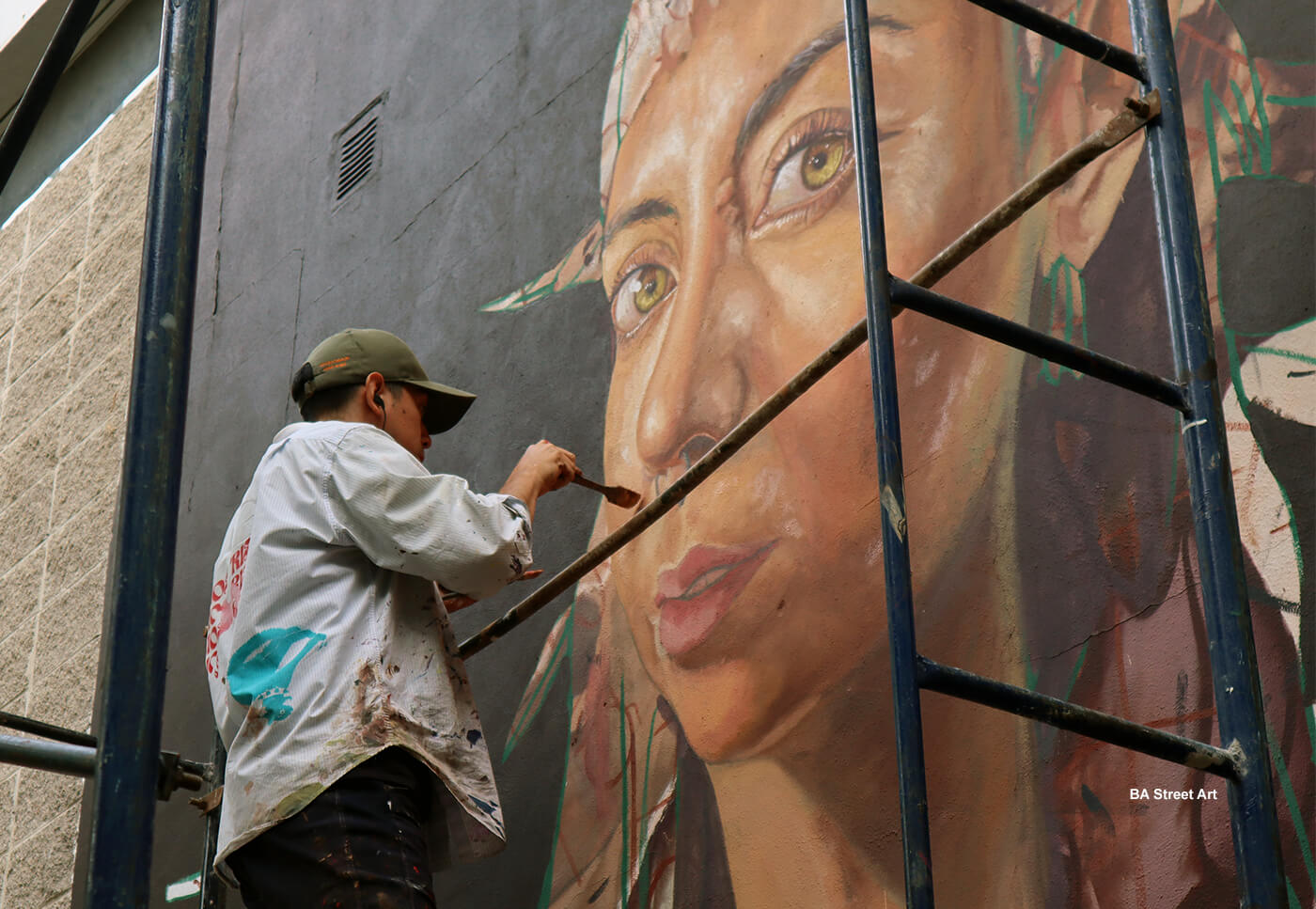
South American cities have undergone rapid urbanization over the past few decades, with new skyscrapers, shopping malls, and gentrified neighborhoods emerging alongside informal settlements and decaying industrial zones. Street art has become a tool for reclaiming these spaces, giving new life to the forgotten corners of cities.
In São Paulo, one of the largest urban centers in the world, street art is often found in favelas (slums) and on the facades of abandoned buildings, turning derelict urban spaces into vibrant open-air galleries. Street art transforms the urban landscape into a canvas where creativity thrives, even in the face of poverty or neglect.
In Buenos Aires, murals have transformed the city’s streets into a visual playground, with entire neighborhoods like La Boca becoming synonymous with street art. This area, once a working-class district, is now a hotspot for both tourists and locals seeking to engage with art that reflects the city’s history and culture.
Street art in cities such as Bogotá and Lima has become part of urban renewal projects, where artists collaborate with city officials to breathe life into decaying neighborhoods. The murals not only beautify the environment but also make these areas safer, boosting community morale and giving people a sense of pride in their surroundings.
What we can learn from this is the potential of street art to act as a form of urban revitalization, not just beautification. By reclaiming neglected spaces and transforming them into sites of collective engagement, street artists contribute to reshaping the urban experience and creating spaces where people feel connected to their environment and each other.
5. The Global Influence of South American Street Art
While street art in South America is deeply rooted in local contexts, its reach and influence extend well beyond the region. South American street artists have made an indelible mark on the global art scene, shaping contemporary art movements and influencing artists around the world.
The work of artists like Os Gemeos, Blu, and Francesca DiMattio has gained international recognition. Their works are featured in galleries, art festivals, and exhibitions across Europe, North America, and Asia. The global interest in South American street art speaks to the universal appeal of its themes — from social justice to identity to the power of art in urban spaces.
Moreover, the street art scene in South America has sparked a cultural dialogue that crosses borders. Artists from other parts of the world travel to South American cities, collaborate with local street artists, and participate in global street art festivals. This exchange fosters a creative dialogue that transcends geographic and cultural boundaries, blending regional identities with global trends.
What we can take from this is the importance of art in connecting people across cultures and geographies. South American street art teaches us how art can be both local and global, rooted in specific histories and struggles while simultaneously resonating with a broader, international audience.
Conclusion: What Can We Learn?
South American street art is not just about vibrant murals and bold colors — it is a powerful vehicle for political expression, social change, and the celebration of cultural identities. Through its engagement with pressing issues like inequality, race, gender, and indigenous rights, South American street art teaches us about the role of art in society. It reminds us that art can be a tool for protest, a form of cultural preservation, and a way to engage with the urban environment in meaningful ways.
From the political murals of Buenos Aires to the colorful street corners of São Paulo, the South American street art scene offers important lessons on the power of creativity in shaping social movements, reclaiming public spaces, and asserting cultural identities. These lessons inspire us to see street art as more than a decoration of city walls — it is a reflection of the resilience, resistance, and creativity of the people who live in the shadow of these urban canvases.