





Introduction: A New Era of Cultural Renaissance
The Middle East, historically known for its deep cultural, intellectual, and spiritual contributions, is undergoing a cultural revival unlike anything the region has experienced in modern history. This revival spans from the arts, literature, and architecture to music, cinema, and intellectual discourse. But with such a vibrant resurgence of culture comes both opportunity and concern. Is this revival an opportunity to rediscover and elevate the Middle East’s rich heritage and influence, or does it present a threat in terms of regional tensions, political instability, and cultural identity?
In this article, we will explore both sides of the argument, assessing whether the Middle East’s cultural revival will lead to a positive transformation or exacerbate existing conflicts. By examining the role of art, media, politics, and global perception, we will attempt to unpack the complexities surrounding this phenomenon.
The Middle East’s Cultural Tapestry
Historically, the Middle East has been a crossroads of civilizations. From the ancient Mesopotamian kingdoms to the Islamic Golden Age, the region has produced countless intellectual and cultural treasures that have shaped world history. Cities like Baghdad, Damascus, Cairo, and Istanbul were once intellectual capitals, with thriving centers for literature, science, and the arts.
However, in recent decades, the political turbulence, wars, and the rise of extremist ideologies have overshadowed the region’s cultural legacy. The Middle East became synonymous with conflict, poverty, and instability rather than art, philosophy, and intellectual discourse. Yet, as we enter the 21st century, there is a noticeable shift. Countries in the region are making efforts to revive their cultural heritage, not only as a form of national pride but as a means to attract global attention, influence, and investment.
The Renaissance of Art and Architecture
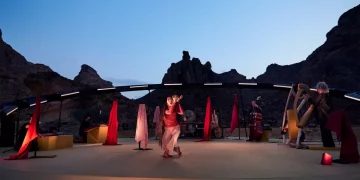
One of the most visible aspects of the Middle East’s cultural revival is the resurgence of art and architecture. Cities like Dubai, Abu Dhabi, Doha, and Cairo have become cultural hubs in their own right, boasting modern art galleries, architectural landmarks, and international film festivals. The Louvre Abu Dhabi, designed by Jean Nouvel, is a prime example of how the region is integrating global art with regional identity, blending Islamic aesthetics with Western innovation.
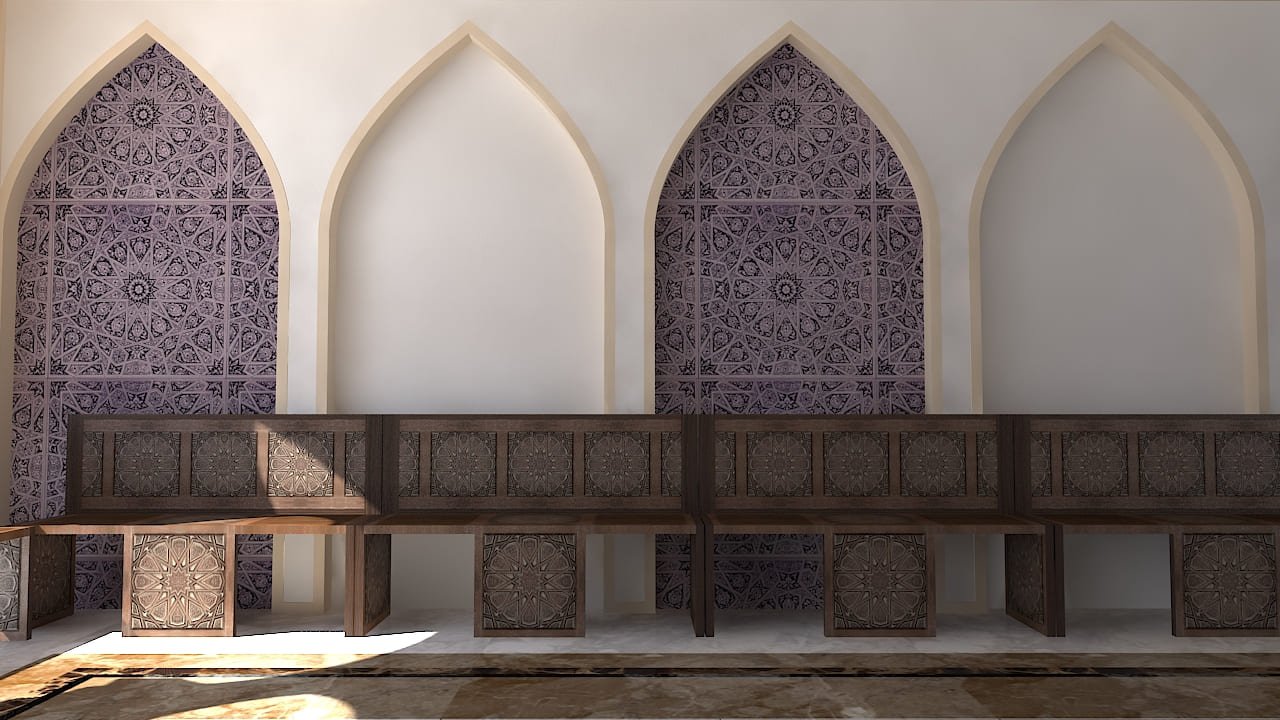
In addition to modern architectural wonders, traditional art forms, such as Islamic calligraphy, Persian miniature painting, and Ottoman tilework, are being rediscovered and celebrated in museums and cultural spaces. These artistic expressions are not only important historical relics but also contemporary symbols of the Middle East’s ongoing cultural rebirth.
The Rise of Middle Eastern Cinema
Film and television are another critical aspect of the cultural revival in the Middle East. The region is witnessing a surge in both regional cinema and co-productions with international filmmakers. Countries like Lebanon, Egypt, and Iran have long had thriving film industries, but now there’s an explosion of new talent and creative energy.
Iranian filmmakers, for instance, have already earned global recognition for their poignant, thought-provoking works. Directors like Asghar Farhadi and Jafar Panahi have brought Middle Eastern stories to the global stage, demonstrating the potential of the region’s cinema to both entertain and challenge social norms.
Likewise, Saudi Arabia, a country with a strict religious and cultural conservatism, has recently lifted its ban on cinemas, opening a new frontier for the film industry. Saudi films are now entering global festivals, and local filmmakers are starting to tell stories rooted in their culture, exploring issues such as gender, identity, and modernization.

The Opportunities: Soft Power and Global Influence
Rebuilding National Identity and Pride
For many Middle Eastern countries, the revival of cultural expression is a way to reconnect with a rich history that was almost forgotten in the chaos of the modern era. By restoring pride in traditional art forms and intellectual legacies, countries can build a stronger sense of national identity. This is particularly crucial in a region where political boundaries and social divisions often overshadow shared histories.
In Egypt, for instance, the revival of the ancient art of hieroglyphics and the restoration of pharaonic monuments contribute to a national narrative that reaches back millennia. Similarly, the rise of Arabic literature, from classical poetry to contemporary novels, has given new voice to authors, poets, and thinkers who explore regional identity and its place in a globalized world.
Cultural Diplomacy and Soft Power
As global competition for influence intensifies, countries are increasingly turning to cultural diplomacy as a means of asserting their power on the world stage. Cultural revival allows Middle Eastern nations to redefine their image, shifting away from stereotypes of extremism and violence and highlighting their artistic, intellectual, and historical contributions to world culture.
The Qatari government, for example, has invested heavily in education, art, and media to position itself as a cultural leader. The Museum of Islamic Art in Doha, along with projects like the Qatar Foundation’s education city, is an attempt to shift global perceptions of the Middle East. Similarly, Saudi Arabia’s Vision 2030 plan includes heavy investments in culture and tourism, aimed at transforming the kingdom into a global cultural hub while diversifying its economy away from oil dependence.
Economic Growth Through Culture
The Middle East’s cultural revival also offers tremendous economic potential. As tourism grows in the region, cultural heritage sites, art festivals, and international conferences become increasingly lucrative. The UAE, in particular, has capitalized on this trend with developments like the Dubai Opera and the annual Art Dubai fair. These events attract international visitors, foster local talent, and create a robust cultural economy.
Similarly, in Lebanon, the growing popularity of local art and music scenes is becoming a significant source of income. Artists, musicians, and filmmakers are tapping into international markets, helping the region’s creative industries flourish. The emerging cultural sectors in these countries are also creating job opportunities for the youth, a group that often faces high levels of unemployment and limited prospects.
The Threats: Cultural Fragmentation and Political Tension
Cultural Imperialism and Western Influence
One of the primary concerns raised by critics of the Middle East’s cultural revival is the potential for cultural imperialism. As the region embraces global art trends and invests in Western-style modernity, there is a fear that traditional cultures could be diluted or marginalized. Critics argue that as the Middle East opens its doors to global art forms, its own unique cultural identity could be threatened.
The dominance of Western media and the growing influence of global entertainment giants like Netflix and HBO are seen by some as forces that could overshadow regional voices. In some cases, Middle Eastern countries are accused of being overly eager to assimilate into the globalized world, losing touch with their roots in the process.
Political Instability and Censorship
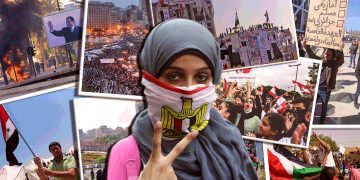
Cultural expression in the Middle East is inextricably linked to political realities. The recent upheavals of the Arab Spring, the ongoing conflict in Syria, and the tension between conservative and progressive forces in countries like Saudi Arabia, Iran, and Egypt present significant challenges. In many countries, governments restrict certain forms of cultural expression that they perceive as threatening to the political status quo.
In Egypt, for example, a vibrant artistic community faces the risk of censorship, as artists and filmmakers grapple with government control over their work. Similarly, in Iran, artists and musicians often walk a fine line between creative expression and government censorship, with some facing persecution for works deemed politically or morally inappropriate.
The suppression of dissenting voices within the cultural sphere is a major threat to the region’s cultural revival. Without the freedom to express controversial or diverse perspectives, the Middle East’s cultural renaissance may lack the diversity and critical edge that fuel true innovation.
Cultural Fragmentation and Identity Crisis
Another concern is the fragmentation of cultural identity. In a region as diverse as the Middle East, with its varied ethnic, religious, and linguistic groups, the notion of a singular “Middle Eastern culture” can be problematic. While some celebrate the revival of shared cultural practices, others fear that efforts to create a unified cultural identity may marginalize the rich diversity within the region.
The revival of Arab nationalism, for example, may not resonate with the Kurds, Berbers, or other minority groups who have their own distinct traditions and histories. Similarly, the dominance of Arab or Persian cultural norms may overshadow the unique cultural expressions of smaller communities in countries like Iraq, Syria, and Lebanon.
Conclusion: A Complex Path Forward
The Middle East’s cultural revival is both an opportunity and a challenge. On the one hand, it offers the chance to reconnect with a rich heritage, attract global attention, and redefine the region’s image on the world stage. It can bring about a new era of economic prosperity, intellectual growth, and cultural pride.
On the other hand, it poses risks of cultural erosion, political instability, and division. The delicate balance between embracing global trends and preserving local traditions is not easy to maintain, and the region’s political climate adds a layer of complexity to the unfolding cultural renaissance.
Ultimately, whether the Middle East’s cultural revival is seen as a threat or an opportunity will depend on how countries in the region navigate these challenges. If handled with sensitivity to diversity, respect for historical legacies, and a commitment to freedom of expression, the cultural revival could become a powerful force for positive change. If not, it risks becoming another point of contention in an already volatile region.