




The digital revolution has dramatically altered nearly every facet of our daily lives, from the way we communicate to how we work, shop, and even create. One of the areas profoundly affected by these changes is the arts and culture sector. The accessibility, speed, and vastness of the digital realm raise crucial questions: Can Europe’s centuries-old cultural traditions continue to thrive in this new, fast-paced, and often ephemeral world? Can digital tools enhance art, or do they risk diluting its value and essence?
The Digital Transformation of European Arts and Culture
Europe’s rich cultural history—spanning from ancient Greek philosophy to the Renaissance, to the artistic revolutions of the 20th century—has long been a cornerstone of its identity. However, the internet, streaming services, virtual reality (VR), augmented reality (AR), and artificial intelligence (AI) have introduced new dynamics to this landscape.
On one hand, technology offers unprecedented ways for artists to create and distribute their work. A digital painting can be created and shared across continents in seconds, and performances can be broadcast globally, making art accessible to millions in real-time. On the other hand, there are those who fear that the sheer volume of digital content may lead to the commodification of art, reducing it to mere entertainment or consumption, rather than a rich, profound cultural experience.
New Frontiers for European Artists
1. Art as a Digital Experience
Virtual reality and augmented reality have allowed artists to break the boundaries of traditional galleries and theaters. The immersive experiences made possible by VR and AR transport audiences to new worlds, creating opportunities for artistic expression that were previously unimaginable.
For example, the use of VR in museums and galleries enables viewers to interact with art in a more personal and dynamic way. Instead of merely viewing paintings, visitors can “step into” the world of Van Gogh’s paintings, walk through the streets of Paris as if they were in a Monet painting, or take a tour of historical landmarks that no longer exist in physical form.
Moreover, European cities are increasingly embracing digital technology to enhance public spaces with art. Interactive projections, digital installations, and even virtual public art, displayed through mobile apps, are transforming city streets into ever-evolving cultural environments. These projects foster creativity and inclusivity, inviting broader, younger audiences who may not have previously engaged with traditional forms of art.
2. Global Reach and Cultural Exchange
The digital world has allowed European artists to transcend geographic boundaries. Thanks to social media platforms, art is no longer confined to local galleries or theaters. Platforms like Instagram, YouTube, and TikTok offer European artists the chance to showcase their work to a global audience, forging new relationships and collaborations with artists from diverse cultures.
For example, an Italian painter can showcase their work to someone in Tokyo, or a French musician can find a following in Brazil, all without leaving their home. This global reach has opened up new dialogues between cultures and created opportunities for cross-border collaboration. Art, once limited by physical borders, is now limitless in the digital world.
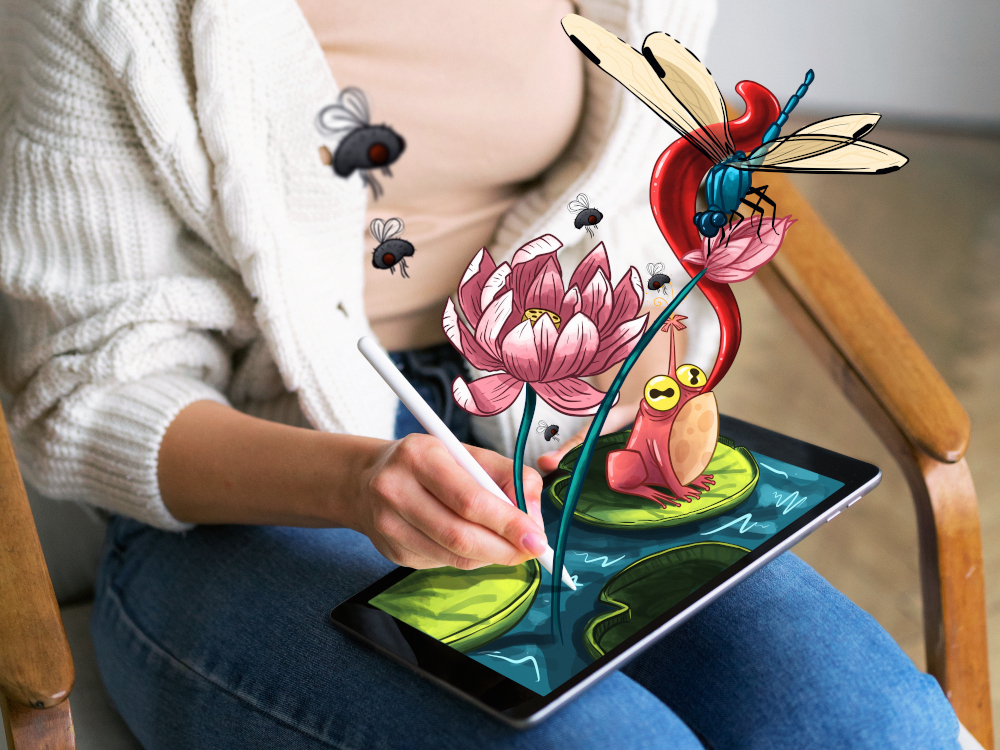
Furthermore, the rise of digital streaming platforms has allowed European filmmakers, musicians, and other creatives to bypass traditional media gatekeepers. Netflix, Spotify, and similar services offer European creators an international platform that was previously reserved for only the largest studios and record labels. This democratization of access means that creativity is no longer restricted by an artist’s physical location or the constraints of mainstream media.
3. The Intersection of Art and Artificial Intelligence
One of the most intriguing intersections of technology and art is the rise of AI-generated works. In recent years, AI programs have been trained to generate visual art, music, and even literature. These algorithms use vast databases of existing works to create new pieces that challenge our notions of authorship and creativity.
In Europe, artists are beginning to experiment with AI to create hybrid works that blend traditional techniques with cutting-edge technology. For example, an artist might create a physical painting and then use AI to generate a complementary digital experience, such as an augmented reality layer that changes the painting’s appearance as viewers interact with it. While some critics argue that AI-generated art lacks the emotional depth of human-made works, others see it as a new frontier in artistic experimentation and expression.
In the music industry, AI is similarly revolutionizing the way music is composed and produced. AI programs can analyze vast amounts of musical data to compose original pieces that are indistinguishable from those created by human musicians. While these advances may challenge the traditional notions of musical authorship, they also offer new tools for creative expression, allowing European musicians to explore new possibilities in their craft.
The Risks: Can Tradition Survive in the Digital Age?
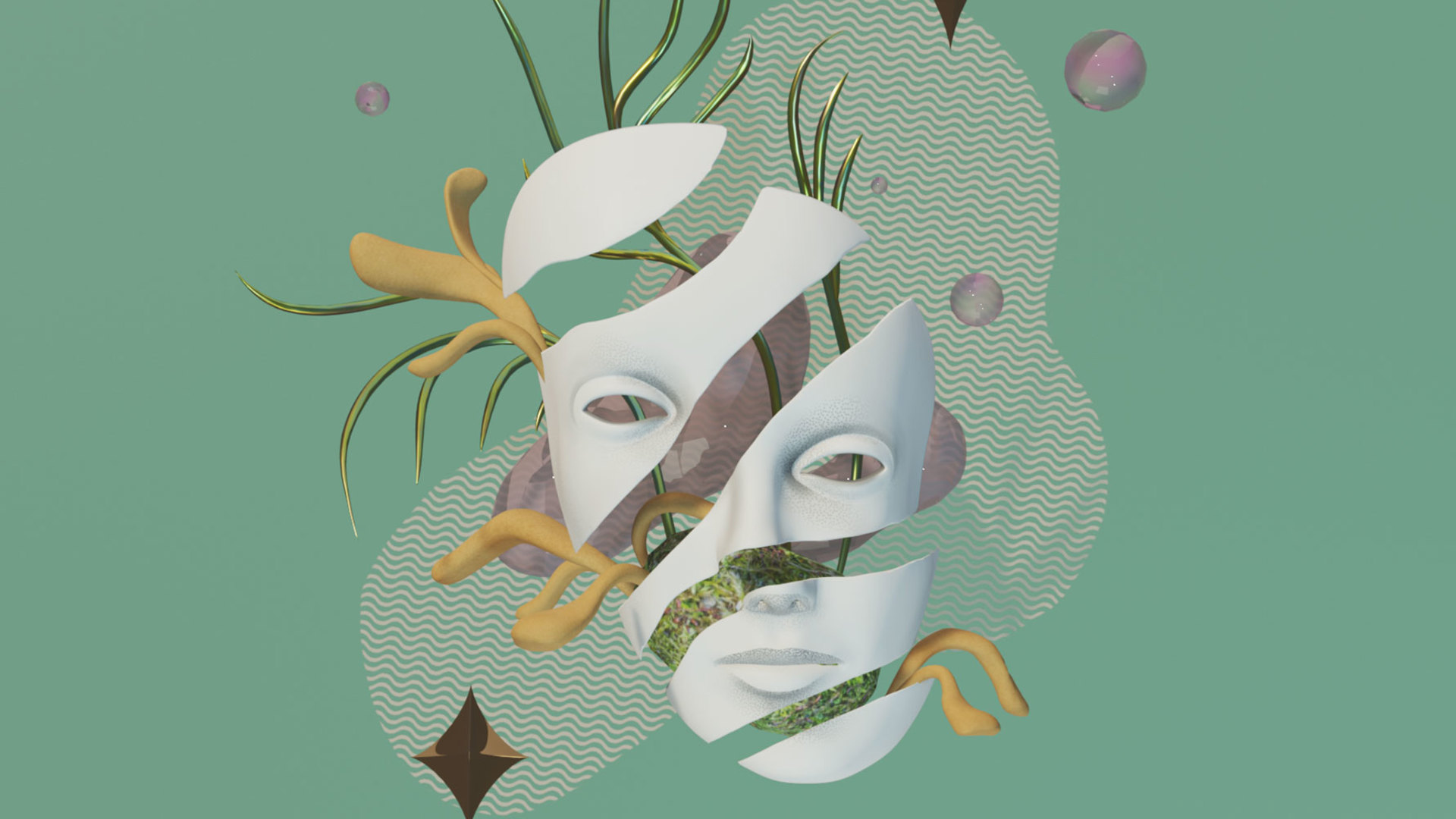
While technology offers exciting opportunities, there are also significant challenges. Traditional European arts, such as classical music, theater, and fine art, rely heavily on the preservation of culture and the transmission of skills and knowledge across generations. But as digital technology becomes more pervasive, there is a concern that the very essence of these art forms may be compromised.
1. Over-Saturation and the Loss of Authenticity
In the digital world, it’s easy to become overwhelmed by the sheer volume of content. Social media and streaming platforms prioritize quantity over quality, often flooding audiences with a constant stream of new material. As a result, it can be difficult for meaningful, long-lasting art to gain the attention it deserves.
This can be particularly challenging for European arts that are deeply rooted in tradition. Classical music, for example, relies on the mastery of technique and interpretation, and it often requires audiences to engage in long, focused listening experiences. In a world where people are accustomed to consuming content in bite-sized, attention-grabbing snippets, it becomes more challenging for these forms of art to remain relevant.
Similarly, the digital world tends to emphasize the instantaneous, the viral, and the shallow. In such an environment, deeply nuanced art that requires reflection and engagement may struggle to make an impact. European cultural institutions—whether they are opera houses, art galleries, or concert halls—must find new ways to attract and engage audiences without sacrificing the integrity of their artistic offerings.
2. The Economic Impact of Digital Piracy
As more art is consumed online, digital piracy has become a major concern. In the case of music, films, and literature, piracy undermines the financial sustainability of the creators and the cultural institutions that support them. Europe’s creative industries are already feeling the strain of unauthorized downloads and streams, which can drastically reduce the revenue that artists and cultural organizations rely on.
While streaming platforms have helped democratize access to art, they also often fail to offer fair compensation to artists. Many musicians, for example, earn only a fraction of a cent per stream on platforms like Spotify, leaving them with little financial reward for their work. This has sparked debates about the value of art in the digital age and whether platforms that prioritize accessibility over compensation are undermining the very artists they aim to support.
3. The Erosion of Cultural Identity
The digital world has also introduced the risk of cultural homogenization. While digital platforms can foster cultural exchange, they can also lead to the dominance of certain cultural norms over others. American pop culture, in particular, has had an outsized influence on global media, from music to film and fashion. As European artists increasingly participate in this globalized digital ecosystem, there is a concern that they may lose their unique cultural voices in favor of more mainstream, globally appealing trends.
For instance, European filmmakers might feel pressure to produce content that aligns with Hollywood’s expectations, or musicians might tailor their sound to fit the algorithms of global streaming platforms. In doing so, European culture could be diluted in favor of more universally marketable content, leading to a loss of the distinctiveness that makes European arts so special.
The Future: A Harmonious Blend of Tradition and Innovation
So, can Europe’s arts and culture stay relevant in a digital world? The answer, perhaps, lies in a careful balance. While technology undoubtedly poses challenges, it also offers incredible opportunities for growth and innovation. European artists must embrace the tools of the digital age, using them to create new forms of art, reach broader audiences, and experiment with new ideas. At the same time, they must remain grounded in the traditions that have defined European culture for centuries.
In this new era, cultural institutions—museums, galleries, theaters, and music halls—will need to evolve. They must adapt to the changing needs and expectations of their audiences while continuing to preserve and celebrate their rich artistic legacies. This might mean embracing digital technology in their exhibitions and performances or fostering online communities that connect artists and audiences in new ways.
Ultimately, Europe’s arts and culture can stay relevant in a digital world by staying true to their roots while exploring new horizons. The fusion of tradition and technology could give rise to a vibrant, dynamic cultural landscape that honors the past while embracing the future.