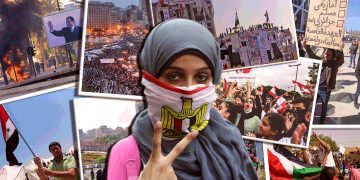










The Middle East is a region rich in history, culture, and political complexity. However, its future is increasingly being shaped by one key demographic: the youth. With over 60% of the population in many Middle Eastern countries under the age of 30, young people represent a potent force in determining the region’s trajectory. From the Arab Spring to contemporary movements advocating for change, youth movements in the Middle East have been pivotal in pushing for political reform, social justice, and economic opportunity. This article explores the vital role of these movements, how they are influencing the future of the region, and the challenges they face in a rapidly changing geopolitical landscape.
1. The Middle Eastern Youth Demographic: A Generation of Change
The Middle East, historically seen as a region marked by political unrest, has recently witnessed a shift in the way young people are engaging with the world around them. Demographic shifts, urbanization, and technological advancements have created a new breed of young activists who are more connected, more informed, and more determined to shape their futures. A study by the Arab Youth Survey indicates that youth in the region are becoming more politically aware and are increasingly calling for transparency, accountability, and the right to have a say in governance.
While many older generations still hold on to traditional values and power structures, the younger generation is more focused on issues such as civil liberties, education, job creation, and political freedom. This rising tide of activism and discontent has created fertile ground for the proliferation of youth movements across the region.
2. The Arab Spring: A Pivotal Moment for Youth Movements
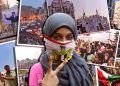
No discussion of youth movements in the Middle East would be complete without acknowledging the Arab Spring, which began in Tunisia in December 2010 and spread across several Middle Eastern and North African countries. Sparked by widespread frustration with corrupt regimes, high unemployment rates, and lack of political freedoms, the youth-led protests were a powerful demonstration of how young people could use new technologies to organize and mobilize on a massive scale.
The Arab Spring highlighted the ability of youth to challenge longstanding authoritarian regimes. In countries like Egypt, Tunisia, and Libya, young activists used social media platforms like Facebook, Twitter, and YouTube to organize protests, share information, and document abuses. The success of these protests, even if short-lived in some cases, proved that young people had the power to mobilize and demand change. The Arab Spring was not just a revolt against political oppression but also a rejection of economic stagnation and social inequality, issues that directly impacted youth.
However, while the Arab Spring gave hope to many young people across the region, it also demonstrated the fragility of grassroots movements. In some cases, regime forces violently repressed protests; in others, political instability led to chaos and conflict. Nonetheless, the youth movements of the Arab Spring were a clear indication that the younger generation was unwilling to accept the status quo and was ready to take matters into their own hands.
3. The Rise of Social Media: Connecting and Empowering Youth Movements
One of the most significant factors behind the rise of youth movements in the Middle East has been the use of social media. Platforms like Facebook, Twitter, Instagram, and Telegram have allowed young people to organize, communicate, and mobilize in ways that were previously unimaginable.
Social media has helped bridge the gap between different youth groups across the region, enabling them to share their ideas, experiences, and grievances. The ability to bypass traditional media outlets and communicate directly with a global audience has amplified their voices and brought attention to issues that may have otherwise gone unnoticed. In countries where freedom of speech is restricted, social media has become a tool for activism, allowing youth to criticize government policies, expose corruption, and call for change.
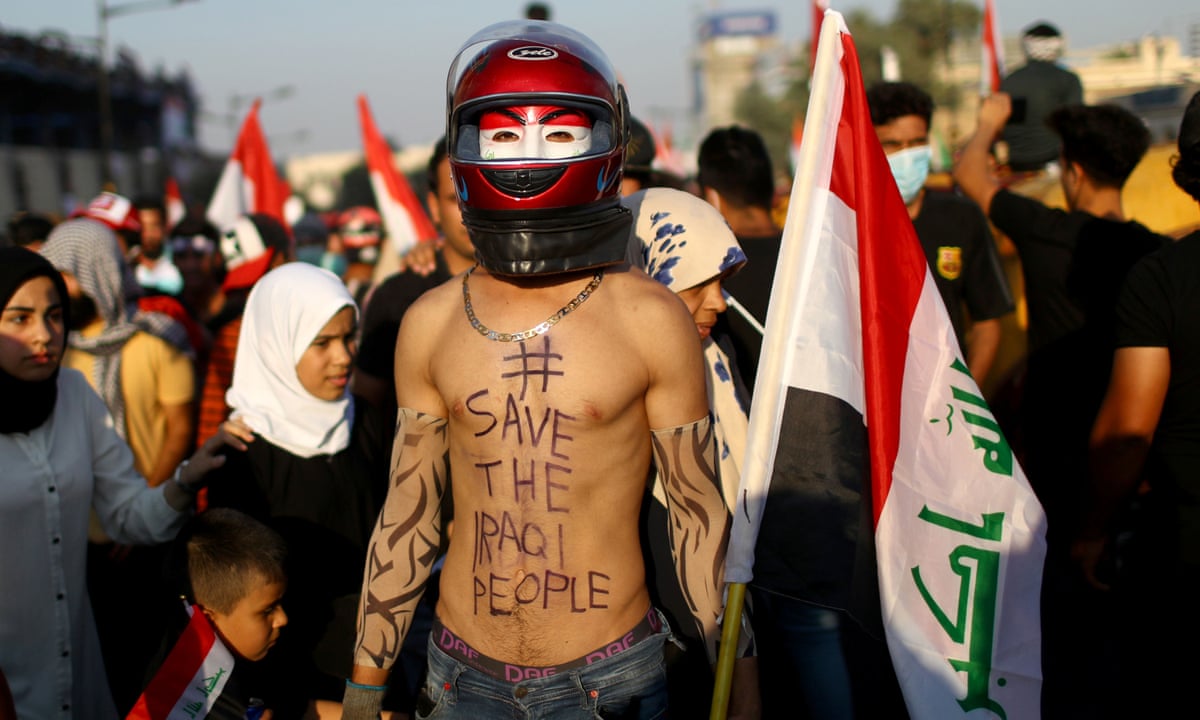
The reach and immediacy of social media have made it a critical tool for organizing protests and shaping public opinion. The 2011 Egyptian revolution, for instance, was heavily influenced by social media, with young people using platforms to plan demonstrations and rally international support. Similarly, during the 2019 protests in Iraq, young Iraqis turned to social media to document their protests, expose government brutality, and share their demands for greater political and economic reform.
Social media has also allowed youth movements to transcend national borders, creating a sense of solidarity among young people across the Middle East. For example, the Kurdish youth movement in Turkey and Syria has been able to connect with Kurdish activists in Iraq and Iran, fostering a shared sense of identity and purpose. Likewise, Arab youth in countries like Egypt, Tunisia, and Lebanon have been able to support one another’s struggles, despite the political and geographical divides that separate them.
4. Key Issues Driving Youth Movements in the Middle East
The youth movements in the Middle East are diverse, but several key issues consistently emerge as focal points for activism. These issues reflect the aspirations of young people in the region, who are seeking better opportunities, political freedom, and social justice.
4.1. Employment and Economic Opportunity
Unemployment is one of the most pressing issues facing young people in the Middle East. The region has one of the highest youth unemployment rates in the world, with millions of young people struggling to find jobs that match their qualifications. This economic disenfranchisement has led to widespread frustration, particularly among educated youth who see few opportunities to use their skills and talents.
Youth movements have advocated for economic reforms that prioritize job creation, better wages, and equal opportunities for young people. In countries like Tunisia, Egypt, and Jordan, young activists have pushed for policies that focus on education, entrepreneurship, and job training. The demand for economic justice has become a central theme in many youth movements, as young people seek to create a more equitable society where they can thrive.
4.2. Political Reform and Accountability
Many young people in the Middle East are also calling for political reform and greater accountability from their governments. For decades, the region has been dominated by authoritarian regimes that limit political freedoms, suppress dissent, and deny citizens a meaningful role in governance. This lack of political participation has fueled frustration among young people, who are increasingly demanding greater political rights and freedoms.
Youth movements have called for the end of one-party rule, the holding of free and fair elections, and the establishment of democratic institutions that reflect the will of the people. In countries like Lebanon, Sudan, and Algeria, youth movements have been at the forefront of protests calling for regime change and democratic reforms.

4.3. Social Justice and Human Rights
Another central theme in youth movements is the demand for social justice and the protection of human rights. Many young people in the Middle East are advocating for gender equality, LGBTQ+ rights, and the protection of marginalized communities. In countries like Egypt and Saudi Arabia, women have been active participants in the fight for gender equality, pushing for changes in laws that restrict their freedom and opportunities.
Similarly, youth in the region have raised their voices against discrimination based on ethnicity, religion, and social class. In Iraq, for example, young people have called for an end to sectarianism, while in Lebanon, youth movements have demanded greater political and economic inclusion for all communities.
5. Challenges Facing Youth Movements
Despite the growing influence of youth movements in the Middle East, there are significant challenges that these movements face in achieving their goals. These challenges range from government repression to internal divisions within the movements themselves.
5.1. Government Repression and Violence
In many countries, youth movements face brutal repression from governments that view their activism as a threat to the status quo. Regimes have used tactics such as surveillance, arrest, torture, and even violent crackdowns to suppress dissent. In Egypt, for example, following the 2011 revolution, the government cracked down on activists and restricted the use of social media. In Syria, the government has used violence and terror to silence opposition, leading to a devastating civil war.
The fear of repression has led some youth movements to adopt more cautious or even clandestine approaches, making it more difficult for them to sustain large-scale mobilizations. This has also led to a fragmentation of some movements, with some activists seeking asylum abroad or operating underground to avoid arrest and persecution.
5.2. Fragmentation and Lack of Unity
Another challenge facing youth movements is the lack of unity among activists. While many young people across the Middle East share common goals, there are often deep divisions within movements based on political ideology, sectarian identity, and regional loyalties. These divisions can weaken the effectiveness of youth movements and make it difficult for them to present a united front against oppressive regimes.
For example, in countries like Lebanon and Iraq, youth movements have been divided along sectarian lines, with different groups prioritizing their own interests over collective action. These internal divisions can lead to infighting and a lack of coordination, making it harder to build a cohesive movement that can challenge the status quo.
5.3. External Influence and Geopolitical Tensions
The geopolitical landscape of the Middle East also presents challenges for youth movements. The involvement of foreign powers, such as the United States, Russia, and regional actors like Iran and Saudi Arabia, often complicates the political situation in many countries. Youth movements may find themselves caught between competing external influences, which can exacerbate existing conflicts and divisions.
Furthermore, the presence of armed groups and militias in countries like Syria, Libya, and Yemen has made it difficult for youth movements to gain traction in the face of violence and instability. In such environments, it can be hard for peaceful activism to survive, let alone thrive.
6. Looking Ahead: The Future of Youth Movements in the Middle East
The future of youth movements in the Middle East will depend on several factors, including the willingness of governments to engage with young people, the ability of activists to overcome internal divisions, and the broader geopolitical context. However, one thing is clear: the youth of the Middle East are not going away. Their demands for change, their passion for justice, and their determination to shape their futures will continue to be a driving force in the region.
Youth movements in the Middle East have already made significant strides in advocating for political reform, social justice, and economic opportunity. As they continue to organize and mobilize, they will play an increasingly important role in shaping the region’s future. Whether they succeed or face setbacks, one thing is certain: the youth of the Middle East are a powerful force for change, and their influence will continue to grow in the years to come.