








Introduction
In the 21st century, the pursuit of global peace remains one of humanity’s most aspirational and yet elusive goals. With political, economic, and cultural complexities intertwining on a global scale, the question of whether global peace is a realistic expectation seems more pertinent than ever. The concept of peace, though universally desired, has been historically difficult to achieve and maintain. In an era marked by rapid technological advancements, shifting geopolitical dynamics, and growing socio-economic disparities, can global peace be more than just a utopian ideal? This article explores the challenges, possibilities, and underlying realities that shape this question.
Defining Global Peace: What Does It Mean?
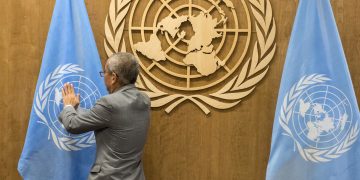
Global peace is not a singular or static concept. It encompasses a broad spectrum of ideas ranging from the absence of war to the fostering of international cooperation, economic equality, human rights, and environmental sustainability. The United Nations’ definition of peace goes beyond the cessation of conflict; it includes the creation of conditions where people can live with dignity and in harmony with each other and the planet. Thus, global peace must be understood not just as the avoidance of violence but as a multifaceted state of equilibrium between nations, societies, and ecosystems.
At the heart of this definition is the notion of a positive peace, which focuses on the creation of systems that proactively reduce inequality, promote justice, and encourage global solidarity. Negative peace, on the other hand, simply refers to the absence of direct violence or war, yet it does not address the root causes of conflict, such as poverty, political oppression, or social injustice. Therefore, any discussion on whether global peace is achievable must take into account both the absence of violence and the active promotion of fairness and equality.
The Challenges to Global Peace in the 21st Century
- Geopolitical Tensions and Nationalism
The 21st century has witnessed a resurgence of nationalism, protectionism, and regional power struggles. Nations, motivated by economic self-interest or historical grievances, frequently engage in power plays that undermine collective global peace efforts. The rise of authoritarianism and populism in several countries, particularly in the West, has also complicated international cooperation. As borders harden and foreign policies become more self-centered, collaboration on global issues such as climate change, trade, and human rights becomes increasingly difficult.
The conflict in Ukraine, the tensions in the South China Sea, and the ongoing challenges in the Middle East are just a few examples of how nationalism and geopolitical rivalries continue to destabilize regions. The complexity of these conflicts suggests that achieving lasting peace will require addressing the deep-rooted historical, cultural, and political factors that drive international disputes.
- Economic Inequality and Global Disparities
Economic inequality remains one of the most significant obstacles to achieving global peace. The gap between the rich and the poor—both within and between countries—has widened in recent decades. This economic divide fosters resentment, political instability, and social unrest. It creates fertile ground for extremism, radicalization, and conflicts over resources. Developing nations, burdened by debt and underdevelopment, often find themselves at odds with wealthier nations, leading to trade imbalances, exploitative practices, and even armed conflicts.
Furthermore, the effects of globalization have not been equally distributed. While some countries have prospered, others have been left behind, increasing global discontent. Economic disparity fuels nationalist movements, as disenfranchised populations look inward and retreat from international cooperation. These internal divisions make it harder to envision a unified global vision for peace, especially when economic survival becomes a priority over collective progress.
- Environmental Challenges and Climate Change
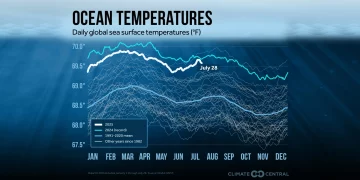
Climate change represents one of the most pressing global challenges, and its impact on peace cannot be overstated. As natural disasters become more frequent and extreme, many communities find themselves displaced, resulting in environmental refugees. Climate-induced scarcity of resources, particularly water and arable land, is likely to spark tensions between nations and regions. For example, the Nile River basin, which spans across several countries in Africa, could become a source of conflict as nations vie for control over the river’s resources in the face of rising temperatures and drought.
Moreover, environmental degradation often exacerbates existing socio-economic disparities, further stoking the flames of conflict. Global peace cannot be achieved unless nations collectively address environmental sustainability and resource management.
- Technological Advancements and Cybersecurity
The rapid advancement of technology, particularly in the fields of artificial intelligence, biotechnology, and cybersecurity, presents both opportunities and threats. While technology has the potential to improve communication, education, and healthcare, it also facilitates new forms of warfare. Cyberattacks, for example, can destabilize economies, disrupt governmental systems, and lead to international confrontations. The weapons of the future, from autonomous drones to cyber warfare, present new challenges to the preservation of peace.
Additionally, the digital divide between developed and developing nations can exacerbate global inequalities, creating new forms of division. If these technological advancements are not properly regulated and shared equitably, they could contribute to greater instability and conflict, rather than fostering peace.
- Cultural and Religious Divides
Cultural and religious differences have always been a source of tension, but in the 21st century, these divisions are magnified by globalization and the increasing interconnectedness of the world. The internet, for example, allows for the rapid spread of extremist ideologies, while also giving individuals a platform to voice their grievances and mobilize support. This can fuel religious and cultural conflicts, making them more widespread and harder to resolve.
Moreover, as societies become more multicultural, tensions can arise over issues such as immigration, national identity, and social integration. While cultural diversity is an asset to global society, it also presents challenges in fostering mutual understanding and respect. Conflicts arising from cultural and religious intolerance—such as those seen in the ongoing struggles in the Middle East, the Rohingya crisis in Myanmar, and the rise of anti-immigrant sentiment in Europe—are potent reminders of the difficulty in achieving global peace.
The Path Toward Global Peace: Can It Be Realized?
Despite these formidable challenges, there are reasons for cautious optimism regarding the possibility of global peace. While historical patterns of conflict are undeniable, there have also been significant strides in diplomacy, conflict resolution, and international cooperation.
- International Institutions and Diplomacy
Organizations such as the United Nations, the European Union, and the World Trade Organization have played critical roles in fostering international dialogue and cooperation. While these institutions are not without flaws, they provide a platform for nations to discuss their differences and find peaceful solutions to disputes. The U.N. has been instrumental in peacekeeping missions, mediating ceasefires, and providing humanitarian aid to conflict zones. Although the effectiveness of international institutions is often debated, they remain essential for coordinating collective efforts toward peace.
Additionally, diplomacy has evolved in the 21st century to address new threats, including cyber warfare, nuclear proliferation, and environmental issues. The Iran nuclear deal, the Paris Agreement on climate change, and the ongoing peace negotiations in conflict zones like South Sudan and Afghanistan demonstrate that global cooperation remains possible, even in the face of significant challenges.
- Grassroots Movements and Civil Society
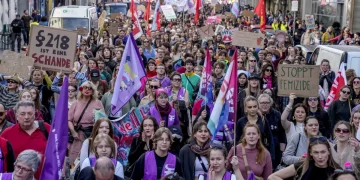
Global peace is not solely the responsibility of governments and international organizations; civil society plays a crucial role in advocating for peace. Grassroots movements, NGOs, and social activists have been instrumental in raising awareness about issues such as human rights, climate change, and social justice. These movements often challenge existing power structures and demand greater accountability from governments and corporations.
The spread of social media has also facilitated global solidarity, enabling individuals to mobilize across borders and advocate for peace and justice. From the Arab Spring to Black Lives Matter, people around the world have used digital platforms to challenge oppression and promote peace. While social movements alone cannot resolve global conflicts, they can shift public opinion, press for policy changes, and hold governments accountable for their actions.
- Education and Global Awareness
One of the most effective tools in promoting peace is education. By fostering a global mindset and teaching the values of tolerance, respect, and cooperation, education can help bridge cultural and ideological divides. Programs that emphasize conflict resolution, intercultural dialogue, and global citizenship have the potential to cultivate a generation committed to peace.
Educational initiatives that promote understanding of global issues—such as poverty, climate change, and human rights—can encourage individuals to think beyond national borders and work toward collective solutions. In a world where misinformation and ideological polarization are increasingly common, education is a powerful weapon in the fight for peace.
- Technological Innovation for Peace
While technology presents many risks, it also holds the potential to be a force for good in the pursuit of global peace. Advances in communication, healthcare, and energy can help address some of the root causes of conflict. For instance, the development of renewable energy technologies can reduce competition for scarce resources and mitigate the impact of climate change. Similarly, breakthroughs in medical research can improve global health outcomes and reduce inequality.
Moreover, technology can be used to facilitate dialogue and understanding between cultures. Virtual platforms that enable cross-cultural exchange, for example, can promote mutual respect and collaboration. If harnessed responsibly, technology could play a pivotal role in bridging divides and fostering a more peaceful world.
Conclusion
While the path to global peace may seem daunting, it is not entirely out of reach. The 21st century presents numerous challenges—geopolitical tensions, economic inequality, environmental crises, technological risks, and cultural divides—that make achieving peace a complex and ongoing struggle. However, through international cooperation, grassroots movements, education, and technological innovation, it is possible to create a more peaceful and just world.
Global peace is not a single event or a permanent state but a continuous effort that requires the commitment of all individuals, nations, and institutions. While it may not be a fully attainable ideal in the near future, striving for global peace is a worthwhile and necessary endeavor. The pursuit of peace is not just about the absence of war but about creating a world where people can coexist in harmony, respect, and dignity.