






The Middle East, a region deeply rooted in centuries of tradition and culture, has long been home to vibrant and varied festivals. These festivals, steeped in religious, historical, and cultural significance, reflect the social fabric of the region. However, as the modern world rapidly changes, these traditional festivals are evolving. From technological advancements to shifting social norms and the effects of globalization, traditional festivals in the Middle East are undergoing transformations, adapting to the present-day realities without losing their cultural essence.
1. The Role of Religion in Middle Eastern Festivals
Traditional festivals in the Middle East are primarily shaped by religion, with Islam being the dominant faith in many countries. The two most significant religious festivals in the region are Eid al-Fitr and Eid al-Adha, which mark the end of Ramadan and commemorate the willingness of Ibrahim (Abraham) to sacrifice his son in obedience to God, respectively. These events are deeply spiritual, but in today’s society, they are also opportunities for family gatherings, community bonding, and economic activity.
The role of religion in these festivals remains strong, but modern elements have subtly woven their way into the fabric of these events. Social media, for example, plays a pivotal role. Families and friends now share their Eid experiences through posts, photos, and videos. The celebrations have evolved into a blend of old traditions and new-age connectivity. Additionally, the rise of virtual Eid greetings and the ability to stream religious sermons or even attend virtual prayers via live broadcasts has made these events more accessible than ever before, especially in a post-pandemic world.
2. Impact of Technology and Media
Technology’s impact on traditional festivals in the Middle East cannot be overstated. In particular, digital media has transformed how people celebrate, communicate, and engage with cultural practices. Social media platforms like Instagram, Facebook, and Twitter have allowed younger generations to express their participation in festivals in creative ways, from posting photos of traditional attire to showcasing homemade feasts.
Moreover, the rise of digital advertising and streaming services has brought new commercial opportunities. Corporations are leveraging these festivals to launch special edition products, sponsor events, or run festive campaigns. Television channels, for instance, often air special festival-related programming, including dramatic series, talk shows, and documentaries, which are viewed by millions, adding a layer of entertainment that wasn’t a part of traditional celebrations decades ago.
Another technological trend is the development of festival-related apps. For example, in countries like Saudi Arabia and the UAE, apps are being used to facilitate ticket purchases for cultural events, guide people through festival schedules, and even offer digital discounts. This integration of technology allows for more streamlined, accessible festivals and helps younger audiences feel more connected to their cultural heritage.
3. Urbanization and Its Effect on Festival Practices
Urbanization has been another key driver of change in traditional festivals. The Middle East has seen rapid urban growth over the past few decades, especially in cities like Dubai, Riyadh, and Doha. This urbanization has not only transformed the physical landscape but also impacted how festivals are celebrated. Traditional festivals in rural areas, such as camel races in the deserts or folk music performances, have given way to large-scale city-centered celebrations. These city celebrations often include international elements, such as pop music concerts, street food festivals, and multinational performances, which attract a cosmopolitan audience.
While the essence of festivals like Eid al-Fitr remains intact, city celebrations are often grander in scale. In Dubai, for instance, the annual Dubai Shopping Festival coincides with Eid celebrations and includes live entertainment, massive sales, and a fireworks display that draws tourists from all over the world. Urbanization has not only expanded the scale of the festivals but also their commercial appeal. The economic impact of festivals has become an increasingly important aspect, with cities hosting grand events that boost tourism, create jobs, and generate significant revenue for local businesses.

4. Globalization and Cross-Cultural Influences
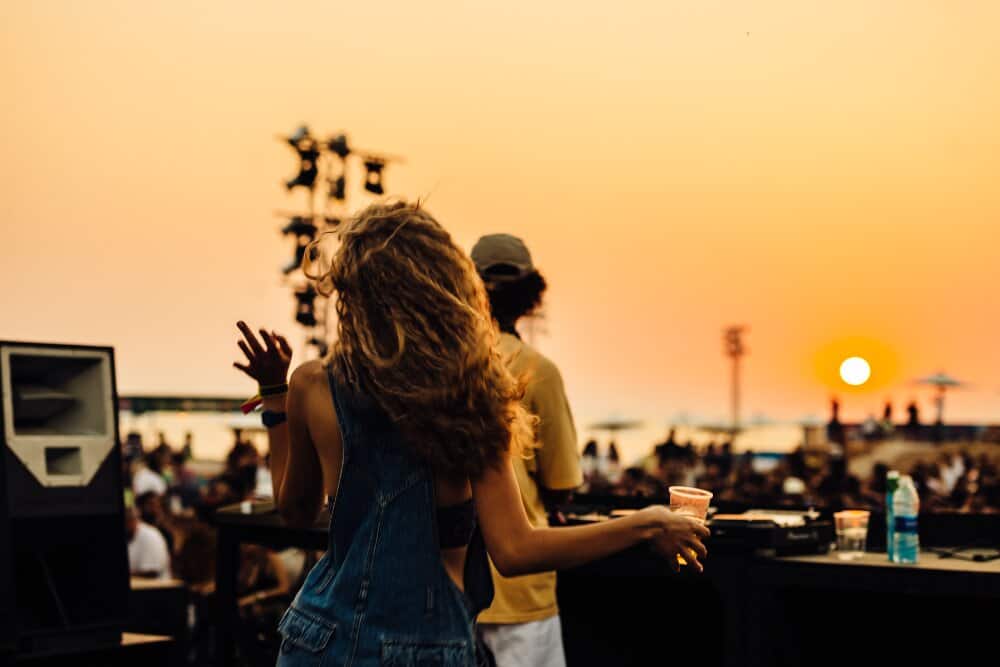
Globalization has further altered the way traditional festivals are celebrated. As the Middle East becomes increasingly interconnected with the global community, cultural exchange is inevitable. International music, fashion, and culinary trends are often integrated into local festivals. For instance, during the Eid al-Fitr celebrations in major cities, it’s common to see global brands launching festive collections, while international DJs and artists are often invited to perform at high-profile events.
While globalization has introduced new forms of entertainment, it has also brought challenges. Younger generations may feel a disconnect with more traditional practices, opting instead for the latest trends or the globalized forms of celebration that seem more appealing or in sync with global culture. This has led to a tension between maintaining traditional cultural practices and embracing new global trends.
Nevertheless, some Middle Eastern countries are actively blending the best of both worlds. The Dubai International Film Festival, for example, attracts filmmakers from around the world while celebrating the region’s rich cinematic heritage. Local festivals, such as the Dubai Camel Racing Festival, have also incorporated elements of modern technology, such as robotic jockeys, alongside the traditional camel races.
5. Women’s Role in Modern Festivals
Women’s roles in Middle Eastern festivals have undergone a significant transformation in recent years. Historically, women in many parts of the Middle East had a more passive role in festival celebrations, often relegated to the background in traditional family and community events. However, with the increasing focus on gender equality and women’s rights in the region, women have become more visible in both the public and private spheres of festival life.
For example, in countries like Saudi Arabia, women’s participation in public events has grown significantly in recent years. Women can now drive, attend public concerts, and participate in sporting events, all of which were previously restricted. During traditional festivals, this shift has led to more inclusive celebrations. Women now play an active role in organizing events, performing in cultural showcases, and taking part in public festivities. The rise of female entrepreneurs, particularly in the arts, fashion, and culinary industries, has also led to a new wave of women-led cultural festivals and pop-up events celebrating local and regional cultures.
6. Sustainability and Eco-friendly Practices
Environmental sustainability is becoming a key concern in the Middle East, and this focus is beginning to affect traditional festivals. As climate change continues to pose significant challenges, many Middle Eastern countries are taking steps to reduce the environmental footprint of their celebrations.
For instance, some festivals have shifted to greener practices by reducing waste, minimizing energy consumption, and opting for eco-friendly products. Traditional festivals like Diwali in the region are now celebrated with eco-friendly lighting, while Eid celebrations in some cities have embraced sustainability through the promotion of reusable decorations and less wasteful gift-giving practices.
In the UAE, the government has been at the forefront of implementing sustainable practices during large-scale events like Expo 2020 Dubai. These efforts have inspired local cultural festivals to follow suit, promoting environmental consciousness through both official campaigns and grassroots movements.
7. Revival of Traditional Festivals in the Digital Age
Ironically, in the digital age, there is a growing trend toward preserving and reviving traditional festivals that have faced the threat of extinction. The internet, far from contributing to the erosion of cultural practices, has enabled the preservation and resurgence of regional customs that might otherwise have faded. Young people in the Middle East, often engaged with global culture through social media and digital platforms, are using these very tools to reconnect with their roots.
Digital archives, online courses, and virtual experiences are all contributing to the preservation of Middle Eastern traditions. Online platforms have made it possible for younger generations to learn about the traditional music, dance, clothing, and rituals of their ancestors, and to participate in virtual celebrations of ancient holidays.
For example, the Nowruz (Persian New Year), which is widely celebrated in countries like Iran and Turkey, has witnessed a resurgence in the digital space. Younger generations, who are more likely to be geographically dispersed due to migration, are using digital tools to reconnect with their cultural heritage, organizing virtual celebrations, and reviving interest in Nowruz’s traditional practices.
8. Future of Traditional Festivals in the Middle East
Looking ahead, it is clear that traditional festivals in the Middle East will continue to evolve. With the blending of ancient customs and modern influences, they will likely become even more dynamic and inclusive. As the region grapples with its identity in the modern world, festivals will play an important role in helping people reconcile their cultural heritage with the demands of globalization and technological change.
In the future, we may see more hybrid festivals that combine traditional elements with futuristic technology, such as augmented reality experiences or drone light shows that replace fireworks. We might also see an increase in the intermingling of various cultural influences from the Arab world, Africa, and Asia, reflecting the multicultural nature of modern Middle Eastern society.
Despite the inevitable transformations, the central theme of these festivals — a celebration of life, faith, community, and heritage — will remain a timeless constant.