









Urbanization is one of the defining phenomena of the modern world, reshaping landscapes, economies, and societies across the globe. In Europe, a continent known for its rich history and diverse cultures, the rapid expansion of cities has become a key feature of the 21st century. As more and more people migrate from rural areas to urban centers in search of better opportunities, the question arises: is Europe’s urbanization creating a new kind of inequality?
The Growth of Urban Centers in Europe
The history of European urbanization is long and complex. Cities such as Rome, Paris, and London have been at the heart of political, economic, and cultural developments for centuries. However, in recent decades, the pace of urban growth has accelerated. From 1950 to 2020, Europe’s urban population grew from 50% to over 75%, with the majority of this growth happening in the larger cities and metropolitan areas.
This trend has been driven by several factors. Firstly, the movement of people from rural to urban areas in search of jobs, better infrastructure, and access to services has been a primary driver. Secondly, the expansion of the service sector and high-tech industries in cities has created opportunities that are simply unavailable in smaller towns or villages. Thirdly, the growth of transportation networks and global connectivity has made it easier for people to move to cities for work, education, and lifestyle choices.
Yet, as urbanization continues to increase, it brings with it a host of new challenges—most notably, the growing inequality between urban and rural areas and within cities themselves.
Economic Inequality: A City Within a City
One of the most visible forms of inequality caused by urbanization in Europe is economic disparity. As cities grow, they become hubs of wealth and innovation. However, they also become places where the gap between the rich and the poor is often stark.
In cities like London, Paris, and Berlin, wealth is concentrated in certain districts, often characterized by high property values, proximity to business hubs, and access to elite schools. Meanwhile, other parts of the city, especially those on the periphery, are home to large populations of low-income families who often struggle to keep up with rising living costs.
In many cases, the working poor and those dependent on social welfare are pushed out of the central urban areas and into the suburbs, where they face poorer public services, limited job opportunities, and a lack of social mobility. In contrast, affluent individuals live in gentrified neighborhoods where property prices soar, public transport is efficient, and job opportunities abound.
This phenomenon is evident in many European cities. For example, in London, areas like Kensington and Chelsea boast some of the most expensive real estate in the world, while just a few miles away, places like Tottenham or Croydon experience higher rates of unemployment and poverty. Similarly, in Paris, the wealthier areas of the 7th and 16th arrondissements stand in stark contrast to the economically disadvantaged suburbs (banlieues), where poverty, unemployment, and crime are more prevalent.
The creation of these stark divisions within cities is often called “spatial inequality.” It occurs when cities become divided into zones of wealth and poverty, with little to no overlap between them. This division not only deepens economic inequality but also leads to social tensions, as people from different economic backgrounds become increasingly isolated from one another.
The Spatial Divide: Gentrification and Displacement
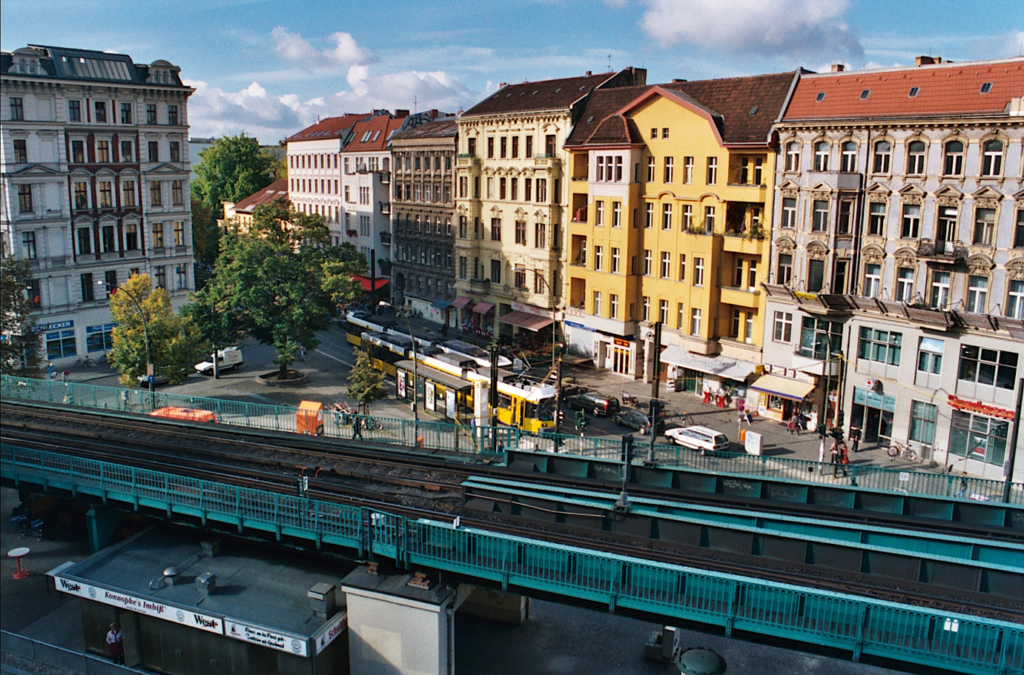
One of the most significant drivers of urban inequality in Europe is the phenomenon of gentrification. Gentrification refers to the process by which previously neglected or low-income neighborhoods become more attractive to wealthier individuals or developers, leading to rising property prices and the displacement of long-time residents.
Gentrification has occurred in many European cities, including London, Berlin, and Paris, where working-class neighborhoods have been transformed into trendy districts filled with cafes, boutique shops, and upscale apartments. While gentrification can bring investment and revitalization to urban areas, it also has a darker side: the displacement of low-income residents who can no longer afford to live in their neighborhoods.
In cities like Berlin, where rents have increased dramatically in recent years, longtime residents have been forced out of areas they once called home. Many of them have had to move to the outskirts of the city or into neighboring towns where housing is cheaper, but job opportunities are more limited. This pattern of displacement leads to a growing divide between the “haves” and the “have-nots,” as those with the financial means to live in the city center enjoy the benefits of improved infrastructure and amenities, while those on the margins are pushed further away from the city’s core.
The rapid pace of gentrification is not only changing the physical landscape of cities but also their social fabric. Long-standing communities are being broken up, and a sense of belonging and identity is being lost. The neighborhoods that once fostered diversity, culture, and shared experiences are becoming more homogenous, catering only to those who can afford the rising costs of living.
Housing: A Key Driver of Urban Inequality
Housing is perhaps the most significant factor contributing to urban inequality in Europe. As cities grow, the demand for housing increases, and property prices skyrocket. This creates a market where only the wealthiest individuals can afford to buy homes or rent apartments in desirable areas.
For lower-income individuals and families, access to affordable housing is increasingly difficult. Many are forced to rent in less desirable areas or live in overcrowded conditions. In cities like London and Paris, the cost of renting an apartment has outpaced wage growth, making it difficult for young people, students, and working-class individuals to find stable housing.
In addition to rising costs, the lack of affordable housing leads to long waiting lists for social housing. Governments in many European countries have been slow to respond to this crisis, and in some cases, austerity measures have led to cuts in social housing programs, further exacerbating the issue.
The shortage of affordable housing also contributes to the growing divide between urban and rural areas. While cities offer better job opportunities and access to services, they also present significant barriers to entry for those with limited financial means. As a result, people are increasingly forced to choose between living in economically depressed rural areas or struggling to make ends meet in overcrowded urban environments.

The Digital Divide: Inequality in the Age of Technology
As cities grow and evolve, the role of technology has become increasingly important. The rise of digital economies, the gig economy, and the increasing reliance on technology for everyday life has created a new kind of inequality—one that is deeply intertwined with urbanization.
In many European cities, access to high-speed internet, digital infrastructure, and the skills needed to thrive in the digital economy are concentrated in wealthier neighborhoods. In contrast, poorer areas often face digital exclusion, with limited access to broadband, fewer opportunities for digital education, and fewer job prospects in the tech sector.
This digital divide further exacerbates existing social and economic inequalities. Those in affluent areas have access to better educational opportunities, enabling them to take advantage of the opportunities provided by the digital economy. Meanwhile, individuals in disadvantaged neighborhoods are left behind, with limited access to the resources and training needed to succeed in a digital world.
The digital divide also plays a role in the labor market. As more jobs become automated or reliant on digital skills, those without access to technology or the skills to navigate it will find themselves increasingly marginalized. This creates a new form of inequality that is tied to urbanization, as the wealthiest areas are best equipped to benefit from the digital age, while the poorest areas struggle to keep up.
Environmental Inequality: The Price of Urban Growth
While urbanization has brought many benefits to Europe’s cities, it has also led to environmental challenges that disproportionately affect disadvantaged communities. Urban areas are often marked by pollution, overcrowding, and a lack of green spaces—all of which contribute to poorer living conditions for those living in low-income neighborhoods.
In many cities, poorer communities are more likely to be located near industrial zones, highways, or areas with high levels of air and noise pollution. This creates a situation where the most vulnerable populations are exposed to the harmful effects of urban growth, such as respiratory problems, mental health issues, and limited access to recreational spaces.
On the other hand, wealthier areas tend to have better access to green spaces, cleaner air, and quieter surroundings. These environmental disparities further deepen the divide between different socio-economic groups, creating an unequal quality of life for those living in the same city.
Addressing Urban Inequality: Policies for a Fairer Future
To address the growing inequality caused by urbanization, European governments must take a proactive approach. Urban planning and policies need to focus on creating inclusive, sustainable cities where everyone has access to opportunities and a high quality of life.
One of the key areas of focus should be affordable housing. Governments must invest in social housing programs, provide subsidies for low-income individuals and families, and work to ensure that new development projects include affordable housing options. Additionally, policies should encourage mixed-income neighborhoods that promote social integration and reduce segregation.
Another important area is digital inclusion. As the digital divide becomes a growing issue, it is essential that governments invest in expanding broadband infrastructure in underserved areas and provide digital literacy programs for all citizens, particularly those in disadvantaged communities.
Furthermore, cities need to focus on improving public transport, expanding green spaces, and reducing pollution in order to create healthier environments for all residents. Sustainable urban development should be prioritized, with a focus on ensuring that urban growth does not come at the expense of the environment or social equity.
Conclusion
Europe’s urbanization is undoubtedly a powerful force driving economic, social, and cultural change. However, as cities grow, so too do the disparities between the rich and the poor, the urban and the rural. The inequalities caused by urbanization are multifaceted and complex, encompassing economic, spatial, digital, and environmental dimensions.
To create cities that are truly equitable and inclusive, European governments must embrace policies that address these growing disparities. Only through thoughtful planning and a commitment to social justice can we ensure that urbanization benefits all citizens, rather than exacerbating the divisions that already exist in society.