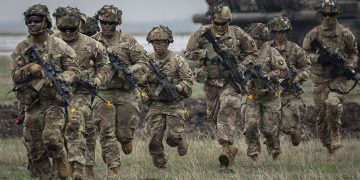



Europe’s military alliances have long been a cornerstone of the continent’s defense and security strategy. From the shadow of the Cold War to the complexities of the 21st century, these alliances have helped shape the political and military landscape of Europe. But as we enter a new era marked by shifting geopolitical dynamics, the relevance of these alliances is being increasingly called into question.
The world today is more interconnected yet more fragmented than ever before, and Europe’s military alliances are forced to adapt. Are they still fit for purpose? Do they retain the same significance as they did in the post-WWII and Cold War periods? To answer these questions, we need to examine the history, structure, current relevance, and future of Europe’s most prominent military alliances: NATO and the European Union’s defense initiatives.
A Brief History of European Military Alliances
The Birth of NATO
The formation of the North Atlantic Treaty Organization (NATO) in 1949 marked a pivotal moment in European military history. After the devastation of World War II, Europe was divided between the Soviet-controlled East and the Western democracies. The alliance was created as a counterbalance to the growing power of the Soviet Union, offering a collective defense mechanism that bound the United States and Canada with European powers, particularly the UK, France, and West Germany.
NATO’s principle of collective defense, enshrined in Article 5 of its founding treaty, states that an attack on one member is an attack on all. This concept has been the foundation of European security throughout the Cold War and beyond. The alliance was designed to ensure that Europe, though scarred by war, would not fall into the influence of totalitarian regimes again.
The Rise of the European Union’s Defense Mechanism
While NATO was initially the dominant military force in Europe, the 1990s saw a shift toward the establishment of a European security and defense policy (ESDP) within the European Union (EU). This shift came in the wake of the Cold War’s end, as European countries increasingly saw the need for a more integrated and autonomous defense framework.
The EU’s ESDP, which later became the Common Security and Defence Policy (CSDP), was intended to enhance Europe’s ability to act independently in crisis situations. The goal was to offer a robust security presence without relying entirely on NATO or the United States. Over the years, the EU has undertaken several peacekeeping and stabilization missions, primarily in Africa and the Balkans, demonstrating its capacity for autonomous military action.
However, the EU’s military identity is more blurred than NATO’s. While it has a solid framework for civilian missions, its military capabilities are fragmented, and it still depends heavily on NATO’s infrastructure for high-end operations.
The Collapse of the Soviet Union and the Reordering of Alliances
The end of the Cold War and the dissolution of the Soviet Union in 1991 led to the reunification of Germany and the expansion of NATO into Eastern Europe. Former Warsaw Pact countries and Soviet republics began to seek membership in NATO, viewing it as a means of securing their sovereignty and ensuring their integration into the Western political and economic spheres. This expansion, which included countries like Poland, the Czech Republic, and the Baltic states, has been one of the most significant developments in post-Cold War European geopolitics.
This period also saw the EU’s deepening integration, with an eye on consolidating its political and economic stability. The EU’s enlargement to include countries from Central and Eastern Europe has been accompanied by the challenge of balancing regional security concerns with its broader foreign policy goals.
The Modern Landscape: Challenges to European Alliances
Geopolitical Shifts and Rising Rivalries
The European security environment today is vastly different from the one that NATO and the EU were originally designed to address. While the immediate threat of a Soviet invasion has largely dissipated, new security challenges have emerged. These include the resurgence of Russia, the rise of China as a global power, and the ongoing threat of terrorism from both state and non-state actors.
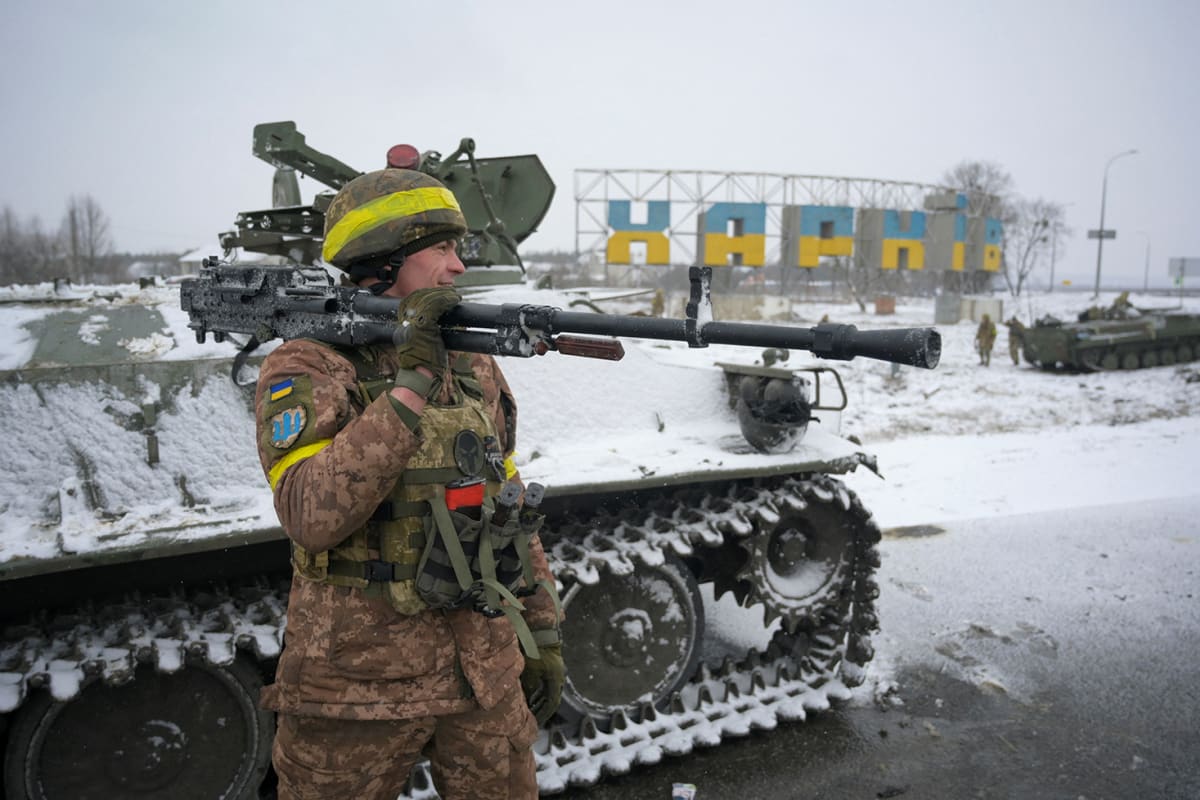
Russia’s annexation of Crimea in 2014 and its continued military presence in Ukraine have reignited fears of Russian expansionism in Europe. NATO’s response to this aggression, particularly its military presence in Eastern Europe, has been a key focus of its operations in the 21st century. However, as the conflict in Ukraine persists, it has raised the question: can NATO continue to guarantee Europe’s security against an unpredictable and often aggressive Russia?
Meanwhile, China’s increasing influence in Europe—through economic investments, trade partnerships, and growing military presence—has added another layer of complexity. The EU, while historically focused on economic integration, is now considering its defense posture in response to China’s geopolitical rise.
.jpg)
The Challenge of Political Fragmentation in Europe
Internally, Europe’s alliances face significant challenges. The European Union, though economically united, has struggled with political fragmentation in recent years. The rise of populist and nationalist movements in many EU countries has led to internal divisions, especially regarding defense spending and commitment to collective defense.
Similarly, NATO has seen cracks in its unity. The United States, traditionally the leading military power within NATO, has expressed concerns over the growing defense budgets of European countries, and its commitment to the alliance has occasionally been questioned. The election of Donald Trump in 2016, for instance, created an atmosphere of uncertainty about America’s long-term security commitment to Europe. While the Biden administration has reaffirmed NATO’s centrality, tensions remain over defense spending, military modernization, and Europe’s strategic autonomy.
Brexit has also had a lasting impact on European military alliances. The UK’s departure from the EU has complicated the EU’s defense efforts, removing one of its key military contributors. While the UK remains a NATO member, the loss of its military power within the EU has prompted calls for greater European defense cooperation.
The Growing Need for European Strategic Autonomy
One of the major trends influencing European military alliances today is the increasing push for strategic autonomy. Many European leaders argue that the EU should be capable of acting independently when necessary, without relying on the United States or NATO. This vision is particularly strong in France, which has long advocated for a European defense identity distinct from NATO.
The EU has made strides in this direction with initiatives like the Permanent Structured Cooperation (PESCO) and the European Defence Fund (EDF), which aim to improve military capabilities and foster closer defense cooperation among EU members. These initiatives are a response to the perceived need for Europe to maintain its own defense mechanisms in a multipolar world where the U.S. may not always be a reliable partner.
However, the EU’s ability to achieve true strategic autonomy is still uncertain. The EU’s military capabilities remain uneven, and there are significant divergences between member states regarding defense priorities. Moreover, NATO remains an essential pillar of European security, and many EU countries are hesitant to fully decouple from the transatlantic alliance.
The Future of Europe’s Military Alliances
NATO: Adapting to New Realities
Despite the challenges, NATO remains the central military alliance for Europe. Its adaptability is one of its key strengths. In response to the changing security environment, NATO has adjusted its focus, expanding its role in counterterrorism, cyber defense, and managing regional conflicts. The alliance’s response to Russia’s aggression in Ukraine and its involvement in the fight against ISIS in the Middle East are examples of its capacity to evolve.
However, NATO’s future is uncertain. The rising tension with Russia, the need to address new cyber threats, and the possibility of European states pursuing independent military actions raise important questions about the alliance’s cohesion and relevance. One thing is clear: NATO will need to continue evolving in response to new and emerging threats.
The EU’s Role in the Future of European Security
The EU’s role in European defense is likely to continue expanding, though it will not replace NATO. The EU can contribute to European security through diplomatic, economic, and non-military means, while enhancing its defense capabilities to respond to regional challenges. However, the EU’s focus will likely remain on peacekeeping, crisis management, and support for regional stability.
Europe’s future military alliances will likely involve a blend of NATO and EU cooperation, with NATO providing the strategic and military backbone, while the EU focuses on crisis management, diplomacy, and non-military aspects of security.
A New European Defense Architecture?
The call for a new European defense architecture, separate from NATO, has gained traction among certain European countries. Advocates for this approach argue that Europe must be able to act independently in its own interests, especially when the United States is focused elsewhere. However, creating a fully independent European defense structure would be costly and politically challenging, requiring significant investment in military infrastructure and coordination among diverse European states.
Ultimately, the future of European military alliances will likely involve a mix of NATO and EU collaboration, with NATO serving as the core of collective defense and the EU acting as a complementary force for stabilization and peacekeeping.
Conclusion: Is Europe’s Military Alliance Still Relevant?
In conclusion, Europe’s military alliances remain highly relevant today, though they face significant challenges. NATO, despite internal tensions and evolving global threats, continues to be the cornerstone of European security, especially in the face of Russian aggression. The EU, meanwhile, is carving out a more active role in European defense, though its military capabilities remain complementary to those of NATO.
As Europe faces an increasingly complex security environment, its military alliances will need to continue adapting. Whether through enhanced cooperation within NATO, a more robust EU defense policy, or the possibility of a new, more autonomous European defense structure, Europe’s security architecture will need to evolve to remain relevant.