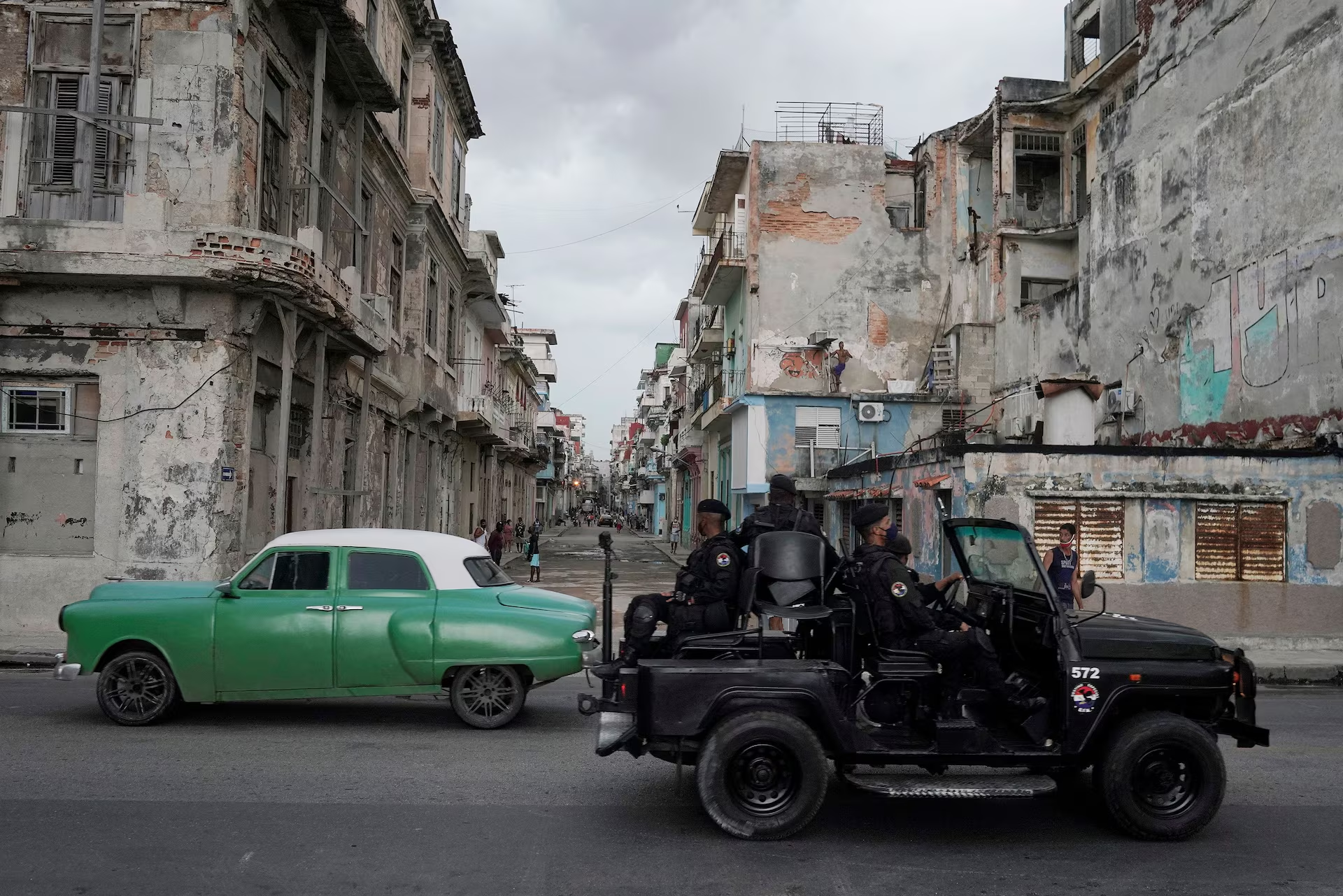









Urbanization in Latin America is no longer a future concern—it is a current reality shaping the social, economic, and environmental landscape of the region. Over the past century, Latin America has undergone one of the fastest urban transitions in human history. From barely 40% of the population living in cities in 1950, the region now hosts nearly 80% of its people in urban areas. This dramatic shift has brought unprecedented opportunities but also significant challenges, from housing shortages and informal settlements to traffic congestion, pollution, and social inequality. The question is urgent: Can Latin America solve its growing urbanization crisis?
The Urban Explosion: Patterns and Drivers
To understand the urbanization crisis, it is critical first to analyze its causes and patterns. Latin America’s urban growth has been shaped by multiple interlocking forces. Economic modernization, industrialization, and rural-to-urban migration have fueled a demographic surge in cities. At the same time, global trends like climate change, digital connectivity, and economic integration have accelerated urban concentration in regional capitals and metropolitan hubs.
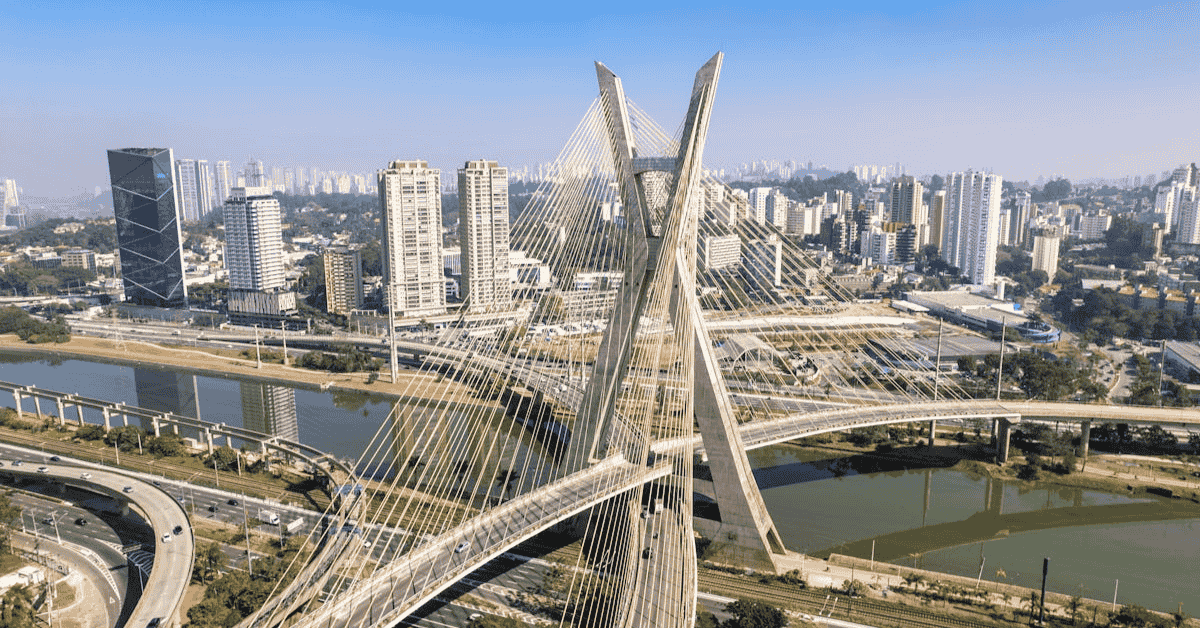
Megacities such as São Paulo, Mexico City, Buenos Aires, and Rio de Janeiro illustrate this trend vividly. These urban giants face pressures that smaller cities experience on a compressed scale: skyrocketing housing demand, overwhelmed public transportation systems, environmental degradation, and social stratification. What is remarkable, however, is that Latin America’s urbanization is unique in its speed and intensity. Unlike Europe, which urbanized over centuries, or Asia, which continues to experience massive rural-to-urban migration, Latin America transformed in a few decades. The consequences are both striking and challenging.
Housing and Informal Settlements: A Persistent Dilemma
One of the most visible symptoms of urbanization stress in Latin America is the proliferation of informal settlements, commonly known as favelas, barrios, or villas miseria. These neighborhoods often develop outside formal planning regulations, lacking proper sanitation, infrastructure, and public services. Millions of urban residents live in these conditions, creating a stark contrast with middle-class neighborhoods and affluent gated communities.
Addressing housing crises in Latin America requires more than building more apartments. It involves integrating informal settlements into the urban fabric, improving accessibility, and fostering social inclusion. Innovative approaches, like participatory urban planning, microfinance for home improvements, and public-private partnerships, have shown promise. Cities such as Medellín in Colombia have successfully transformed parts of their informal settlements with infrastructure investment and social programs, demonstrating that inclusive urban development is possible—but scaling these initiatives remains a formidable challenge.
Transportation: The Lifeline of Cities
Urban mobility is another cornerstone of a livable city, and Latin America’s transportation systems are under severe strain. Traffic congestion costs billions of dollars annually in lost productivity, while inadequate public transit limits access to jobs and education for millions. Informal transit systems, such as minibuses and colectivos, fill some gaps but also perpetuate inefficiency and safety risks.
Some cities are experimenting with innovative solutions. Bogotá’s TransMilenio bus rapid transit system is often cited as a model for cost-effective, high-capacity public transit. Meanwhile, Curitiba in Brazil has combined bus networks with pedestrian-friendly urban design to create a functional, sustainable transit ecosystem. The challenge lies in replicating these successes across sprawling metropolises where inequality, political fragmentation, and limited funding complicate planning and execution.
Environmental Stress: Pollution, Floods, and Climate Risk
Rapid urbanization in Latin America has imposed enormous environmental stress. Air pollution in megacities has reached hazardous levels, contributing to respiratory illnesses and undermining quality of life. Water scarcity, inadequate sewage systems, and waste mismanagement exacerbate public health challenges. Furthermore, the region’s vulnerability to climate change intensifies these urban pressures: flooding, landslides, and heat waves disproportionately affect low-income neighborhoods.
Urban resilience must therefore be a central component of the solution. Green infrastructure, sustainable waste management, and climate-adaptive urban design are no longer optional—they are essential. Cities like Mexico City and Santiago are investing in urban parks, green roofs, and water management systems, but the scale of environmental challenges demands a more systemic, long-term strategy that integrates governance, finance, and community engagement.
Social Inequality: The Invisible Barrier
Latin America is one of the most unequal regions in the world, and urbanization often magnifies this inequality. While cities generate economic opportunity, they also concentrate wealth and poverty in spatially segregated patterns. Informal settlements frequently lack access to quality education, healthcare, and employment networks, trapping residents in cycles of marginalization.
Addressing urban inequality requires policies that go beyond infrastructure and transportation. Social programs, inclusive zoning laws, and equitable economic opportunities are vital. Successful examples exist: Medellín’s integration of social urbanism with education, public spaces, and cultural programs demonstrates that urban policy can reduce inequality while improving the quality of life.
Governance and Institutional Capacity
One of the most critical bottlenecks in Latin American urban planning is governance. Fragmented municipalities, limited fiscal autonomy, and bureaucratic inefficiency often hinder effective urban policy. Coordination between regional and local governments, transparency, and long-term planning are essential to manage urban growth responsibly.
Cities like Bogotá and Curitiba illustrate the importance of visionary leadership and institutional innovation. Metropolitan governance models that align multiple municipalities under unified urban planning frameworks can mitigate the chaos that accompanies rapid growth. Without robust governance, even well-designed urban projects risk being underfunded, mismanaged, or unsustainable.
Technological Innovation: A Double-Edged Sword
Technology offers potential solutions but also complicates the urban landscape. Smart city initiatives, digital platforms for mobility, and data-driven urban planning can improve efficiency and reduce costs. At the same time, technological adoption often favors wealthier citizens, potentially widening social gaps. For instance, app-based ride-hailing services and digital payments can exclude residents without smartphones or internet access.
Effective technological integration requires policies that ensure equitable access, support digital literacy, and incentivize inclusive innovation. Cities that balance tech adoption with social equity can harness innovation as a force for sustainable urban development rather than a source of new inequality.
Economic Transformation and Urban Opportunity
Urbanization is both a challenge and an opportunity. Cities are engines of economic growth, innovation, and cultural vitality. To solve the urbanization crisis, Latin American governments must leverage cities as hubs of economic transformation. Investments in entrepreneurship, education, and industrial diversification can create inclusive employment, reduce poverty, and enhance urban resilience.
Moreover, strategic urban planning can catalyze productivity gains by improving labor mobility, reducing travel times, and fostering creative industries. Economic policies that integrate urban development with social welfare can unlock the full potential of Latin American cities while mitigating the negative impacts of rapid growth.

Regional Diversity: One Size Does Not Fit All
Latin America is far from monolithic. Urbanization patterns differ dramatically between countries, and solutions must be tailored to local realities. While Mexico City or São Paulo face issues of extreme congestion and air pollution, smaller cities like Valparaíso or Arequipa struggle with infrastructure deficits and limited fiscal capacity. Rural-to-urban migration patterns, climate vulnerabilities, and historical urban layouts also vary, requiring nuanced strategies.
Policies must be flexible, context-specific, and grounded in local knowledge. Best practices can be adapted, but imposing uniform solutions risks inefficiency and social discontent.
Civil Society and Participatory Planning
An often-overlooked ingredient in solving urban crises is the active involvement of civil society. Participatory planning processes empower communities to shape their environment, identify priorities, and hold authorities accountable. Neighborhood associations, local NGOs, and grassroots movements can bridge gaps between residents and government, fostering more inclusive, sustainable urban policies.
Latin American cities with strong participatory traditions, such as Porto Alegre’s participatory budgeting model, illustrate how citizen engagement can improve transparency, allocate resources more effectively, and strengthen democratic governance at the local level.
Financing Urban Solutions
Funding is the linchpin of any urban transformation. Latin American cities face significant fiscal constraints, and relying solely on central government transfers or international aid is insufficient. Innovative financing mechanisms, such as municipal bonds, land value capture, and public-private partnerships, offer potential pathways to mobilize resources for housing, infrastructure, and social programs.
International investment, however, must be carefully managed to avoid debt crises or projects that prioritize profit over public welfare. Effective urban financing requires accountability, transparency, and alignment with long-term strategic planning.
Cultural Dimensions: Cities as Living Organisms
Urbanization is not merely a technical or economic issue—it is profoundly cultural. Latin American cities are vibrant mosaics of history, art, music, and social interaction. Planning policies that ignore cultural identity risk eroding community cohesion and local pride. Integrating heritage preservation, public art, and culturally sensitive design into urban projects enriches cities and strengthens the social fabric, making them more resilient in the face of rapid change.
Pathways to Sustainable Urban Futures
Despite daunting challenges, Latin America can solve its urbanization crisis, but it requires coordinated, multidimensional strategies. Key pathways include:
- Integrated Urban Planning – Harmonizing land use, transportation, housing, and environmental management across metropolitan regions.
- Inclusive Housing Policies – Upgrading informal settlements and expanding affordable housing without displacing vulnerable populations.
- Sustainable Mobility – Investing in public transit, cycling infrastructure, and pedestrian-friendly urban design.
- Environmental Resilience – Implementing green infrastructure, climate adaptation, and pollution control measures.
- Social Equity Measures – Addressing inequality through education, healthcare, and economic inclusion.
- Institutional Strengthening – Enhancing governance capacity, metropolitan coordination, and participatory mechanisms.
- Technological Integration – Leveraging digital innovation for urban efficiency while ensuring accessibility for all citizens.
- Financial Innovation – Mobilizing domestic and international resources transparently and strategically.
Cities that embrace these principles can transform urbanization from a crisis into an opportunity, creating livable, equitable, and sustainable urban futures.
Conclusion: A Contingent Optimism
Latin America’s urbanization crisis is neither inevitable nor insurmountable. It is a complex, multifaceted challenge that demands technical expertise, social innovation, and political courage. Success depends on balancing economic growth with environmental sustainability, technological progress with social inclusion, and centralized planning with community engagement.
While there are no simple formulas, the region already offers numerous examples of ingenuity, resilience, and creativity. From Medellín’s social urbanism to Curitiba’s transit innovation, Latin American cities are proving that urban challenges can be transformed into opportunities. The stakes are high: the choices made today will shape the quality of life for hundreds of millions of people for decades to come. With thoughtful planning, inclusive governance, and sustained commitment, Latin America can not only manage its urban growth but also turn it into a model of resilient and vibrant urban futures for the world.