

Introduction
In an era where modern medicine dominates much of the healthcare landscape, Africa’s traditional healing practices remain integral to the daily lives of millions. These practices, often deeply rooted in cultural and spiritual beliefs, stand in stark contrast to the scientifically driven approaches of contemporary medicine. However, when we delve into the intricacies of both systems, we uncover a fascinating interplay of knowledge, history, and healing that can teach us much about human health, society, and the very nature of healing itself.
This article explores the comparison between Africa’s traditional healing practices and modern medicine, examining their similarities, differences, and potential for mutual enrichment in the fight against disease and suffering.
1. The Foundations of Traditional African Healing
At the heart of traditional African healing is a holistic view of the human body and its connection to the environment, the spirit world, and community. Unlike modern medicine, which often views the body as a machine made up of separate parts to be treated individually, African healing traditions emphasize balance and harmony.
Spiritual and Community Aspects
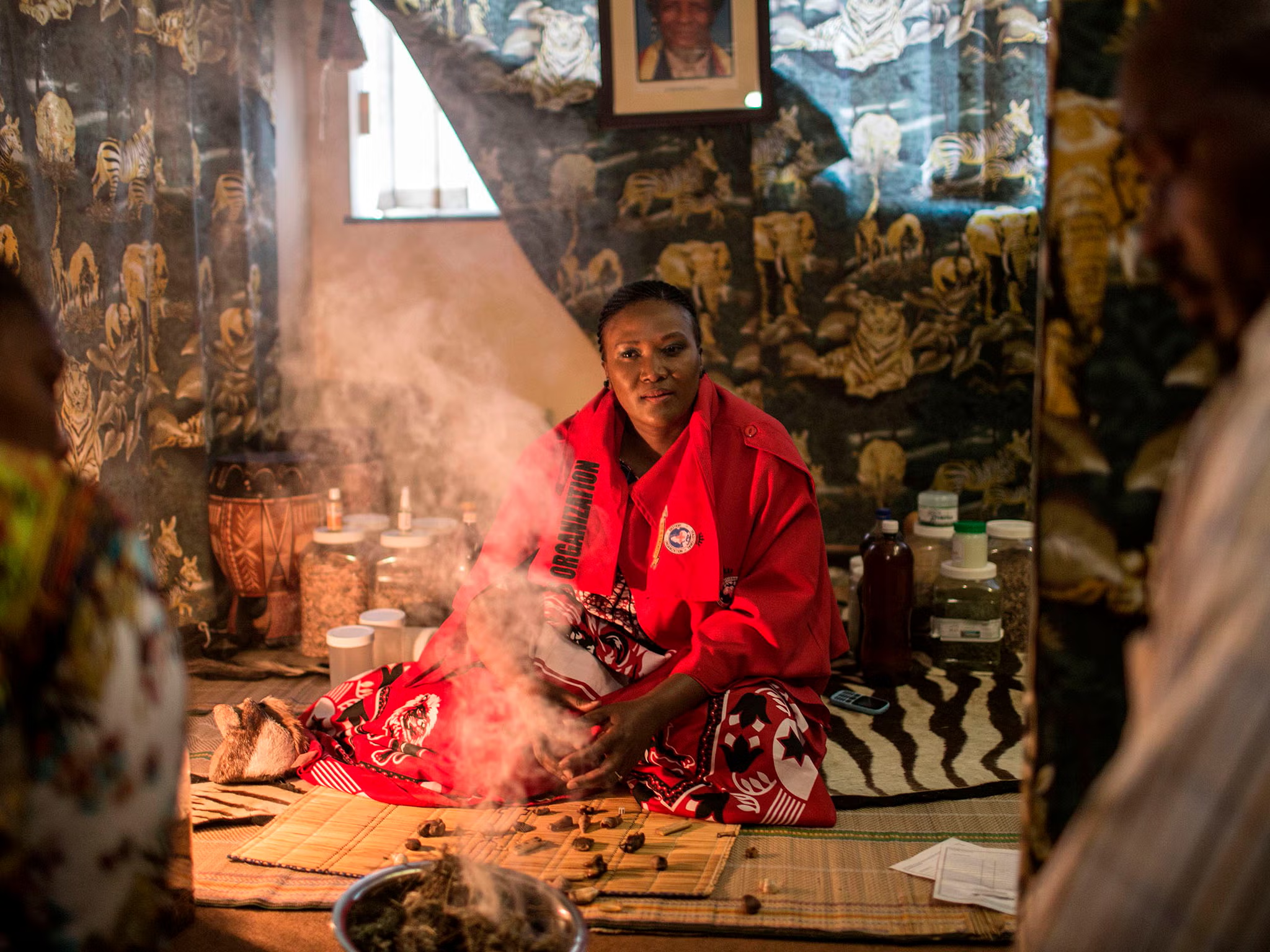
Traditional African healing is largely influenced by spiritual beliefs and community practices. Healers, often referred to as sangomas, inyangas, or herbalists, are typically seen as intermediaries between the physical world and spiritual realms. Illness is often perceived as a disturbance in the balance between a person and their ancestors or the natural world. The sangomas or healers may conduct rituals, prayer, and divination to diagnose the root causes of illness, which are often believed to be spiritual in origin.
Community and family support are central to the healing process, with healing typically being a collective effort rather than an individual pursuit. This system fosters a deep sense of interconnectedness, where the wellness of one person is linked to the wellbeing of the entire group.
Herbal Medicine
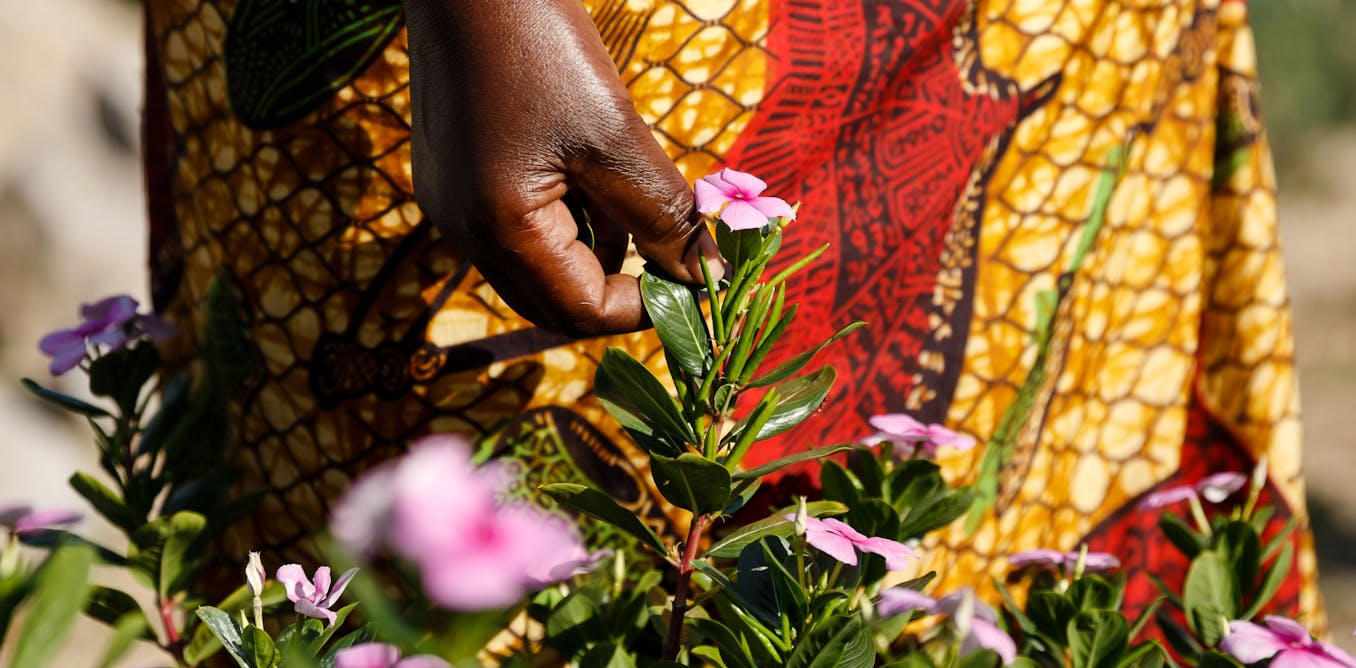
Herbal remedies play a significant role in African traditional medicine. Healers have an extensive knowledge of plants, their properties, and their healing potential, passed down through generations. Many plants that are commonly used in traditional African medicine, such as Aloe vera, Moringa, and Baobab, have proven medicinal benefits that align with modern pharmacology.
While many of these remedies are still in use today, modern medicine has begun to research and validate the properties of these plants. However, traditional healers often combine herbs with spiritual practices, which complicates the scientific validation of their effectiveness.
2. Modern Medicine: Science and Technology at the Forefront
Modern medicine, or Western medicine, is grounded in scientific research, technology, and evidence-based practices. It has made remarkable strides in the diagnosis and treatment of diseases, offering a systematic approach to healthcare. The key principles of modern medicine include the use of pharmaceuticals, surgeries, diagnostic imaging, and vaccines.
Scientific Approach
Modern medicine is based on the scientific method, which prioritizes research, data, and empirical evidence. Treatments are developed through rigorous clinical trials, ensuring that therapies are both effective and safe. Diseases are often understood through the lens of pathology, and symptoms are treated based on a diagnosis that is confirmed by advanced diagnostic tools, such as MRIs, X-rays, and blood tests.
This approach has been highly successful in treating acute conditions, infectious diseases, and injuries, saving millions of lives globally. For example, antibiotics have revolutionized the treatment of bacterial infections, while vaccines have dramatically reduced the incidence of diseases like polio and smallpox.
Technological Advancements
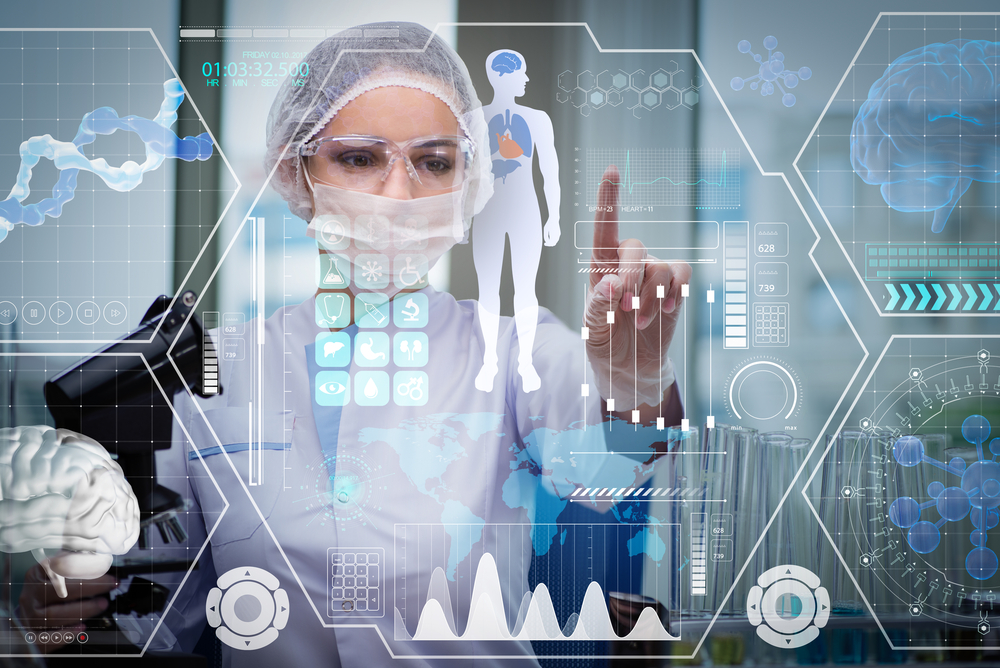
The incorporation of technology in modern medicine has drastically improved the quality of care. Machines like CT scanners, robotic surgery systems, and artificial intelligence-powered diagnostic tools are enabling healthcare professionals to diagnose and treat conditions more accurately and efficiently than ever before. This technological edge is something that traditional African medicine does not typically employ, making it less effective for certain conditions, especially those that require precise, high-tech intervention.
3. Key Differences Between Traditional African Healing and Modern Medicine
While both systems aim to promote health and alleviate suffering, their methodologies and foundational principles differ greatly. Let’s break down the key distinctions between traditional African healing practices and modern medicine.
Holistic vs. Reductionist Approaches
As mentioned earlier, African traditional healing emphasizes a holistic view of the person. It considers not just the physical body, but also the mind, spirit, and social connections. Healing is seen as a process of restoring harmony between the person, their environment, and their ancestors. This approach can be particularly beneficial in treating chronic conditions, mental health issues, and those where emotional or spiritual factors are involved.
On the other hand, modern medicine often uses a reductionist approach, treating the specific symptoms of a disease or condition in isolation. While effective for acute conditions, this approach can sometimes overlook the broader psychosocial and environmental factors that contribute to health problems. This is especially true in the treatment of chronic diseases, where lifestyle, stress, and environmental factors are integral to overall health.
Diagnosis: Spiritual vs. Scientific
One of the most significant differences between these two systems lies in diagnosis. Traditional African healers often rely on divination, spiritual rituals, and an understanding of cultural and environmental contexts to diagnose and treat illnesses. This includes interpreting dreams, observing physical symptoms, and engaging in spiritual rituals that aim to restore balance and harmony.
Modern medicine, however, uses scientific methods to diagnose conditions. This involves analyzing symptoms through physical exams, blood tests, imaging, and other technological tools to arrive at a clear diagnosis. While this method is effective for many physical ailments, it can sometimes fail to address the emotional or spiritual factors that influence health.
Treatment Modalities
In terms of treatments, African traditional medicine often uses a combination of herbal remedies, ritual practices, and community-based support. These methods are passed down through generations and are deeply intertwined with cultural beliefs. Some treatments may include plant-based remedies, massage, or therapeutic bathing rituals.
In contrast, modern medicine primarily uses pharmaceuticals, surgery, and advanced technology to treat diseases. The reliance on drugs like antibiotics, antivirals, and painkillers represents a stark departure from traditional healing practices. However, modern medicine does recognize the importance of psychological and emotional well-being, especially in areas like mental health, through therapies like cognitive-behavioral therapy (CBT) and counseling.
4. Challenges and Criticisms of Both Systems
Challenges of Traditional African Healing
One of the main criticisms of traditional African healing is the lack of scientific validation. Many remedies and treatments are not subjected to controlled clinical trials, which makes it difficult for modern medicine to verify their efficacy. Additionally, some practices may be considered unscientific or even dangerous. For instance, the use of certain herbal remedies without proper guidance can lead to poisoning or adverse reactions.
Moreover, the spiritual nature of diagnosis and treatment can sometimes delay proper medical care, particularly in cases where the illness is physical and requires immediate intervention.
Challenges of Modern Medicine
While modern medicine has undeniably transformed healthcare, it is not without its drawbacks. One major criticism is its high cost, which makes healthcare inaccessible to many, especially in low-income countries or rural areas. Additionally, the over-reliance on pharmaceuticals and surgeries can lead to side effects, addiction, or long-term health complications.
Furthermore, modern medicine sometimes fails to address the holistic nature of health. It can be overly focused on treating the disease rather than the person, neglecting the importance of mental health, social well-being, and emotional support.
5. The Potential for Integration: A Synergy of Two Worlds
Rather than viewing African traditional healing and modern medicine as opposing forces, there is growing interest in integrating the best aspects of both systems. Many African countries are beginning to recognize the value of combining traditional knowledge with modern scientific practices. This integration could take several forms:
Complementary Healing
In some cases, traditional healers and modern doctors work together to provide more comprehensive care. For example, a patient may receive treatment from a traditional healer for chronic pain or spiritual ailments while also seeking medical treatment for a specific illness or condition. This complementary approach ensures that both the body and the mind are treated with respect.
Research and Validation
In recent years, scientists have begun researching the medicinal properties of plants used in traditional African medicine. By isolating active compounds from plants like Harpagophytum (devil’s claw) and Calendula, researchers are uncovering the potential benefits of these traditional remedies. This scientific validation helps bridge the gap between the two systems and allows modern medicine to incorporate valuable treatments from traditional knowledge.
Conclusion
The comparison between Africa’s traditional healing practices and modern medicine reveals a rich tapestry of cultural wisdom, scientific advancement, and healing practices. While each system has its strengths and limitations, there is much to be gained from integrating both approaches. As the world continues to evolve, the dialogue between traditional healers and modern doctors will likely become more important, offering patients a more comprehensive and personalized approach to healthcare.
In the end, both traditional and modern healing systems share the same ultimate goal: to promote health, alleviate suffering, and restore balance. By embracing the strengths of both worlds, we can create a healthcare system that is more inclusive, accessible, and effective for all.