
Africa, long perceived as a continent defined by its challenges rather than its opportunities, is now emerging as a global powerhouse in renewable energy. This transformation is not the result of a single policy or breakthrough; it is the product of a perfect storm of geography, demographics, technology, and ambition. Across the continent, governments, private investors, and local communities are aligning to harness Africa’s vast renewable energy potential. From solar deserts to wind-swept coasts, from geothermal hotspots to innovative hydropower projects, Africa is shaping a future where energy abundance and sustainability go hand in hand.
1. The Renewable Energy Landscape in Africa
Africa’s renewable energy potential is nothing short of staggering. The continent boasts some of the highest solar irradiance in the world, vast wind corridors along its coasts, untapped geothermal resources in the Rift Valley, and an abundance of rivers suitable for hydroelectric power. Yet, until recently, much of this potential remained dormant.
The energy sector across Africa has traditionally relied on fossil fuels, biomass, and imported energy. Many regions faced chronic power shortages, unreliable grids, and high costs of electricity. This energy poverty created a fertile ground for renewable energy adoption. Unlike regions with already established grids and energy infrastructure, Africa had the advantage of starting fresh. With fewer entrenched fossil fuel dependencies, renewable energy could leapfrog traditional energy models, much like mobile banking leapfrogged traditional banking across the continent.
2. Solar Energy: Africa’s Brightest Star
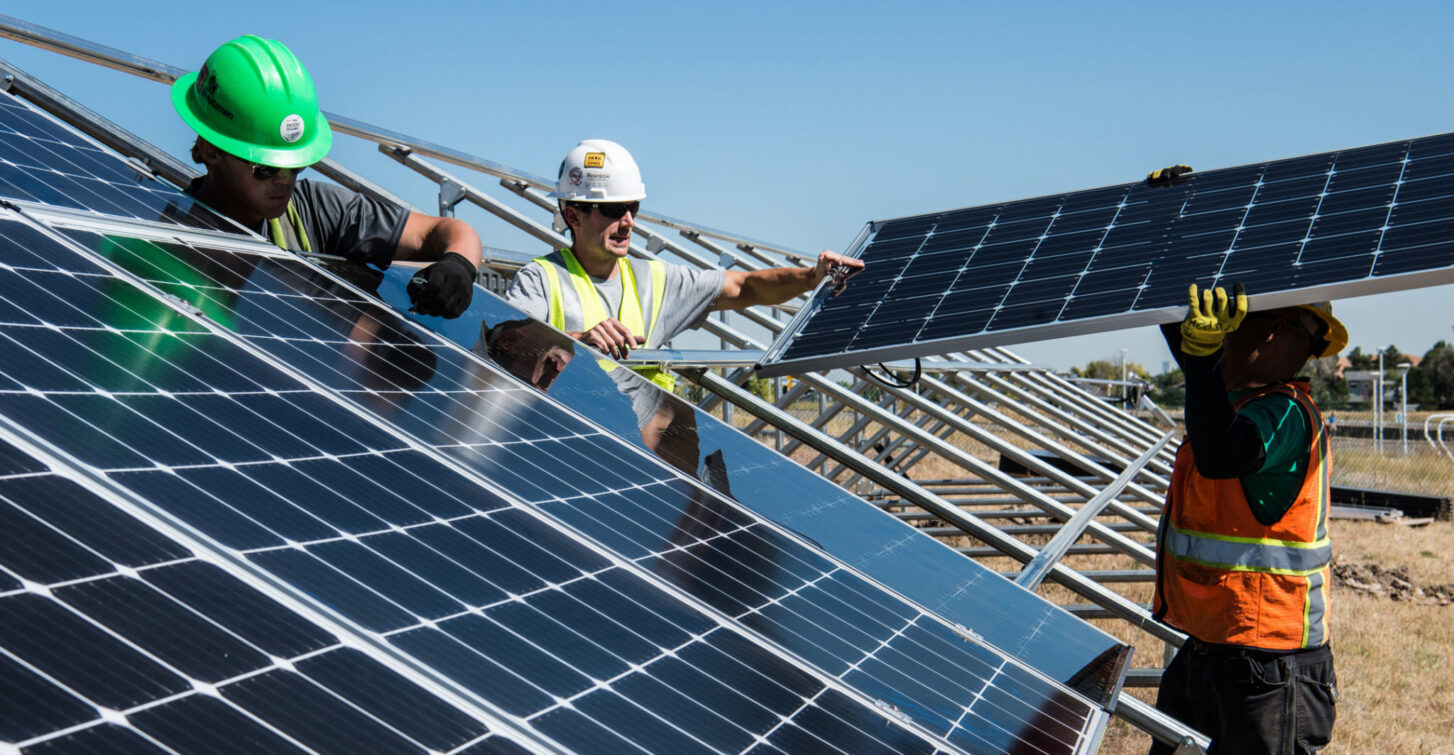
The story of African renewables begins with the sun. The Sahara Desert, the Kalahari, and vast expanses of sub-Saharan Africa receive some of the highest levels of solar radiation in the world, making solar energy a natural choice. Solar photovoltaic (PV) panels and concentrated solar power (CSP) plants are becoming increasingly common, with countries like Morocco, Egypt, South Africa, and Kenya leading the way.
Morocco’s Noor Solar Complex, for instance, is one of the largest concentrated solar power plants globally, demonstrating how desert landscapes can be transformed into energy hubs. Similarly, South Africa’s Renewable Energy Independent Power Producer Procurement Programme (REIPPPP) has successfully attracted both local and foreign investment, stimulating competition and innovation in the solar sector.
But solar energy in Africa is not limited to massive desert projects. Off-grid solar solutions are revolutionizing rural communities. Millions of Africans now have access to solar home systems, mini-grids, and solar-powered devices that provide lighting, refrigeration, and connectivity. This decentralized approach bypasses the need for expensive national grids and empowers local communities with energy independence.
3. Wind Power: Harnessing Africa’s Breezes
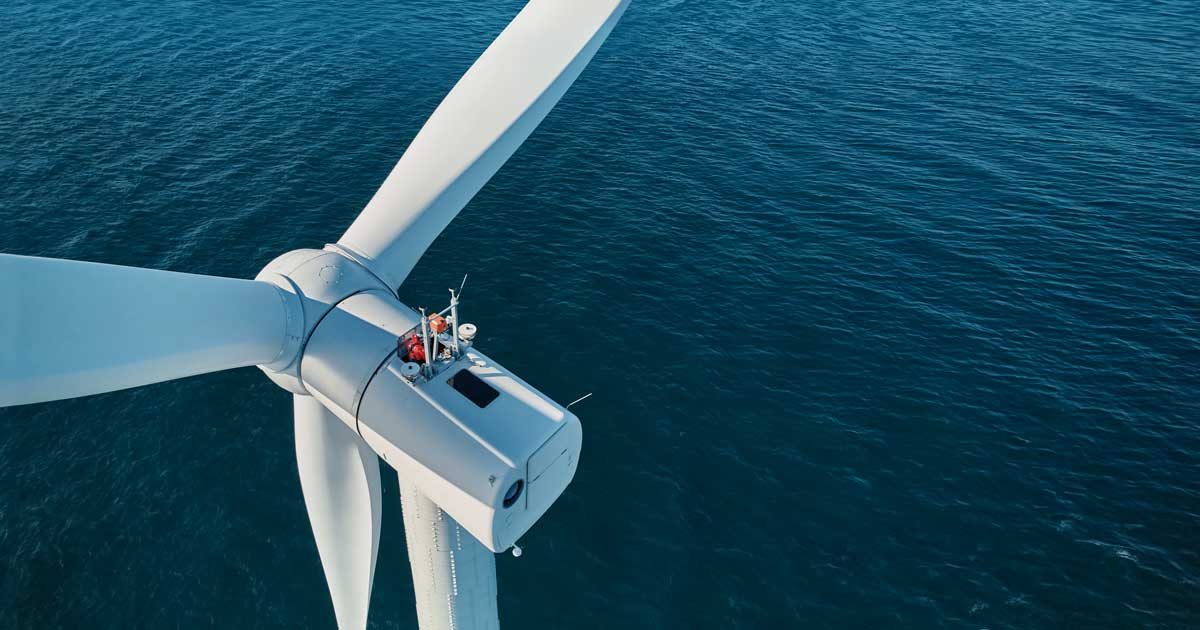
Wind energy is another cornerstone of Africa’s renewable energy revolution. Coastal nations like South Africa, Morocco, Egypt, and Kenya possess ideal conditions for wind farms. The continent’s wind potential is estimated to be over 110 gigawatts, enough to power tens of millions of homes.
Kenya has become a regional leader in wind energy with the Lake Turkana Wind Power Project, the largest in Africa. This project alone adds 310 megawatts to Kenya’s national grid and has created thousands of jobs in the region. South Africa, meanwhile, has leveraged the windy conditions along its western and southern coasts to develop some of the most efficient wind farms on the continent.
Wind power complements solar energy remarkably well. While solar peaks during the day, wind often blows strongest at night or during different seasons. Together, these two technologies offer a more stable, reliable renewable energy supply, capable of powering industries, homes, and cities across Africa.
4. Geothermal Energy: Tapping Africa’s Inner Heat
The East African Rift Valley, stretching from Ethiopia to Kenya and beyond, sits on a geologically active zone rich in geothermal resources. Geothermal energy offers a constant, base-load power supply, unlike the intermittency challenges faced by solar and wind energy.
Kenya is a global pioneer in geothermal energy in Africa. The Olkaria Geothermal Plant, one of the largest in the world, provides roughly 800 megawatts of electricity and demonstrates the potential of tapping the Earth’s internal heat. Ethiopia, Djibouti, and Rwanda are following suit, investing in geothermal exploration and development.
Geothermal energy is particularly attractive because it provides consistent electricity without relying on weather conditions. For African economies striving for industrialization, reliable power is crucial, making geothermal energy a strategic asset.
5. Hydropower: Water as a Renewable Engine
Africa is home to major river systems, from the Nile to the Congo, offering tremendous hydropower potential. Hydropower currently accounts for the largest share of renewable electricity generation on the continent. Large-scale projects like Ethiopia’s Grand Renaissance Dam and the Inga Dam in the Democratic Republic of Congo are poised to provide gigawatts of electricity, potentially transforming regional energy markets.
Small- and medium-scale hydropower projects also play a crucial role, particularly in rural and semi-urban areas. These projects are less disruptive to ecosystems and allow for localized energy independence. By combining large-scale and decentralized hydropower solutions, Africa can achieve energy security while minimizing environmental impact.
6. Innovative Financing Models and Investment
One of the major reasons Africa is leading in renewable energy is its innovative approach to financing. Traditional energy projects often require enormous capital and lengthy bureaucratic approval processes. African countries have embraced public-private partnerships, international funding, and climate finance mechanisms to accelerate renewable energy deployment.
Programs like the African Renewable Energy Initiative (AREI) and the Green Climate Fund provide crucial funding for renewable projects. Additionally, private investors see Africa as a high-growth frontier market. Startups and energy companies are using creative business models, from pay-as-you-go solar systems to energy-as-a-service platforms, to reach underserved populations.
By lowering financial barriers and distributing risk, Africa is making renewable energy investment not only feasible but highly attractive for global capital.
7. Technological Leapfrogging: Africa’s Advantage
Africa’s renewable energy revolution is fueled by a willingness to leapfrog older technologies. Instead of building centralized fossil fuel power plants and extensive grid infrastructure, many African countries are embracing distributed energy systems. Microgrids, solar home systems, and hybrid renewable solutions are allowing energy access to reach even the most remote communities.
Digital technologies are accelerating this transition. Smart meters, mobile payments, and data-driven energy management systems are enabling more efficient energy distribution. Startups are combining artificial intelligence, blockchain, and Internet of Things (IoT) technology to create energy solutions tailored to Africa’s unique context.
This leapfrogging approach is allowing Africa to avoid the mistakes of more developed regions, such as over-reliance on coal or inefficient centralized grids, and position itself as a global leader in 21st-century energy solutions.
8. Environmental and Societal Impacts
The environmental benefits of Africa’s renewable energy transition are immense. By reducing dependence on fossil fuels, the continent is cutting carbon emissions, improving air quality, and contributing to global climate goals. Renewable energy also helps mitigate the environmental degradation associated with mining and fuel extraction.
Socially, renewable energy is a game-changer. Millions of Africans gain access to electricity, which supports education, healthcare, and entrepreneurship. For instance, solar-powered refrigeration enables vaccine storage in remote clinics, while reliable electricity allows small businesses to thrive beyond daylight hours. Women, often burdened with collecting firewood, benefit disproportionately from clean energy access, freeing up time for education, work, and family.
9. Regional Collaboration and Policy Initiatives
African nations are increasingly collaborating to expand renewable energy capacity across borders. The African Union and regional power pools, such as the Southern African Power Pool and the West African Power Pool, are facilitating electricity trade and grid interconnection. This cooperation allows countries with abundant renewable resources to supply energy to neighbors facing shortages, creating a more resilient and integrated energy network.
Policy initiatives are equally crucial. Governments are implementing feed-in tariffs, tax incentives, and renewable energy quotas to stimulate investment. Regulatory frameworks are evolving to attract private participation while ensuring sustainability and affordability.
10. Challenges and Obstacles
Despite remarkable progress, Africa faces significant challenges in becoming a renewable energy leader. Infrastructure gaps, political instability, and limited technical expertise remain hurdles. Financing, while improving, is still insufficient to meet the continent’s enormous energy potential.
Intermittency of solar and wind energy requires investment in storage solutions, such as batteries and pumped hydro storage, to ensure stable electricity supply. Furthermore, integrating renewable energy into existing grids demands careful planning, advanced technology, and skilled labor.
Nevertheless, Africa’s successes thus far demonstrate that these challenges are surmountable. Innovative solutions, community involvement, and international cooperation are helping to overcome barriers, showing that renewable energy leadership is not just possible but achievable.
11. Africa as a Global Renewable Energy Leader
Africa’s renewable energy trajectory offers lessons for the rest of the world. The continent combines natural abundance, demographic advantage, innovative finance, and technological agility to drive unprecedented growth in renewables. Africa is not merely participating in the global energy transition; it is leading it in specific domains—particularly in off-grid solar solutions, wind power development, and geothermal energy exploitation.
The narrative around Africa is shifting from scarcity to abundance. Countries like Morocco, Kenya, South Africa, and Ethiopia demonstrate that renewable energy is not just an environmental imperative but an economic opportunity. Africa is poised to export not just energy but expertise, technology, and innovation in renewable energy solutions.
12. The Future Outlook
Looking ahead, Africa’s renewable energy sector is expected to grow exponentially. By 2030, the continent could generate hundreds of gigawatts from solar, wind, geothermal, and hydro sources. Energy storage, grid modernization, and regional integration will further strengthen the reliability and reach of renewable energy.
Moreover, Africa’s youth population—dynamic, tech-savvy, and entrepreneurial—will drive the next wave of renewable energy innovation. Startups in solar, wind, and microgrid technology are already reshaping markets, creating jobs, and improving quality of life. With continued investment, supportive policies, and international collaboration, Africa is not just catching up; it is charting a new course in global energy leadership.
13. Conclusion
Africa’s rise as a renewable energy leader is a story of opportunity, ingenuity, and resilience. By leveraging its abundant natural resources, adopting innovative technologies, and implementing forward-looking policies, the continent is transforming energy access and sustainability. Renewable energy is reshaping Africa’s economic landscape, empowering communities, and positioning the continent as a key player in the global energy transition.
The journey is far from complete, and challenges remain. Yet, the trajectory is clear: Africa is not just participating in the renewable energy revolution—it is leading it. For investors, policymakers, and innovators worldwide, the continent offers a living laboratory of renewable energy solutions, blending creativity, ambition, and determination to power the future.
Africa’s renewable energy story is just beginning, and it promises to illuminate the path to a sustainable, prosperous world.