








Introduction: A Continent on the Move, A Planet Holding Its Breath
Over the past two decades, Africa has entered one of the fastest-growing mining expansions in modern history. From cobalt in the Democratic Republic of Congo (DRC) and platinum in South Africa to lithium in Zimbabwe and iron ore in Sierra Leone, the continent has become the beating heart of global mineral supply chains. These minerals feed our smartphones, electric vehicles, solar panels, green-energy grids, aerospace systems, and defense technologies.
Yet behind the roaring engines of global progress lies another, more complex story—one involving ecosystems pushed to their limits, rivers that no longer run clear, species that disappear before being documented, and communities trapped between economic opportunity and environmental vulnerability.
This article examines the environmental impacts of Africa’s mining boom in depth. It draws connections across ecology, climate science, geography, and extractive-sector economics to give a comprehensive, professional, yet engaging overview that goes well beyond surface-level observations.
The point is not to criticize mining itself. Mining is essential. Modern civilization cannot function without metals and minerals.
But the way mining expands, especially in rapidly developing regions with delicate ecosystems, vastly different governance capacities, and strong global demand pressure, determines whether Africa’s mineral wealth becomes a path to sustainable development—or a trap of irreversible degradation.
1. Land Degradation: When the Earth Itself Is Consumed
1.1 Open-Pit Mining: Africa’s New Artificial Landscapes
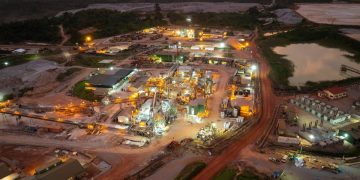
Africa’s mining boom is primarily driven by large-scale open-pit mining. These pits can stretch kilometers wide and hundreds of meters deep—geological wounds visible from space. Countries like Zambia, Botswana, Ghana, and the DRC have rapidly multiplied such sites.
Environmental mechanisms of land degradation include:
- The removal of vegetation and topsoil
- Alteration of natural drainage patterns
- Soil erosion and sediment displacement
- Long-term sterilization of land for agriculture or settlement
What makes African landscapes especially vulnerable is their fragile biomes—savanna, semi-arid woodland, miombo forest, and tropical forest all recover slowly from disturbance compared to temperate regions.
1.2 Habitat Fragmentation: Islands of Life in Seas of Extraction
Mining infrastructure—roads, pipelines, seismic survey tracks, worker settlements, and machinery corridors—break formerly continuous ecosystems into isolated fragments.
This reduces biodiversity by:
- Limiting animal migration
- Reducing genetic diversity
- Increasing edge effects (exposure to predators and invasive species)
- Shrinking viable habitats for large mammals
Elephants in Central and Eastern Africa, for example, increasingly encounter barriers created by mining roads. These roads unintentionally assist poachers by providing new access points deep into forests.
1.3 Artisanal Mining and Expanding Degradation
Artisanal and small-scale mining (ASM), practiced by millions across Africa, contributes massively to land disturbance. With limited regulation and tools, miners often dig haphazard pits that turn into:
- Unstable erosion channels
- Water-filled hazards
- Breeding grounds for mosquitoes (impacting malaria incidence)
The scale is huge: thousands of small mines can cumulatively degrade more land than a single industrial operation.
2. Water Resources Under Pressure: Rivers, Lakes, Wetlands, and Aquifers at Risk
Water is Africa’s greatest ecological asset—and its most threatened resource under mining expansion.
2.1 Acid Mine Drainage (AMD): Chemistry That Outlives Civilizations
Acid mine drainage occurs when sulfide minerals exposed during mining react with air and water to produce sulfuric acid. This acid mobilizes heavy metals (arsenic, lead, mercury, cadmium) which then flow into rivers and groundwater.
AMD is not a short-term issue. Once triggered, it can continue for centuries unless aggressively managed.
Countries particularly affected:
- South Africa (coal and gold mines)
- Ghana (gold mines along river systems)
- Zambia (copper belt seepage)
The acidic water disrupts aquatic life and renders rivers unsafe for drinking, irrigation, and livestock.
2.2 Heavy Metal Contamination: Invisible but Persistent
Heavy metals released during mining embed themselves in:
- Sediments
- Wetland soils
- Fish tissue
- Agricultural produce
- Human organs
They do not degrade over time. Instead, they accumulate and travel up food chains.
Notorious hotspots include:
- The Katanga Copperbelt in the DRC
- Gold mining regions in Burkina Faso
- Mercury-contaminated rivers in Cameroon and Mozambique
Long-term exposure, even at low concentrations, can cause neurological damage, developmental disorders, and chronic disease.
2.3 Water Over-Extraction: When Mines Drink the Future
Mining requires enormous water volumes for:
- Ore processing
- Dust suppression
- Cooling systems
- Worker use
In arid and semi-arid regions—like Namibia, Botswana, and parts of South Africa—this extraction lowers water tables and dries up wetlands.
Communities often find:
- Wells no longer reaching groundwater
- Streams turning seasonal
- Irrigation becoming impossible
When agriculture shrinks, food security shrinks with it.
3. Air Pollution: Dust, Emissions, and Invisible Danger
3.1 Dust Storms of the Mining Belt
Mining operations generate immense quantities of airborne particulate matter (PM2.5 and PM10). In dry African environments, these fine particles can remain suspended for long periods, traveling across towns and agricultural areas.
Impacts include:
- Reduced respiratory health
- Lower crop productivity due to blocked leaf pores
- Increased frequency of asthma and bronchitis
- Reduced visibility affecting transportation
3.2 Toxic Gases and Smelter Emissions
Where minerals are processed locally—especially copper, nickel, platinum, and manganese—smelters emit:
- Sulfur dioxide
- Nitrogen oxides
- Carbon monoxide
- Volatile organic compounds
Persistent exposure contributes to acid rain, which damages crops and corrodes building materials.
3.3 The Climate Connection: Mining as a Carbon-Intensive Industry
Mining is energy-hungry. Many African mines rely on diesel generators or coal-based electricity. As a result:
- Mining contributes significantly to national carbon footprints
- It often competes with renewable energy goals
- Transport of minerals adds additional emissions
Ironically, minerals needed for the global green transition (lithium, cobalt, copper) often come with a substantial carbon cost.
4. Biodiversity Loss: The Silent Erosion of Life
Africa is home to some of the richest and most unique ecosystems on Earth. Many of the continent’s mining hotspots overlap with biodiversity hotspots.
:max_bytes(150000):strip_icc()/coal-mine-1143855907-28571d0d4c3f46a98ada9026637df31a.jpg)
4.1 Threats to Forest Ecosystems
Mining actions that threaten forests include:
- Clearing for exploration
- Road construction
- Logging (legal and illegal)
- Worker settlement expansion
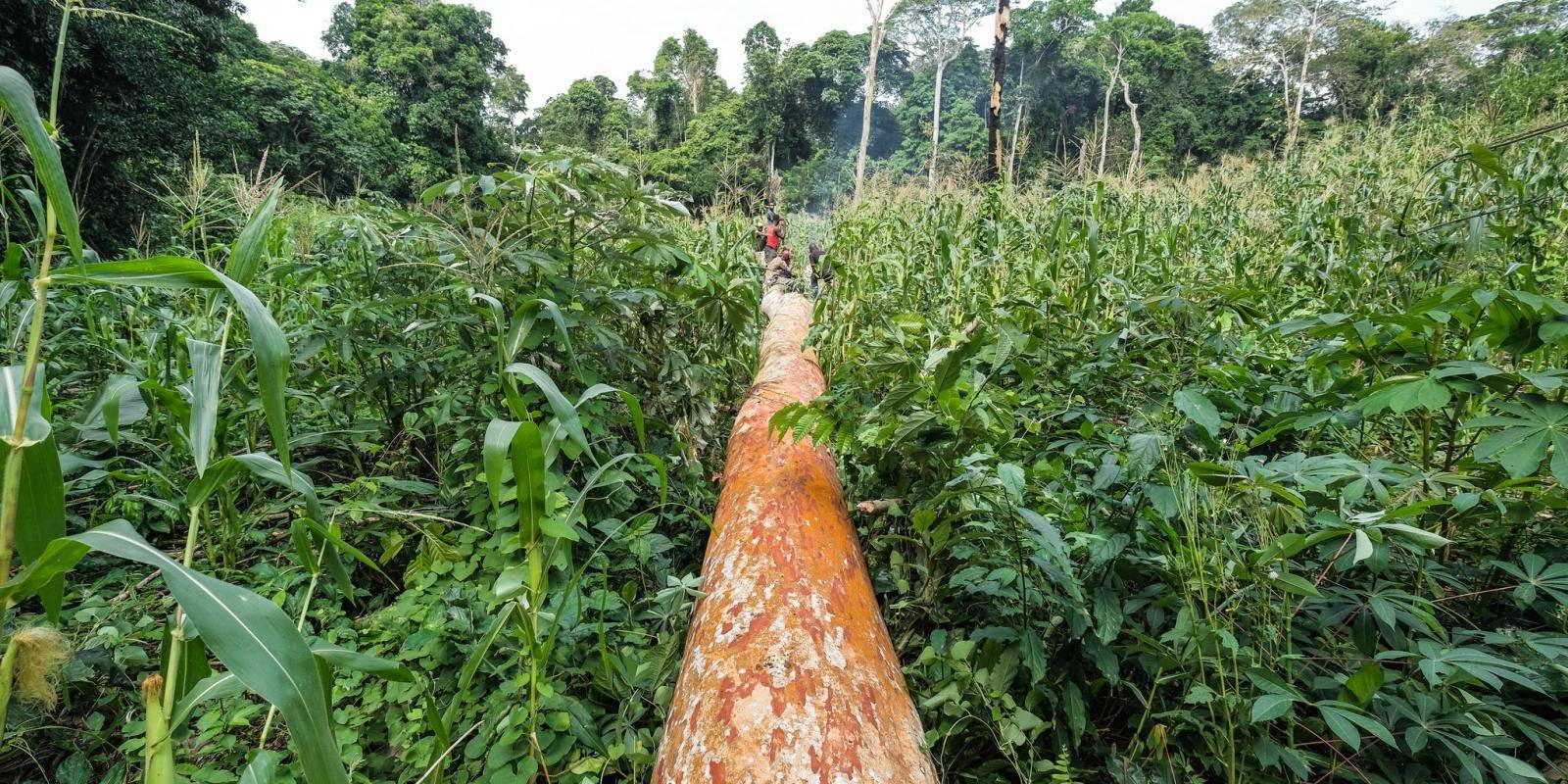
Forests in Ghana, Guinea, Liberia, and the DRC have experienced measurable canopy loss directly tied to mining. As canopy disappears:
- Soil becomes drier
- Wildlife becomes exposed
- Microclimates collapse
4.2 Impacts on Wildlife: From Insects to Elephants
Mining affects animal populations through:
- Habitat destruction
- Noise and light pollution
- Contaminated water sources
- Increased human presence
For instance:
- Primates in West Africa lose breeding territories
- Fish species in Lake Victoria and Zambezi tributaries decline due to sedimentation
- Endemic amphibians near forested mountains face extinction due to mining runoff
4.3 Invasive Species and Ecological Imbalance
Mining corridors often introduce invasive plant species carried by equipment and vehicles. These species:
- Outcompete native flora
- Reduce soil fertility
- Alter fire regimes
When combined with human disturbance, ecosystems may shift permanently.
5. Waste Management: Tailings, Dumps, and Toxic Legacies
Mining waste is arguably the most severe and long-lasting environmental risk.
5.1 Tailings Dams: The Sleeping Giants
Tailings dams hold slurry containing:
- Heavy metals
- Processing chemicals
- Fine sediments
Failures can release millions of tons of toxic sludge.
Africa’s rapid mining expansion has led to:
- Aging dams
- Under-regulated tailings design
- Minimal emergency preparedness
A major failure in a highly biodiverse region could be ecologically catastrophic.
5.2 Radioactive Waste from Uranium and Rare Earth Mines
Countries like Namibia and Malawi process uranium and rare earth elements, generating:
- Radioactive dust
- Contaminated wastewater
- Long-lived isotopic residues
In areas with low regulatory enforcement, radioactive waste threatens communities for generations.
5.3 Waste Rock Dumps: Slow Chemical Time Bombs
Even “inactive” waste rock continues to:
- Leach contaminants
- Trigger acidification
- Alter soil chemistry
Buried beneath these piles, natural vegetation has virtually no chance of regeneration.
6. Socio-Environmental Impacts: Where Ecology and Humanity Meet
6.1 Community Health Challenges
Mining communities face:
- Elevated respiratory illness
- Heavy metal poisoning
- Contaminated drinking water
- Food insecurity due to polluted croplands
Children and pregnant women are especially vulnerable.
6.2 Resource Conflict and Displacement
Mining can lead to:
- Forced relocations
- Land disputes
- Encroachment on indigenous territories
- Conflict between artisanal miners and large companies
Environmental decline often fuels social tensions.
6.3 Gendered Impacts: Women in Mining Zones
Women bear disproportionate burdens:
- Increased childcare responsibility when health declines
- Loss of clean water sources needed for household tasks
- Economic vulnerability when farmland is degraded
Yet women are often excluded from mining-related decision-making.
7. Case Studies: Patterns Across the Continent
7.1 The Copperbelt Katanga (DRC & Zambia)
Challenges include:
- Extreme soil metal concentrations
- Contaminated drinking sources
- Air pollution from smelters
- Rapid, unplanned urbanization
The region’s ecosystem has fundamentally changed over 60 years of mining.
7.2 Ghana’s Gold Belt
Key issues:
- Mercury contamination from artisanal activity
- Deforestation in forest reserves
- Siltation of rivers affecting cocoa farms
- Conflicts between local miners and forest authorities
Ghana faces the dual challenge of modern industrial mining and hundreds of thousands of artisanal miners.
7.3 Guinea’s Bauxite Boom
Environmental consequences:
- Loss of farmland
- Sediment-heavy runoff into rivers
- Dust pollution affecting towns
- Mangrove degradation along the coast
Bauxite mining reshapes landscapes on an industrial scale.
7.4 Southern Africa’s Platinum Group Metals (PGM) Fields
Challenges:
- High water use
- Toxic tailings
- Smog and sulfur emissions
- Aquifer depletion
South Africa’s PGM mines operate in ecologically sensitive grassland biomes.
8. Climate Change Feedback Loops: Mining in a Warming Africa
Africa is warming faster than the global average. Mining interacts with climate change in mutually reinforcing ways.
8.1 Vulnerability of Mining Regions
Many mining zones lie in:
- Drought-prone areas
- Flood-sensitive river basins
- Coastal zones threatened by sea-level rise
Climate impacts increase the risk of tailings failure, water shortages, and infrastructure damage.
8.2 Mining’s Contribution to Climate Stress
Through:
- Energy demand
- Deforestation
- Land degradation
- Carbon-intensive transport
Mining unintentionally magnifies climate stressors already affecting rural communities.
8.3 Renewable Transition: Paradox or Opportunity?
Africa’s minerals are essential for decarbonization. But mining itself is not yet green.
The challenge:
How to supply the world’s clean-energy materials without degrading Africa’s ecosystems?
Solutions require:
- Cleaner extraction technologies
- Renewable-powered mines
- Circular economy practices
- Smarter land management
9. Regulatory Challenges: Why Environmental Protection Struggles
9.1 Weak Enforcement and Monitoring
Many African governments lack:
- Sufficient inspectors
- Real-time monitoring equipment
- Transparent reporting mechanisms
Even strong laws can fail without implementation.
9.2 Conflicting Economic Pressures
Mining revenues fund:
- Infrastructure
- Social programs
- Government budgets
This economic dependency makes strict environmental enforcement politically difficult.
9.3 Informal and Artisanal Mining Complexity
ASM exists outside regulatory frameworks. Efforts to formalize ASM often fail, leaving environmental damage unchecked.
9.4 Influence of Multinational Corporations and Global Demand
High global demand creates incentives for:
- Rapid licensing
- Expanded production
- Delayed environmental impact assessments
Local ecosystems bear the cost of global consumption.
10. Emerging Solutions: Pathways Toward Sustainable Mining in Africa
Despite the challenges, positive developments are emerging.
10.1 Green Mining Technologies
Innovations include:
- Low-energy ore processing
- Zero-liquid-discharge systems
- Tailings recycling
- Bioremediation using bacteria and plants
These technologies reduce pollution and resource use.
10.2 Integrated Water Management
Approaches such as:
- Closed-loop water cycles
- Tailings dry stacking
- Aquifer recharge systems
help protect water resources in arid regions.
10.3 Biodiversity Offsets and Conservation Corridors
Some mining companies work with ecological groups to:
- Fund wildlife reserves
- Protect forest patches
- Maintain migration corridors
- Restore degraded areas post-mining
Results vary, but the trend is promising.
10.4 Community Partnerships
Sustainable mining increasingly requires:
- Transparent dialogue
- Local benefit-sharing
- Environmental monitoring committees
- Gender-inclusive policies
Communities must be active partners, not passive victims.
10.5 Responsible Supply Chains
The global push for:
- Traceability
- Ethical sourcing
- ESG compliance
encourages companies to adopt higher environmental standards.
11. The Future: A New Environmental Contract for Africa
Africa’s mining boom represents one of the most important economic transformations of the 21st century. But environmental costs are rising faster than mitigation measures. The continent faces a fundamental question:
Can Africa become the world’s green-energy mineral powerhouse without sacrificing its natural heritage?
The answer depends on decisions made now—by governments, companies, communities, and global consumers.
A sustainable future is possible if:
- Ecological protection becomes central to law and practice
- Cleaner technologies replace outdated methods
- Water and land are managed with long-term foresight
- Biodiversity is valued as highly as mineral wealth
- Communities receive not just compensation, but co-ownership in environmental management
Mining does not have to destroy Africa’s environment. But without deliberate action, the continent risks trading one form of dependency for another—this time with its ecosystems paying the price.
Africa stands at a crossroads where development and conservation must no longer be adversaries. The world depends on Africa’s minerals; Africa depends on its environment. The two must coexist.
The mining boom is an opportunity—but only if environmental stewardship becomes its foundation rather than its afterthought.