






Healthcare is a universal need, yet it remains a daunting challenge in rural Africa. Despite global technological advancements and policy reforms, millions of Africans continue to face barriers in accessing basic medical services. The root of the problem is multi-layered: geographic isolation, inadequate infrastructure, a shortage of trained professionals, and socio-economic disparities. However, African communities are not merely passive victims of these challenges. Across the continent, innovative solutions, community-driven initiatives, and adaptive strategies are emerging, demonstrating a remarkable resilience that may eventually transform rural healthcare. This article delves into the multifaceted challenges, innovative solutions, and the prospects for overcoming the barriers to healthcare in rural Africa.
The Landscape of Rural Healthcare in Africa
Rural Africa is a mosaic of diverse cultures, geographies, and health challenges. Yet, certain themes recur across the continent. Clinics are often located far from villages, roads are poorly maintained, and transportation is scarce. A patient may need to travel for hours on unpaved roads just to receive basic care. In emergencies, this delay can be fatal. The scarcity of healthcare facilities is compounded by a shortage of trained medical personnel. Many doctors and nurses prefer urban centers with better pay and living conditions, leaving rural communities with skeleton staff and overworked healthcare providers.
In addition, rural populations often contend with poverty, food insecurity, and limited education—all factors that exacerbate health vulnerabilities. Malaria, maternal mortality, HIV/AIDS, and neglected tropical diseases remain rampant in these areas. While urban centers witness rapid improvements in healthcare, rural regions lag behind, highlighting the urgent need for innovative, community-focused solutions.
Major Challenges Facing Rural Healthcare
1. Geographic and Infrastructure Barriers
One of the most obvious hurdles is the sheer distance to healthcare facilities. Villages scattered across remote regions often lack paved roads and reliable transportation. Seasonal floods or droughts can further isolate communities, leaving them vulnerable to disease outbreaks.
Infrastructure extends beyond roads. Clinics are often poorly equipped, lacking essential medical supplies, electricity, and clean water. The absence of reliable cold chains makes it difficult to store vaccines, while diagnostic tools are scarce, delaying accurate treatment. Even when facilities exist, patients may need to travel long distances for basic laboratory tests.
2. Workforce Shortages and Skills Gaps
Healthcare is only as strong as the people who provide it. Rural Africa suffers from a chronic shortage of trained medical personnel. According to various estimates, the doctor-to-population ratio in rural areas can be as low as 1:50,000. Nurses and midwives are similarly scarce, leaving traditional healers or untrained assistants to fill the gap.
Moreover, the lack of professional development opportunities, poor remuneration, and challenging living conditions discourage trained personnel from staying in rural areas. This not only affects immediate healthcare delivery but also limits the long-term development of sustainable healthcare systems.
3. Economic and Social Constraints
Poverty is a formidable barrier. Even when healthcare services are available, many rural Africans cannot afford the associated costs, including transportation, medication, or hospital fees. Social and cultural factors also play a role. In some regions, mistrust of formal medicine or reliance on traditional healers can delay the seeking of professional medical care.
Gender inequality further complicates the picture. Women, often primary caregivers in rural households, may lack autonomy to make healthcare decisions for themselves or their children. Education gaps amplify these problems, reducing awareness of preventive measures and timely medical interventions.
4. Disease Burden and Public Health Challenges
Rural Africa bears a disproportionate burden of both communicable and non-communicable diseases. Malaria, tuberculosis, HIV/AIDS, and neglected tropical diseases thrive in under-resourced communities. Maternal and infant mortality rates remain high, partly due to inadequate prenatal care and insufficient emergency obstetric services.
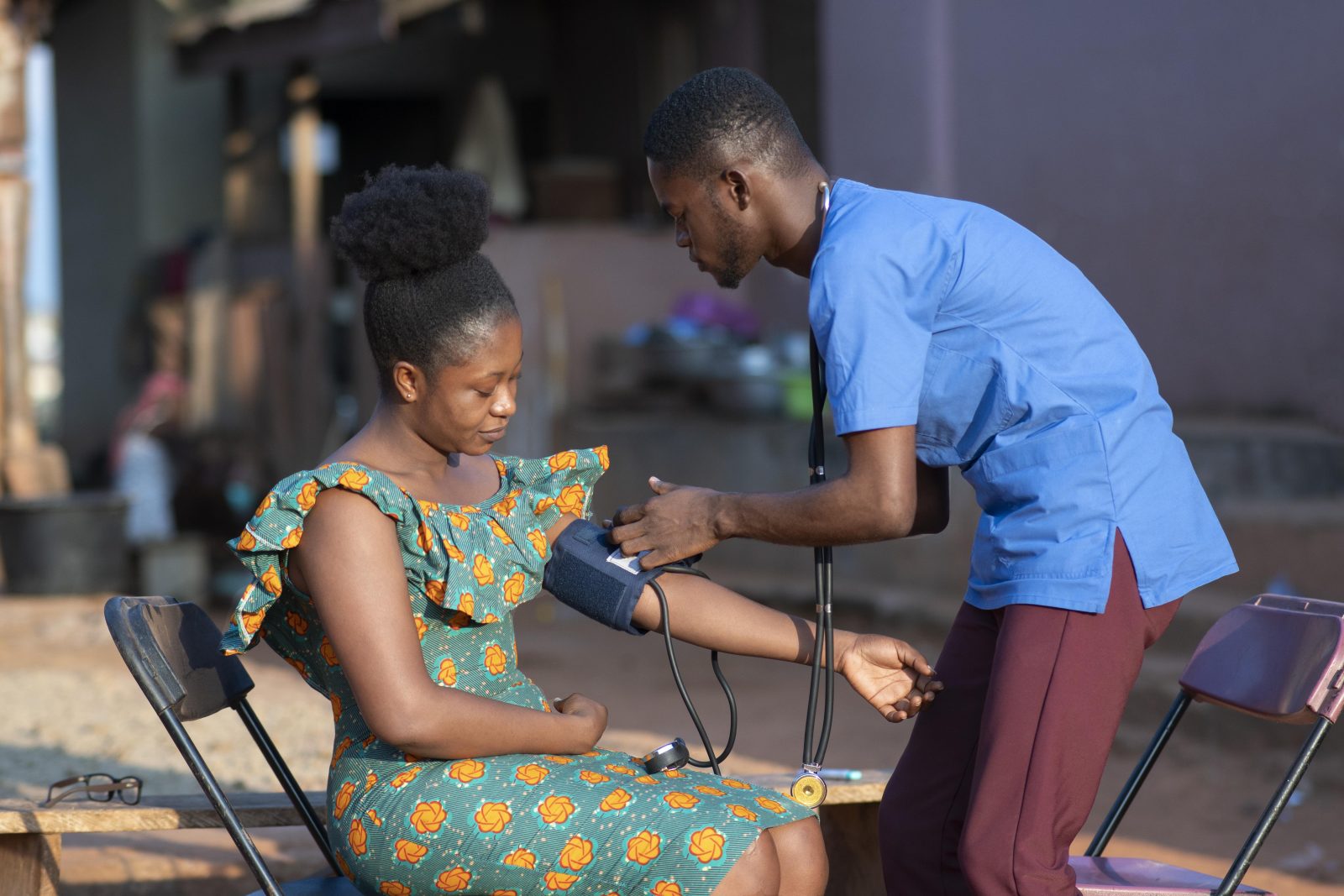
Simultaneously, lifestyle-related diseases such as diabetes, hypertension, and cardiovascular conditions are emerging in rural populations, challenging healthcare systems that are historically geared toward infectious disease management. This dual burden places an enormous strain on already limited resources.
Strategies for Overcoming Challenges
Despite these obstacles, African communities are adopting innovative and pragmatic approaches to improve rural healthcare. The strategies range from leveraging technology to empowering local communities.
1. Community Health Workers (CHWs)
Community health workers are a cornerstone of rural healthcare solutions. Often recruited from within the communities they serve, CHWs act as a bridge between formal healthcare systems and local populations. They provide preventive care, basic treatments, health education, and referrals for more complex medical needs.
Countries such as Ethiopia and Rwanda have successfully deployed CHW programs, significantly improving maternal and child health outcomes. CHWs reduce the burden on overstretched clinics and bring healthcare closer to patients’ homes, making care more accessible and culturally relevant.
2. Mobile Clinics and Telemedicine
Mobile clinics and telemedicine have revolutionized rural healthcare access. Mobile units equipped with diagnostic tools, medications, and health professionals can travel to remote villages, delivering care that would otherwise be unavailable. Telemedicine allows rural patients to consult urban specialists via phone or video, reducing the need for long and expensive journeys.
Technological innovations, such as drone delivery of medical supplies, are gaining traction in countries like Ghana and Rwanda. These drones transport vaccines, blood samples, and essential medicines to remote communities, bypassing poor road infrastructure and shortening delivery times.
3. Public-Private Partnerships
Public-private partnerships (PPPs) have emerged as powerful tools for strengthening healthcare infrastructure. Governments, NGOs, and private companies collaborate to build clinics, provide training, and implement health programs. By combining resources and expertise, PPPs enhance efficiency, sustainability, and reach.
For instance, partnerships between tech companies and health ministries have introduced digital health records, mobile health apps, and supply chain management systems that improve patient tracking and medical logistics.
4. Traditional Medicine Integration
Traditional healers hold a respected place in many rural African societies. Rather than sidelining them, integrating traditional medicine with modern healthcare can enhance community acceptance and expand access. Training traditional healers in basic hygiene, disease recognition, and referral protocols helps bridge the gap between conventional medicine and local cultural practices.
Such integration fosters trust, encourages timely medical consultation, and respects cultural heritage—an approach that purely Western healthcare models often overlook.

5. Health Education and Community Engagement
Empowering communities through health education is crucial. Awareness campaigns about hygiene, nutrition, vaccination, and disease prevention can dramatically reduce morbidity and mortality. Schools, religious institutions, and local media serve as platforms to disseminate knowledge effectively.
Engaging community leaders and members in healthcare planning ensures solutions are context-specific and culturally sensitive. When communities take ownership of health initiatives, sustainability improves, and interventions are more likely to succeed.
6. Innovative Financing Models
Financial barriers often prevent rural Africans from accessing healthcare. Innovative financing models, such as microinsurance, community health funds, and mobile payment platforms, help make care affordable. These models pool resources, spread risk, and ensure that even low-income households can afford essential services.
For example, mobile money platforms in Kenya and Tanzania enable households to save for medical emergencies, pay for insurance premiums, or access teleconsultation services with minimal hassle.
Success Stories Across the Continent
Several African countries have demonstrated remarkable progress in rural healthcare through innovation and community-driven strategies:
- Rwanda: The country’s extensive community health worker program has drastically reduced maternal and child mortality. Rwanda also uses drones to deliver vaccines to remote areas, setting a global example in healthcare logistics.
- Ethiopia: Health extension workers provide primary care in rural regions, including maternal health, immunizations, and disease prevention. Ethiopia’s model emphasizes local recruitment, training, and community engagement.
- Ghana: Mobile clinics and telemedicine initiatives have improved access to healthcare in hard-to-reach areas. Public-private partnerships have enhanced infrastructure and medical supply chains.
- Kenya: Mobile health platforms and digital payment systems enable rural patients to consult doctors, receive prescriptions, and pay for healthcare using their phones. This approach bridges the urban-rural healthcare gap effectively.
- South Africa: Integration of traditional healers into formal healthcare systems promotes cultural acceptance and increases the likelihood of patients seeking timely medical care.
These examples demonstrate that, while challenges are formidable, they are not insurmountable. With innovation, investment, and community engagement, rural healthcare in Africa can improve significantly.
The Role of Policy and Governance
Effective policies and governance are critical to sustaining rural healthcare improvements. Governments must prioritize equitable healthcare distribution, invest in infrastructure, and ensure regulatory frameworks support innovation. Policies should address workforce retention, fair remuneration, and professional development to encourage healthcare professionals to serve in rural areas.
Moreover, governments can incentivize private sector involvement through tax benefits, grants, or co-funding initiatives. Transparent governance ensures that resources reach intended beneficiaries, reducing corruption and inefficiency, which are common barriers in healthcare delivery.
Future Prospects and Emerging Trends
Looking forward, rural healthcare in Africa is poised for transformation. Several emerging trends signal a positive trajectory:
- Digital Health Expansion: Smartphones, telemedicine, and electronic health records will continue to bridge urban-rural disparities. AI-driven diagnostics may further enhance access to specialist care in remote regions.
- Renewable Energy Solutions: Solar-powered clinics and portable energy systems address the electricity shortage problem, enabling the operation of diagnostic equipment and refrigeration for vaccines.
- Youth Engagement: Africa’s youthful population can be mobilized as community health advocates, volunteers, and tech innovators. Their involvement ensures long-term sustainability and infuses healthcare initiatives with fresh ideas.
- Cross-Border Collaboration: Regional partnerships can facilitate knowledge exchange, resource sharing, and coordinated responses to epidemics and natural disasters.
- Resilient Supply Chains: Advanced logistics, including drones and smart inventory systems, will ensure consistent delivery of medicines and vaccines, even during emergencies.
Challenges That Remain
Despite progress, significant hurdles persist. Political instability, climate change, and recurring epidemics pose serious threats. Additionally, health inequalities remain stark, with marginalized communities continuing to experience poorer outcomes. Sustained effort, multi-sectoral collaboration, and continued innovation are essential to address these systemic issues.
Conclusion
Can African communities overcome the challenges of rural healthcare? The answer is cautiously optimistic. While geographic, economic, and systemic barriers are formidable, innovative solutions, community engagement, and supportive policies demonstrate that progress is possible. African communities are not passive recipients of aid—they are active architects of solutions. From community health workers and mobile clinics to telemedicine and financial innovations, multiple pathways exist to improve access, quality, and outcomes in rural healthcare.
The journey is neither quick nor easy, but the trajectory is promising. With sustained investment, adaptive strategies, and local empowerment, rural Africa can redefine its healthcare landscape, ensuring that no one is left behind, regardless of distance or socio-economic status. The story of rural healthcare in Africa is evolving—one of resilience, creativity, and the unwavering belief that every community deserves access to quality healthcare.