







The African continent, often overshadowed by other global tech hubs like Silicon Valley, is rapidly emerging as a powerhouse for innovation and entrepreneurship. With its youthful population, growing internet penetration, and increasingly favorable business environments, Africa has the potential to be the next big thing in the global startup ecosystem. As the world becomes more interconnected, Africa’s unique challenges also create opportunities that could propel the continent into the limelight as a hub for tech startups.
A Youthful and Dynamic Population
One of the primary factors driving Africa’s rise in tech innovation is its young and rapidly growing population. According to the United Nations, more than 60% of Africa’s population is under the age of 25. This demographic advantage is a goldmine for tech startups, as young people are typically more open to new technologies and innovative solutions. With mobile penetration on the rise and increased access to the internet, Africa’s youth are becoming tech-savvy consumers and creators.
Moreover, this demographic boom has spurred a culture of entrepreneurship across the continent. In countries like Nigeria, Kenya, South Africa, and Egypt, young people are increasingly launching their own startups, finding innovative ways to address local problems using technology. Africa’s youth have embraced the gig economy and digital platforms, and many are venturing into tech fields like software development, fintech, e-commerce, and agritech.
The Rise of Digital Infrastructure
Access to reliable internet and affordable mobile devices has been a game-changer for African tech startups. The rise of 4G networks, with 5G networks on the horizon, has paved the way for faster and more efficient communication, collaboration, and business operations. In many African countries, mobile phones are not just for communication but have become essential tools for daily life, used for everything from banking to education, healthcare, and entertainment.
Platforms like mobile money (e.g., M-Pesa in Kenya) have proven the power of digital innovation, providing financial services to millions of people who are otherwise excluded from traditional banking systems. This has given rise to a wave of fintech startups looking to tap into an underbanked population and revolutionize financial inclusion. The success of such platforms has shown that Africa is ready for a tech-driven transformation, where startups can solve pressing societal challenges and create new opportunities for economic growth.
The digital infrastructure in Africa is steadily improving, with investments pouring in from governments, private companies, and international organizations. Many African governments are embracing tech-driven policies to support the startup ecosystem, offering tax breaks, funding opportunities, and incentives to attract entrepreneurs and investors. For instance, Rwanda has emerged as one of the most forward-thinking countries on the continent, implementing initiatives to become a leading tech hub in Africa. The government’s focus on technology and innovation has attracted significant investment, particularly in the fields of artificial intelligence and blockchain.

Africa’s Growing Startup Ecosystem
Over the past decade, the African startup ecosystem has been steadily growing, with more and more tech entrepreneurs launching innovative solutions to address the continent’s unique challenges. Cities like Lagos, Nairobi, Cape Town, Cairo, and Accra are emerging as key startup hubs, attracting attention from both local and international investors.
Nigeria’s Lagos is often referred to as Africa’s Silicon Valley. It is home to a burgeoning tech scene that includes a wide variety of startups, from those focused on mobile payment systems and e-commerce to those providing logistics and healthcare services. Lagos has seen a significant increase in venture capital investment, with global firms such as Sequoia Capital and Andreessen Horowitz showing interest in African startups.
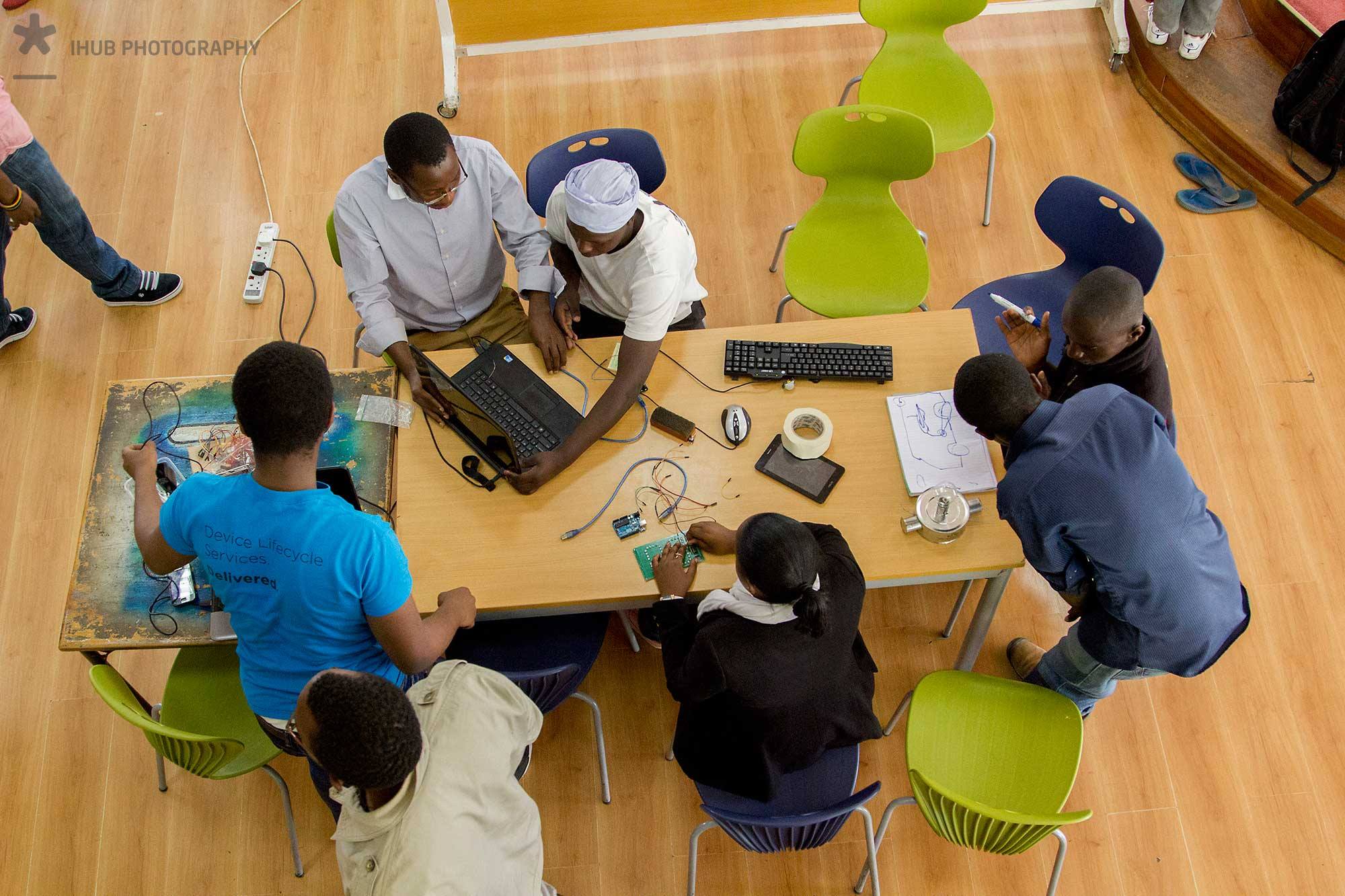
Kenya’s capital, Nairobi, has gained recognition for its innovation in mobile technology. M-Pesa, the mobile money platform that has revolutionized financial transactions across East Africa, originated in Nairobi and is a prime example of how a simple idea can transform an entire industry. Additionally, Nairobi’s thriving tech ecosystem is supported by organizations such as the iHub, which provides workspace and networking opportunities for tech entrepreneurs.
South Africa, with its robust infrastructure and business-friendly environment, has long been a leading player in Africa’s startup ecosystem. Cape Town and Johannesburg have become hotspots for tech innovation, particularly in fields like fintech, edtech, and healthtech. South Africa is also home to numerous accelerators and incubators, such as the Silicon Cape Initiative, which supports early-stage startups with mentorship, funding, and resources.
Investment Trends and Global Interest
The growing interest in African tech startups has led to an increase in investment from both local and international venture capital (VC) firms. According to data from Partech Ventures, African tech startups raised over $4 billion in 2022 alone, with Nigeria, South Africa, Kenya, and Egypt receiving the majority of the funding. This funding surge is a sign that investors are increasingly confident in Africa’s potential as a tech hub.
International interest in Africa’s tech scene is also on the rise. Global firms like Google, Microsoft, and Facebook have made significant investments in the continent, either by setting up innovation hubs, providing grants, or partnering with local entrepreneurs. In 2021, Microsoft announced plans to establish four new African data centers in Nigeria, South Africa, and Kenya, further demonstrating the potential for growth in the region.
Silicon Valley has also shown increasing interest in African startups. Andreessen Horowitz, a well-known VC firm, has invested in several African companies, such as Paystack, a Nigerian fintech company that was acquired by Stripe in 2020. This acquisition was a significant milestone, demonstrating the growing global recognition of the potential of African tech companies.
Despite this growth, however, the funding gap remains one of the biggest challenges for African startups. While there is growing interest from international investors, the amount of venture capital available to African entrepreneurs is still relatively small compared to regions like North America and Europe. Many African startups also struggle to access early-stage funding, which is crucial for growth and scaling. But as more success stories emerge, this gap is likely to close over time, with more investors realizing the long-term potential of Africa’s startup ecosystem.
Tech Solutions to Africa’s Unique Challenges
One of the main reasons African startups are gaining traction is their ability to create tech solutions that address the continent’s unique challenges. Africa faces numerous issues, such as poverty, inadequate healthcare, poor infrastructure, and a lack of access to quality education. These challenges present opportunities for tech entrepreneurs to create solutions that improve the lives of millions of people.
For example, agritech startups in Africa are finding innovative ways to address food security and support smallholder farmers. Companies like Twiga Foods (Kenya) and Farmcrowdy (Nigeria) are leveraging technology to improve supply chains, reduce food wastage, and increase access to agricultural inputs. Similarly, edtech startups are helping bridge the education gap in remote and underserved communities by providing affordable online learning resources, such as Andela (Nigeria) and M-Shule (Kenya).
Healthcare is another sector where tech startups are making a significant impact. In countries like Uganda and Tanzania, startups are developing mobile health applications that provide affordable medical advice, diagnosis, and prescriptions to underserved populations. Companies like LifeQ (South Africa) are also using AI and machine learning to develop wearable health technology that helps people track and monitor their health, particularly in remote areas with limited access to healthcare professionals.
The Challenges Ahead
Despite the enormous potential, there are several challenges that African tech startups must overcome to fully realize their potential. The funding gap remains one of the biggest obstacles, as many startups struggle to secure the capital they need to scale. Additionally, regulatory frameworks across the continent are often fragmented and inconsistent, which can make it difficult for startups to navigate and scale across borders.
Another challenge is the lack of skilled talent in certain areas, particularly in emerging technologies like artificial intelligence and blockchain. While Africa has a wealth of untapped potential in its young population, many countries face a shortage of trained professionals in fields like software development, data science, and machine learning. However, this is gradually changing, with more African universities and online platforms offering tech-focused training and certifications.
Finally, Africa’s infrastructure, although improving, still lags behind other regions in terms of reliability and scalability. Power outages, limited internet access in rural areas, and logistical challenges can all impede the growth of tech startups. However, many entrepreneurs are finding creative solutions to overcome these barriers, such as using solar-powered internet hotspots or leveraging mobile technology to reach underserved populations.
Conclusion
Africa is poised to become the next global hub for tech startups. With a young, dynamic population, growing internet access, and an increasing number of success stories, the continent is ripe for innovation. While challenges remain, the opportunity for entrepreneurs and investors to tap into Africa’s tech potential is immense. As Africa continues to embrace digital transformation, it will undoubtedly shape the future of the global tech industry in the years to come.