







Brazil is known for many things: football, Carnival, the Amazon Rainforest, and, of course, coffee. The Brazilian coffee industry holds a unique place in the global market, not just for its size, but for the depth of its influence and historical legacy. From the coffee plantations scattered across the vast Brazilian countryside to the rich, nuanced flavors found in a cup, Brazil’s coffee industry is an undeniable powerhouse in the global coffee trade.
A Rich Legacy: The Birth of Coffee in Brazil
The story of Brazil’s coffee dominance dates back to the early 18th century, when coffee was first introduced to the country. Though the plant originally came from Africa, it was Brazil’s unique geography, climate, and soil that transformed the country into the coffee giant it is today.
Coffee cultivation started in the northeastern state of Bahia but truly flourished in the state of São Paulo, and later in Minas Gerais. By the 19th century, Brazil had firmly established itself as the world’s largest coffee producer, a title it would hold for nearly two centuries. Today, it remains the largest producer of coffee globally, accounting for about a third of all coffee grown worldwide.
The rise of coffee as a key agricultural product in Brazil was tied to the country’s colonial economy. Coffee quickly became the lifeblood of Brazil’s agricultural sector, helping shape its history, economy, and even its social structure. The expansion of coffee plantations, especially in the 19th and early 20th centuries, transformed the economy and turned Brazil into a global economic force.
Brazil’s Coffee Landscape: The Varieties and Regions
Brazil’s coffee industry is vast, encompassing a range of coffee varieties grown across multiple regions, each with distinct climates, altitudes, and harvesting methods. These regional differences contribute to Brazil’s wide variety of coffee profiles, making it not only a powerhouse in terms of quantity but also in quality.
Coffee Varieties: Arabica vs. Robusta
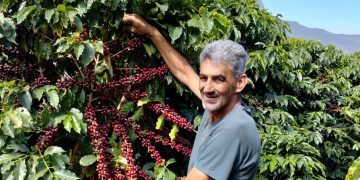
Brazil’s coffee market is dominated by two main varieties: Arabica and Robusta. Arabica beans, which are generally regarded as higher quality, make up about 70-80% of Brazil’s coffee production. These beans are known for their smooth, complex flavor profile, often characterized by a mild acidity and floral notes.
On the other hand, Robusta beans, which are considered more bitter and have a higher caffeine content, make up a smaller portion of Brazil’s coffee production. Robusta is typically grown in regions with lower altitudes and is often used for instant coffee or espresso blends, where a stronger, more robust flavor is desired.
Brazil’s dominance in the global coffee market is largely attributed to its production of Arabica beans, which are sought after by specialty coffee roasters worldwide. However, Robusta also plays a significant role in the country’s coffee industry, particularly in the domestic market.
Coffee Regions
Brazil’s coffee regions are as diverse as the country itself. The most notable coffee-producing areas are Minas Gerais, São Paulo, Espírito Santo, and Bahia. Each region produces beans with distinct flavor profiles due to variations in altitude, rainfall, and soil composition.
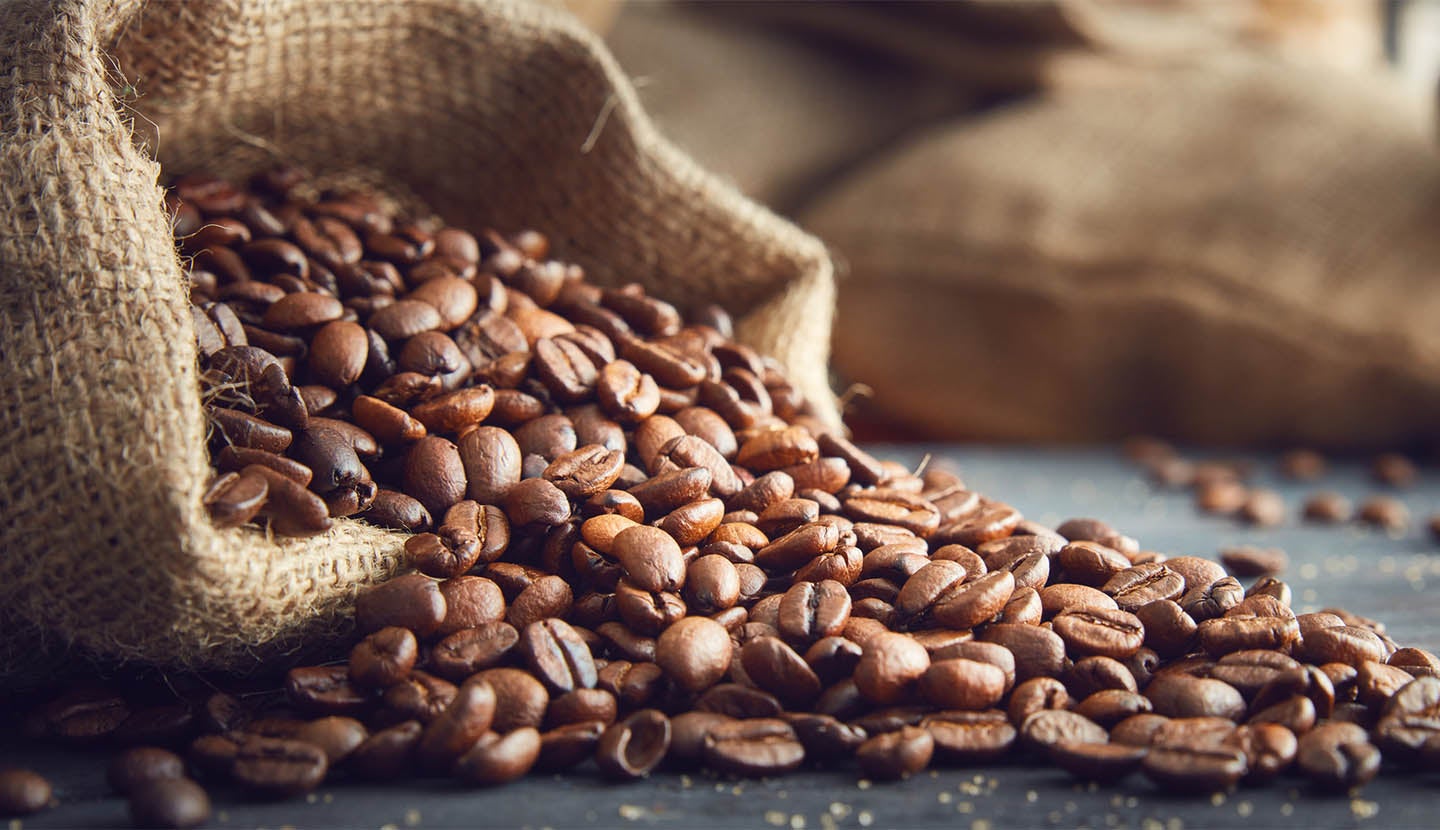
- Minas Gerais: Located in the southeastern part of Brazil, Minas Gerais is the largest coffee-producing state in the country and is renowned for its high-quality Arabica beans. The region’s unique topography, with its rolling hills and mild climate, provides the perfect environment for coffee cultivation.
- São Paulo: As one of the historic coffee-growing regions, São Paulo was one of the first states to establish coffee plantations. The state is known for producing beans with a balanced flavor profile, often with a mild sweetness and light acidity.
- Espírito Santo: This state is famous for its robust Robusta production, which is in high demand for both local consumption and export to countries like Italy. While not as renowned for its Arabica coffee, Espírito Santo’s Robusta beans are highly valued for their full-bodied, earthy flavors.
- Bahia: The state of Bahia produces both Arabica and Robusta beans, with its Arabica coffee known for a fruity, vibrant flavor profile, often with hints of chocolate and nuts. Bahia is also recognized for experimenting with new processing methods and cultivating sustainable coffee.
Brazil’s Coffee Economy: From Plantations to Exportation
Brazil’s coffee industry is not just about cultivation; it is a highly complex system of processing, exportation, and trade that involves millions of farmers, workers, and companies. Coffee production in Brazil operates on a large scale, with both large estates and small family-owned farms contributing to the overall supply.
Coffee Processing: The Art of Quality
Once the coffee cherries are harvested, they undergo several processing steps before being exported. Brazil is known for its innovative and efficient processing methods, which are a key factor in maintaining the high quality and consistency of its coffee.
- Dry Processing: One of the most common methods in Brazil, dry processing involves laying the coffee cherries out in the sun to dry. This process helps develop a fuller body and a more pronounced sweetness in the beans. Dry processing is particularly popular in the country’s drier regions.
- Wet Processing: Wet processing, which involves removing the coffee cherry’s outer layers before drying the beans, results in a cleaner, brighter flavor. This method is often used in regions with higher humidity and rainfall.
- Natural Processing: Brazil also experiments with natural or honey processing methods, which combine both dry and wet techniques. This results in coffees with unique flavor profiles, such as added sweetness, fruitiness, and complexity.

Exportation: A Global Network
Brazil’s coffee industry has a well-established export network, with coffee being shipped to every corner of the world. The country’s coffee exports have played a crucial role in shaping global coffee consumption patterns. Major coffee importers include the United States, Germany, Italy, and Japan. The global demand for Brazilian coffee is driven by its accessibility, reliability, and the consistent quality of its beans.
Brazil’s coffee export market is heavily dependent on large multinational corporations as well as smaller, specialty coffee roasters. The rise of third-wave coffee culture, which emphasizes high-quality, ethically sourced beans, has resulted in greater demand for Brazil’s premium coffee varieties. Specialty coffee from regions like Minas Gerais and São Paulo is particularly sought after by roasters aiming to showcase the unique flavors of Brazilian coffee.
Sustainability and Innovation: Brazil’s New Focus
In recent years, Brazil’s coffee industry has embraced sustainability and innovation, responding to both environmental challenges and changing consumer preferences. As the global coffee market becomes more focused on ethical sourcing and environmental responsibility, Brazil has made significant strides toward producing coffee in a more sustainable and environmentally friendly way.
Sustainable Farming Practices
Brazil’s coffee farmers have increasingly adopted sustainable farming practices, such as using organic fertilizers, minimizing pesticide use, and preserving biodiversity in coffee-growing regions. These practices are not only beneficial for the environment but also help improve the long-term health of coffee plants, leading to higher-quality beans.
Additionally, many Brazilian coffee farms are engaging in fair-trade practices, ensuring that farmers receive fair compensation for their work. This has led to increased international interest in Brazilian coffee, particularly among consumers who value sustainability and social responsibility.
Technological Advancements
Innovation in technology has also played a significant role in Brazil’s coffee industry. From automated harvesting machines to precision irrigation systems, new technologies have helped improve efficiency and quality in coffee production. These innovations allow Brazilian farmers to respond more effectively to climate change, optimize production, and reduce waste.
Brazil is also experimenting with new processing methods and alternative crops to diversify its agricultural economy. For example, researchers are exploring the potential of growing coffee at higher altitudes and in different soil types, in order to adapt to changing climate conditions.
Brazil and the Future of Coffee
Looking forward, Brazil’s coffee industry will continue to evolve, driven by consumer demands for higher quality, sustainable sourcing, and more innovative farming practices. The country’s vast resources, experienced workforce, and legacy in the coffee industry position it to remain a dominant player in the global coffee market for the foreseeable future.
With increasing attention to the environmental impact of coffee cultivation, Brazil’s coffee industry faces the challenge of balancing growth with sustainability. However, the country’s commitment to innovation, ethical practices, and environmental stewardship suggests that Brazil will continue to lead the way in the coffee world.
In conclusion, Brazil’s coffee industry is a global powerhouse not only because of its size but because of its continued ability to adapt, innovate, and meet the evolving demands of the coffee world. From its historical roots in colonial agriculture to its position as the world’s largest coffee exporter, Brazil’s influence in the coffee industry is undeniable. Whether through its diverse coffee regions, its commitment to sustainability, or its focus on quality, Brazil will undoubtedly remain at the forefront of the global coffee market for years to come.