






In the face of escalating climate change, Europe stands at the crossroads of a crucial energy transformation. With ambitious goals to become carbon-neutral by 2050, the European Union (EU) has committed to a sweeping renewable energy transition. Yet, despite this bold vision, the speed at which these changes are being implemented raises questions about whether Europe is moving fast enough to meet its environmental and economic targets. In this article, we will explore the challenges and opportunities shaping Europe’s renewable energy journey, considering the pace of change, the barriers to progress, and the innovations that could accelerate the transition.
A Vision for the Future: Europe’s Green Deal and Renewable Energy Goals
In 2019, the European Commission introduced the European Green Deal, a blueprint for transforming Europe into a climate-neutral continent by 2050. This ambitious plan outlines a series of targets, including the decarbonization of energy, increased reliance on renewable sources, and a shift towards a more sustainable and circular economy. At its core, the Green Deal aims to reduce greenhouse gas emissions to net-zero levels by mid-century and to dramatically increase the share of renewable energy in the energy mix.
One of the key targets is the goal of achieving 40% of energy consumption from renewable sources by 2030, up from 32% in 2020. By 2050, the EU hopes to have completely decarbonized its electricity sector, with renewable sources—such as wind, solar, hydro, and biomass—taking the lead. The transition also aligns with global commitments under the Paris Agreement, which calls for limiting global warming to below 2°C, ideally to 1.5°C, compared to pre-industrial levels.
But is this ambitious target achievable? And, more importantly, is Europe moving fast enough to meet its goals?
The Pace of Change: Is Europe Moving Quickly Enough?
As Europe strives to meet its renewable energy targets, one of the central issues is the pace of progress. While there has been significant growth in renewable energy deployment, many experts argue that the transition is happening too slowly, especially considering the urgency of addressing climate change.
- Renewable Energy Growth
The adoption of renewable energy sources in Europe has seen steady growth over the last two decades. Wind and solar power have become central to the continent’s energy landscape, with countries like Germany, Spain, and Denmark leading the charge. The EU’s renewable energy consumption reached 22.1% in 2020, marking an important step towards the 32% target for 2030. However, there is a significant gap between the current pace of deployment and the necessary acceleration needed to meet future targets. - Energy System Transformation
Transitioning to renewable energy requires more than just adding new solar panels or wind turbines. It involves a full-scale transformation of Europe’s energy infrastructure, from grid modernization to energy storage solutions. The renewable energy industry faces the challenge of integrating intermittent sources like wind and solar into the existing energy system, which was designed for centralized fossil fuel-based power generation. Advanced grid technologies, energy storage, and smart grids will be necessary to ensure stability and reliability. - Political and Regulatory Hurdles
While the EU has set clear renewable energy targets, the political and regulatory landscape across member states can be fragmented. Policy inconsistency, regulatory hurdles, and delays in permitting renewable energy projects often slow down progress. Additionally, public opposition to large-scale renewable projects, such as wind farms, can lead to lengthy legal battles and slow deployment. - Investment and Funding
To transition to a green energy future, Europe needs substantial investment in renewable technologies, infrastructure, and research. While there is some progress, the pace of financial commitment has not always matched the scale of ambition. For example, despite the EU’s emphasis on green investment, renewable energy projects still face funding gaps, particularly in the most capital-intensive areas like offshore wind and energy storage.
Challenges to Accelerating the Transition
While the need for accelerated action is clear, there are several significant obstacles to speeding up Europe’s renewable energy transition.
- Energy Security and Geopolitics
The geopolitical landscape is a critical factor in Europe’s renewable energy ambitions. The ongoing energy crisis, exacerbated by the Russian invasion of Ukraine, has highlighted the EU’s dependence on imported fossil fuels. Europe has been forced to accelerate its transition to renewables in an effort to reduce its reliance on external energy sources, but the political and economic challenges of shifting energy imports, diversifying supply chains, and maintaining energy security have made the transition more complex. - Infrastructure and Grid Capacity
Europe’s energy infrastructure is not yet equipped to handle a fully renewable energy system. Upgrading grid capacity, especially for the integration of offshore wind farms and solar parks, is a monumental task. The grid in many parts of Europe is still outdated, and many countries lack the necessary transmission networks to move renewable energy from production hubs to where it is needed most. - Public Perception and Social Acceptance
Public opposition to renewable energy projects is another roadblock to rapid implementation. While many Europeans support the idea of renewable energy in principle, local opposition to specific projects—such as wind farms or solar parks—is often intense. NIMBYism (Not In My Backyard) has been a significant challenge in countries like Germany and France, where communities have resisted the construction of renewable energy infrastructure due to concerns over aesthetics, noise, and environmental impact. - Energy Storage and Intermittency
One of the fundamental challenges of renewable energy is the intermittency of supply. Wind doesn’t always blow, and the sun doesn’t always shine, making it difficult to guarantee a constant supply of energy. While energy storage technologies like batteries and pumped hydro storage have made significant advances, large-scale storage solutions are still limited. Without breakthroughs in energy storage, Europe may struggle to integrate high levels of renewable energy into the grid. - Cost Considerations
The initial costs of transitioning to renewable energy can be daunting, particularly in the case of large-scale infrastructure projects like offshore wind farms or energy storage facilities. While the cost of renewables has been steadily declining, the transition still requires significant upfront investments in research, development, and technology. Furthermore, the financial strain of the COVID-19 pandemic and the current economic pressures on EU countries may make governments hesitant to fully commit to long-term renewable projects.
Innovative Solutions and Technologies Driving the Transition
While the transition may be slower than desired, there are numerous innovations on the horizon that could help accelerate Europe’s renewable energy shift.
- Green Hydrogen
Green hydrogen—hydrogen produced using renewable energy—has emerged as a promising solution for decarbonizing sectors that are difficult to electrify, such as heavy industry and long-haul transport. Europe is investing heavily in hydrogen technology, with several major projects underway to scale up green hydrogen production. If successful, green hydrogen could serve as a versatile and carbon-free energy carrier, complementing renewable electricity and enabling deeper decarbonization. - Offshore Wind Power
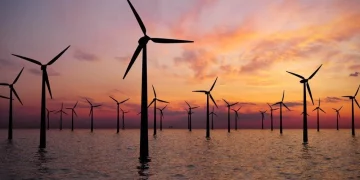
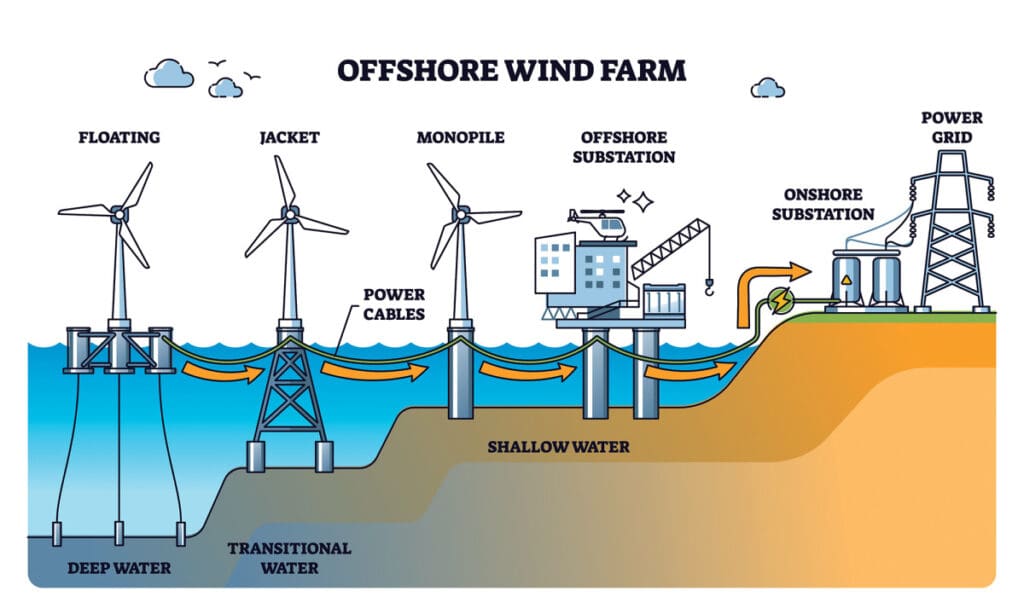
Offshore wind is one of the fastest-growing sources of renewable energy in Europe. Countries like the UK, Denmark, and the Netherlands are investing heavily in offshore wind farms, taking advantage of the vast potential of wind energy over the oceans. With advancements in floating wind turbine technology, offshore wind has the potential to become a major contributor to Europe’s renewable energy mix. - Smart Grids and AI
Smart grid technologies and artificial intelligence (AI) are revolutionizing how energy is managed. Smart grids enable more efficient distribution of energy, while AI-powered systems can optimize the flow of electricity based on real-time demand and supply conditions. These innovations are crucial for integrating renewable energy into the grid and ensuring that energy flows efficiently from producers to consumers. - Energy Storage Solutions
Energy storage remains one of the key hurdles for the renewable energy transition, but new technologies are emerging that could help solve this problem. Large-scale battery storage systems, such as those used in Tesla’s Powerwall and other battery storage initiatives, are being scaled up across Europe. Additionally, more innovative forms of storage, like gravity-based storage or compressed air energy storage, are being tested and could eventually offer more efficient and affordable solutions.
Is Europe’s Renewable Energy Transition Moving Too Slowly?
Despite the challenges and slow progress in some areas, Europe is undoubtedly making strides towards a greener future. However, the question remains: Is it moving fast enough to meet the looming climate crisis?
The simple answer is: not yet. Although the EU has set ambitious renewable energy targets, the pace at which these goals are being met falls short of what is necessary to avoid the most severe impacts of climate change. The urgency of the crisis demands immediate action, but progress is often stymied by a combination of political, economic, and technological barriers.
The good news is that Europe is home to some of the most innovative renewable energy solutions in the world. If these technologies continue to mature, and if governments and industries can overcome the obstacles to rapid deployment, Europe may still be able to accelerate its transition. But time is running out, and the window of opportunity to avert the worst effects of climate change is closing fast.
Conclusion: A Race Against Time
Europe’s renewable energy transition is undoubtedly a pivotal journey, and while the pace may be frustratingly slow in some areas, there is still hope that it can accelerate. However, it will require a concerted effort from governments, industries, and citizens alike to break through the barriers to change. With innovation, investment, and a renewed sense of urgency, Europe can still lead the world in renewable energy adoption and help secure a sustainable future for generations to come.