









Asia’s middle class is growing at an unprecedented rate. According to estimates, this demographic will soon make up the majority of the world’s middle-income earners, signaling a profound shift in global economic dynamics. But while the rise of this new consumer class is being celebrated for its potential to stimulate growth, it also raises complex questions. Is this expansion truly a blessing for Asia, or does it bring with it unintended challenges that could unravel decades of progress?
In this article, we’ll explore both the positive and negative impacts of Asia’s growing middle class, analyzing its effects on the economy, society, the environment, and global geopolitics. We’ll see how this demographic shift may shape the future of the continent and the world. Is it the dawn of a golden age, or are we witnessing the birth of a new set of problems?
The Economic Boom: A Blessing in Disguise?
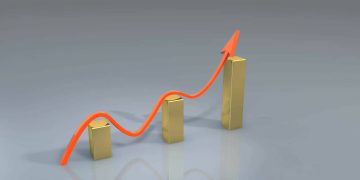
The most immediate and obvious benefit of a growing middle class is its economic impact. As people move up the economic ladder, they tend to consume more, leading to an expansion in demand for goods and services. In Asia, this transformation is already underway.
Increased Consumer Demand
With more disposable income, Asia’s middle class is now the engine behind the global demand for consumer goods. In China, India, Southeast Asia, and beyond, millions of people are shifting from basic needs to aspirational goods—electronics, automobiles, luxury products, and more. The rise of e-commerce in these regions has allowed businesses to reach more consumers than ever before, propelling local and global companies alike to unprecedented profits.
For companies in the West, the booming middle class represents a massive new market. This has given rise to new partnerships, trade deals, and investments. Many multinational companies have expanded their operations in Asia, recognizing the region as the future center of global consumption.
Increased Employment and Innovation
As the middle class grows, so does the demand for jobs. Increased economic activity leads to more job opportunities across a range of sectors—from manufacturing and retail to services and technology. Asia’s middle class is fueling a cycle of innovation as businesses work to create new products to cater to a more diverse consumer base.
In particular, countries like China and India are rapidly becoming hotbeds for technological advancement. These countries are not just consumers of tech; they are now powerful players in developing it. The rise of homegrown tech giants such as Alibaba, Tencent, and Xiaomi in China, or Infosys and TCS in India, highlights how Asia’s growing middle class is contributing to the innovation economy.
Social Transformation: Rising Expectations and New Challenges
While the economic transformation is clear, the social changes accompanying the rise of the middle class are just as profound. As people gain access to higher education, better healthcare, and improved living standards, their expectations also rise. But can this newfound affluence bring about positive change, or will it exacerbate social inequality and lead to unrest?
Better Access to Education and Healthcare
One of the most significant benefits of a growing middle class is improved access to education and healthcare. With more disposable income, families can afford private schooling for their children, and they have access to better healthcare services. As a result, literacy rates and life expectancy are on the rise across many parts of Asia.
Countries like India and Indonesia are seeing a marked improvement in educational attainment, with more people attending universities and vocational institutions. This, in turn, leads to a more skilled workforce, which can support the high-tech industries that are becoming the backbone of Asia’s economy.
Moreover, the expanding middle class has been a catalyst for improvements in healthcare infrastructure. While governments are investing in healthcare systems, private sector involvement has grown, leading to better hospitals, improved medical technology, and increased availability of treatments.
Rising Expectations and the Middle Class Dream
However, as the middle class grows, so do the expectations of its members. People want more than just material prosperity—they seek better quality of life, job security, and opportunities for upward mobility. With rising aspirations, dissatisfaction can also follow when these expectations aren’t met, leading to social unrest.
In countries like China, where the middle class is rapidly expanding, the government faces the delicate task of managing rising demands for political freedoms, environmental protections, and quality of life improvements. Similarly, India’s burgeoning middle class is placing pressure on its government to improve infrastructure, reduce corruption, and ensure better living conditions.
This shift can lead to increased political tensions, as the middle class starts to demand a more significant voice in governance, particularly in authoritarian states. For example, the rise of grassroots political movements in countries like Thailand and Hong Kong is directly linked to the aspirations of the middle class for greater democratic representation and transparency.
Environmental Impact: The Curse of Overconsumption
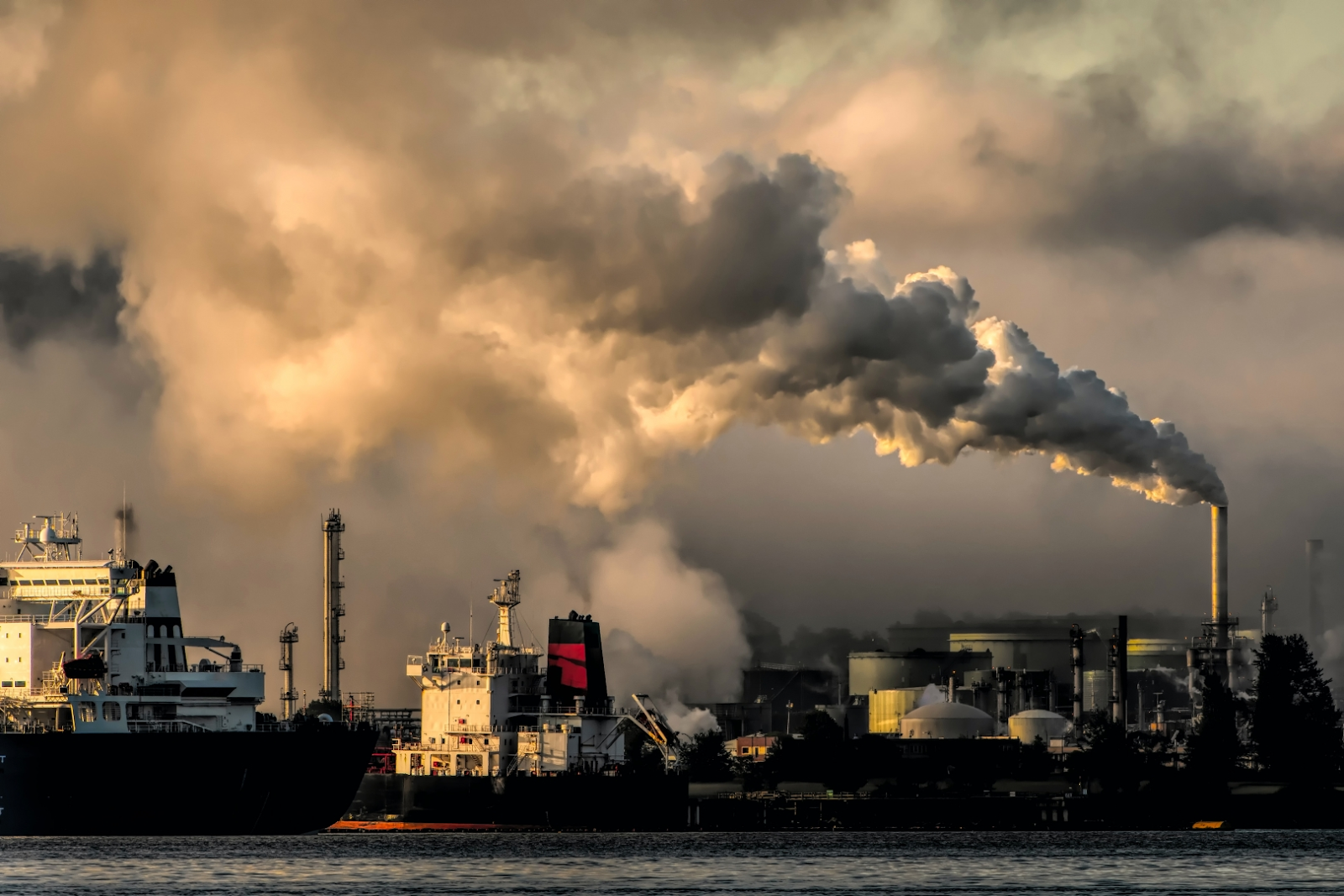
While the economic benefits of a growing middle class are undeniable, there is a dark side to this demographic shift. With increased consumption comes increased environmental impact. As Asia’s middle class gains access to more resources, their consumption habits start to mirror those of the West, with far-reaching environmental consequences.
Carbon Footprint and Resource Depletion
The burgeoning middle class, particularly in China and India, is rapidly adopting a Western-style consumer lifestyle. This includes buying cars, consuming more electricity, and purchasing disposable goods. As a result, Asia’s energy demand is skyrocketing. The International Energy Agency has predicted that by 2030, Asia will account for more than half of global energy consumption.

This surge in consumption is placing enormous pressure on the region’s natural resources. Deforestation in countries like Indonesia and Malaysia, pollution in the Ganges River, and smog in cities like Beijing are just a few examples of the environmental degradation linked to rapid economic growth.
Additionally, the demand for meat consumption—especially beef—is also rising in countries like China, contributing to environmental degradation. Meat production is resource-intensive, requiring large amounts of water, land, and energy, and contributing significantly to carbon emissions.
Waste and Plastic Pollution
As Asia’s middle class grows, so does the amount of waste generated. Urban areas, in particular, are struggling with waste management. Cities like Jakarta, Manila, and New Delhi are overwhelmed by the sheer volume of plastic waste, much of which ends up in the oceans. The increasing use of disposable products, packaging, and electronics has accelerated the environmental crisis, leading to widespread pollution and loss of biodiversity.
Global Geopolitics: A Changing World Order
Asia’s middle class is not only transforming the region—it is also reshaping the global balance of power. As Asia’s consumer base grows, so does its political and economic influence on the world stage.
Shifting Economic Power
The rise of Asia’s middle class is a critical factor in the reorientation of the global economy. For years, the United States and Europe have been the central drivers of global economic growth. However, as Asia’s middle class surges, the region is gradually becoming the world’s largest economic bloc. This shift is evidenced by the growing importance of Asia’s consumer markets, the expansion of Asian multinational corporations, and the increasing influence of institutions like the Asian Infrastructure Investment Bank (AIIB) and the Shanghai Cooperation Organization (SCO).
As Asia’s economic clout grows, it is also asserting itself more on the political stage. China’s Belt and Road Initiative (BRI), India’s growing role in global diplomacy, and the increasing importance of ASEAN are all signs that the global balance of power is shifting eastward.
Rising Tensions and Competition for Resources
However, this new economic power comes with new challenges. The growing middle class in Asia places increasing demand on global resources, leading to competition for energy, water, and raw materials. This has already caused tensions between major powers, particularly in the South China Sea, where disputes over fishing rights, oil reserves, and shipping routes are becoming more pronounced.
Additionally, as Asia’s middle class rises, it has the potential to challenge Western economic dominance. As countries like China and India expand their global influence, they are likely to challenge existing global trade norms, which could lead to trade disputes and economic rivalry.
Conclusion: A Blessing, or a Curse?
Asia’s growing middle class is both a blessing and a curse. On one hand, it has the potential to drive unprecedented economic growth, improve living standards, and create new opportunities for innovation. On the other hand, it poses significant social, environmental, and geopolitical challenges that could undo some of the progress made over the past few decades.
Whether this demographic shift is a blessing or a curse depends largely on how the region manages the accompanying challenges. If governments, businesses, and individuals can find ways to balance growth with sustainability and equity, Asia’s growing middle class could indeed be a force for positive change. However, if these issues are ignored, the growing middle class could exacerbate existing inequalities and environmental crises, ultimately threatening the stability of the region and the world.