







The Caribbean is a paradise for many—an archipelago of turquoise seas, white sandy beaches, and vibrant cultures. But lurking beneath the beauty of this tropical haven lies a persistent and often devastating reality: the region’s vulnerability to natural disasters. Hurricanes, earthquakes, floods, and other catastrophic events have historically wrought havoc on the Caribbean, leaving behind destruction and suffering. In recent decades, the frequency and intensity of these disasters have only increased, prompting the question: Can the Caribbean ever overcome its vulnerability to natural disasters?
This question doesn’t have an easy answer, as overcoming such vulnerability requires addressing a complex mix of natural, socio-economic, and political factors. In this article, we will examine the Caribbean’s vulnerability, explore the factors contributing to this susceptibility, analyze current strategies for disaster risk reduction, and offer potential solutions for a more resilient future.
The Geographic Reality
The Caribbean is located in a seismically active zone, meaning that it is prone to both earthquakes and volcanic eruptions. The region also sits along the path of the Atlantic hurricane basin, which makes it especially vulnerable to tropical storms. Hurricanes, which have become more frequent and severe in recent decades, typically form over warm ocean waters and can cause widespread damage in a matter of hours.
Many Caribbean islands, including Puerto Rico, the Bahamas, and the Dominican Republic, are located in close proximity to major fault lines. These seismic zones are a constant threat, leading to earthquakes and tsunamis, though they are often less predictable than hurricanes.
In addition, the Caribbean is home to several active volcanoes. While eruptions are relatively infrequent, their potential for destruction is high, especially on islands like St. Lucia and Montserrat.
While this geographical reality can never be changed, understanding the specific natural risks in the region is critical for mitigating their impact. This is where the intersection of climate science, engineering, and urban planning becomes essential.
Climate Change: A Growing Threat
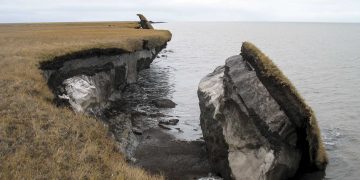
One of the most pressing factors contributing to the Caribbean’s vulnerability is climate change. Global warming has caused sea levels to rise, leading to increased coastal erosion and the loss of land. Furthermore, the warming of the ocean waters has intensified the frequency and strength of tropical storms, with hurricanes becoming more destructive.
Historically, hurricanes in the Caribbean were devastating but often manageable. However, in recent years, storms like Hurricane Irma (2017) and Hurricane Maria (2017) have set new records for wind speeds, storm surge, and overall damage. These hurricanes were not only stronger but also longer-lasting, with widespread power outages and infrastructure damage that took months or even years to repair.
Climate change is also disrupting weather patterns, leading to unpredictable rainfall, floods, and droughts. The Caribbean’s agricultural sector, which is a vital part of the economy, is especially vulnerable to changes in precipitation, and erratic weather patterns make it harder to predict crop yields, leaving farmers facing enormous financial losses.
Socio-Economic Vulnerabilities
The Caribbean is a region where economic inequality is prominent, with many islands dependent on tourism as their primary source of income. While tourism brings in substantial revenue, it also exposes the region to risk. Many tourist resorts are built right on the coastline, making them vulnerable to storm surges, flooding, and coastal erosion.
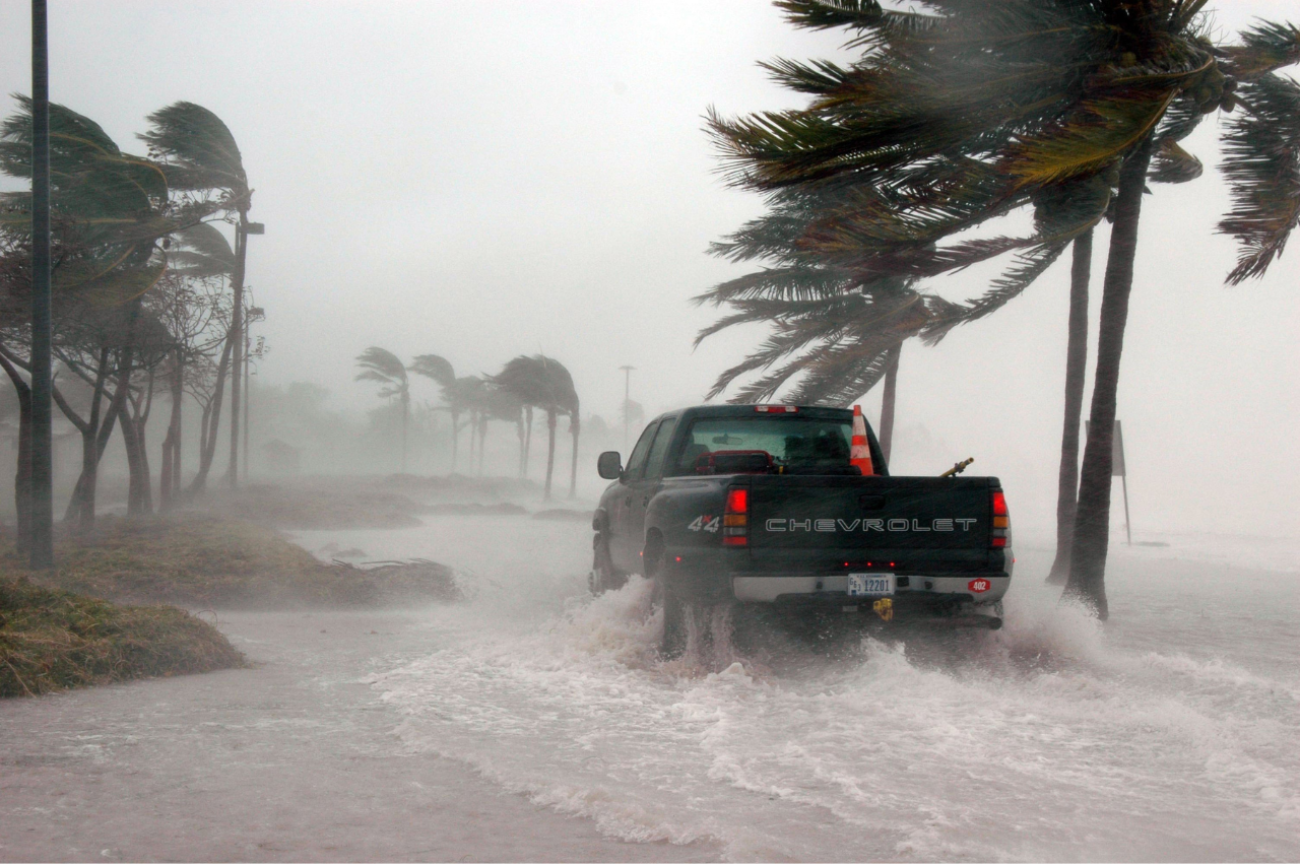
Furthermore, poverty rates are high in many Caribbean nations, leaving a significant portion of the population with limited resources to prepare for or recover from a disaster. While wealthier individuals may be able to evacuate and rebuild after a catastrophe, the most vulnerable—often living in informal settlements—are disproportionately affected by the loss of life, livelihood, and shelter.
Moreover, the islands’ heavy reliance on imports for food and other essentials exacerbates the situation. During times of disaster, supply chains are often disrupted, leaving communities without access to basic necessities like water, food, and medical supplies. This problem is compounded by a lack of robust emergency response systems on many islands.
The absence of effective disaster preparedness and response strategies only deepens these socio-economic vulnerabilities, leading to higher mortality rates and longer recovery times.
Current Efforts in Disaster Risk Reduction
The Caribbean has been working tirelessly to address its vulnerability to natural disasters. Over the years, various organizations, both governmental and non-governmental, have launched initiatives aimed at reducing risk and enhancing resilience. These efforts can be divided into four broad categories: early warning systems, infrastructure development, community engagement, and climate adaptation strategies.
1. Early Warning Systems
In recent years, several Caribbean nations have invested in advanced early warning systems to better prepare for natural disasters. Meteorological agencies in countries like the Bahamas and Puerto Rico now provide regular updates on the formation of hurricanes and tropical storms, giving residents valuable time to evacuate or prepare their homes.
The Caribbean Disaster Emergency Management Agency (CDEMA) also plays a critical role in coordinating disaster response efforts across the region. It works closely with governments to provide guidance on risk assessments, emergency preparedness, and post-disaster recovery.
Despite these efforts, many areas still lack the infrastructure to receive and act on these warnings effectively. In some remote or underdeveloped regions, access to technology such as smartphones or radios is limited, making it difficult for residents to stay informed about approaching storms.
2. Infrastructure Development
Building resilient infrastructure is one of the most important strategies for reducing disaster vulnerability. This includes strengthening buildings, roads, and bridges to withstand the impact of hurricanes, earthquakes, and floods.
Countries like Barbados and Trinidad and Tobago have been investing in hurricane-resistant housing, which can help protect communities from high winds and storm surges. Similarly, the construction of flood defenses, such as sea walls and levees, is gaining momentum in coastal cities to prevent the damage caused by rising sea levels and storm surges.
However, this infrastructure improvement comes at a high cost, and many smaller or poorer islands lack the financial capacity to invest in such projects. Furthermore, many existing buildings and roads are not built to withstand extreme weather conditions, leaving communities vulnerable until substantial upgrades can be made.
3. Community Engagement
In recent years, there has been a greater push to involve communities directly in disaster risk reduction efforts. Awareness campaigns, preparedness drills, and community-based risk assessments are some of the ways in which local populations are being engaged in creating a culture of resilience.
The Caribbean Risk Reduction Initiative (CRRI) is one such example. The program educates local populations about disaster risks, provides information on evacuation routes, and teaches residents how to protect their homes from storm damage. These grassroots efforts are essential in ensuring that people are prepared before disaster strikes.

However, many people in the region still lack awareness about the full extent of the risks they face. Overcoming this requires investment in education, media outreach, and the creation of partnerships between local governments, civil society, and the private sector.
4. Climate Adaptation Strategies
Climate adaptation is another critical area of focus for Caribbean countries. These strategies include adjusting agricultural practices, improving water management, and building climate-resilient infrastructure. For instance, some islands have adopted more sustainable farming techniques that are better suited to changing weather patterns.
There has also been an emphasis on protecting natural ecosystems such as mangroves and coral reefs, which act as natural buffers against storms and flooding. Restoring and preserving these ecosystems not only enhances the resilience of coastal communities but also provides economic opportunities through eco-tourism and sustainable fishing.
The Role of Technology and Innovation
Technology holds great promise for reducing the Caribbean’s vulnerability to natural disasters. Advances in satellite technology, machine learning, and artificial intelligence (AI) are enabling more accurate weather predictions and better monitoring of environmental changes. These technologies allow scientists to predict when a storm will form, how powerful it will be, and where it is likely to make landfall.
Drones and robotics are also being deployed to assess damage after a disaster, making the recovery process more efficient and targeted. In addition, mobile applications are helping to disseminate critical information, coordinate evacuations, and provide real-time updates during emergencies.
While these technological advancements are promising, they require significant investments in both infrastructure and human resources to be effective across the entire region. Furthermore, access to such technology is not equally available in all areas, which means that some communities could be left behind in times of crisis.
Potential Solutions for a Resilient Future
The path to overcoming the Caribbean’s vulnerability to natural disasters is not an easy one, but it is possible. A combination of proactive measures and long-term investments in resilience can help minimize the damage caused by future disasters. Below are some potential solutions:
1. Strengthening Regional Cooperation
The Caribbean’s small island states often face similar challenges, and by strengthening regional cooperation, they can share resources, knowledge, and expertise. A more unified approach to disaster risk reduction, early warning systems, and infrastructure development could enhance the region’s ability to respond to and recover from disasters.
2. Expanding Green Infrastructure
Investing in natural solutions like reforestation, wetland restoration, and coastal ecosystems protection can be more cost-effective than traditional engineering solutions. These methods not only reduce the impacts of natural disasters but also promote sustainable development and biodiversity conservation.
3. Prioritizing Climate Change Mitigation
Reducing the region’s carbon footprint and transitioning to renewable energy sources can help mitigate the long-term effects of climate change. The Caribbean has abundant natural resources, including solar and wind energy, which can be harnessed to create a sustainable energy future.
4. Increasing Investment in Disaster Risk Financing
The Caribbean needs to prioritize investment in disaster risk financing, which includes insurance programs, emergency funds, and international financial support. This can help governments recover more quickly after disasters and ensure that communities have access to immediate resources for rebuilding.
5. Promoting Public-Private Partnerships
The private sector has a significant role to play in disaster risk reduction. Partnerships between governments, international organizations, and the private sector can help drive innovation in infrastructure, technology, and finance, creating more sustainable solutions for the region.
Conclusion: A Long Road Ahead
The Caribbean’s vulnerability to natural disasters is undeniable, but the region’s efforts to combat this vulnerability are commendable. While overcoming such risks completely may not be possible, the region can still enhance its resilience through comprehensive strategies that integrate technology, community involvement, and sustainable development. The future of the Caribbean will depend on its ability to adapt to the challenges of a changing climate, prioritize resilience in all sectors, and build a strong foundation for future generations.
As the Caribbean confronts the growing threat of natural disasters, it is clear that the region must embrace innovation, strengthen its infrastructure, and foster regional collaboration to chart a safer and more sustainable course. The journey is challenging, but with commitment, leadership, and the right investments, the Caribbean can overcome its vulnerabilities and emerge stronger from the storms that lie ahead.