



Canada, often overlooked in global political discourse, holds a far more influential position on the world stage than it is typically credited for. While its geographical size, natural resources, and relatively small population may suggest a secondary role in international affairs, Canada’s political influence is profound and multifaceted. From its historical involvement in peacekeeping missions to its progressive foreign policies today, Canada’s role in shaping global politics deserves more attention and recognition.
A Historical Foundation: The Birth of Canada’s Global Role
Canada’s journey onto the global political stage began in the early 20th century, with its participation in major global conflicts and peacekeeping efforts. Though initially seen as a secondary player in the British Empire, Canada’s growing independence paved the way for it to carve out its own distinct diplomatic identity.
In the wake of World War I, Canada’s contribution to the Allied effort and its signature on the Treaty of Versailles marked its emergence as a more autonomous entity in international relations. The Statute of Westminster in 1931, which granted Canada legislative independence, laid the groundwork for its eventual role in the formation of key global institutions. Canada’s involvement in the founding of the United Nations (UN) in 1945, for example, exemplified its commitment to multilateralism and peacekeeping. The country would soon become synonymous with global peace efforts, a reputation it would uphold through the 20th century.
Peacekeeping: Canada’s Global Trademark
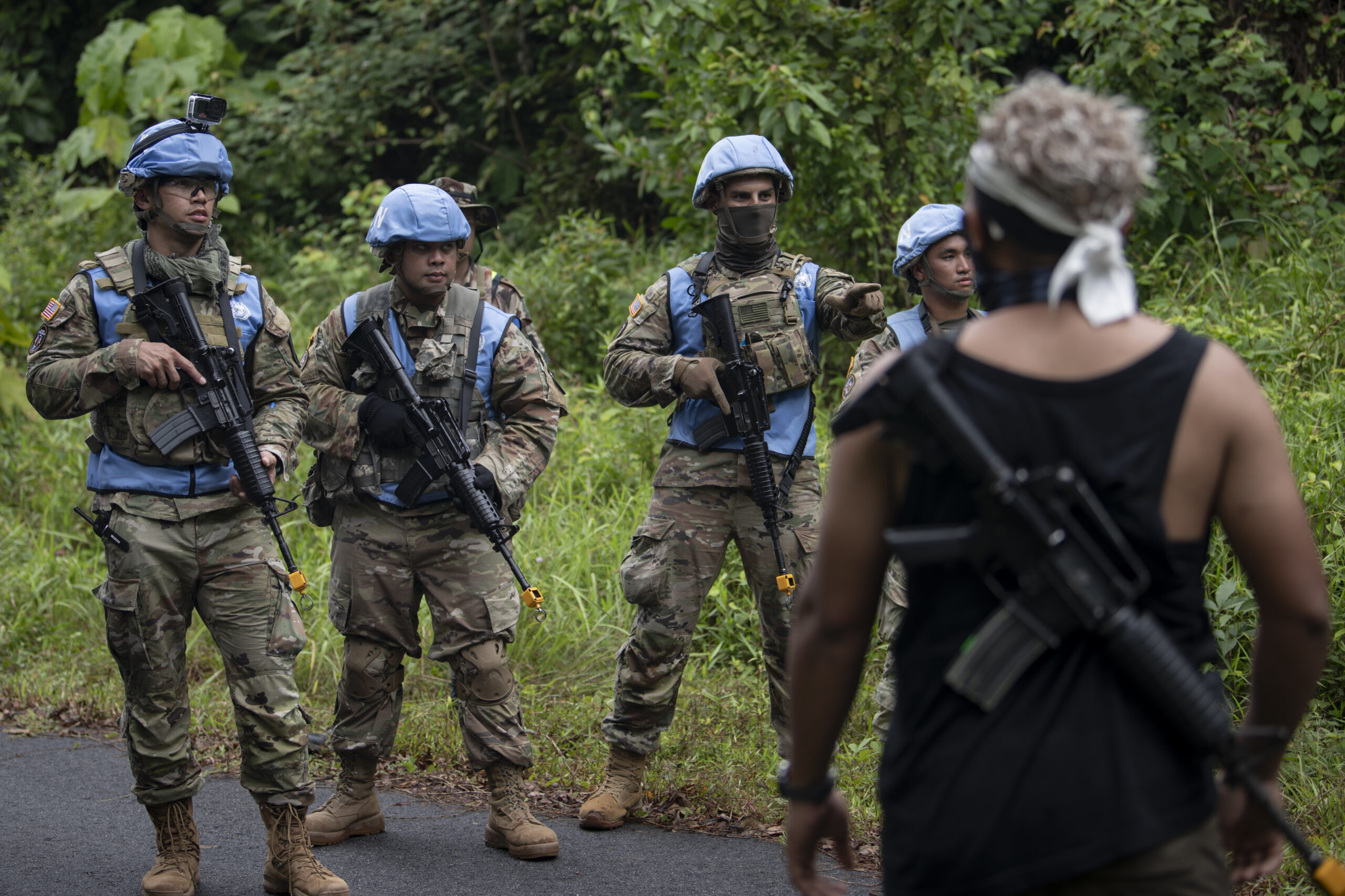
In the post-World War II era, Canada’s identity was closely tied to peacekeeping operations. One of the country’s most iconic diplomatic figures, Lester B. Pearson, championed peacekeeping missions during the Suez Crisis in 1956. Pearson’s innovative approach to conflict resolution won him the Nobel Peace Prize and solidified Canada’s role as a mediator in global conflicts. This commitment to peacekeeping persisted for decades, with Canada’s military personnel often serving as neutral forces in various UN-led operations around the world.
However, Canada’s peacekeeping legacy is not without complexity. The country’s increasing military involvement in combat operations, such as the NATO-led intervention in Afghanistan, raised questions about its evolving identity in global politics. Despite these shifts, Canada remains a strong proponent of peacekeeping and conflict resolution, often acting as a neutral party in a polarized world.
Multilateralism and Humanitarian Diplomacy
Canada’s foreign policy has long been rooted in the principles of multilateralism, international law, and human rights. As a member of various international organizations like the United Nations, NATO, the G7, and the Commonwealth, Canada has consistently advocated for collective action on global issues, from climate change to human rights and international trade.
Canada’s approach to foreign relations is often characterized by pragmatism and diplomacy. The country is known for its ability to forge alliances across ideological divides, serving as a bridge between the Global North and Global South. For instance, Canada’s involvement in the peace talks that led to the end of apartheid in South Africa and its ongoing efforts to advocate for Indigenous rights globally demonstrate its commitment to humanitarian causes.
At the same time, Canada has been a vocal proponent of the International Criminal Court (ICC) and has taken strong stances against human rights abuses in countries like Myanmar and Syria. While some critics argue that Canada’s diplomatic efforts sometimes lack the forcefulness of other global powers, the country’s consistent promotion of human rights and democracy places it as a moral leader in global politics.
Canada and the U.S.: The Unequal Partnership
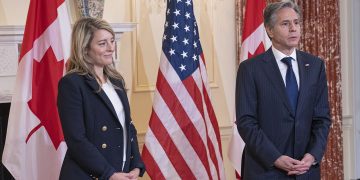
Perhaps no relationship is more critical to Canada’s position on the global stage than its connection with the United States. The two countries share the longest undefended border in the world and have an intertwined economic and political relationship. However, the Canada-U.S. relationship is not without tension, particularly in matters of trade, security, and international diplomacy.
In trade, Canada’s reliance on the U.S. market is a double-edged sword. On one hand, the U.S. is Canada’s largest trading partner, and the countries share close economic ties through agreements like NAFTA (now USMCA). On the other hand, Canada’s dependence on the U.S. can sometimes put it in a position where it must balance its interests against those of a far larger, more dominant neighbor. The disagreements over tariffs, pipelines, and environmental policies between the two countries have tested their relationship at times.
However, Canada’s diplomatic approach to the U.S. is one of pragmatic cooperation rather than confrontation. The country has historically navigated its geopolitical relationship with the U.S. with a delicate balance of shared interests and sovereign priorities. For instance, Canada’s decision to participate in international climate accords like the Paris Agreement, even when the U.S. pulled out under certain administrations, reflects Canada’s independence in its global stance. While the U.S. is the dominant power, Canada’s influence as a stable, responsible, and progressive ally remains undeniable.
Canada and the Middle Power Diplomacy
One of the key concepts in understanding Canada’s global political role is that of “middle power diplomacy.” As a country with a smaller population and military force compared to major global players like the U.S. and China, Canada has embraced the role of a middle power—using diplomatic means to influence global politics rather than military might. Middle powers are often seen as diplomatic brokers who can mediate between larger, more powerful countries.
This role is particularly important in times of crisis or instability. Canada’s ability to facilitate dialogue in conflict zones, such as in the case of the Iran nuclear deal or its work in the Sahel region of Africa, showcases its influence beyond its immediate geographic boundaries. Moreover, Canada’s reputation as a neutral party in international negotiations often allows it to play a pivotal role in bridging divides between major world powers and emerging economies.

Canada’s middle power status is also reflected in its commitment to global security, development, and environmental sustainability. Through its engagement in peacebuilding efforts, multilateral governance, and its role in global trade, Canada demonstrates how smaller countries can still wield significant influence on the global stage.
Canada’s Role in the Emerging Global Order
Looking forward, Canada’s role in global politics is set to evolve in the context of the changing power dynamics of the 21st century. The rise of China, the resurgence of Russia, and the challenges of a rapidly shifting global order will all present opportunities and challenges for Canadian diplomacy.
One area where Canada’s leadership is poised to grow is in addressing global challenges such as climate change. As an Arctic nation, Canada has a unique position in discussions surrounding global warming and the future of the polar regions. Furthermore, Canada’s commitment to reducing carbon emissions, advocating for the protection of biodiversity, and pushing for more inclusive global trade can elevate its status as a leader in sustainable development.
Another critical area where Canada can assert its influence is in the ongoing debates over the future of multilateralism. As the global order shifts toward regionalism and populism in some quarters, Canada’s long-standing support for international cooperation and the rule of law can provide a stabilizing force in global governance. By strengthening alliances with both traditional Western partners and emerging economies, Canada has the potential to act as a mediator between competing factions and advance the cause of global peace, prosperity, and equality.
Conclusion: The Underestimated Power of Canada
In conclusion, Canada’s role in global politics is far more significant than many give it credit for. While its size and population may not place it at the forefront of geopolitical power struggles, Canada’s commitment to diplomacy, human rights, peacekeeping, and multilateralism has allowed it to carve out a unique and respected position on the world stage. Through its leadership in global governance, humanitarian diplomacy, and environmental sustainability, Canada is poised to continue playing an essential role in shaping the future of international relations.
The next time you hear someone dismiss Canada’s global political significance, remember that this is a nation whose influence is disproportionate to its size. In the complex web of global politics, Canada stands out as a steady and influential force, advocating for peace, justice, and cooperation in a world increasingly defined by division and discord.