








The Andean Mountain Range, stretching along the western edge of South America for over 7,000 kilometers, is a colossal and multifaceted geographical feature. As the longest continental mountain range in the world, the Andes exert profound influence over not only the local climate but also the global atmospheric and oceanic systems. From towering peaks and glaciers to arid deserts and tropical rainforests, the Andes’ diverse ecosystems are both a reflection of and a driving force behind the planet’s climate patterns. In this article, we explore why the Andean Mountain Range holds such importance for global climate systems, highlighting its role in weather patterns, the water cycle, carbon storage, biodiversity, and its impact on human society.
1. The Andes as a Climate Barrier
One of the most significant roles the Andes play in global climate is their function as a natural climate barrier. Dividing the continent into two distinct climatic regions, the Andes serve as a powerful barrier between the wet, tropical climates of the Amazon Basin to the east and the dry, desert-like conditions of the Pacific coast to the west.
Rain Shadow Effect
The Andes play a critical role in creating what is known as a “rain shadow” effect. As moisture-laden air from the Pacific Ocean is forced to rise over the mountains, it cools and loses much of its moisture in the form of rain on the eastern side of the range, creating lush, tropical rainforests. On the western side, however, the air is much drier, contributing to the arid conditions of the coastal deserts like the Atacama, one of the driest places on Earth.
This rain shadow effect not only shapes the local climate but also impacts agricultural productivity, water availability, and ecosystems. The Andean highlands and their eastern slopes support some of the most productive agricultural regions in South America, while the western side relies heavily on irrigation systems, with the Atacama Desert showcasing the extreme form of aridity.
2. The Andes and Weather Patterns
The Andean mountains are a critical feature in the modulation of atmospheric circulation and global weather patterns. They influence both regional weather systems and broader atmospheric phenomena, with far-reaching consequences for the climate in the Americas and beyond.
Influence on the South American Monsoon
The Andes play a central role in the South American monsoon system. During the rainy season, the monsoon rains are drawn toward the mountains, where the interaction between the moist air and the Andes’ topography causes the rains to concentrate in certain regions. This has significant implications for agriculture, water resources, and hydropower generation in countries like Brazil, Colombia, and Peru, where seasonal rainfall patterns are vital for the economy.
El Niño and La Niña Events
The Andes also have a critical connection to the El Niño and La Niña phenomena, which are large-scale variations in sea surface temperatures in the Pacific Ocean that significantly influence global weather. These phenomena can cause extreme weather patterns across the globe, such as droughts, floods, and heatwaves.
Because of their location along the Pacific coast, the Andes interact with these oceanic patterns. The mountains can amplify or dampen the impacts of these events, particularly on South American countries. For example, El Niño events can result in heavy rainfall and flooding on the western slopes of the Andes, while La Niña may bring drought conditions. These fluctuations have substantial impacts on agriculture, water supply, and energy production.
3. The Andes and the Water Cycle
The Andean Mountain Range is a crucial player in the global water cycle. As a large source of freshwater, the Andes supply water to millions of people living in the surrounding countries. The high-altitude glaciers and snowmelt of the Andes are vital sources of river systems that feed into major watersheds, such as the Amazon and the Paraná-Paraguay basins.
Glaciers and Snowmelt
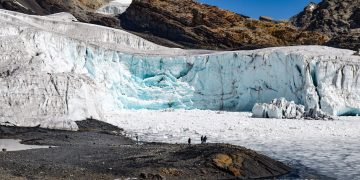
At the highest elevations of the Andes, glaciers serve as a natural water reservoir, slowly releasing water as they melt. In countries such as Chile, Argentina, and Peru, these glaciers are integral to the water supply during dry seasons. As climate change accelerates, however, the glaciers are retreating at an alarming rate, threatening the water security of millions of people.
In addition to glaciers, seasonal snowmelt from the mountains feeds rivers that support agriculture, drinking water, and hydropower. The Andean rivers such as the Magdalena in Colombia, the Rimac in Peru, and the Mendoza in Argentina are all critical to the livelihoods of surrounding communities.
The Amazon Rainforest and Water Distribution
The Andean Mountain Range is also intimately linked to the water balance of the Amazon Rainforest, one of the world’s most important ecosystems. The Andes supply significant amounts of moisture to the Amazon Basin through both direct rainfall and the release of water vapor into the atmosphere. This interaction is vital for maintaining the health of the Amazon, which in turn plays a crucial role in regulating the global water cycle.
The moisture from the Andes also sustains the highland cloud forests, a unique ecosystem that relies on constant cloud cover and mist to sustain plant and animal life. This delicate balance of water flow across the Andes and into the Amazon has global implications, influencing weather patterns as far as North America and Europe.
4. Carbon Storage and Climate Regulation
The Andean Mountain Range is not only a source of water but also a significant carbon sink. The region’s forests, peatlands, and grasslands store large amounts of carbon, helping to regulate global atmospheric CO2 levels. These ecosystems play a crucial role in mitigating climate change by absorbing carbon dioxide from the atmosphere, preventing it from contributing to the greenhouse effect.
Andean Forests as Carbon Sinks
The cloud forests that cover the eastern slopes of the Andes are among the most important carbon sinks in the world. These forests store vast quantities of carbon in their vegetation and soil. As deforestation and land-use change continue to threaten these ecosystems, their capacity to absorb carbon diminishes, exacerbating the impacts of climate change.
The Andean páramo, a high-altitude grassland ecosystem, is also an important carbon reservoir. The soils in these regions are rich in organic material and store large amounts of carbon that would otherwise be released into the atmosphere. Efforts to conserve and restore these ecosystems are increasingly seen as essential to climate change mitigation.
5. Biodiversity and Ecosystem Services
The Andean mountain range is home to an unparalleled diversity of ecosystems and species, many of which are endemic to the region. The mountains provide critical ecosystem services that regulate climate, protect water supplies, and maintain soil fertility. The Andes’ biodiversity is a key asset for global climate health, as it fosters resilience against climate change by supporting ecosystems that help regulate temperature, air quality, and carbon levels.
Unique Species and Ecosystems
From the high-altitude ecosystems of the Andes to the subtropical cloud forests, the mountains are home to countless species of plants and animals, many of which are found nowhere else on Earth. Iconic species such as the Andean condor, the spectacled bear, and the vicuña are emblematic of the region’s biological wealth.
These diverse ecosystems help regulate the local and regional climate by acting as carbon sinks, controlling water flow, and reducing soil erosion. As climate change accelerates, preserving the unique biodiversity of the Andes becomes an essential strategy for maintaining global climate stability.
6. The Andes and Human Society
The Andean Mountains are not just an environmental asset but also a crucial resource for the millions of people who live in their shadow. The highlands have been home to indigenous communities for thousands of years, and today, they continue to support vibrant agricultural and urban populations.
Agriculture and Livelihoods
Andean agriculture is deeply tied to the unique climatic conditions created by the mountains. Crops like potatoes, quinoa, maize, and beans thrive in the varied altitudes and climates, sustaining local economies. However, the changing climate poses significant challenges to agricultural systems in the Andes, as increasing temperatures, changing rainfall patterns, and glacial retreat threaten food security in the region.
Tourism and Recreation
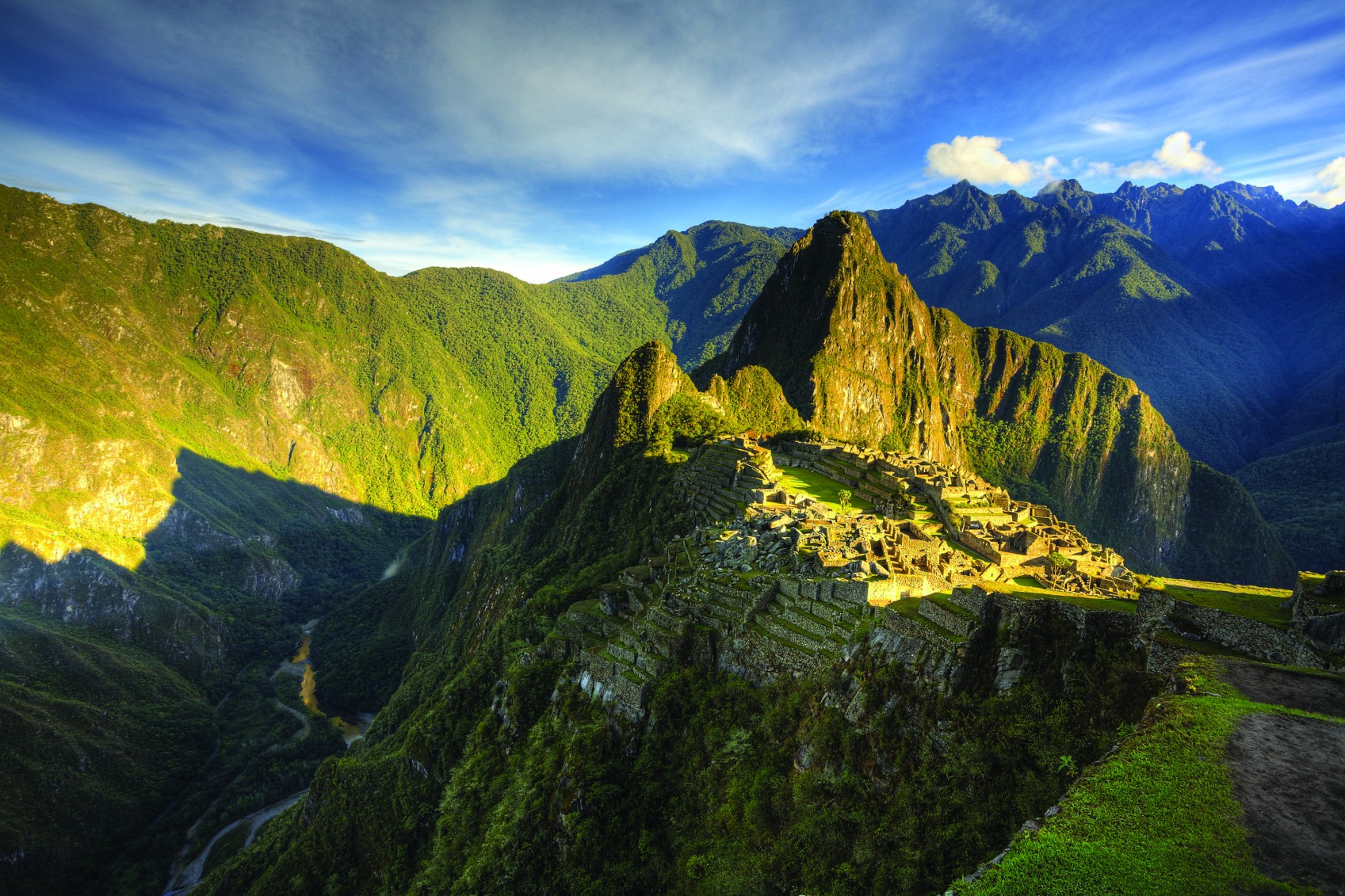
The Andes also support a booming tourism industry. From the iconic Machu Picchu in Peru to the ski resorts of Chile and Argentina, the mountains attract millions of visitors annually. These tourists contribute to the local economy but also place pressure on the region’s fragile ecosystems.
Energy Production
The rivers that originate in the Andes provide the majority of hydroelectric power in countries like Brazil, Colombia, and Peru. As water availability changes due to climate fluctuations, the energy production of these countries may be threatened, leading to power shortages and economic instability.
Conclusion: A Global Climate Linchpin
The Andean Mountain Range is more than just a stunning natural feature; it is a cornerstone of the global climate system. From its role in shaping weather patterns and the water cycle to its critical importance as a carbon sink and biodiversity hotspot, the Andes are integral to the health and stability of our planet’s climate.
As climate change continues to impact the region, it is essential that both local and global efforts are made to conserve and protect the unique ecosystems and resources of the Andes. The health of the Andean mountains is, after all, deeply connected to the well-being of the entire Earth.