







Africa, often heralded as the continent of the future, is undergoing a monumental transformation. The past few decades have witnessed an explosion in the growth of urban centers across the continent, a trend that shows no signs of slowing down. According to the United Nations, Africa’s urban population is expected to double by 2050, with over 1.5 billion people expected to call cities home. This rapid urbanization is reshaping the socio-economic landscape, creating opportunities, but also posing serious challenges for sustainability. So, the pressing question remains: Can Africa’s growing cities maintain sustainability?
The Urbanization Boom
Urbanization in Africa is driven by a complex mix of factors, including rural-to-urban migration, population growth, and the promise of better opportunities in cities. The economic dynamism of cities, especially the burgeoning middle class and industrialization, draws people seeking improved education, healthcare, and employment. However, this wave of urban migration also places immense pressure on infrastructure, resources, and the environment.
Currently, cities like Lagos, Nairobi, Cairo, and Kinshasa are witnessing rapid growth, with populations expanding exponentially. In fact, the population of Lagos, one of Africa’s largest cities, is expected to hit 24 million by 2035, up from 14 million today. This acceleration in growth poses several challenges, especially in maintaining sustainable development in the face of limited resources, poor planning, and inadequate governance.
The Challenges of Sustainability in Africa’s Urban Growth
While the potential for economic growth in Africa’s cities is undeniable, the path to sustainable urbanization is fraught with challenges.
1. Overburdened Infrastructure
Urbanization brings with it a demand for infrastructure—roads, water supply, sewage systems, and waste management. However, the infrastructure in many African cities remains underdeveloped and often outdated. According to the World Bank, 40% of sub-Saharan African urban residents lack access to basic sanitation facilities, and many cities are experiencing significant traffic congestion due to limited road networks.
Cities like Nairobi, Addis Ababa, and Cairo are also grappling with severe water shortages and inadequate sewage systems, which exacerbate health risks and lead to environmental degradation. The rapid pace of urbanization, coupled with the absence of forward-thinking planning, further strains these already fragile systems.
2. Environmental Degradation
Urban expansion in Africa is not only about building more homes and roads—it also involves clearing forests and encroaching on natural ecosystems. As cities expand, they often spill over into previously undeveloped areas, contributing to deforestation and loss of biodiversity. In cities such as Kinshasa and Dar es Salaam, this urban sprawl has led to the destruction of wetlands and agricultural land, which are crucial for maintaining local ecosystems and sustaining livelihoods.
Moreover, many African cities are experiencing worsening air pollution, often linked to growing vehicular traffic, industrial activities, and the burning of biomass. Cities like Cairo, with its dense population and high traffic, have some of the worst air quality in the world, leading to significant health risks such as respiratory diseases and cardiovascular problems.
3. Energy Consumption and Carbon Footprint

As urban populations increase, so does the demand for energy. Cities consume vast amounts of electricity, water, and fuel, contributing to rising carbon footprints. The challenge is even more pronounced in cities that rely on fossil fuels for power generation, such as those in Southern Africa, where coal-fired power plants remain dominant.
While some African cities are beginning to experiment with renewable energy sources, the overall transition to a green energy future is still slow. Solar power has significant potential, given Africa’s abundant sunlight, but energy infrastructure is often outdated, and financing remains a significant barrier.
4. Social Inequality and Informal Settlements
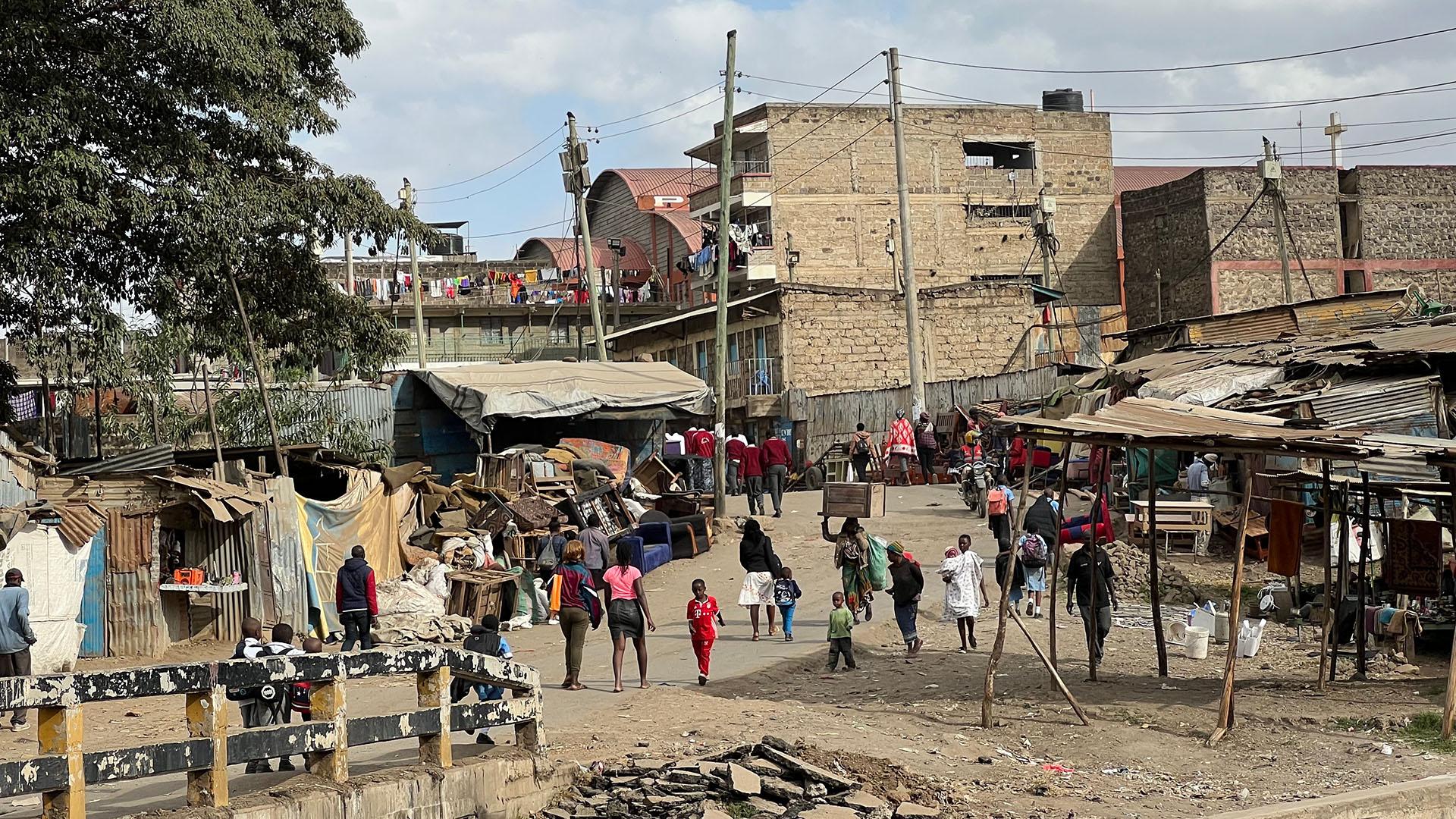
One of the most significant challenges to sustainable urbanization in Africa is the growth of informal settlements or slums. These areas, which often lack basic services like water, sanitation, and electricity, are home to millions of urban dwellers. In cities like Lagos, Nairobi, and Cape Town, slums have become a ubiquitous feature, where people live in precarious conditions with little access to health care or education.
The rapid growth of informal settlements exacerbates social inequality and economic disparity. As African cities expand, the gap between the wealthy elite living in well-planned neighborhoods and the impoverished masses residing in slums continues to widen. This inequality undermines social cohesion, increases crime rates, and limits opportunities for upward mobility.
5. Food Security and Agriculture
Africa’s cities are surrounded by vast rural areas that are still the backbone of food production. However, urbanization threatens food security by reducing agricultural land, making it more difficult to produce enough food to meet the growing demand. As cities expand, they often consume prime agricultural land, and with the population surge, the need for food grows, placing further strain on rural communities.
Moreover, urban populations are often reliant on imports to meet their food needs, which makes cities vulnerable to global supply chain disruptions. In response, some cities have turned to urban agriculture as a way to ensure food security. Rooftop gardens and vertical farming are gaining popularity, but these initiatives, while promising, are not yet sufficient to feed the swelling urban populations.
Sustainable Urban Solutions for Africa
Despite the challenges, there is hope. African cities are beginning to embrace sustainable urban solutions, drawing on innovation and creativity to address the pressing issues of sustainability. Several key strategies hold promise for building sustainable urban environments.
1. Smart Cities and Technology Integration
Technology is playing a crucial role in shaping Africa’s urban future. The concept of “smart cities”—urban areas that use technology to improve efficiency, manage resources, and enhance quality of life—is gaining traction. Cities like Kigali, Rwanda, are leading the way with digital infrastructure, including e-governance platforms, smart transportation systems, and sustainable energy solutions.
In Nairobi, the use of ICT (Information and Communication Technology) in urban planning is becoming increasingly common. Digital platforms that streamline waste management, water supply, and traffic flow are helping to reduce inefficiencies and improve service delivery. By leveraging technology, African cities can manage resources more effectively, reduce costs, and create livable environments for their inhabitants.
2. Green Infrastructure and Urban Design
Another innovative approach to sustainable urbanization is the integration of green infrastructure. Green roofs, urban forests, rainwater harvesting systems, and permeable surfaces are being incorporated into city planning to reduce environmental impacts and improve livability.
Cities like Addis Ababa and Nairobi have embraced green spaces as part of their urban renewal strategies. These green zones not only serve as recreational spaces for citizens but also contribute to biodiversity, mitigate the effects of urban heat islands, and reduce air pollution. Sustainable urban design that incorporates nature into the built environment is a growing trend that can significantly improve urban sustainability.
3. Public Transportation and Low-Carbon Mobility
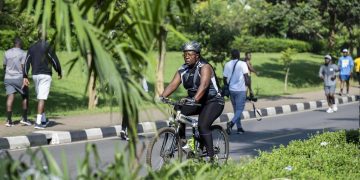
Transportation remains one of the largest contributors to carbon emissions in African cities. However, there is growing recognition of the need to develop sustainable, low-carbon transportation systems. Cities like Cape Town and Addis Ababa have already made strides by expanding public transportation networks and promoting cycling as an alternative to private vehicles.
Electric buses, car-sharing programs, and bike-sharing systems are gradually becoming part of the urban transport landscape. Investment in infrastructure for non-motorized transport—such as pedestrian walkways and cycling lanes—will be critical in reducing carbon emissions and improving the mobility of urban populations.
4. Affordable Housing and Slum Upgrading
To address the issue of informal settlements, many African cities are working on upgrading slums and developing affordable housing projects. The goal is to provide better living conditions while maintaining social inclusivity. Governments and non-governmental organizations are exploring various models for low-cost housing, including the use of locally sourced materials, improved construction techniques, and innovative financing methods.
In addition to new construction, slum upgrading projects focus on improving access to basic services such as sanitation, water, and electricity. Such initiatives, which prioritize community involvement, are essential in fostering sustainable urban growth that benefits all residents.
5. Waste Management and Recycling
With the rapid urbanization of Africa, waste management has become a significant issue. However, many cities are finding innovative ways to deal with waste and reduce environmental pollution. In Kigali, Rwanda, a national ban on plastic bags has resulted in a noticeable reduction in waste and pollution.
Several African cities are adopting circular economy models, where waste is treated as a resource. Recycling programs, composting, and waste-to-energy projects are becoming more common, reducing the environmental impact of urban growth. Nairobi, for instance, has introduced waste segregation and recycling programs in a bid to reduce landfill use and create a cleaner environment.
The Path Forward: A Vision for Sustainable African Cities
The road to sustainability for Africa’s growing cities will not be easy. It will require concerted efforts from governments, businesses, and civil society. Urban planning will need to prioritize sustainable practices, and cities will need to invest in green technologies, renewable energy, and climate-resilient infrastructure. In addition, innovative approaches to governance, financing, and social inclusion will be essential to ensure that no one is left behind in the pursuit of sustainability.
However, the potential for sustainable urban growth in Africa is immense. The key lies in embracing both modern technologies and traditional knowledge, fostering partnerships, and making long-term investments in infrastructure and human capital. With the right policies and strategies, Africa’s cities can not only survive but thrive in an era of rapid urbanization, contributing to a more sustainable and equitable future for all.