







Africa, often referred to as the “Cradle of Humanity,” is not only a continent rich in cultural heritage but also one that harbors some of the most diverse and unique wildlife on the planet. From the vast savannas of the Serengeti to the dense rainforests of the Congo, Africa’s ecosystems are home to a spectacular array of species. However, over the last few decades, the question of whether Africa’s wildlife is truly under threat has gained increasing attention. The answer, though complex, is undoubtedly yes. The challenges facing Africa’s wildlife are multifaceted, involving a combination of human activity, climate change, poaching, and habitat loss.
The Magnificence of Africa’s Wildlife
To understand the gravity of the threats, it’s essential to appreciate the sheer magnitude of Africa’s biodiversity. The continent is home to iconic species such as elephants, lions, giraffes, rhinos, and gorillas. Beyond these well-known giants, Africa is teeming with an astonishing variety of wildlife, from the elusive leopards of the bush to the colorful birds of Madagascar. Each ecosystem, whether it be the savannas, deserts, wetlands, or rainforests, has evolved with its own unique species and complex interdependencies.
However, Africa’s wildlife is not just a natural treasure but also an economic lifeline for many countries. Ecotourism, which brings millions of visitors annually to safari parks and game reserves, contributes significantly to local economies. In Kenya alone, tourism contributes around 10% to the GDP, with wildlife tourism being a major driver.
Poaching: A Deadly Threat
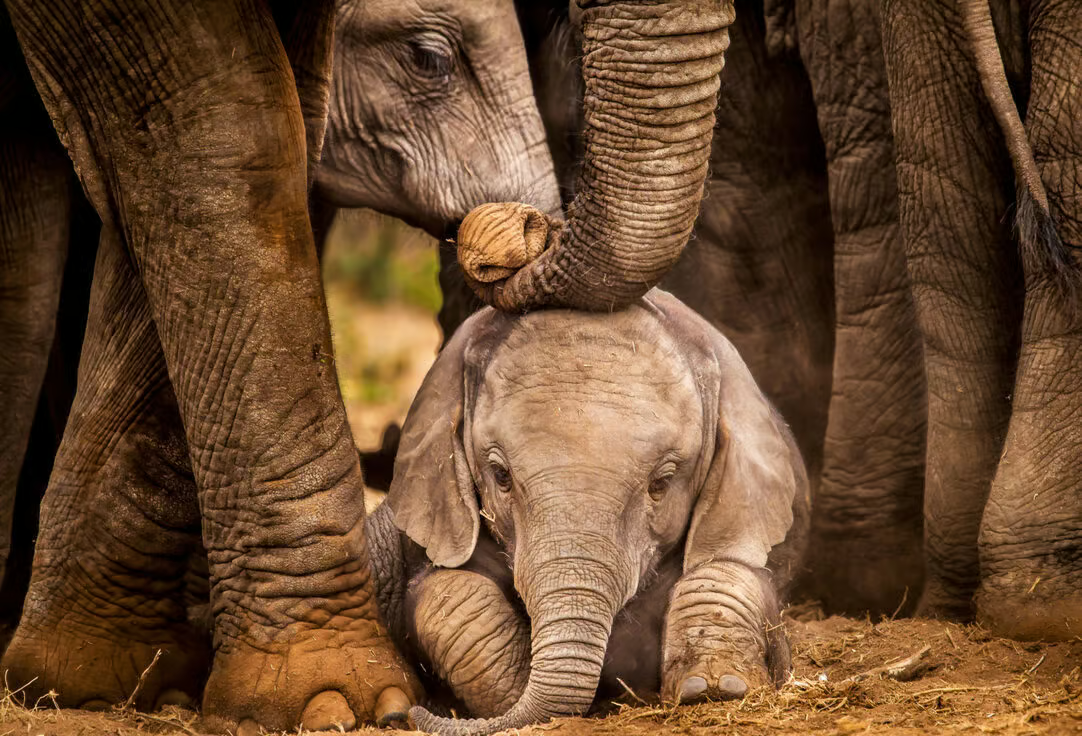
One of the most immediate and devastating threats to Africa’s wildlife is poaching. The illegal hunting of animals, primarily for their tusks, horns, skins, or other body parts, has pushed several species to the brink of extinction. Elephants and rhinoceroses are the prime victims of poaching. The illegal ivory trade, driven by high demand in some Asian markets, has caused a significant decline in elephant populations. In fact, African elephants have seen a staggering 30% drop in population in just the last few decades.
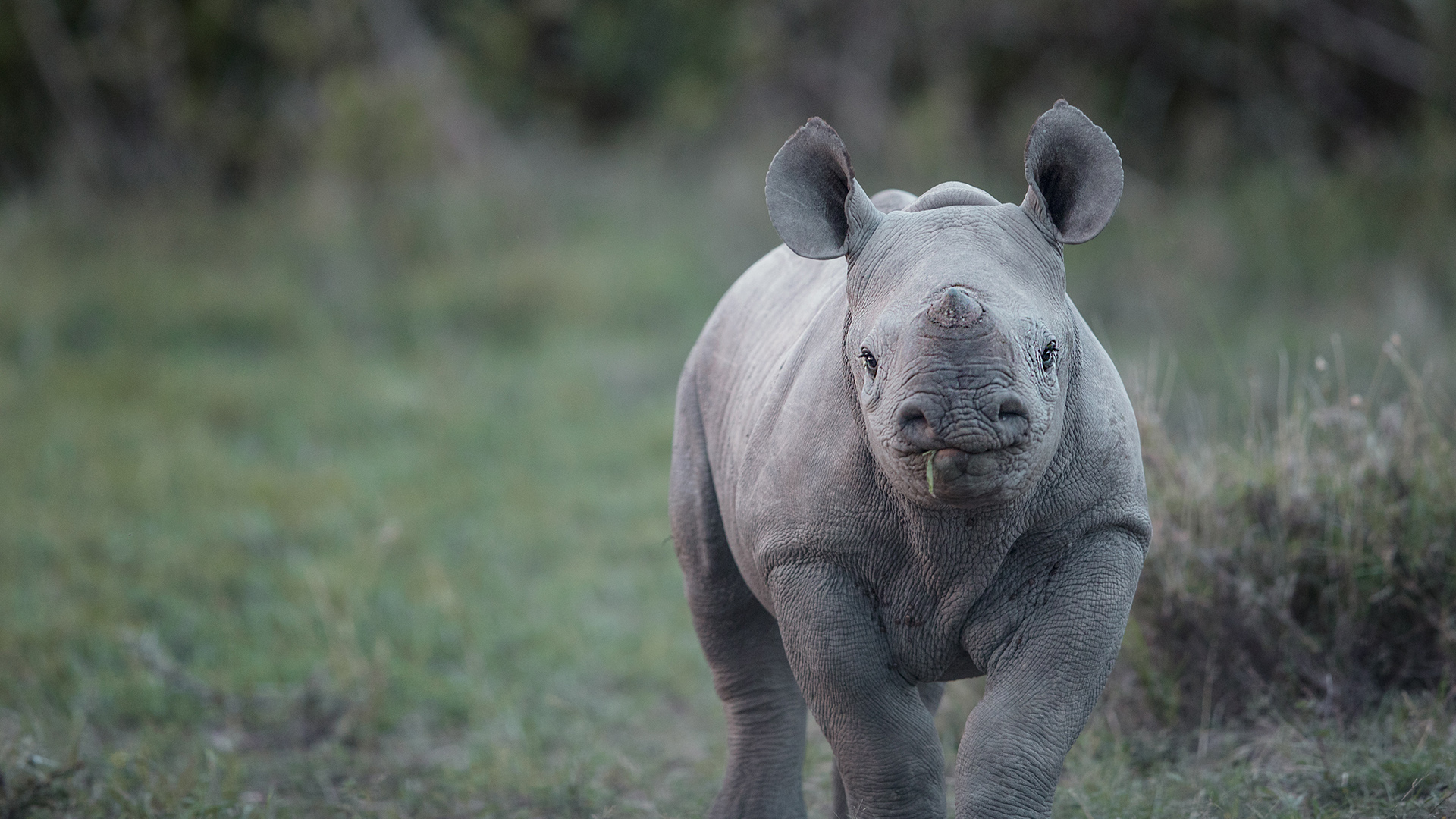
Rhinos, too, are heavily targeted for their horns, which are highly valued in some parts of Asia for their supposed medicinal properties. The black rhino, once abundant in the wild, is now critically endangered, with fewer than 5,000 individuals remaining. Despite international bans and anti-poaching laws, the demand for these products continues to drive illegal hunting, with devastating effects on wildlife populations.
Additionally, big cats like lions, cheetahs, and leopards are also increasingly at risk. Though poaching for their pelts is a part of the issue, human-wildlife conflict, habitat fragmentation, and trophy hunting have further strained these majestic animals. The lion population has plummeted by over 40% in the last three decades, and many populations are now restricted to protected reserves.
Habitat Loss and Fragmentation
Beyond poaching, habitat loss and fragmentation are among the most significant threats to Africa’s wildlife. Rapid population growth across the continent has led to expanding agricultural and urban areas. Forests are cleared for timber, mining operations, and the cultivation of crops, all of which disrupt delicate ecosystems.
The Congo Basin, for example, is one of the largest tropical rainforests in the world, home to endangered species such as the western lowland gorilla and the bonobo. Deforestation and illegal logging have greatly diminished the habitat available to these primates, threatening their survival.
Similarly, the expansion of agriculture, especially in countries like Ethiopia and Tanzania, has led to the conversion of vast tracts of savanna and forest into farmlands. The loss of these habitats leaves wildlife with nowhere to roam, hunt, or migrate, creating small, isolated populations that struggle to survive. In many cases, these fragments are too small to sustain viable populations, leading to inbreeding and genetic bottlenecks.
Climate Change: A Slow, Yet Steady, Threat
While the immediate dangers of poaching and habitat loss are apparent, climate change is a slower, more insidious threat that is beginning to have a profound impact on Africa’s wildlife. Changing rainfall patterns, rising temperatures, and more frequent droughts are all affecting the continent’s ecosystems.
For instance, the Great Rift Valley, home to numerous species of birds, mammals, and reptiles, is experiencing altered weather patterns that affect food availability and water sources. Some animal species, such as the desert-adapted elephants in Namibia, are already struggling to cope with increasingly erratic weather patterns, leading to water shortages that can threaten survival.
Moreover, the rising temperature of Africa’s oceans is having a detrimental impact on marine life. Coral reefs, which are biodiversity hotspots, are suffering from bleaching and ocean acidification. This affects not only marine species but also the livelihoods of those dependent on the ocean for food and tourism.
Human-Wildlife Conflict: A Growing Issue
As human populations increase and expand into new areas, the interaction between people and wildlife has become more frequent and often more violent. In many parts of Africa, farmers and herders live side by side with wildlife, which frequently leads to conflicts. Elephants, for instance, often raid crops, leading to significant economic losses for farmers. In retaliation, farmers may resort to killing the animals.
Similarly, lions and other carnivores occasionally prey on livestock, which leads to conflicts with herders who see these predators as a direct threat to their livelihoods. In some areas, entire herds of cattle have been lost to predators, and the animosity between farmers and wildlife grows.
This human-wildlife conflict not only threatens the survival of animals but also undermines conservation efforts. As communities see wildlife as a threat to their livelihoods, they are less likely to support conservation initiatives, thus exacerbating the problem.
Conservation Efforts: Hope on the Horizon
Despite these serious challenges, there are many conservation efforts underway across Africa that provide hope for the future. The continent has seen the establishment of numerous protected areas, national parks, and wildlife reserves, which play a vital role in safeguarding biodiversity.
One of the most successful stories in African conservation is the recovery of the black rhino population in Kenya. Through a combination of intensive anti-poaching patrols, habitat restoration, and community engagement, black rhino numbers have started to rise. In the Serengeti and Masai Mara, integrated efforts between local communities, conservationists, and governments have ensured that the lion population remains relatively stable, despite the pressures of poaching and habitat loss.
Community-based conservation projects have also gained traction in countries like Namibia, where the “conservancy” model allows local communities to benefit directly from wildlife conservation. By involving communities in the management of wildlife and its benefits, these programs have created a sense of ownership and stewardship, which has led to the protection of both animals and ecosystems.
International organizations, such as the World Wildlife Fund (WWF), African Wildlife Foundation (AWF), and the International Union for Conservation of Nature (IUCN), continue to work tirelessly to combat poaching, protect habitats, and promote sustainable development. These organizations often work alongside governments to enforce anti-poaching laws, support research, and engage in public awareness campaigns.
Conclusion: A Call for Action
Africa’s wildlife is undoubtedly under threat, but it is not beyond saving. The combined efforts of governments, conservation organizations, and local communities offer a ray of hope for the continent’s endangered species. However, these efforts must be supported by continued political will, international cooperation, and financial investment.
It is crucial for both African nations and the global community to recognize the intrinsic value of Africa’s wildlife, not only for its biodiversity but also for the economic, cultural, and environmental benefits it provides. As we move forward, it is essential to take a holistic approach to conservation—one that addresses poaching, habitat destruction, climate change, and human-wildlife conflict in a coordinated and sustainable way.
Only through these collective efforts can Africa’s wildlife continue to thrive and inspire future generations.