




Africa is a continent teeming with natural wealth—abundant mineral reserves, vast tracts of arable land, oil, and gas. It holds about 30% of the world’s mineral reserves and is home to some of the richest deposits of gold, diamonds, and copper. Yet, despite this wealth, many African nations continue to grapple with profound economic struggles, including widespread poverty, political instability, and slow development. This paradox of rich resources and poor outcomes has intrigued economists, policymakers, and scholars alike for decades.
This article seeks to explore the reasons behind this disparity, uncovering the complexities that prevent Africa from fully benefiting from its natural riches. It will examine a combination of historical, political, economic, and social factors that have shaped the continent’s economic trajectory, offering insights into how Africa can unlock its true potential.
The Historical Context: Colonialism’s Long Shadow
Africa’s struggle with resource wealth cannot be fully understood without examining the colonial period. From the late 19th century until the mid-20th century, much of Africa was colonized by European powers. During this period, colonial powers extracted resources with little regard for the welfare of local populations, leaving behind infrastructure designed to serve the interests of the colonizers rather than the indigenous people.
Colonial economies were typically structured around the extraction of raw materials, such as minerals, timber, and agricultural products, which were sent to Europe for processing and manufacturing. This left Africa with an economy that was heavily dependent on primary industries, with little development of local industries or diversification. The infrastructure that was built—such as roads, ports, and railways—was primarily designed to facilitate the export of raw materials, rather than to foster local economic development.
In addition to resource extraction, colonial powers imposed artificial borders that often grouped together ethnic and cultural groups with little regard for historical relationships. These borders have had lasting effects on political stability, contributing to ethnic tensions, civil wars, and fragile statehood that still impact the continent today.
The Resource Curse: A Double-Edged Sword
The “resource curse,” also known as the “paradox of plenty,” refers to the phenomenon where countries rich in natural resources tend to experience slower economic growth, greater inequality, and more political instability than countries with fewer natural resources. This is a puzzling and counterintuitive reality, as one would expect nations rich in resources to thrive economically. Yet, many African countries embody this paradox.
Overreliance on Resources
The primary reason behind the resource curse is the overreliance on natural resource exports. Many African economies depend heavily on a small number of commodities—oil, minerals, and agricultural products—that are vulnerable to fluctuations in global markets. A sudden drop in the price of oil or copper, for example, can devastate a country’s economy. This dependence on a few key resources often stunts the development of other sectors such as manufacturing, technology, and services, leaving the economy vulnerable to external shocks.
Dutch Disease
Another manifestation of the resource curse is what economists call “Dutch Disease,” which occurs when a country’s natural resource boom leads to an appreciation of its currency, making other sectors like agriculture and manufacturing less competitive. In the 1960s, when the Netherlands discovered large natural gas reserves, the surge in gas exports caused the Dutch guilder to appreciate, which in turn harmed other industries in the economy. The same phenomenon has been observed in several African countries. When revenues from oil or minerals flood into the economy, local currencies appreciate, making other exports less competitive and harming the agricultural sector that many African countries depend on for food security and employment.
Corruption and Mismanagement
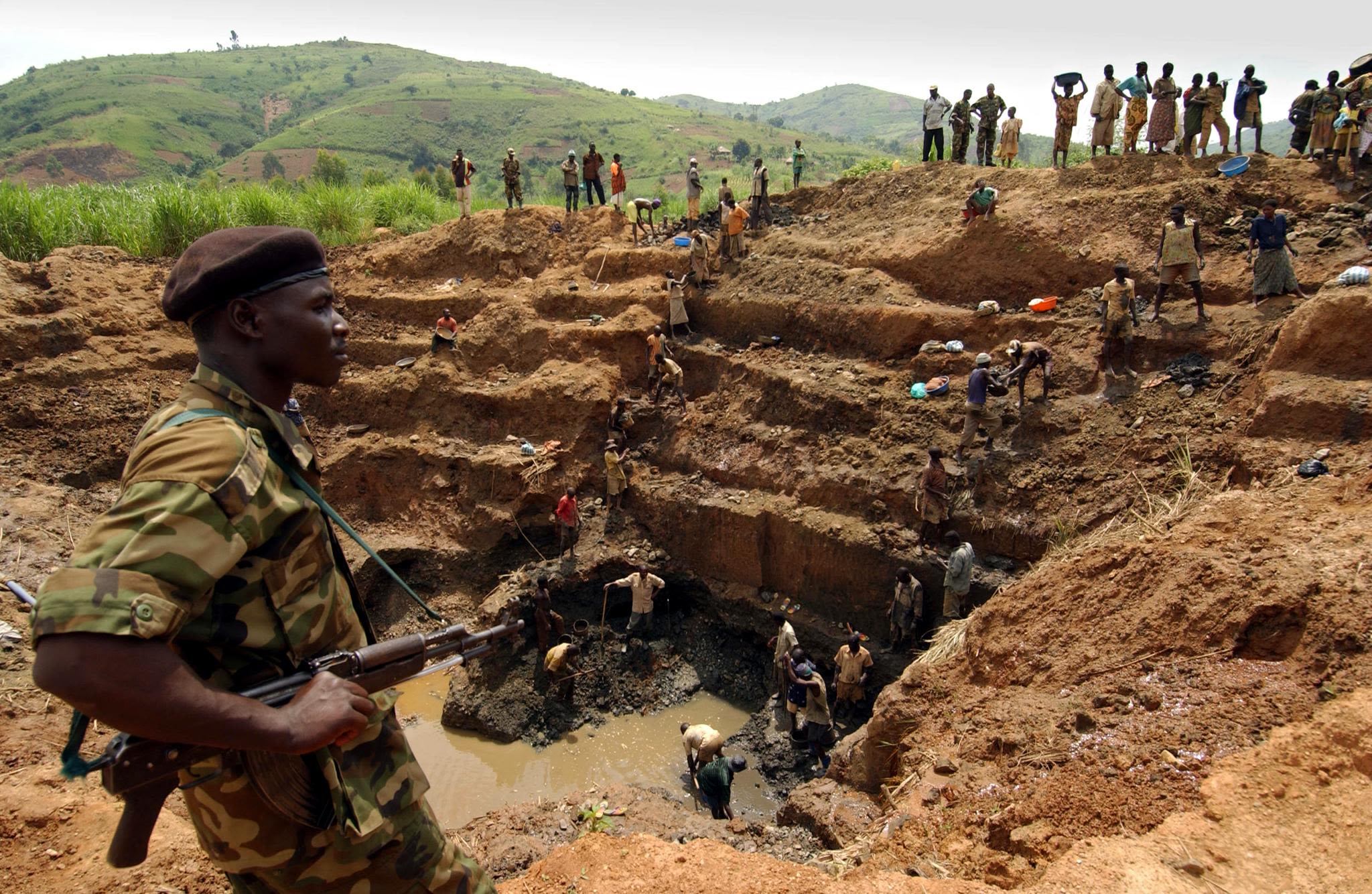
The presence of vast natural wealth can also fuel corruption and political instability. In many African countries, the immense revenue generated from resource extraction often ends up in the hands of a small elite, leaving the general population without the benefits of these resources. Corruption, poor governance, and mismanagement of resources have been rampant in many African nations. Leaders and officials often divert resource wealth for personal gain, exacerbating poverty and inequality. In some cases, the control of lucrative resources has led to conflict and violence as various groups fight for access to the wealth, further destabilizing the country.
Political Instability and Governance Challenges
Africa’s economic challenges are often compounded by political instability. Many African nations have experienced military coups, authoritarian regimes, and civil wars, all of which have undermined effective governance and hindered development.
Weak Institutions
One of the central issues facing many African countries is the lack of strong institutions. Institutions like the rule of law, independent judiciaries, and transparent financial systems are crucial for economic development. However, in many African countries, these institutions are either weak or non-existent. Without robust institutions, countries cannot effectively manage their resources or invest in infrastructure and public services.
Conflict and Civil Wars
Resource wealth can also exacerbate conflict. In countries like the Democratic Republic of Congo (DRC), oil and minerals have been at the heart of violent conflicts. Armed groups often fight for control of resource-rich regions, leading to instability and displacing millions of people. In some cases, foreign powers or multinational corporations have also played a role in fueling conflicts by supporting particular factions in exchange for access to resources.
Civil wars and armed conflicts disrupt trade, damage infrastructure, and drain resources that could otherwise be used for development. Even after conflicts end, the aftermath often leaves nations with massive reconstruction needs, which can take decades to address.
The Role of Multinational Corporations
Another factor contributing to Africa’s economic struggles is the role of multinational corporations (MNCs) in the extraction of resources. While these companies bring investment and technology, their operations often do not benefit local economies as much as they could. In many cases, MNCs extract resources with minimal local investment, repatriate profits to their home countries, and avoid paying fair taxes.
In addition, many MNCs sign deals with African governments that allow them to extract resources at low rates, with little regard for the environmental or social impacts. These arrangements often benefit only the elites in power, further entrenching inequality and stifling local development. Moreover, the exploitation of resources can lead to environmental degradation, which harms the agricultural sector and other industries that many Africans depend on for their livelihoods.
The Global Economic System and Debt
The global economic system also plays a significant role in Africa’s economic challenges. Many African countries face enormous debt burdens, often accumulated through loans from international financial institutions or foreign governments. These loans are typically taken out for infrastructure projects, but the returns from these projects are often not sufficient to repay the debt, leading to a vicious cycle of borrowing.
In addition to the debt problem, Africa’s integration into the global economy has often worked to its disadvantage. The continent’s position in global trade is largely shaped by its role as a supplier of raw materials, with limited access to higher-value industries like technology, manufacturing, and services. This leaves African economies vulnerable to the volatility of commodity markets, while more developed nations continue to reap the benefits of industrialization and technological innovation.
Education, Infrastructure, and Human Capital Development
Beyond the political and economic factors, Africa’s struggle with economic development also relates to the underinvestment in education, infrastructure, and human capital. In many African countries, there is a severe shortage of skilled workers, particularly in industries that could help diversify the economy. While the continent has made strides in education, it still faces significant challenges in providing quality education to all its citizens, especially in rural areas.
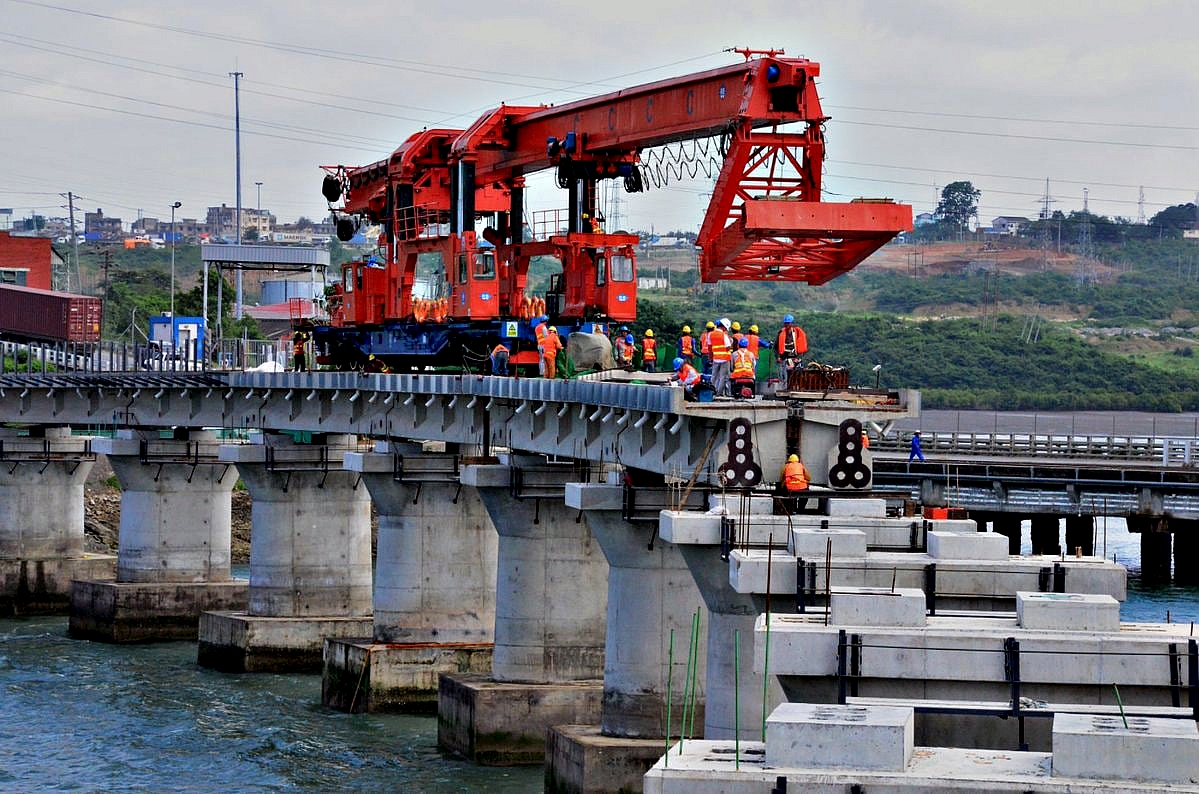
Infrastructure also remains a major bottleneck. While some African countries have made significant improvements, many still lack basic infrastructure such as roads, electricity, and reliable internet access. Without this infrastructure, it is difficult for businesses to thrive, for industries to grow, and for economies to diversify.
Moving Toward Economic Diversification and Sustainable Growth
While Africa faces many challenges, there are also significant opportunities. The continent is home to a youthful and growing population, which could drive future economic growth if properly harnessed. Additionally, many African nations are beginning to recognize the need for economic diversification—shifting away from reliance on natural resource extraction and investing in sectors like manufacturing, technology, and services.
Several African countries are already seeing positive trends in this regard. For example, Kenya has emerged as a regional hub for technology and innovation, with companies like Safaricom leading the way in mobile banking. Ethiopia has made strides in industrialization, focusing on textiles and manufacturing. Other countries are turning to renewable energy sources like solar power to reduce their reliance on fossil fuels and build sustainable economies.
Furthermore, initiatives like the African Continental Free Trade Area (AfCFTA) aim to create a single market for goods and services across the continent, which could help boost intra-African trade and reduce reliance on external markets.
Conclusion
Africa’s natural resource wealth offers immense potential for economic growth and development. However, a combination of historical, political, and economic factors has prevented many African countries from fully benefiting from their resources. Colonial legacies, weak institutions, corruption, political instability, and the resource curse have all contributed to the continent’s economic struggles. To unlock its full potential, Africa must focus on diversifying its economy, improving governance, investing in education and infrastructure, and fostering sustainable development. With the right policies and investments, Africa has the opportunity to transform its natural wealth into long-term prosperity.