





Throughout history, Europe has been a continent marked by remarkable dynamism—borders shifting, empires rising and falling, and societies reinventing themselves. However, in modern times, certain European nations have garnered a reputation for being particularly resistant to change. Whether it’s in political, economic, or social reforms, some countries seem to prefer the status quo, resisting new ideas, policies, or practices. This resistance is often perceived as a hindrance to progress, especially in the face of global challenges that demand innovation and adaptation.
But why do some European nations appear so reluctant to change? Is it rooted in historical factors, cultural attitudes, or the structure of their political systems? This article explores the multifaceted reasons behind the resistance to change in certain European nations, drawing on historical, cultural, and political contexts.
Historical Legacy: A Burden of Tradition
For many European countries, tradition holds significant weight in shaping national identity. This is particularly evident in countries like France, Italy, and the United Kingdom, where centuries of historical continuity have instilled a strong sense of pride in the past. The great empires, revolutions, and philosophical movements that originated here still shape the way these societies view themselves today. In some cases, this reverence for tradition can manifest as a reluctance to embrace change.
In the UK, for instance, the idea of “stability” has always been central to its political system. The British monarchy, Parliament, and common law system have evolved over centuries, fostering an attachment to longstanding institutions. Any attempt to radically alter these systems is met with skepticism. Similarly, in France, the weight of the French Revolution—an event that fundamentally altered the course of history—continues to shape political discourse. While the Revolution itself was a catalyst for change, it also created a deep-rooted sense of resistance to what is perceived as overly dramatic shifts in power or governance.
Economic Systems: The Comfort of the Familiar
Economic systems, particularly in nations like Germany and Italy, are often built on a foundation of strong industrial sectors and welfare states. These systems have served their populations well, providing stability and a relatively high standard of living. For instance, Germany’s social market economy—a model that blends free-market capitalism with strong social policies—has been highly successful. The nation’s commitment to this economic structure, however, has created a certain inertia, with a resistance to adopting radically new economic policies.
In contrast, many younger European economies, such as those in Eastern Europe, have had to adapt rapidly to global market forces after the fall of the Iron Curtain. However, even in these countries, deep-rooted economic structures that date back to the Soviet era sometimes present barriers to rapid reform. The push for liberalization and privatization can be met with resistance from both political elites and ordinary citizens who fear the consequences of changing systems that have offered them stability for decades.
Political Systems and Bureaucratic Resistance
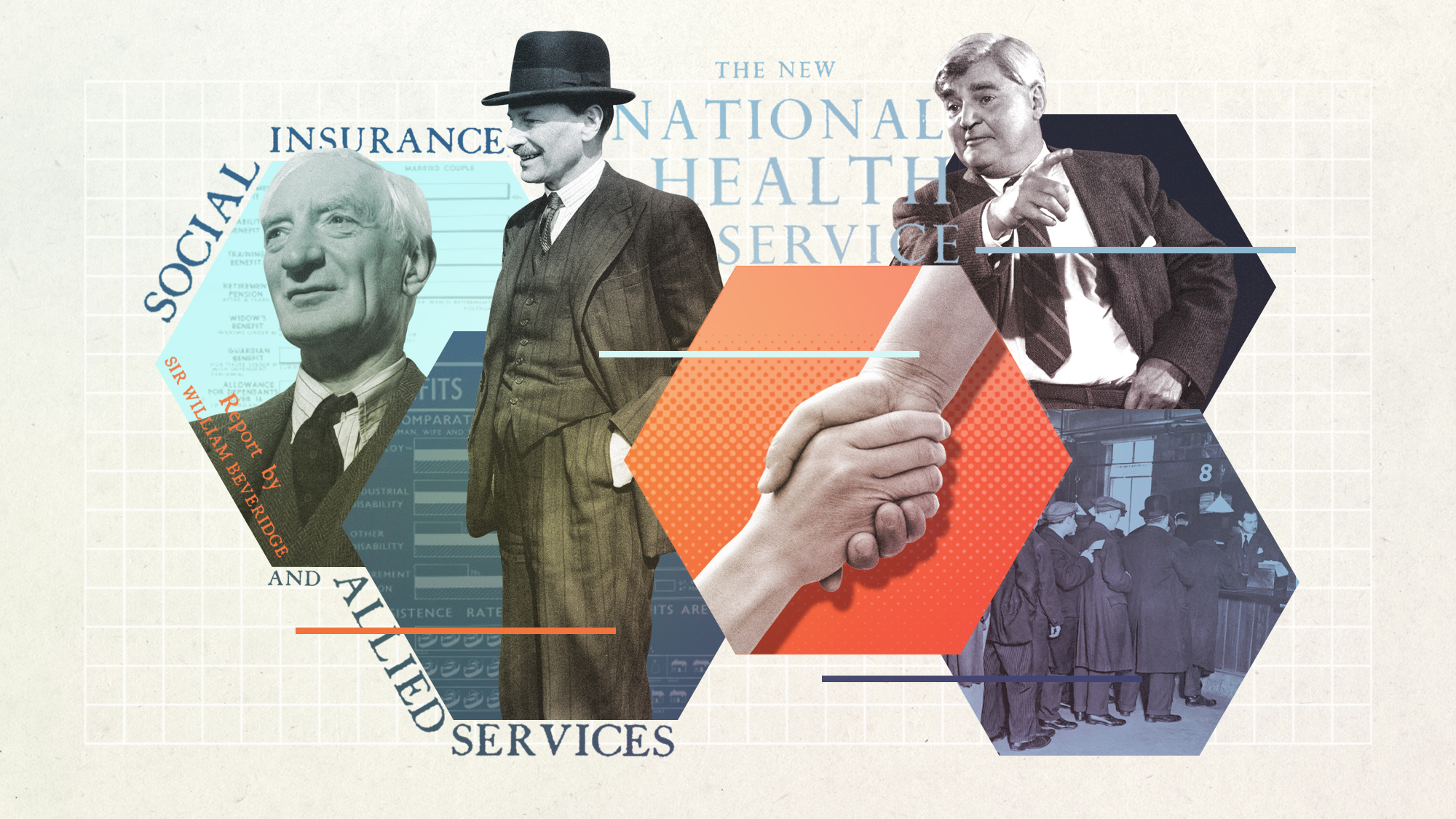
One of the most significant sources of resistance to change in European nations is often found within their political systems. Bureaucracies in many European countries are vast and entrenched, making any attempt to introduce reform a monumental task. Civil servants, local governments, and institutions that have been in place for generations are not always willing to embrace change, especially if it threatens their power or privileges.
In nations like France and Italy, where political systems are often fragmented and dominated by multiple parties, coalition governments are frequent. This creates an environment where reform becomes difficult to achieve. When power is distributed among so many different actors, it becomes nearly impossible to forge consensus on key issues, which can stifle efforts to implement meaningful change.
Moreover, Europe’s highly developed welfare states—while providing much-needed support to citizens—are often seen as inefficient and overly bureaucratic. The complexity of these systems can make change seem like an insurmountable task. In the European Union, attempts to introduce new policies often encounter resistance not only from national governments but from regional and local authorities that fear losing control over their own affairs.
Cultural Factors: The Influence of Collective Memory
Cultural values and collective memory play a pivotal role in shaping attitudes toward change in European countries. Nations that have experienced significant upheaval, such as Germany, France, and Spain, often have a deep-seated skepticism toward radical changes in the political or social order.
For example, after the trauma of two World Wars, many European nations developed a heightened sense of caution about political ideologies and revolutions. The scars left by fascism, communism, and nationalism have made many Europeans wary of change, especially when it comes to political or social ideologies. In countries like Germany, the memory of the Nazi regime continues to influence public discourse and policies, making any move toward nationalism or authoritarianism deeply unpopular.
Additionally, the cultural emphasis on social cohesion and stability in many European nations can contribute to resistance to change. In societies where communal values are prioritized, there may be a reluctance to embrace ideas or practices that challenge established norms. The notion of social harmony is often deeply ingrained in the national consciousness, leading people to resist changes that could disrupt this balance.

Demographic Factors: Age and Generational Divide
Europe’s aging population is another important factor in understanding resistance to change. As many European countries experience low birth rates and aging populations, older generations often dominate political, social, and economic decision-making. This demographic imbalance can lead to a preference for maintaining the status quo, as older citizens are generally more conservative and less inclined to support sweeping reforms.
This generational divide is particularly noticeable in countries like Italy and Spain, where older citizens often hold significant political power. In such nations, younger generations may be more progressive and eager for change, but they face resistance from the older generations, who are more concerned with preserving the stability they have known throughout their lives.
Moreover, an older population is often more cautious about embracing new technologies or social trends. This can lead to a slower pace of technological adoption and innovation in some European nations, particularly when compared to countries with younger, more tech-savvy populations.
The European Union and Globalization: Tensions Between National Sovereignty and Integration
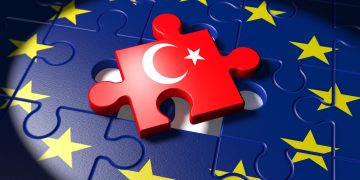
The European Union (EU) has played a crucial role in shaping the political landscape of Europe over the past several decades. On the one hand, the EU has promoted economic integration, the free movement of people, and policy harmonization across member states. On the other hand, the EU has also become a source of tension, particularly among those who feel that national sovereignty is being undermined by supranational institutions.
Some European nations, particularly those in Central and Eastern Europe, have been resistant to further EU integration, viewing it as a threat to their national identity and autonomy. This is evident in countries like Hungary and Poland, where governments have pushed back against EU policies on issues such as immigration, judicial independence, and LGBTQ+ rights.
The tension between national sovereignty and EU integration is not just a political issue; it is also a cultural one. For many Europeans, membership in the EU has required a rethinking of their national identity and values. This can provoke resistance from citizens who feel that they are being asked to give up aspects of their culture and way of life in exchange for the benefits of EU membership.
Conclusion: Resistance as a Double-Edged Sword
Resistance to change in Europe is not necessarily a negative force. In many cases, it stems from a desire to protect national traditions, ensure economic stability, and preserve social cohesion. However, this resistance can also impede progress, especially in the face of global challenges such as climate change, technological disruption, and geopolitical tensions.
Ultimately, the question of whether Europe can embrace change is a complex one, influenced by a combination of historical, cultural, economic, and political factors. As Europe continues to evolve, the challenge will be finding a balance between respecting tradition and embracing innovation. The future of Europe may depend on its ability to adapt to new realities without losing sight of the values and principles that have shaped its rich history.