


In the 21st century, the world is making significant strides toward cleaner energy sources, aiming to combat climate change and reduce dependence on fossil fuels. Yet, despite the global push for sustainability, some European countries remain heavily reliant on coal, oil, and natural gas. While many nations in the region have taken steps to transition to renewable energy, the road to sustainability is not always straight and smooth. Economic, political, and social factors all play a part in explaining why some countries are more reluctant than others to phase out fossil fuels. But what is the deeper story behind this persistence, especially in Europe—home to some of the most ambitious climate policies?
1. Economic Considerations: The Heavy Cost of Transition
One of the major reasons some European countries continue to rely on fossil fuels is the financial burden of shifting to renewable energy. Renewable technologies, such as wind, solar, and hydroelectric power, have become much more affordable over the past decade. However, transitioning an entire country’s energy infrastructure from fossil fuels to green alternatives remains a colossal challenge. It requires substantial upfront investment, long-term planning, and infrastructural overhauls.
Countries like Poland, for example, have large, coal-based industries that are deeply embedded in their economies. Coal mining and coal-fired power plants provide thousands of jobs, and shifting away from this resource risks economic disruptions, including significant unemployment in these sectors. The financial strain of retraining workers, decommissioning old plants, and building new energy infrastructure is often too daunting for governments to manage swiftly.
Moreover, some of the wealthier European nations, like Germany, have historically invested heavily in coal-based energy and now face the difficult task of transitioning from a fossil-fuel-based energy mix to greener sources. Although Germany is known for its “Energiewende” (energy transition) program, the process has been costly and has faced challenges such as rising energy prices and the struggle to balance the energy needs of industries and households.
2. Energy Security and Reliability
Another crucial reason behind the continued reliance on fossil fuels is energy security. Many European countries, especially those without significant domestic renewable resources, remain dependent on oil, gas, and coal to ensure a steady and reliable supply of energy. Renewable energy sources, such as solar and wind, are intermittent, meaning they do not always produce energy when demand is high, or when weather conditions are unfavorable.
This variability presents a problem for countries that require a stable energy supply to support their industrial sectors, transport systems, and households. In some cases, fossil fuels provide the necessary backup power. Nuclear energy can also serve as a stable alternative, but not every country in Europe is willing to embrace nuclear energy due to safety concerns and political opposition.
Natural gas is considered a “transitional fuel” because it produces fewer emissions than coal or oil. However, countries like the UK, Italy, and the Netherlands have found it difficult to reduce their reliance on gas, especially with fluctuating global energy prices. Natural gas, unlike solar or wind power, can provide a consistent and dependable energy source when the sun isn’t shining or the wind isn’t blowing.
3. Political and Geopolitical Factors
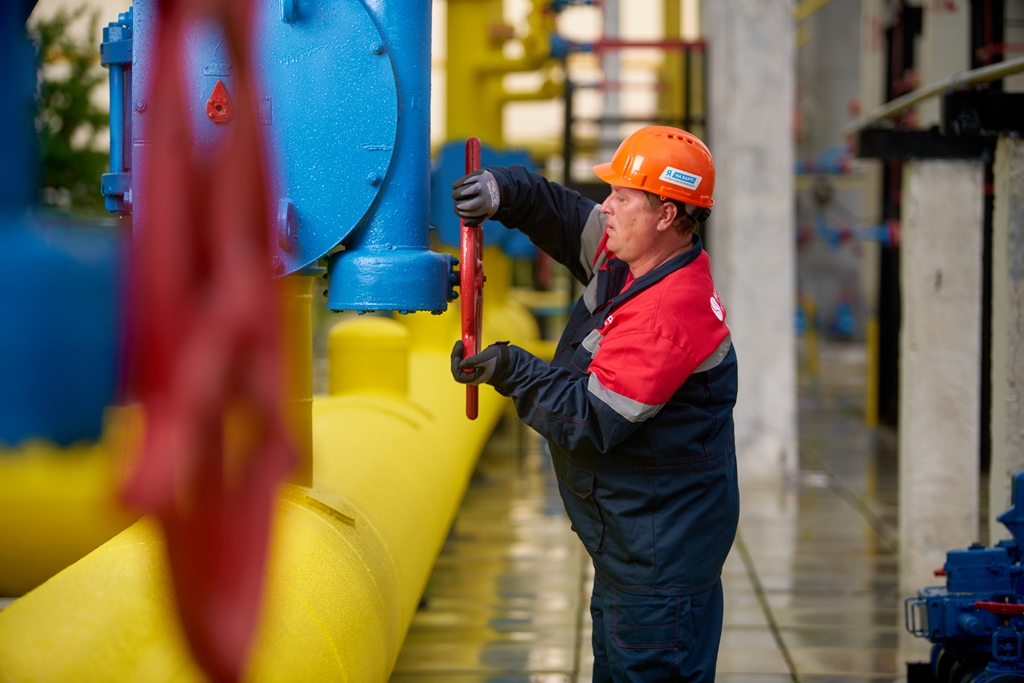
In addition to economic and technical challenges, politics also plays a major role in the continued reliance on fossil fuels. In some countries, fossil fuel industries hold significant political power, and energy policy may be heavily influenced by these lobbies. In Poland and Hungary, for instance, domestic fossil fuel industries are strong, and their political influence often shapes national policies. These industries are deeply embedded in the national economy, making it more challenging for governments to implement policies that would effectively limit fossil fuel consumption.
Furthermore, European countries that rely on imported fossil fuels face geopolitical dilemmas. Russia, in particular, has been a major supplier of natural gas to Europe for decades, and many European countries are highly dependent on Russian energy exports. While the EU has made strides toward reducing this dependency, especially in light of the conflict in Ukraine, the process is slow and fraught with challenges.
For example, countries like Germany and Italy have been caught in a delicate balancing act—working to reduce their reliance on Russian energy while simultaneously seeking to maintain economic stability. Fossil fuels remain a crucial link in maintaining energy ties with countries that supply oil, gas, and coal. Political decisions, therefore, often prioritize short-term energy security over long-term climate goals.
4. Cultural and Social Resistance to Change
Social factors also contribute to the slow transition away from fossil fuels. Many citizens in coal-dependent regions view the fossil fuel industry not just as an economic driver but as part of their identity and culture. In places like Wales, Scotland, and parts of Germany, coal mining has been a way of life for generations, and the livelihoods tied to the industry are significant.
While younger generations may be more inclined toward sustainability and environmental consciousness, older generations may have a more ingrained attachment to the industries that have sustained their communities. This cultural resistance to change can make it politically difficult for governments to take drastic steps to reduce fossil fuel reliance, especially when the affected communities represent key voting blocs.
Moreover, governments must also contend with the influence of populist movements, which may use fears about job losses in traditional sectors (like coal, gas, and oil) to stoke political support. In some countries, environmental policies are viewed as elitist or out of touch with the concerns of the working class, and this sentiment can fuel resistance to renewable energy initiatives.

5. The Complexity of the Energy Transition
The transition to a green energy economy is not just about replacing fossil fuels with renewables. It’s also about ensuring that this shift is done in a way that doesn’t undermine economic stability or energy security. Many European countries face the dilemma of how to reduce their dependence on coal, oil, and gas while also maintaining the ability to meet their energy needs reliably.
Countries with limited access to renewable resources or those in geographically challenging locations face additional barriers. For example, while the UK and Denmark have excellent wind resources, landlocked countries such as Hungary or Switzerland may not have the same level of access to these renewable sources. Without access to abundant natural energy resources, these countries must rely more heavily on imported fossil fuels or nuclear power.
The sheer scale of the transition to a net-zero economy also makes it complex. Even if a country has a strong renewable energy sector, there are still issues of grid infrastructure, energy storage, and investment in new technologies. The scale of transformation required can be overwhelming for governments and businesses, especially when considering the potential political fallout from rising energy prices, potential job losses, and industrial relocation.
6. The Influence of Global Markets
Global fossil fuel markets are another important factor in the continued reliance on fossil fuels in Europe. Fossil fuel prices are often volatile, influenced by a range of geopolitical factors, supply-demand dynamics, and market speculation. This volatility can make it difficult for countries to predict energy costs, which in turn affects their energy security strategies.
Even as many European nations ramp up their efforts to transition to greener energy sources, they remain intertwined with global markets that continue to prioritize fossil fuels. The global energy transition is occurring unevenly, and many countries, especially in developing regions, are still building fossil-fuel-based infrastructure. As long as these global markets continue to push fossil fuel consumption, Europe’s energy transition may be slower than hoped.
7. The Role of Fossil Fuel Subsidies
While many European nations are reducing their fossil fuel subsidies, some countries still provide significant financial support to coal, oil, and gas industries. These subsidies can make it more attractive for countries to continue extracting and burning fossil fuels, as they reduce the cost of energy production. Governments may be reluctant to remove these subsidies due to concerns about political fallout, especially if it means higher energy prices for consumers.
In some cases, fossil fuel subsidies are seen as a way to protect energy security and keep prices stable, particularly in the face of economic uncertainty. However, these subsidies can delay investment in cleaner energy technologies and prolong the life of fossil fuel-based infrastructure. The international pressure to reduce these subsidies has increased, but the pace of change is often slow.
Conclusion: A Balancing Act for Europe’s Energy Future
The reasons behind Europe’s continued reliance on fossil fuels are complex and multifaceted. From economic concerns to political factors, energy security, and cultural resistance, the transition away from fossil fuels is a delicate balancing act. Some countries are making impressive progress toward green energy, while others are facing significant challenges. However, Europe’s energy landscape is changing, and as technological innovation, public pressure, and policy frameworks continue to evolve, the reliance on fossil fuels is likely to diminish over time.
The road to sustainability is neither simple nor fast, but Europe’s ambitious climate goals and commitment to the Paris Agreement provide a beacon of hope for the future. As renewable energy technologies continue to improve and the global community unites in the fight against climate change, it’s likely that Europe will eventually overcome these obstacles, transforming its energy systems for a greener tomorrow.