









Space exploration has been a realm traditionally dominated by the United States, Russia, and more recently, China. Yet, in the 21st century, a new and exciting player is beginning to rise on the global space stage — Africa. With its vast landscapes, emerging technological ecosystems, and increasing international interest, Africa could very well become the next frontier in space exploration.
But why is Africa poised for a space revolution? What are the factors that are pushing this continent toward the cosmos? In this article, we’ll explore the opportunities and challenges that lie ahead, while examining how African countries are positioning themselves to participate in, and even lead, the next wave of space exploration.
1. A Growing Space Sector in Africa
Historically, Africa’s involvement in space exploration has been modest. However, recent years have seen a dramatic shift. Africa’s emerging space industry has begun to flourish, driven by local governments, private companies, and international partnerships. The African Union’s (AU) 2016 African Space Policy and Strategy laid a comprehensive foundation to coordinate space activities across the continent, setting clear goals for growth, innovation, and collaboration.
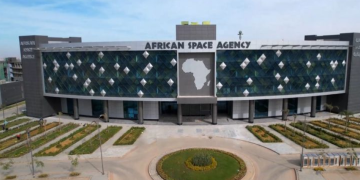
A key milestone in this development was the creation of the African Space Agency (ASA) in 2018, headquartered in Egypt. The ASA aims to promote cooperation in space-related activities among African nations, while also strengthening the continent’s capacity to address challenges in areas such as agriculture, climate change, education, and healthcare through space technology.
One of the most notable advancements is the establishment of several African spaceports and satellite programs. For example, the South African National Space Agency (SANSA) has made significant strides with the country’s satellite program, focusing on remote sensing and earth observation. Meanwhile, Nigeria’s National Space Research and Development Agency (NASRDA) has launched multiple satellites, with plans to increase satellite capability in the coming years.
2. Space and Africa’s Development Needs
Why is space exploration particularly relevant for Africa? The answer lies in the unique challenges the continent faces. Africa is home to over 1.3 billion people, and its nations confront numerous challenges, including poverty, poor infrastructure, climate change, food insecurity, and limited access to quality healthcare.
Space technology, particularly satellites, has already begun to address many of these issues. Earth observation satellites provide invaluable data for monitoring weather patterns, predicting agricultural yields, managing natural resources, and responding to disasters. For instance, Africa’s ability to predict and respond to droughts, floods, and locust infestations has been greatly enhanced by satellite imagery. Similarly, satellite data can be used to monitor environmental issues, such as deforestation and water scarcity, both of which are critical concerns for African nations.
In addition, space-based technologies can help improve education and communication across vast and underserved regions. Satellites enable internet access in remote areas, promoting e-learning and connecting communities with healthcare services, educational resources, and even remote job opportunities.

3. International Partnerships and Investments
Africa’s growing space ambitions have not gone unnoticed by international players. Governments and private companies from around the world are investing in Africa’s space industry. The European Space Agency (ESA), NASA, and private companies like SpaceX and Blue Origin have recognized the strategic importance of engaging with Africa in space exploration.
For example, NASA has been working with African nations to enhance satellite technology, train the next generation of African scientists, and foster greater collaboration on space research. The USA’s commitment to space diplomacy has expanded, with space technology programs now a prominent feature of US-Africa relations.
China, which has rapidly become a dominant force in space exploration, has also increased its presence in Africa. Through initiatives like the China-Africa Cooperation Forum, China has built partnerships with several African countries to assist in satellite development and the sharing of space-related knowledge. As China’s space industry continues to advance, it is likely that African nations will increasingly benefit from collaborative ventures.
4. Private Sector Involvement
In addition to governmental initiatives, Africa is witnessing a surge of private sector interest in space exploration. Startups and entrepreneurs across the continent are leveraging emerging technologies to develop homegrown solutions for space exploration and satellite services.
One of the most notable examples is South Africa’s Space Commercialization Group, which has been instrumental in developing small satellite technology for a variety of commercial and scientific applications. The company’s focus on cost-effective space-based solutions has been integral to expanding the reach of space technologies within Africa.
Moreover, the continent is beginning to foster a new generation of space entrepreneurs who are bringing innovative ideas to the table. Companies like Rwanda’s “Glamazon,” a space tech startup, are designing satellites and related technology to monitor weather, climate change, and environmental issues. Nigeria is also home to several startups focused on space-based technologies, such as Jumia, which aims to enhance the logistics of satellite delivery, among other projects.
Africa’s private sector is expected to play an increasing role in the expansion of the continent’s space capabilities. The innovative and entrepreneurial spirit across African countries is poised to drive new solutions that will further propel Africa into the global space industry.
5. The Rise of Spaceports in Africa
A crucial aspect of Africa’s space future involves the development of spaceports — specialized facilities where spacecraft can be launched into orbit. Spaceports are vital for launching satellites, conducting scientific missions, and even paving the way for human space exploration. Several African nations are in the process of establishing or upgrading spaceports to accommodate the growing demand for space services.

The most high-profile development in this regard is the launch of the Spaceport in South Africa, known as the “South African Space Observatory.” This facility has become an important hub for satellite launches and space research in Africa. It also provides critical support to commercial space companies looking to operate on the continent.
Other countries such as Kenya and Egypt are also working towards the creation of dedicated spaceports. These facilities will help increase Africa’s autonomy in space exploration, reducing reliance on foreign spaceports while creating an avenue for the continent to develop and launch its own space missions.
6. The Role of Education and Training
Another key element in Africa’s space future is the development of human capital. Without a highly skilled workforce, the continent’s ambitions for space exploration would remain out of reach. Fortunately, African nations are increasingly investing in education and training programs to nurture talent in space science, engineering, and technology.
Numerous universities and research institutes across Africa are now offering specialized courses in space sciences, and international collaboration has played a major role in advancing these programs. The African Space Leadership Institute, for example, is training the next generation of African leaders in space technology and policy. Meanwhile, institutions like the University of Nairobi in Kenya and Stellenbosch University in South Africa are developing research programs focused on space sciences.
Furthermore, programs such as the “African Space Research Program” and partnerships with organizations like the European Space Agency provide scholarships and training opportunities for young African students, increasing the continent’s expertise and involvement in space exploration.
7. Challenges Ahead
Despite the impressive strides being made, Africa’s space ambitions are not without challenges. Funding is one of the biggest obstacles to the development of space programs. While there is growing interest from private investors, many African governments face significant budget constraints, which make it difficult to sustain long-term space exploration projects.
Additionally, the lack of infrastructure in many African nations poses a challenge for space initiatives. Reliable power sources, advanced telecommunications networks, and adequate transportation systems are all essential for supporting space exploration activities. While progress is being made, much work remains to be done to ensure that the necessary infrastructure is in place to support the continent’s space endeavors.
Another challenge is the need for stronger governance and policy frameworks. As Africa continues to build its space industry, it will be important for governments to establish clear regulations that promote the peaceful use of space, safeguard national interests, and foster international collaboration.
8. The Future: Africa as a Global Space Leader
Looking ahead, it is clear that Africa is positioning itself to become a significant player in the global space exploration arena. With its growing space capabilities, international collaborations, and innovative private sector, the continent is poised to be a new frontier for space exploration.
In the next few decades, Africa’s role in space exploration could expand beyond satellite development and into human space exploration. Countries like South Africa, Nigeria, and Egypt are already developing the necessary infrastructure, and with the continued support of international partners, these nations could one day host missions to the Moon or even Mars.
Moreover, as space technologies continue to revolutionize industries across the globe, Africa’s growing space capabilities could be leveraged to help solve some of the continent’s most pressing challenges — from food insecurity and health crises to environmental sustainability and climate change.
Conclusion
Africa is on the brink of a space revolution. With the right investments, partnerships, and strategic development, the continent could emerge as a leader in space exploration, providing critical solutions to its own development challenges while contributing to the global space community. As we look to the stars, Africa is poised to play an integral role in shaping the future of space exploration.