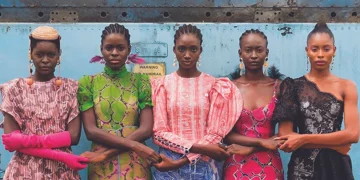








In the vibrant world of fashion, the emergence of African designers and styles has become an undeniable force, transcending borders and influencing global trends. From the streets of Lagos to the runways of Paris, African fashion is no longer just a niche market but a growing industry that is changing the way the world sees creativity, craftsmanship, and cultural expression. As the African fashion scene gains momentum, the question on many minds is: What does the future hold for African fashion in global trends?
This article explores the trajectory of African fashion and its integration into the international fashion landscape, examining key factors such as sustainability, innovation, cultural fusion, digitalization, and the power of African identity. Let’s take a journey through the exciting future of African fashion and its potential to reshape the global style narrative.
1. The Rise of African Fashion: A Global Movement
African fashion has always been rich in heritage, color, and meaning. Traditionally, clothing in African cultures was not just about aesthetics but also served as a symbol of status, religion, or regional identity. Whether through beadwork, intricate textiles, or bold patterns, African clothing conveyed deep stories and histories. Yet, in the past few decades, a wave of innovative African designers has taken these traditional elements and transformed them into modern, high-fashion pieces that are not only appreciated locally but are being embraced on global runways and in fashion capitals.
The advent of social media platforms like Instagram, TikTok, and YouTube has played a critical role in amplifying African fashion. The ease of sharing visual content has allowed designers from the continent to showcase their creations to a worldwide audience, bypassing traditional gatekeepers of the fashion industry. Platforms such as African Fashion International (AFI) and Lagos Fashion Week have propelled designers such as Thebe Magugu, Maki Oh, and Selly Raby Kane into the international spotlight. These designers are blending indigenous African elements with contemporary styles, creating a fusion that resonates with diverse audiences across the globe.
With this growing visibility, the next phase of African fashion is not just about showcasing unique styles but about influencing global trends and redefining what fashion is. From avant-garde runway shows to celebrity endorsements, African fashion is slowly but steadily claiming its place at the table of global influence.
2. Cultural Identity and Representation
One of the most significant shifts in global fashion is the increasing recognition and celebration of cultural diversity. African fashion offers a rich tapestry of cultural narratives, drawing on centuries of history, art, and craftsmanship. Designers are now using fashion as a tool for reclaiming and celebrating African identity. This emphasis on authenticity is becoming a driving force in global fashion, as the world shifts away from homogeneous beauty standards and embraces a broader spectrum of aesthetics.
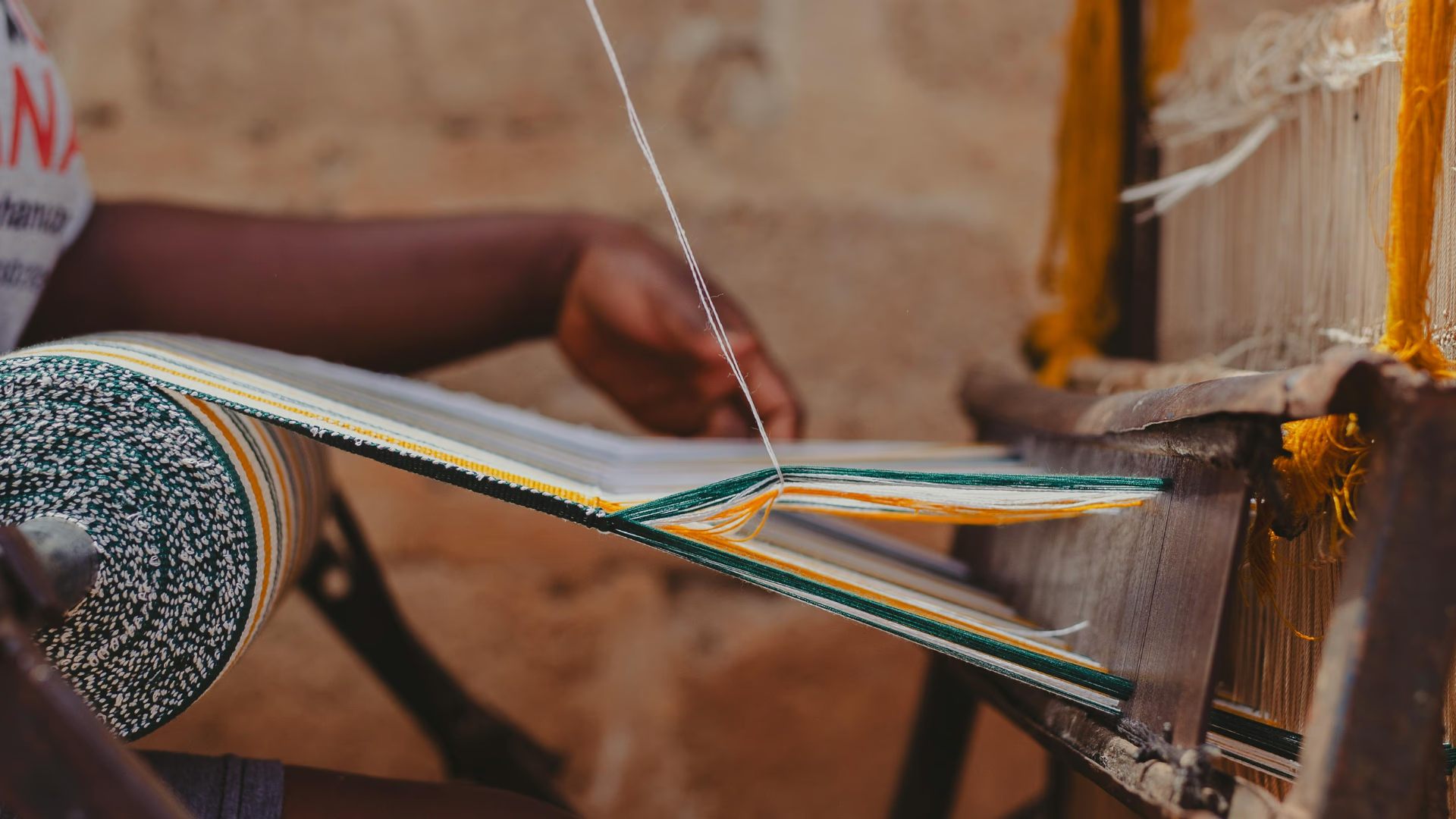
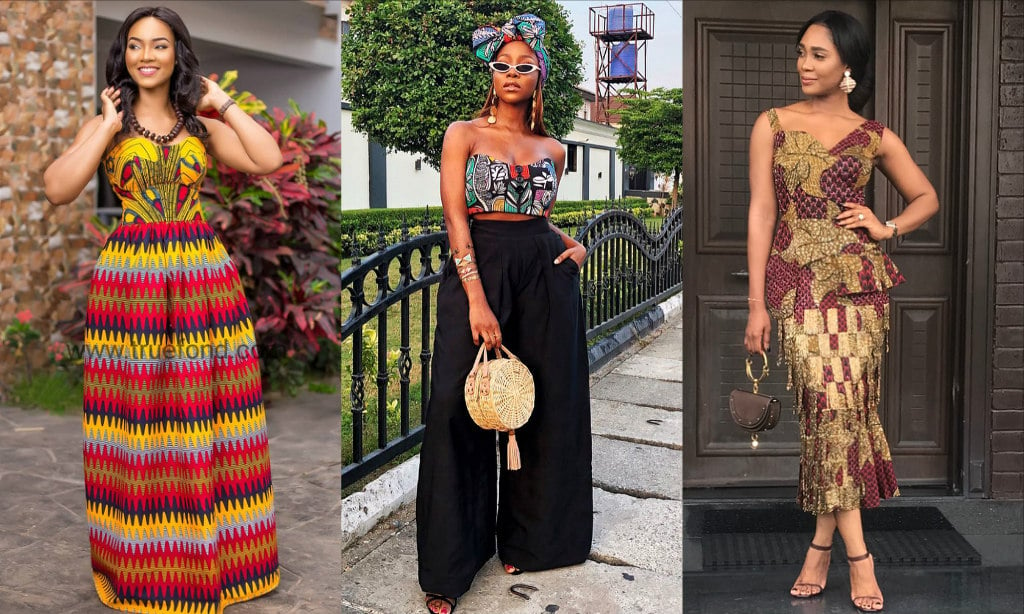
For example, African-inspired prints like Ankara, Kente, and Dashiki have gained international recognition, not merely as “ethnic” motifs but as symbols of pride and cultural heritage. What was once perceived as exotic is now appreciated as a legitimate part of the global fashion vernacular. African fashion is no longer a trend that comes and goes; it has become an enduring influence in the fashion world, with designers from all continents incorporating elements of African culture into their collections.
As African fashion evolves, it is also breaking down stereotypes. The industry’s focus on gender fluidity, body inclusivity, and local empowerment challenges Western ideals of beauty and fashion. African designers are pushing the boundaries of traditional fashion norms, making space for diverse representations of beauty, age, and body type. This broadening of the definition of fashion is not only about celebrating African culture but also about reshaping the global understanding of what fashion can be.
3. Sustainable Fashion: A Key Driver for Africa’s Global Influence
Sustainability is no longer a buzzword in fashion; it has become an essential consideration for designers, consumers, and brands. African fashion has an inherent advantage in this regard, as many African designers have long been committed to working with locally sourced materials and supporting local artisans. In countries like Kenya, Nigeria, and South Africa, fashion has always been deeply connected to the land, with traditional techniques passed down through generations.
As the world grapples with the environmental impact of fast fashion, African designers are poised to lead the charge in sustainable practices. Many African fashion houses are focused on using eco-friendly fabrics, such as organic cotton, bamboo, and recycled materials, as well as promoting ethical production methods. This focus on sustainability aligns perfectly with global fashion’s shift toward more conscious consumption.
Moreover, the concept of “slow fashion” is particularly significant in Africa, where craftsmanship, attention to detail, and longevity have always been valued over mass production. The slow fashion movement emphasizes creating garments that are timeless and durable, as opposed to disposable trends. African designers are uniquely positioned to introduce this mindset to the global market, where consumers are increasingly questioning the environmental and social impacts of their purchasing habits.
Incorporating indigenous textiles and practices into contemporary designs not only supports local economies but also preserves age-old traditions that are an integral part of Africa’s cultural legacy. As the global demand for sustainable and ethically produced clothing rises, African fashion offers a solution that is both stylish and environmentally responsible.
4. Digitalization: The Future of African Fashion
The digital age has revolutionized the fashion industry in countless ways, and African fashion is no exception. Online platforms have allowed African designers to showcase their collections to a global audience without the need for physical showrooms or international travel. This democratization of fashion is enabling designers to reach markets in Europe, Asia, and North America, which would have been otherwise inaccessible.
Moreover, digital technology has opened up new opportunities for collaboration and innovation in the African fashion industry. Virtual fashion shows, augmented reality (AR) fittings, and 3D design software are just some of the tools that are helping African designers to experiment with new techniques and engage with a wider audience. African fashion has embraced these innovations, with designers using digital platforms to experiment with color, shape, and form in ways that were once unimaginable.
African fashion bloggers, influencers, and online stores are also playing a crucial role in promoting African fashion. Social media influencers like Adama Ndiaye and Duro Olowu have built substantial followings by showcasing African-inspired looks and collaborating with international brands. Online platforms like Jumia and Superbalist are helping to bring African fashion to the global marketplace, while also making it more accessible to consumers within the continent.
The digital revolution also enables African fashion to continue challenging the traditional seasonal calendar of fashion. With the rise of fast-paced digital content, the demand for instant gratification has led to more frequent collections and pop-up stores, giving African designers more room to experiment and create at their own pace. As the digital world evolves, African fashion is bound to evolve with it, bringing new ways for the world to interact with and experience African creativity.
5. Innovation and Future Directions
The future of African fashion is one of constant innovation. In an era where fashion is often viewed as cyclical, African designers are continuously pushing the envelope with experimental designs that blend modernity with traditional elements. Whether it’s the use of futuristic materials like 3D-printed fabrics or the fusion of African cultural elements with contemporary Western fashion, innovation is at the heart of Africa’s contribution to global trends.
Another exciting direction is the growing presence of African fashion in the world of luxury. In recent years, African designers have gained recognition in the luxury market, with brands like Ozwald Boateng and Tongoro producing high-end collections that merge African aesthetics with European sophistication. The presence of African fashion in luxury spaces signals that African designers are no longer confined to the margins of the fashion industry. They are increasingly being recognized as innovators who are shaping the future of global fashion.
The African fashion industry is also investing in education and infrastructure, which will further strengthen its global standing. Design schools and incubators across the continent are fostering the next generation of African designers, while the establishment of fashion hubs like the Lagos Fashion Week and the Kigali Fashion Week offer opportunities for young designers to showcase their talent on a global stage.
6. Conclusion: African Fashion’s Global Future
The future of African fashion is rich with promise. It is an industry that is grounded in cultural heritage but is constantly evolving and embracing new possibilities. As the world becomes more interconnected and focused on sustainability, African fashion is poised to become a significant player in the global fashion scene. Through its bold designs, sustainable practices, and cultural relevance, African fashion will continue to inspire, influence, and reshape the global trends of tomorrow.
As we look ahead, it’s clear that African fashion is not just a fleeting trend. It is a global movement that is set to redefine what fashion can be, offering a fresh and exciting perspective on style, culture, and identity. The future of African fashion is bright, and its impact on global trends is only just beginning.