







The global conversation surrounding sustainability is no longer just a passing trend but an imperative for the survival of our planet. The escalating threats of climate change, dwindling natural resources, and environmental degradation have catalyzed a collective rethinking of how humanity interacts with the Earth. Europe, a continent with a rich history of industrial development and innovation, is now leading a transformative green revolution aimed at reshaping the global landscape of sustainability. But can Europe’s Green Revolution serve as the blueprint for global sustainability?
In this article, we’ll explore Europe’s role in spearheading this revolution, the strategies driving its success, and whether these efforts can inspire change on a global scale. We’ll examine the crucial intersections of policy, technology, and social movements that are creating a shift toward a more sustainable future, all while asking whether Europe’s example can be scaled to meet the vast challenges that lie ahead for the world.
1. Europe’s Green Revolution: A Defining Moment
Europe’s Green Revolution is not a singular event but a collection of interconnected policies, technologies, and movements aimed at dramatically reducing carbon emissions, protecting biodiversity, and fostering circular economies. It is a multifaceted strategy that builds on lessons learned from previous environmental efforts, with the urgent aim of addressing the existential threats posed by climate change.
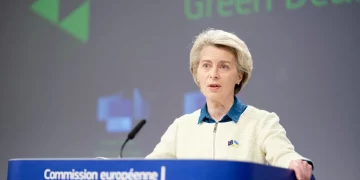
The European Green Deal, launched by the European Commission in December 2019, is the cornerstone of Europe’s green transformation. This ambitious plan outlines a roadmap for achieving carbon neutrality by 2050, ensuring that Europe will be the first climate-neutral continent. The Green Deal’s objectives are far-reaching, focusing not only on decarbonizing industries but also on revamping energy systems, improving waste management, enhancing biodiversity, and ensuring environmental justice for all European citizens.
At the heart of this Green Revolution is a deep commitment to sustainable development, which emphasizes a balance between economic growth, social inclusion, and environmental protection. But what makes Europe’s approach unique, and can its policies and practices be replicated on a global scale?
2. Decarbonization: The Heart of Europe’s Strategy
One of the most vital components of Europe’s Green Revolution is the drive toward decarbonization. Europe has been a global leader in setting ambitious targets for reducing carbon emissions and investing in renewable energy sources. The European Union has set a target of reducing greenhouse gas emissions by 55% by 2030, relative to 1990 levels, and achieving net-zero emissions by 2050.
This commitment has translated into sweeping changes across various sectors. One of the most visible and impactful changes is the rapid adoption of renewable energy. The EU has heavily invested in wind, solar, and hydroelectric power, gradually phasing out fossil fuels. According to recent data, renewable energy sources accounted for over 40% of the EU’s electricity generation in 2020, marking a significant shift toward cleaner energy production.
In addition to expanding renewable energy, Europe is also embracing cutting-edge technologies like carbon capture and storage (CCS) and green hydrogen. These technologies hold the potential to further reduce carbon emissions, especially in hard-to-decarbonize sectors like heavy industry and transportation.
But while Europe is making strides, the journey to decarbonization remains challenging. For instance, the continent must navigate political and economic complexities, manage the social impact of transitioning away from fossil fuel industries, and ensure that the transition is just and inclusive for all citizens.
3. Circular Economy: Reimagining Consumption
A defining feature of Europe’s Green Revolution is its commitment to the circular economy—a model that contrasts with the traditional linear approach to consumption, which follows a “take-make-dispose” pattern. The circular economy, in contrast, emphasizes reducing waste, reusing materials, and recycling products to create a closed-loop system.
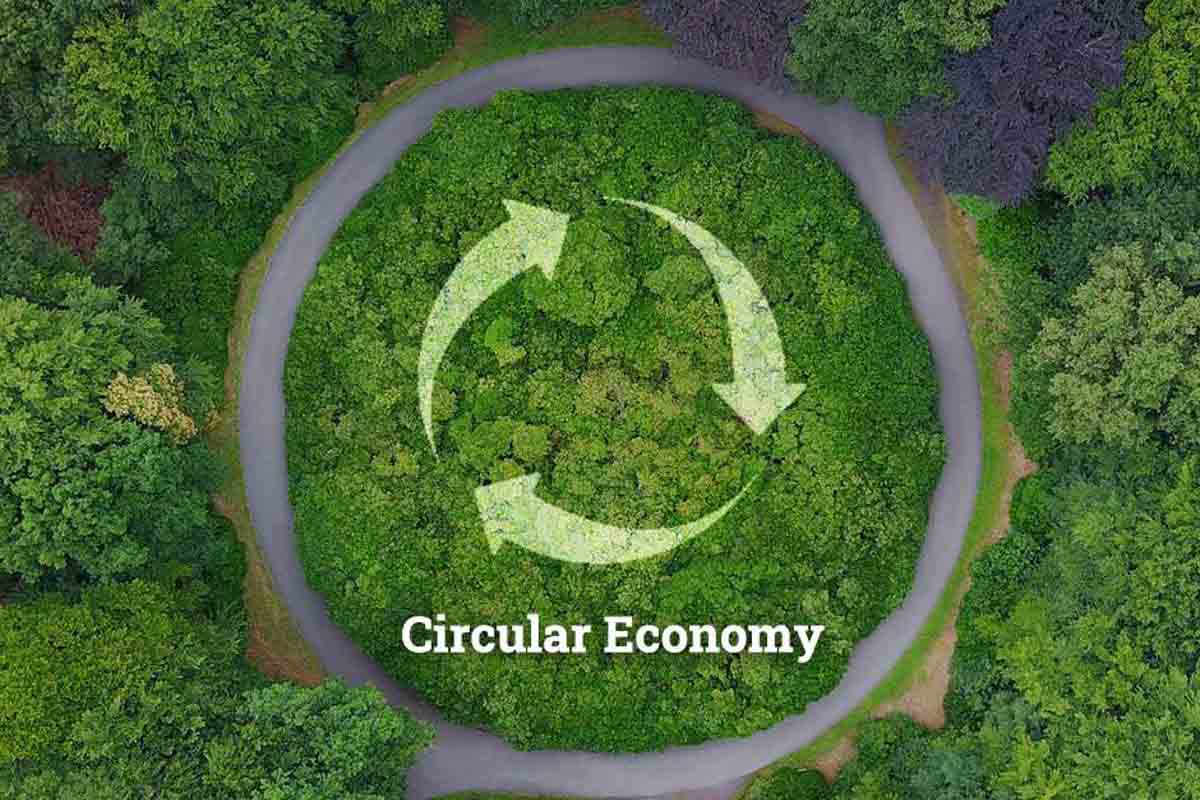
Europe’s commitment to the circular economy is embodied in its Circular Economy Action Plan, which was launched by the European Commission in 2020. This plan aims to make sustainable products the norm, with the goal of reducing the environmental impact of production and consumption. It includes initiatives such as product design standards that prioritize durability, reparability, and recyclability, as well as strategies to encourage sustainable sourcing of raw materials.
The circular economy approach is already showing promise in several sectors. In the fashion industry, for example, European brands and manufacturers are experimenting with sustainable materials, repair services, and second-hand clothing markets to minimize waste and reduce carbon footprints. Similarly, in electronics, companies are implementing take-back programs and designing products for easier recycling.
However, the widespread adoption of the circular economy faces significant hurdles, including consumer behavior, supply chain complexities, and the need for new business models. Nonetheless, Europe’s ongoing commitment to this paradigm shift holds great promise for reducing waste and promoting long-term sustainability.
4. Biodiversity Conservation: Protecting the Planet’s Life Support System
Beyond carbon emissions, Europe’s Green Revolution places a strong emphasis on protecting biodiversity—the web of life that sustains ecosystems and human well-being. Biodiversity is essential for the stability of ecosystems, agricultural productivity, and climate regulation, yet it is under increasing threat due to habitat loss, pollution, and climate change.
In response to this crisis, Europe has committed to ambitious biodiversity goals, including the European Biodiversity Strategy for 2030, which was introduced as part of the European Green Deal. This strategy aims to protect 30% of Europe’s land and seas, restore degraded ecosystems, and protect endangered species. The strategy also emphasizes the importance of green infrastructure, such as forests, wetlands, and urban green spaces, which are vital for maintaining biodiversity and mitigating climate change.
Additionally, the EU has pledged to integrate biodiversity into all aspects of policymaking, including agriculture, fisheries, and infrastructure development. This holistic approach seeks to ensure that economic growth does not come at the expense of the natural environment.
Europe’s efforts in biodiversity conservation are particularly important given the alarming rate of species loss worldwide. The European Union’s leadership in this area could inspire other regions to adopt similar approaches, creating a global movement toward biodiversity protection.
5. Sustainable Agriculture: Feeding the Future
Agriculture is both a driver of environmental degradation and a critical component of human survival. With the global population projected to reach 9.7 billion by 2050, sustainable food systems are more important than ever. Europe is at the forefront of efforts to transform agriculture into a force for good, focusing on practices that protect the environment while ensuring food security.
One key initiative is the European Farm to Fork Strategy, which is part of the Green Deal and aims to create a fair, healthy, and environmentally-friendly food system. The strategy focuses on reducing the use of pesticides and fertilizers, promoting organic farming, and encouraging sustainable agricultural practices that protect soil health and water quality.
The shift toward sustainable agriculture also includes addressing food waste. Europe’s efforts to reduce food loss and waste, through initiatives such as the EU Platform on Food Losses and Food Waste, aim to create a more sustainable food supply chain by minimizing waste at every stage of production, distribution, and consumption.
Sustainable farming practices are also crucial for mitigating climate change. Agroecological approaches, which integrate biodiversity and ecosystem services into farming systems, can help sequester carbon, improve soil fertility, and reduce the carbon footprint of agriculture.
However, Europe’s agricultural transformation faces challenges, including resistance from traditional farming practices, the need for technological innovation, and the complexities of aligning agricultural policies across EU member states.
6. Social Movements: Empowering Citizens for a Sustainable Future
Europe’s Green Revolution is not solely driven by government policy and business innovation. A key factor in its success is the rise of grassroots movements and citizen engagement. The European public has become increasingly vocal in demanding action on climate change, biodiversity loss, and environmental degradation.
Youth-led movements, such as Fridays for Future, have played a pivotal role in raising awareness and pressuring governments to take bold action on climate change. These movements have sparked a wider cultural shift toward sustainability, with more Europeans adopting sustainable lifestyles, supporting green businesses, and advocating for stronger environmental policies.
In addition to youth-led movements, there has been a rise in environmental activism and community-led initiatives focused on creating local solutions to global challenges. From urban farming to clean energy cooperatives, these grassroots movements are not only pushing for policy change but also taking direct action to create more sustainable communities.
The engagement of citizens is critical for the success of Europe’s Green Revolution. When individuals, communities, and organizations take responsibility for their environmental impact, the collective effect can be profound, driving both policy changes and societal shifts toward sustainability.
7. Can Europe’s Green Revolution Inspire Global Change?
Europe’s Green Revolution has already set a powerful example for other regions, but the question remains: can this model be replicated globally? The answer is both hopeful and complex.
Europe’s leadership in sustainability is undoubtedly impressive, but the challenges of scaling these efforts to a global level are immense. Developing countries, in particular, face different priorities, including poverty alleviation, economic development, and infrastructure expansion, which may conflict with the environmental goals of the Green Revolution. Additionally, the global economy is still heavily reliant on fossil fuels, and transitioning away from them will require significant investment and technological innovation.
However, the core principles of Europe’s Green Revolution—decarbonization, circular economy, biodiversity conservation, and sustainable agriculture—are universally relevant. By sharing knowledge, technology, and financial resources, Europe can help other regions transition to more sustainable systems, especially through international cooperation and partnerships.
Global sustainability is not a one-size-fits-all solution; it requires a nuanced approach that respects regional differences and challenges. But Europe’s experience can serve as a valuable template for other countries seeking to navigate the complexities of sustainability in an interconnected world.
Conclusion: A Green Future for All
Europe’s Green Revolution is an inspiring example of what is possible when policy, innovation, and public engagement come together to create a sustainable future. While the road ahead is fraught with challenges, Europe’s commitment to carbon neutrality, circular economies, and biodiversity protection offers hope for a more sustainable world.
The real question is not whether Europe can achieve its goals but whether the rest of the world will follow suit. Global sustainability requires collective action, and Europe’s Green Revolution could be the catalyst that sparks a worldwide movement toward a healthier, more sustainable planet.