







South America, the world’s fourth-largest continent, is a region that stands as one of the planet’s most ecologically diverse areas. From the dense Amazon Rainforest to the arid deserts of Chile, and from the towering Andes to the grasslands of Argentina, South America is home to an extraordinary array of flora and fauna, many of which are found nowhere else on Earth. But does its biodiversity truly stand unmatched? In this article, we explore the immense natural wealth of South America, examine how it compares to other regions of the world, and consider the challenges it faces in preserving its ecosystems for future generations.
A Glimpse Into South America’s Ecological Riches
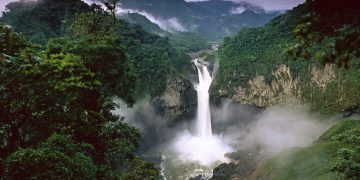
South America’s biodiversity is legendary. The continent is home to an unparalleled variety of ecosystems, which are remarkably varied in their climate, terrain, and the organisms they support. One of the most notable regions is the Amazon Rainforest, often dubbed the “lungs of the Earth” due to its role in producing oxygen and storing carbon. This vast tropical expanse spans several countries, including Brazil, Peru, and Colombia, and contains about 10% of the known species on Earth, including a staggering number of plants, birds, insects, and mammals.
Beyond the Amazon, the Andean Mountain range slices through the continent from north to south, creating a series of diverse habitats at varying altitudes. These mountains host unique species like the Andean condor, the world’s largest flying bird, and the vicuña, a wild relative of the llama prized for its fine wool. The altiplano, the high plateau of the Andes, harbors salt flats, lagoons, and a variety of species adapted to extreme conditions.
To the south, the Patagonian steppe presents a vastly different landscape, characterized by vast, windswept plains and scrubby vegetation. This region is home to animals such as the guanaco (a wild relative of the llama), rheas (large flightless birds), and pumas, which roam the rugged terrain.
The coastal regions also offer strikingly diverse ecosystems, from the Galápagos Islands, whose isolated habitats have led to the evolution of some of the planet’s most unique species, to the Atacama Desert, the driest place on Earth, which still sustains an intriguing array of life.
A World of Endemic Species
One of the defining characteristics of South America’s biodiversity is the high number of endemic species, organisms found nowhere else on Earth. The isolation of various habitats, such as the Amazon River Basin, the Galápagos Islands, and the Andean highlands, has allowed for the evolution of unique species that have adapted to their specific environments.
In the Amazon, for example, there are more than 400 billion trees, and many of them host species of insects and fungi that are entirely exclusive to this environment. The poison dart frog, with its brilliantly colored skin and toxic secretion, is one such example of a highly specialized species. Meanwhile, the jaguar, often considered a symbol of strength and mystery in South American culture, is also unique to the continent, making it an iconic representative of the region’s wildlife.

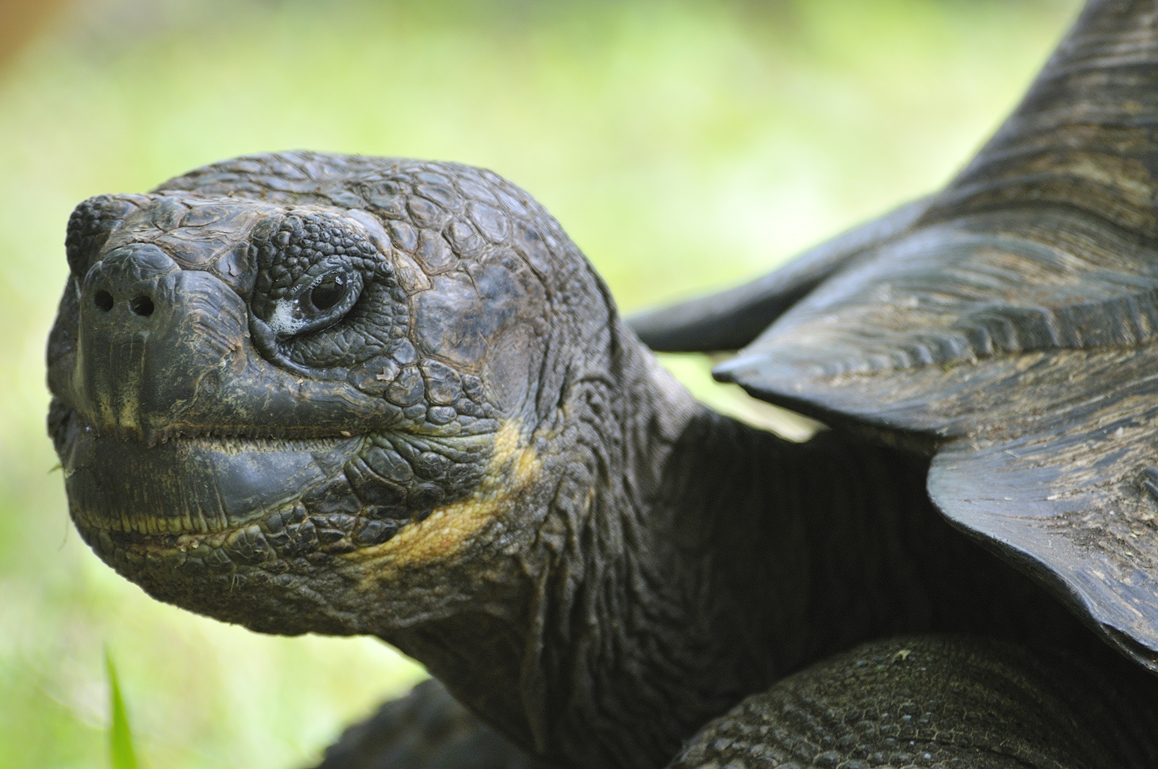
The Galápagos Islands offer perhaps one of the most famous examples of South America’s endemic species. The islands, located 600 miles off the coast of Ecuador, are known for their role in Charles Darwin’s theory of evolution. Species such as the Galápagos tortoise, marine iguana, and various finches evolved in isolation, exhibiting fascinating adaptive traits, from the finches’ varying beak shapes to the tortoises’ neck length differences, all of which helped them survive in different environments on the islands.
The Andean condor, as mentioned, is another example of an endemic species. This majestic bird, with a wingspan that can reach up to 10 feet, thrives in the Andean mountains, feeding on the carcasses of large animals, and playing an essential role in the ecosystem as a scavenger.
Comparisons: How Does South America Stack Up?
While South America’s biodiversity is staggering, it is important to consider how it compares to other biodiversity hotspots around the globe.
- Africa: Africa is home to some of the world’s most iconic species, including the African elephant, lion, and rhinoceros, along with diverse habitats such as the Sahara Desert, Congo Rainforest, and Savannas. Africa’s biodiversity is largely influenced by its history as the cradle of human evolution, leading to a higher number of species that share evolutionary roots with Homo sapiens. However, South America stands out in terms of species richness in specific ecosystems, particularly the Amazon and the Andean regions, where evolutionary paths have taken a unique course.
- Southeast Asia: Southeast Asia, with its tropical rainforests, is another hotspot of biodiversity. Countries like Indonesia, Malaysia, and the Philippines are home to unique species such as the orangutan, Sumatran tiger, and various species of primates. While Southeast Asia and South America share similar climates and rainforest ecosystems, South America has a broader variety of ecosystems, ranging from deserts to glaciers, giving it a more diverse array of life forms. Additionally, the Amazon rainforest alone contains more species than all of Southeast Asia’s rainforests combined.
- Oceania: Australia, particularly its unique island continent, has a high level of endemism, with species like the koala, kangaroo, and platypus. While Australia’s wildlife is certainly unique, South America’s biodiversity is arguably more complex due to its combination of tropical rainforests, temperate forests, deserts, and high-altitude ecosystems. Moreover, South America’s larger landmass supports a broader range of animals and plants, many of which are adapted to very specific environmental conditions.
While the regions mentioned above certainly boast impressive biodiversity, South America’s combination of size, ecological variety, and endemic species makes it one of the most biologically rich areas on Earth.
Threats to South America’s Biodiversity
Despite its unparalleled natural wealth, South America’s biodiversity faces severe threats, many of which are driven by human activity. Deforestation in the Amazon is perhaps the most significant threat, driven by logging, agriculture, and cattle ranching. The destruction of these forests not only endangers countless species but also contributes to climate change by releasing vast amounts of stored carbon into the atmosphere.
Another significant issue is mining, particularly for gold, silver, and other precious metals, which has led to the contamination of rivers and landscapes in countries like Brazil, Peru, and Colombia. The illegal wildlife trade is also a major issue, as many exotic species are captured and sold to international markets, further depleting the region’s biodiversity.
Climate change is amplifying many of these threats, causing shifts in temperature and rainfall patterns that disrupt habitats. Rising temperatures in the Andes, for example, threaten to reduce the size of glaciers that feed vital rivers, while the changing rainfall patterns in the Amazon could turn parts of the rainforest into dry savanna, transforming one of the world’s most important ecosystems.
Conservation Efforts: A Ray of Hope
Despite the numerous threats, there are many organizations, governments, and communities working tirelessly to protect South America’s biodiversity. Several protected areas, including national parks and wildlife reserves, have been established across the continent, such as Manu National Park in Peru, one of the most biodiverse places on Earth. These areas not only serve as refuges for endangered species but also promote sustainable tourism, providing economic benefits to local communities while encouraging conservation.
Ecotourism has become an increasingly important sector in South America, especially in countries like Costa Rica and Ecuador, where tourists flock to the Galápagos Islands and the Amazon Basin. Responsible ecotourism, if properly managed, can provide financial support for conservation initiatives while also raising awareness about the importance of protecting these ecosystems.
In addition, there have been increased efforts in reforestation and sustainable agriculture. Brazil’s Amazonia Live project and other initiatives focus on planting trees and promoting sustainable farming practices that prevent further deforestation while also improving the livelihoods of local farmers.
The Unmatched Beauty of South America’s Biodiversity
In conclusion, South America’s biodiversity is indeed one of the richest and most diverse on Earth, with ecosystems and species that are found nowhere else in the world. While it may not always be “unmatched” in a comparative sense, the continent’s ecological wealth and its range of habitats—from the Amazon’s dense canopies to the towering Andes and the arid Patagonia—make it a global treasure.
Yet, this precious resource is under constant threat. The world’s future depends on the health of these ecosystems, and it is imperative that we continue to invest in their protection. As we look toward the future, South America’s biodiversity stands not only as a testament to nature’s creativity but also as a reminder of our responsibility to safeguard the environment for future generations.