



The Americas, a vast landmass encompassing North, Central, and South America, were home to diverse and dynamic indigenous cultures long before European explorers arrived. These cultures—some of which had existed for thousands of years—did not just live in these lands; they shaped their environment, societal structures, spiritual beliefs, and economies in ways that resonate even today. The indigenous peoples of the Americas did not merely survive; they thrived, developing complex societies and leaving behind legacies that continue to influence modern culture, agriculture, and even environmental thinking. To understand how these cultures shaped the Americas, we must examine their achievements in governance, agriculture, art, religion, and more.
1. Agricultural Innovation: The Foundation of Civilization
Indigenous peoples were pioneers in agriculture, creating farming systems that were not only sustainable but also remarkably innovative. The introduction of crops like maize (corn), beans, squash, potatoes, tomatoes, and chili peppers significantly altered global diets. These crops, which originated in the Americas, revolutionized agriculture worldwide, and their domestication is considered one of the most important contributions of indigenous cultures.
The indigenous agricultural practices were often sophisticated and adapted to local environments. For example, the ancient Andean cultures of South America developed terraces and irrigation systems to cultivate crops on steep mountain slopes, while the Maya cultivated crops in raised fields in swampy areas of the Yucatán Peninsula. These practices ensured that food production could meet the needs of large populations and thrive even in challenging environments.
Moreover, indigenous peoples practiced crop rotation and the sustainable management of soil, which are environmental practices that are only now being rediscovered and implemented in modern sustainable agriculture.
2. Political and Social Structures: From Confederacies to Empires
Indigenous political systems were as diverse as the cultures themselves, ranging from confederacies of semi-autonomous tribes to highly organized empires. One of the most impressive examples of indigenous governance was the Iroquois Confederacy, also known as the Haudenosaunee or the “Six Nations.” This alliance of tribes (the Mohawk, Oneida, Onondaga, Cayuga, Seneca, and later, the Tuscarora) created one of the world’s oldest participatory democratic systems, influencing the development of the United States Constitution.
In Mesoamerica, the Maya, Aztec, and Zapotec developed highly structured societies with complex political systems. The Aztec Empire, for example, was a centralized, hierarchical state with a powerful ruler at its apex, supported by priests, nobles, and warriors. Their city of Tenochtitlán (modern-day Mexico City) was a marvel of engineering, featuring canals, causeways, and floating gardens, as well as a vast marketplace where goods from all over the empire were traded.
Meanwhile, the Inca Empire, stretching across the Andes, was known for its remarkable infrastructure, including an extensive road network that connected various regions, allowing for the smooth movement of people, goods, and military forces. The Inca also developed a system of accounting through the use of quipus—knotted strings that recorded numerical information.
Each of these cultures had its own approach to governance, but all shared a deep understanding of the necessity for social order, law, and collective effort. The diversity of their political structures reflects the adaptability and resilience of indigenous cultures in the face of changing environments and external pressures.
3. Spirituality and Religion: Deep Connections to the Land
Indigenous cultures in the Americas were deeply connected to the land, and their religious beliefs reflected this connection. Spirituality was not just an abstract belief system; it was a way of life, woven into daily activities and the natural environment.
In the Andes, for instance, the Inca worshipped Pachamama, the Earth goddess, whose cycles were reflected in agricultural practices. Similarly, the Maya had a rich pantheon of gods and goddesses, each linked to the natural world, from the sun and moon to rain and corn. For the Aztecs, religion was integral to their social and political life. The gods demanded sacrifices to ensure the continuation of the world, and religious rituals were performed in temples and open-air spaces, creating a direct connection between the divine and the people.
In North America, many indigenous groups believed in animism—the belief that all objects, places, and creatures have a spiritual essence. The Lakota Sioux, for example, believed in Wakan Tanka, the Great Spirit, who was the source of all life. Native American tribes across the continent practiced ceremonies such as the Sun Dance, the Potlatch, and the Ghost Dance, all of which served to connect the community with the spiritual world and to foster social cohesion.
Indigenous spiritual practices also included deep knowledge of natural cycles and the environment, such as the seasonal migrations of animals and the planting and harvesting times for crops. These practices guided not only their religious observances but also their ecological stewardship.
4. Art and Architecture: Expressions of Identity and Power
Indigenous cultures were not only innovative in their daily lives; they were also highly creative in their art and architecture. The intricate designs found in pottery, textiles, and jewelry tell stories of cultural values, spiritual beliefs, and the daily lives of these societies.
The Maya, for example, are renowned for their elaborate stelae (stone monuments) that recorded historical events and rulers’ achievements. The Maya also built grand cities with stepped pyramids, palaces, and ball courts. The Pyramid of Kukulkan at Chichen Itza is a stunning example of Maya engineering, aligned with celestial events like the equinoxes.
:max_bytes(150000):strip_icc()/native-american-medicine-man-dressed-in-ghost-shirt-idaho-usa-601813809-577a7dc83df78cb62cfe1fae.jpg)
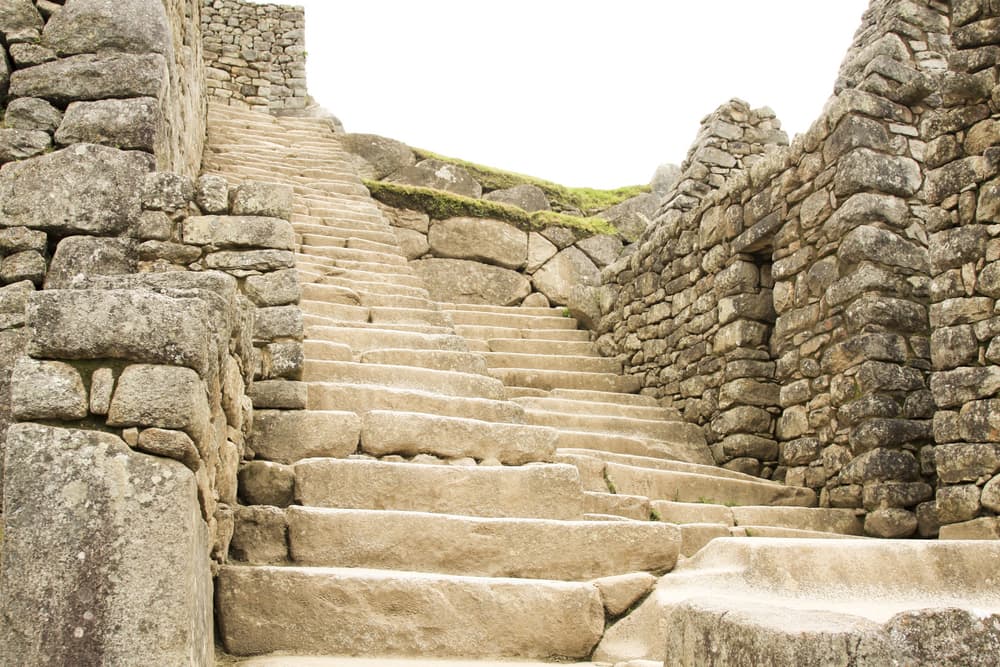
In the Andes, the Nazca people created the famous Nazca Lines—massive geoglyphs etched into the desert floor, the purpose of which remains a mystery but which likely had ritualistic or astronomical significance. Inca architecture, known for its precision, included impressive stonework such as the walls of Machu Picchu, where precisely cut stones fit together without mortar, a technique that has withstood centuries of earthquakes.
In North America, indigenous art ranged from the intricate beadwork and basketry of the Great Plains to the totem poles and masks of the Pacific Northwest. These works were often symbolic, representing family lineage, spiritual beliefs, and tribal identity.
5. Environmental Stewardship and Sustainability: A Legacy of Care
Indigenous peoples in the Americas were not just stewards of the land—they were also experts in sustainable practices long before the term “sustainability” became a buzzword. Their traditional ecological knowledge (TEK) allowed them to maintain a balanced relationship with nature, ensuring that the resources they relied on remained abundant for future generations.
The Pueblo peoples of the American Southwest, for example, developed sophisticated irrigation techniques to manage water in an arid climate. They also practiced dry farming, using techniques that conserved water and prevented soil erosion.
In the Amazon rainforest, the indigenous peoples have developed ways of managing the environment that promote biodiversity and sustainability. They cultivated crops in a way that did not damage the rainforest ecosystem, and their knowledge of plant medicine is still of great interest to modern scientists.
This deep understanding of nature has helped indigenous cultures maintain their resilience in the face of climate change, deforestation, and other environmental challenges. Their practices offer valuable lessons in sustainable living that could inform current efforts to protect the planet.
6. Language and Oral Traditions: Preserving Identity and Knowledge
Language was a vital tool for indigenous peoples to preserve their culture, history, and knowledge. The Americas were home to thousands of distinct languages, many of which are still spoken today despite centuries of colonial pressure.
Oral traditions played a crucial role in passing down knowledge and stories. Indigenous people relied on storytelling to convey moral lessons, preserve history, and teach younger generations about the world around them. These stories were not only entertainment but were a way of preserving complex knowledge systems—such as agricultural practices, navigation methods, and medicinal remedies—that were essential to survival.
Unfortunately, many indigenous languages and cultures were lost due to the pressures of colonization and forced assimilation. However, efforts are underway to revitalize and preserve these languages, which are vital to the cultural identity of indigenous peoples.
Conclusion: The Enduring Legacy
Indigenous cultures in the Americas were not static or primitive; they were dynamic, adaptive, and innovative. They contributed to global knowledge, shaping everything from agriculture to architecture, governance to spirituality. Though much of their history was erased or overlooked by colonial powers, their legacies remain deeply embedded in the land, the peoples, and the very culture of the Americas.
Today, indigenous communities continue to fight for their rights and recognition, striving to preserve their cultures, languages, and traditions. Their knowledge and practices provide valuable insights into how humanity can live in harmony with the environment and how complex societies can flourish without exploiting the land or people.
As we look back on the achievements of indigenous cultures, we gain not only a deeper appreciation for their contributions but also a renewed understanding of the power of cultural resilience and adaptation. The Americas were shaped by these cultures long before the arrival of Europeans, and they continue to shape the world today.