







Europe is a continent rich in history, art, architecture, and cultural traditions. For centuries, its landscapes have inspired poets, artists, and travelers, drawing millions from around the world who seek to experience its grand monuments, picturesque villages, and vibrant cultural tapestry. However, as tourism continues to surge, an essential question arises: is European tourism harming its cultural heritage? The overwhelming growth of the tourism industry has undoubtedly had profound effects on Europe’s cultural treasures, both positive and negative. This article explores the intricate relationship between tourism and the preservation of European heritage, weighing the challenges and opportunities that come with this global phenomenon.
The Renaissance of European Tourism
The revival of European tourism can be traced back to the post-World War II era, when travel became more accessible and affordable due to the rise of commercial airlines, budget accommodations, and the introduction of mass tourism. Landmarks such as the Eiffel Tower in Paris, the Colosseum in Rome, the Acropolis in Athens, and the canals of Venice have long attracted visitors. Today, these iconic locations are part of a global tourism industry valued at trillions of dollars, with Europe being one of the world’s most visited regions.
European Union statistics show that Europe accounts for about 50% of global international tourist arrivals. Countries like France, Italy, Spain, and Greece have long been at the top of the list, but increasingly, cities like Prague, Budapest, and Lisbon have become major destinations for tourists. This influx of visitors generates billions of euros in revenue, supports local economies, and helps preserve cultural landmarks through funding and maintenance.
However, with this growth comes a new set of challenges—many of which threaten the very cultural identity that makes these sites so appealing.
The Impact of Mass Tourism on Cultural Sites
1. Physical Deterioration of Landmarks
The most immediate impact of tourism on cultural heritage is the physical wear and tear caused by the sheer volume of visitors. Landmarks and historic buildings, once untouched by mass crowds, are now subject to pollution, vandalism, and constant exposure to human interaction. For example, the Sistine Chapel in Vatican City has seen significant degradation over the years due to the buildup of carbon dioxide from the breath of millions of tourists, which can accelerate the decay of frescoes. Similarly, the stone surfaces of monuments like the Colosseum and the Parthenon are slowly eroding from the pollution caused by nearby traffic, combined with the constant touch of human hands.
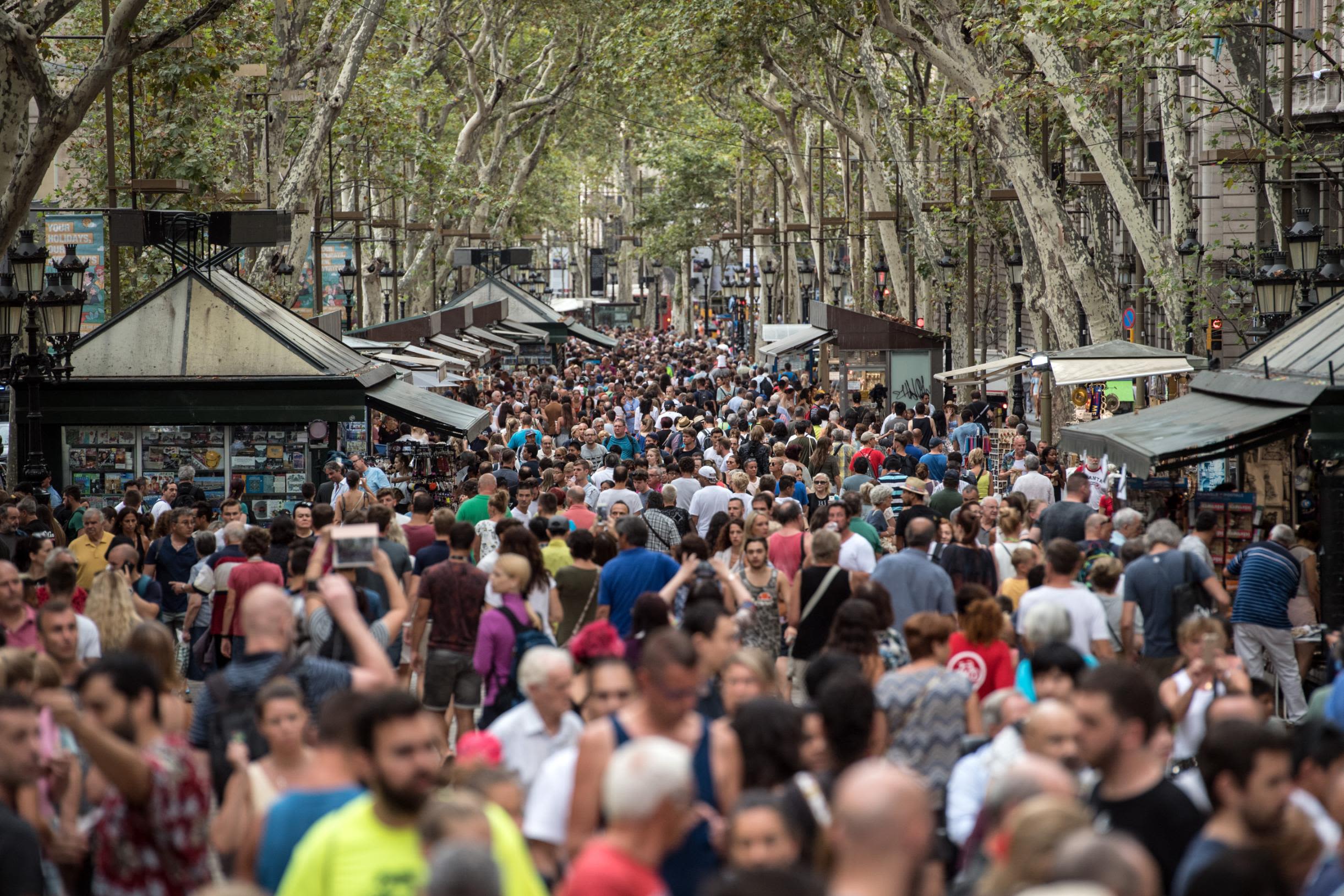
In cities like Venice and Barcelona, which see millions of visitors annually, the impact of foot traffic has led to the deterioration of historical streets and buildings. The delicate craftsmanship of cobbled streets and medieval facades is being eroded as tourists’ heavy footsteps take their toll. Furthermore, these locations are subject to the increasing threat of over-tourism, where the number of visitors exceeds the capacity of the site to sustain itself.
2. Uncontrolled Urbanization and Infrastructure Strain
Tourist-heavy cities are often forced to rapidly expand their infrastructure to accommodate growing visitor numbers. New hotels, transportation systems, and entertainment facilities are built at the expense of local culture. The construction of these modern conveniences often disrupts historic neighborhoods and communities. In cities like Venice, the arrival of mass tourism has led to the displacement of local residents, who can no longer afford to live in their hometowns as prices skyrocket. The rapid urbanization required to meet tourist demands can also erase unique architectural styles and cultural practices that have existed for centuries.

In certain cases, the pressure to modernize and accommodate tourists has led to the homogenization of historic areas. Once-traditional streets are now lined with chain stores, international restaurants, and high-end shops, replacing family-owned businesses and local artisans who were the heartbeat of these neighborhoods.
3. Cultural Erosion: Loss of Authenticity
One of the subtler yet more pervasive effects of tourism is the erosion of authenticity. Tourists often demand experiences that are “authentic,” which paradoxically leads to the commercialization of traditional practices, festivals, and crafts. This can result in cultural practices being altered or simplified to suit the expectations of travelers, leading to a loss of meaning and originality.
Take, for instance, the traditional Venetian gondola rides. Once a vital mode of transportation for locals, gondola rides have been commercialized for tourists, with the authentic experience diluted to cater to visitors. Similarly, in places like the French Riviera, local festivals may be stripped of their historical significance and transformed into large-scale, spectacle-driven events for tourists, which may ultimately overshadow the cultural heritage that originally inspired them.
Tourists also often bring their own preferences, which leads to cultural homogenization. The rise of globalized tourist destinations has created a desire for familiar comforts, such as international fast food chains, language barriers being broken by English-speaking services, and the standardization of food and souvenirs. This reduces the variety of cultural expressions in Europe, pushing local customs to the brink of extinction.
Economic Consequences: The Double-Edged Sword of Tourism
While tourism undeniably contributes to the European economy, creating jobs and stimulating local economies, it also presents serious economic challenges. Communities that rely heavily on tourism for their income often experience seasonal fluctuations, which can lead to economic instability. During peak seasons, residents may find themselves overwhelmed by the influx of tourists, while during off-seasons, businesses may struggle to stay afloat.
Moreover, the dependency on tourism can undermine the importance of other economic sectors, such as agriculture or local industries. In places like the Greek Islands, local farmers have found it increasingly difficult to sustain their agricultural practices, as the demand for tourism-related activities such as luxury resorts and cruises overshadows the need for locally produced goods.
Local businesses, too, may be forced to prioritize tourists over locals. Traditional shops selling locally made crafts and souvenirs are being replaced by stores catering to mass tourism, offering generic trinkets and cheap imports. This change threatens the economic sustainability of local artisans who have long been the guardians of cultural heritage in Europe.
4. Over-Tourism: The Strain of Too Many Visitors
Over-tourism refers to the overwhelming number of visitors that flood a specific location, which can lead to the degradation of cultural heritage sites and disrupt local communities. In cities such as Barcelona, Paris, and Amsterdam, the over-concentration of tourists in popular spots has sparked debates over how to manage visitor numbers without destroying the essence of these cultural treasures.
Cities like Venice, which are built on delicate islands, are particularly vulnerable to over-tourism. The daily presence of thousands of visitors threatens to sink the historic center of the city, as the constant wear and tear on the infrastructure is accelerated by over-crowding. Venice’s canals, once calm and serene, have become highways for tourist boats, resulting in the gradual loss of the unique charm and character that defined the city.
Governments and local authorities are now seeking solutions to curb the effects of over-tourism. Measures like entrance fees, tourist quotas, and the promotion of off-peak travel have been implemented in certain cities, but balancing economic interests with preservation remains a delicate task.
The Role of Preservation Efforts in Mitigating the Damage
In response to the growing threats posed by tourism, numerous preservation and conservation initiatives have emerged to protect Europe’s cultural heritage. UNESCO’s World Heritage program is one of the most prominent efforts to safeguard cultural landmarks by designating them as protected sites. These designations ensure that monuments such as the Louvre, the Tower of London, and the historic center of Florence are subject to specific conservation protocols, which include monitoring visitor numbers, limiting access, and enforcing preservation standards.
Additionally, many cities have adopted sustainable tourism practices that encourage responsible travel. The “slow tourism” movement, for example, advocates for longer stays in fewer locations to reduce the strain on popular destinations and ensure a more meaningful cultural exchange. It also promotes the idea of cultural immersion, where visitors spend time learning about local traditions and engaging with communities in a more respectful and authentic manner.
Conclusion: Balancing Preservation with Progress
Tourism has undoubtedly played a crucial role in revitalizing European economies and bringing awareness to the continent’s cultural heritage. However, the negative effects of mass tourism—such as the physical deterioration of landmarks, cultural erosion, and over-tourism—pose serious threats to the preservation of Europe’s unique identity.
To safeguard Europe’s cultural heritage for future generations, a delicate balance must be struck between the needs of the tourism industry and the imperative of protecting cultural treasures. Responsible tourism, community engagement, sustainable practices, and global awareness will be key to ensuring that Europe’s cultural heritage not only survives but thrives in an increasingly globalized world. Ultimately, it is the shared responsibility of both travelers and locals to ensure that Europe’s rich history continues to inspire and educate, without succumbing to the pressures of mass tourism.