









Introduction
Asia Pacific is home to more than half of the world’s population, and this demographic powerhouse is only growing. As the urbanization rate in the region accelerates, cities are expanding at an unprecedented rate, bringing both opportunities and challenges. While urbanization drives economic growth, it also presents significant issues related to sustainability, infrastructure, housing, and social inequality. How will the region handle these growing pains? This article explores the complexities of urbanization in Asia Pacific, examining both the problems and the innovative solutions that may shape the future of its cities.
The Scale of Urbanization in Asia Pacific
Urbanization in Asia Pacific is a phenomenon that has been unfolding over several decades, but its impact has been particularly pronounced since the early 21st century. As of 2023, more than 50% of Asia’s population lives in urban areas, and this number is projected to reach 66% by 2050. With some cities such as Shanghai, Mumbai, and Jakarta growing at an explosive rate, the region is experiencing the fastest urban growth in the world.
The United Nations estimates that Asia Pacific will see an additional 1.3 billion people move into urban areas by 2050. This rapid expansion is not limited to a few megacities; secondary cities are also seeing explosive growth as people migrate in search of better opportunities. This dramatic shift from rural to urban living is driven by factors such as industrialization, improved healthcare, educational opportunities, and the promise of higher wages.
The Promise and Perils of Urbanization
Urbanization in Asia Pacific has undeniable benefits. Cities act as economic engines, driving innovation, fostering trade, and contributing significantly to GDP. The rise of the middle class in urban areas has led to a surge in consumer demand, creating a dynamic market for businesses to tap into. Urban centers are also hubs of culture, education, and technology, attracting talent and fostering global connections.
However, the rapid pace of urbanization also brings a range of complex challenges. Some of the most pressing issues facing Asia Pacific cities include:
1. Infrastructure Overload
One of the first signs of urbanization gone awry is the strain on infrastructure. Cities that were not designed to accommodate such rapid growth often face issues with transportation, water supply, sewage systems, and electricity. As more people crowd into urban spaces, traffic congestion becomes a daily reality, while public transport networks buckle under the pressure.
Take Manila in the Philippines, for instance. The city has one of the worst traffic conditions in the world, with commuters spending hours each day in traffic jams. Similarly, Jakarta suffers from severe flooding during the rainy season, exacerbated by the rapid construction of buildings that replace natural drainage systems.
2. Housing Crisis
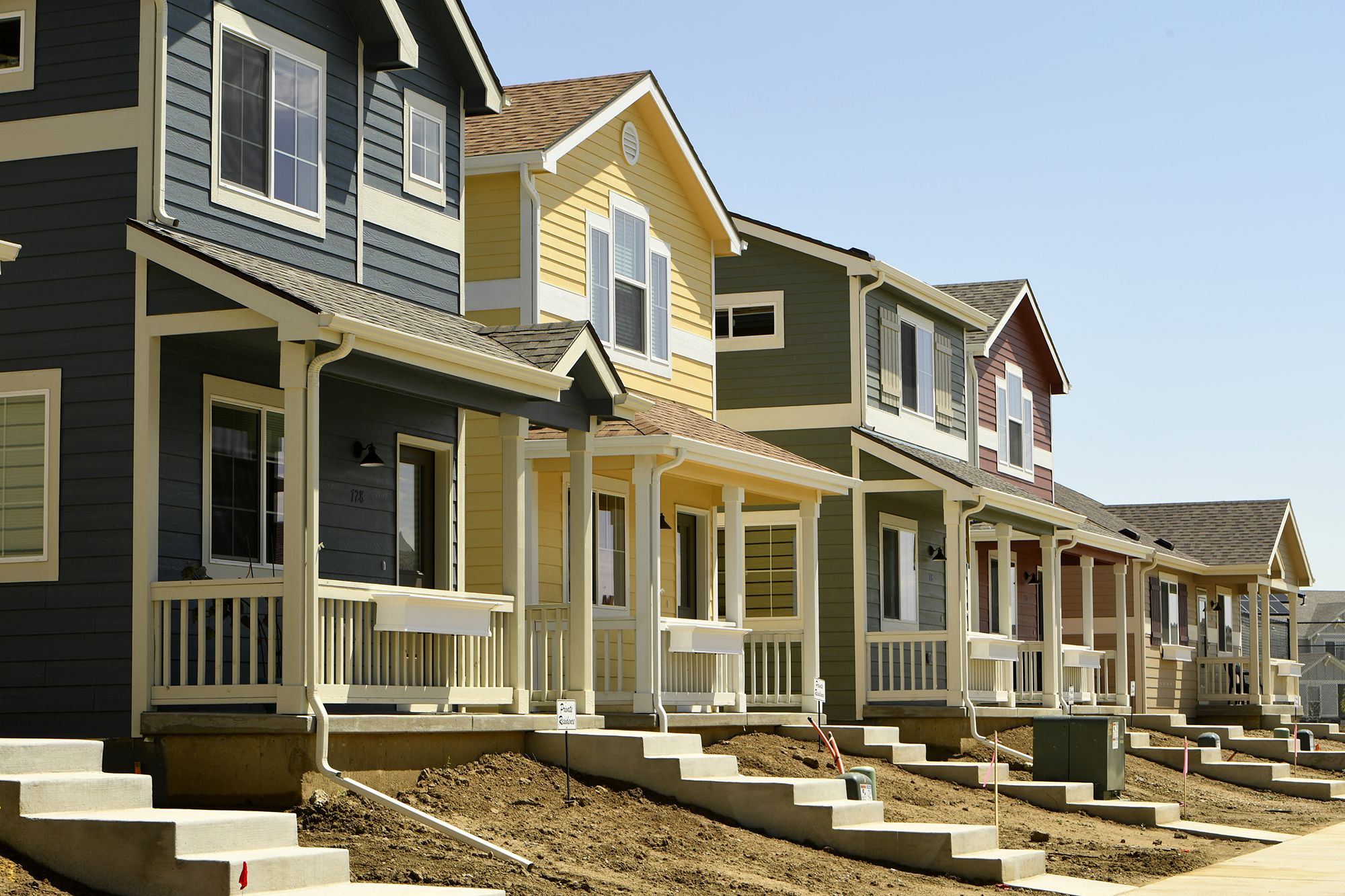
The migration of rural populations to cities has led to an overwhelming demand for housing, and in many places, supply is struggling to keep up. This has resulted in the proliferation of informal settlements or slums, where millions of people live without access to basic services like clean water, sanitation, or electricity.
In cities like Mumbai, Delhi, and Jakarta, informal settlements account for a significant portion of the population. These areas, while vibrant and community-driven, are also overcrowded, poorly built, and lack the infrastructure needed to support the growing number of residents.
3. Environmental Degradation
Rapid urban expansion comes at a high environmental cost. Deforestation, air pollution, water contamination, and loss of biodiversity are common consequences of unchecked urban growth. The construction of buildings and infrastructure often leads to the destruction of natural habitats, while the increasing number of vehicles on the road results in higher carbon emissions.
Air pollution is a particularly pressing issue in many Asian cities. In Delhi, for example, air quality often falls far below safe levels, with dangerous particulate matter (PM2.5) causing health problems for millions. Similarly, cities like Beijing and Bangkok have struggled with smog and environmental degradation due to industrial activity, overpopulation, and lack of green spaces.
4. Social Inequality
Urbanization, while bringing economic growth, has also led to growing social inequality. The wealth gap between urban elites and the lower-income populations in cities is widening. While some residents enjoy modern amenities and access to education, healthcare, and employment, others are left behind in slums or informal settlements.
In some cities, the poor live in close proximity to the wealthy, leading to stark contrasts between lavish skyscrapers and dilapidated shantytowns. This inequality breeds social tension, protests, and crime, and exacerbates issues of access to resources such as clean water, electricity, and healthcare.
Innovative Solutions: How Asia Pacific Can Tackle Urbanization
Despite the challenges posed by rapid urbanization, the Asia Pacific region has a unique opportunity to innovate and implement sustainable solutions. Here are some of the strategies and ideas that could help tackle urbanization’s growing pains:
1. Smart Cities and Technology Integration
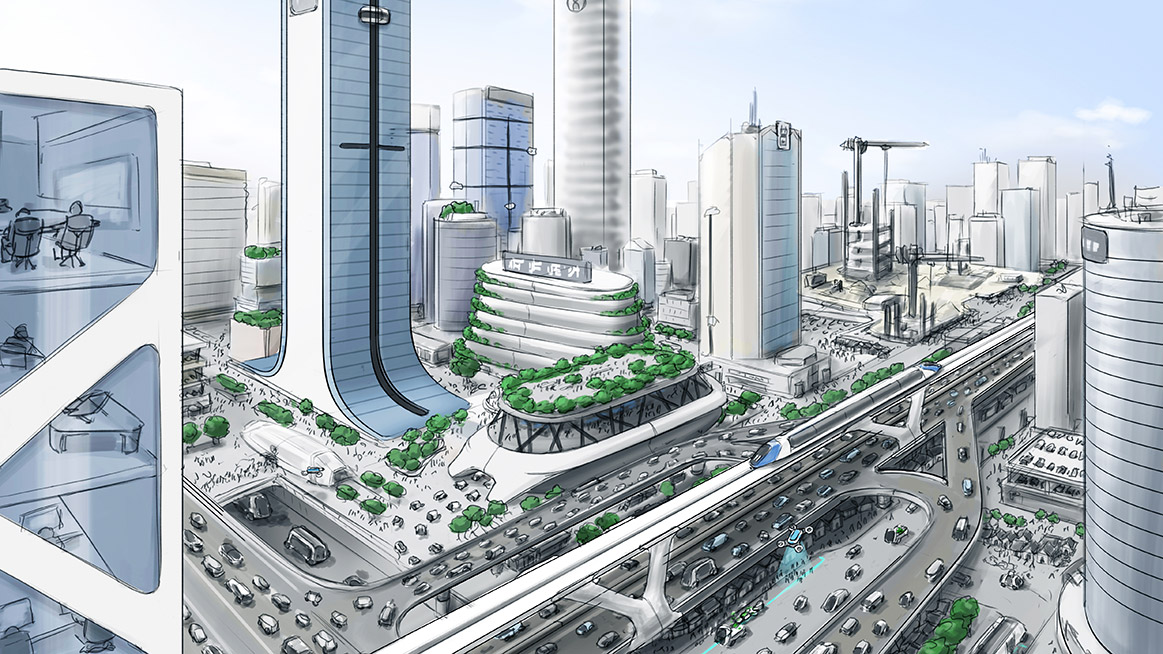
One of the most promising solutions for addressing urbanization challenges is the development of smart cities. These cities use technology and data analytics to improve efficiency, reduce waste, and enhance the quality of life for residents. Smart technologies can optimize traffic flow, reduce energy consumption, and improve waste management.
Singapore is often cited as a model for smart city initiatives. The city-state has integrated sensors and data analytics into its public infrastructure, enabling it to manage traffic, monitor air quality, and reduce energy usage. Similarly, cities like Seoul and Tokyo have implemented technologies such as high-speed trains, automated waste collection, and e-governance platforms to streamline urban management.
2. Affordable Housing Initiatives
To address the housing crisis, governments and private developers are exploring ways to make housing more affordable and accessible. In many cities, public-private partnerships are being formed to develop affordable housing projects. Governments are also providing subsidies, tax incentives, and land grants to encourage developers to build housing for low- and middle-income residents.
In China, the government has invested heavily in building new, low-cost housing units in smaller cities to alleviate pressure on major urban centers. Similarly, India’s Pradhan Mantri Awas Yojana (PMAY) scheme aims to provide affordable housing to millions of people in urban and rural areas, addressing the growing need for shelter.
3. Sustainable Urban Planning and Green Spaces
Sustainable urban planning is essential for mitigating the environmental impact of urbanization. Cities can be designed to reduce pollution, promote renewable energy, and conserve resources. Green spaces, such as parks, forests, and gardens, play a vital role in improving air quality and providing residents with recreational areas.
In Melbourne, Australia, urban planning policies emphasize the importance of green spaces and sustainable design. The city has implemented green roofs, urban forests, and energy-efficient building standards to reduce its environmental footprint. Similarly, the creation of green belts around cities like Jakarta can help combat the urban heat island effect and provide crucial space for biodiversity.
4. Public Transport and Mobility Solutions
Improving public transportation is critical for reducing congestion, lowering emissions, and ensuring mobility for all urban residents. Expanding and modernizing public transport systems can make cities more livable and sustainable. Many Asian cities are investing in metro systems, light rail, and electric buses to reduce traffic congestion and air pollution.
In Hong Kong, the Mass Transit Railway (MTR) system is a model of efficiency and reliability, with the city investing in continuous expansion and upgrades. Similarly, Jakarta is building a new metro system to improve urban mobility and ease congestion, while cities like Seoul and Tokyo have developed some of the most sophisticated public transportation networks in the world.
5. Climate Resilience and Disaster Preparedness
As cities continue to grow, they must also be prepared for the inevitable consequences of climate change. Natural disasters such as floods, typhoons, and earthquakes are increasingly affecting urban areas, especially those in coastal or low-lying regions. To mitigate the impact of such disasters, urban planning must incorporate climate resilience measures.
In the Philippines, cities like Tacloban are investing in disaster preparedness programs, including early warning systems, flood control infrastructure, and evacuation plans. Similarly, Japan’s approach to disaster risk reduction focuses on building resilient infrastructure and preparing citizens for emergencies.
Conclusion
Urbanization in Asia Pacific is a complex challenge, but it also presents significant opportunities for innovation and transformation. By embracing smart technologies, sustainable urban planning, affordable housing projects, and disaster preparedness strategies, the region can tackle the growing urbanization problem while improving the quality of life for its residents. The key lies in balancing growth with sustainability, ensuring that cities become not only economic engines but also resilient, equitable, and livable spaces for future generations.