









The Caribbean Sea has long been a place of myth and mystery, from its crystal-clear waters to its pirate-laden past. For centuries, the region was notorious for lawless seas and pirate ships that roamed the waters in search of treasure. Today, the idea of pirates may conjure images of Hollywood films and swashbuckling heroes, but one might wonder: are modern-day pirates still active in the Caribbean Sea? Despite the efforts of authorities to curb piracy, the Caribbean remains an area where piracy still exists, albeit in a different form than the traditional tales of blackbeards and treasure chests.
In this article, we will explore the state of piracy in the Caribbean today, its evolution, the factors that enable it, and the measures being taken to combat it. So, grab your compass and join us as we sail through the murky waters of modern piracy in the Caribbean.
The Evolution of Piracy in the Caribbean
Piracy in the Caribbean has existed for centuries, reaching its zenith during the so-called “Golden Age of Piracy” in the late 17th and early 18th centuries. Pirates like Blackbeard (Edward Teach), Henry Morgan, and Calico Jack Rackham made their names notorious by attacking merchant vessels, plundering valuable goods, and creating terror on the high seas. The Caribbean was a perfect breeding ground for such activity, with its many islands, isolated coves, and bustling trade routes connecting Europe, Africa, and the Americas.
However, by the early 19th century, many Caribbean nations had gained independence, and international naval forces had started to increase their presence in the region. The age of the “classic pirate” seemed to fade away. Or so it seemed.
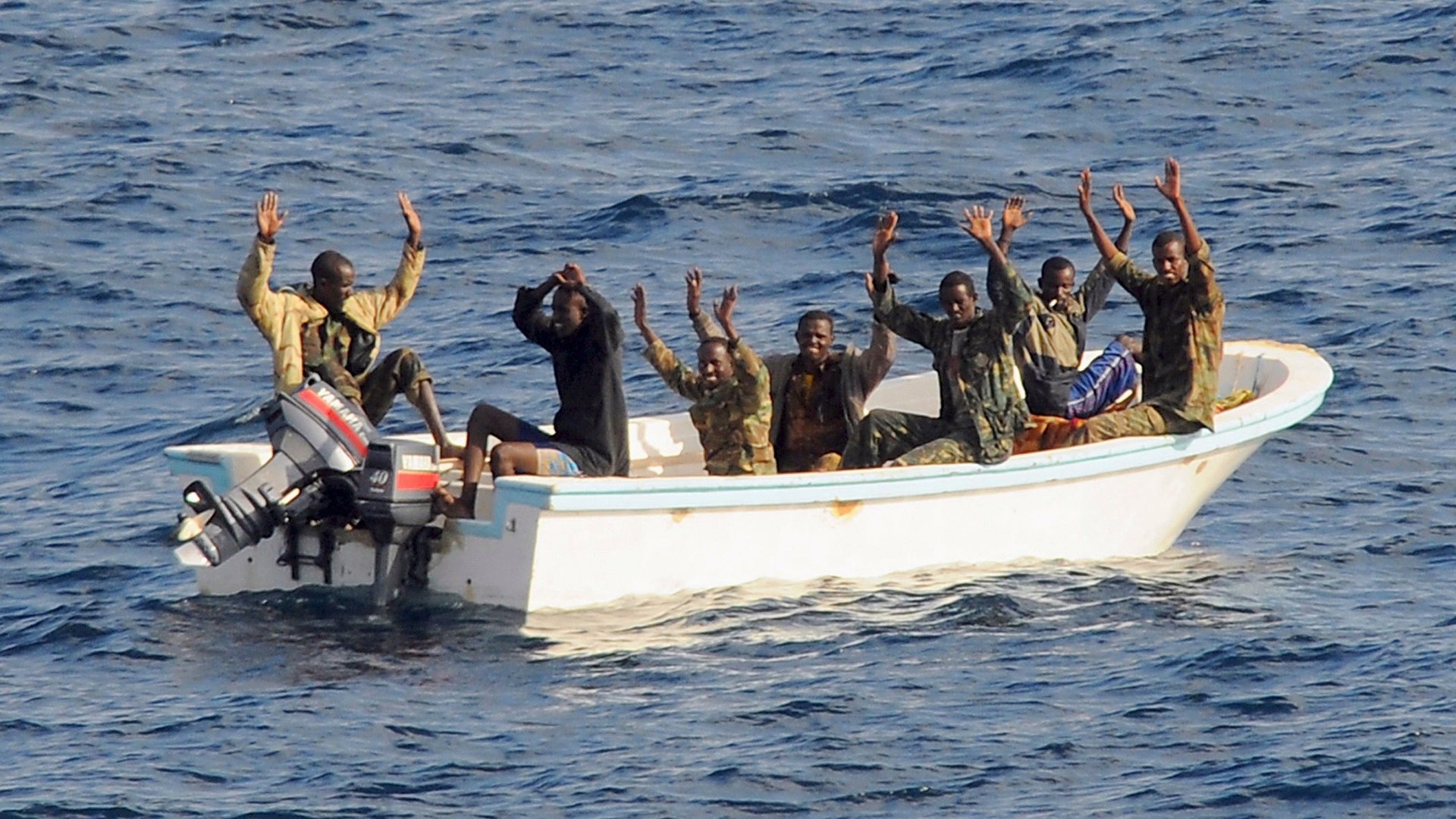
In the 21st century, piracy in the Caribbean is a different beast. It’s no longer the grand, romanticized vision of pirates like in the movies. Instead, it is a modern criminal enterprise that is often violent, opportunistic, and driven by economic motives, with more emphasis on theft and kidnapping for ransom than treasure hunts. Pirates today are often associated with smaller, faster boats that carry out hit-and-run attacks, targeting everything from luxury yachts to cargo ships.
Modern Piracy in the Caribbean: How Bad Is It?
The first question on everyone’s mind is: How bad is piracy in the Caribbean today? Well, piracy in the Caribbean is still very much a real and ongoing problem, though it’s not as pervasive or widely publicized as piracy off the coast of Somalia or in Southeast Asia. According to reports from the International Maritime Bureau (IMB), incidents of piracy in the Caribbean Sea have fluctuated, with certain hotspots becoming areas of particular concern.
The Caribbean nations most affected by piracy tend to be those located in the eastern and northern parts of the region, with areas around Venezuela, Trinidad and Tobago, and the waters near Haiti seeing higher rates of incidents. However, piracy is not confined to any one area and can happen throughout the Caribbean, including along popular tourist routes and near busy commercial shipping lanes.
The types of piracy in the Caribbean have changed over the years. Traditionally, pirates would board large merchant ships to steal valuable goods. Today, pirates in the Caribbean tend to target smaller vessels, such as pleasure yachts, fishing boats, and even cruise ships. This shift in target comes from a mix of improved security on large vessels and an increasing demand for small-scale criminal activity that requires fewer resources but can yield significant returns.
Why Do Pirates Operate in the Caribbean?
There are several factors that contribute to the continued presence of piracy in the Caribbean. Some of these are historical, while others are the result of modern social and economic dynamics.
1. Economic Disparity and Poverty
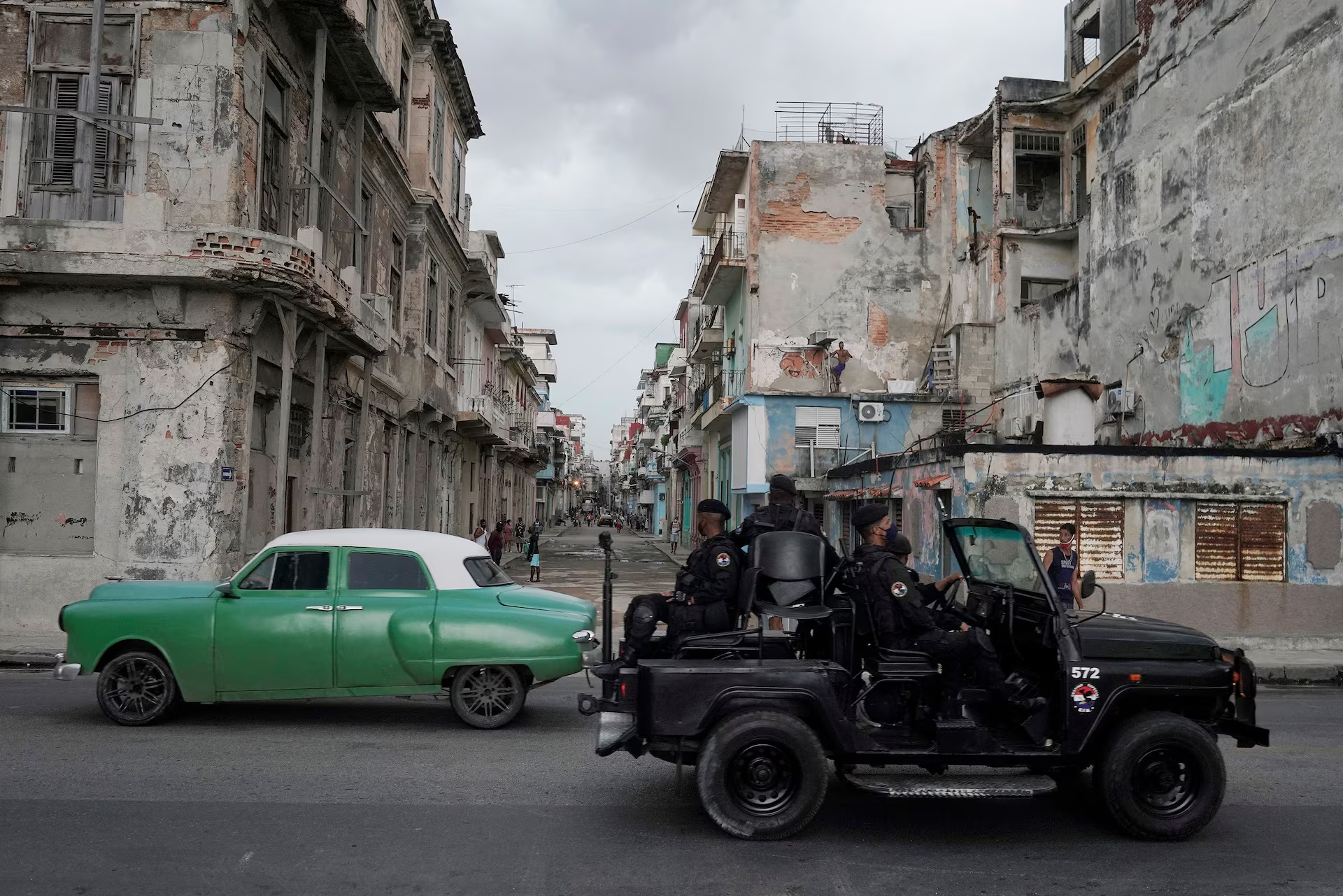
One of the primary drivers of piracy in the Caribbean is economic hardship. Despite the region’s popularity as a tourist destination, many Caribbean nations struggle with poverty, unemployment, and limited opportunities for upward mobility. In countries like Venezuela, where the political and economic situation has been in turmoil for years, piracy is often seen as an easy way to make money, especially for those who have few other viable options. Pirates in the Caribbean often operate out of necessity rather than ideology or desire for adventure.
2. Weak Coastal Security
While Caribbean nations have taken steps to bolster maritime security, some countries still have insufficient resources to patrol their waters effectively. Many of these islands have limited naval forces, which are stretched thin by the need to patrol vast and remote areas. As a result, pirates can take advantage of the vast open waters and sparse presence of authorities to carry out their attacks without fear of immediate retaliation.
3. Geography
The Caribbean Sea is a patchwork of islands and islets, making it a labyrinthine environment that is difficult to navigate and police effectively. Pirates use this geography to their advantage, operating from hidden coves, remote islands, and areas where the terrain offers natural cover. The dense networks of islands also allow them to escape quickly after committing their crimes, making it difficult for authorities to track them.
4. International Trade Routes
The Caribbean is one of the busiest maritime trade routes in the world. Ships carrying goods between the Americas, Europe, and other parts of the world pass through these waters daily. Pirates are attracted to the abundance of ships, as these vessels often carry valuable cargo, ranging from electronics and cars to luxury goods. The relatively short distances between key ports and the ease of access make it an ideal location for attacks.
5. Tourism and Private Yachts
Tourism plays a significant role in the Caribbean economy, and private yachts, cruise ships, and recreational vessels often make up an important segment of the industry. Pirates, recognizing the value of high-end luxury yachts, will target these vessels for hijackings, kidnapping tourists for ransom, and stealing valuables onboard. These types of attacks have become more common, especially in remote parts of the Caribbean.
The Different Faces of Modern Piracy
Modern pirates in the Caribbean come in different forms, from small-time criminals to well-organized syndicates. There are several types of piracy, each with its own modus operandi.
1. Hijacking for Ransom
One of the most common forms of piracy in the Caribbean is hijacking for ransom. This occurs when pirates board a vessel, take control, and then demand a ransom from the owner or the vessel’s company in exchange for its safe return. This type of piracy is more prevalent in the waters off countries like Venezuela, which has seen an increase in such incidents due to its ongoing political instability.
2. Robbery and Theft
Robbery on the high seas is another frequent occurrence. Pirates target private yachts, fishing boats, and even commercial vessels, robbing them of valuables. These pirates are often armed and willing to use violence if necessary to get what they want. In some cases, the crew members or passengers are left unharmed, while in others, there are reports of physical assault or kidnapping.
3. Kidnapping for Ransom
The kidnapping of crew members or passengers for ransom has become more prevalent in recent years. Pirates often kidnap high-profile tourists or crew members of ships and hold them hostage, demanding a ransom for their release. These kidnappings can be traumatic for those involved and have raised concerns about the safety of travelers in certain parts of the Caribbean.
How Are Authorities Combating Modern Piracy?
In response to the threat of piracy, Caribbean nations, international organizations, and private stakeholders have taken steps to reduce the occurrence of maritime crime. Some of the measures include:
1. Increased Naval Patrols
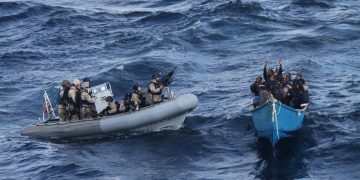
Countries in the Caribbean have strengthened their maritime security by increasing patrols along busy shipping lanes and tourist routes. Several nations have formed partnerships with the U.S. Coast Guard and international navies to coordinate efforts in monitoring and intercepting pirate activities. The joint operations, such as those conducted under the U.S.-Caribbean Basin Security Initiative, have had some success in reducing piracy rates.
2. Enhanced Port and Ship Security
Improving the security of ports and vessels is another key area of focus. Ships passing through the Caribbean are now required to adhere to international maritime security protocols, such as the International Ship and Port Facility Security Code (ISPS Code), which mandates heightened security measures. In addition, private yacht owners are encouraged to implement security measures like installing radar systems, using GPS tracking, and hiring security personnel for particularly high-risk areas.
3. International Cooperation
Piracy is a global problem, and as such, international cooperation is crucial to fighting it. Organizations like the International Maritime Organization (IMO) and the IMB have played an active role in advocating for the reduction of piracy and providing resources and guidance to affected countries. Multilateral agreements and cooperative efforts, such as joint naval operations, have helped in reducing piracy and improving maritime security in the region.
4. Local Community Engagement
Another important measure being taken to combat piracy is engaging local communities. Many pirates come from impoverished backgrounds and operate in areas where law enforcement is weak. By investing in education, job creation, and improving local economies, governments hope to reduce the incentives for individuals to turn to piracy.
The Future of Piracy in the Caribbean
While the Caribbean has seen a decline in the number of large-scale pirate attacks compared to the days of the “Golden Age,” modern piracy still poses a significant threat to both commercial and recreational vessels in the region. As long as economic inequality, weak governance, and high levels of organized crime persist, piracy will likely remain a problem.
However, with ongoing efforts from international organizations, local authorities, and the private sector, the tide may be turning. The Caribbean is actively working toward a safer, more secure maritime environment. Whether or not piracy will ever completely disappear remains to be seen, but for now, the Caribbean’s waters remain both a paradise and a potential peril for those who venture too far off the beaten path.