





Introduction
The Americas, a continent rich in diverse cultures and histories, have long been home to a multitude of Indigenous peoples. These communities, spread across North, Central, and South America, speak hundreds of unique languages that are integral to their identities, traditions, and worldviews. Yet, the future of many of these languages is increasingly uncertain. As global forces—such as modernization, colonization, and the widespread use of dominant languages like English, Spanish, and Portuguese—continue to influence Indigenous populations, the survival of Indigenous languages in the Americas is at risk. Could Indigenous languages really become extinct? And what are the consequences of such an extinction?
This article explores the causes behind the decline of Indigenous languages in the Americas, the cultural and psychological impact of their potential extinction, and the efforts being made to preserve and revitalize these precious tongues. Through examining the importance of Indigenous languages, the challenges they face, and the global initiatives supporting their survival, we aim to provide a comprehensive understanding of this ongoing issue.
The Richness of Indigenous Languages
Indigenous languages are not merely a means of communication; they are carriers of cultural heritage, traditions, and knowledge. Many of these languages have existed for thousands of years, preserving the wisdom of generations and the intimate relationship between Indigenous communities and their environments. For example, languages like Quechua in South America, Nahuatl in Mexico, and Cree in Canada reflect deep understandings of geography, spirituality, agriculture, and ecology that have been honed over millennia.
In many Indigenous communities, language is an essential component of daily life. It binds individuals to their community, history, and ancestors, and plays a pivotal role in storytelling, ceremonies, rituals, and communal identity. Moreover, certain languages contain complex worldviews and philosophical concepts that are often untranslatable into mainstream languages, providing unique perspectives on the world.
However, the vitality of Indigenous languages is under threat. According to the United Nations Educational, Scientific and Cultural Organization (UNESCO), nearly 40% of the world’s languages are considered endangered. In the Americas, hundreds of Indigenous languages are in danger of disappearing within the next few decades. Some of these languages are spoken by only a handful of elderly speakers, with no younger generations to carry them forward. This poses a significant risk to the cultural diversity and intellectual wealth of the Americas.
The Impact of Colonization and Globalization
The decline of Indigenous languages in the Americas cannot be separated from the history of colonization. European powers, beginning with the Spanish and Portuguese in the 15th and 16th centuries, imposed their languages and cultures on Indigenous populations across the continent. In the wake of colonization, Indigenous languages were marginalized, suppressed, and sometimes completely erased through state policies of linguistic assimilation.
The impact of colonization was not limited to the imposition of a foreign language. It also disrupted the social structures, cultural practices, and livelihoods of Indigenous peoples. In many cases, Indigenous children were taken from their families and sent to boarding schools where they were forbidden to speak their native languages. These schools aimed to “civilize” Indigenous children by stripping them of their cultural identities and forcing them to adopt the language and customs of the colonizers. This created generations of individuals who were disconnected from their linguistic and cultural heritage, contributing to the rapid decline of Indigenous languages.
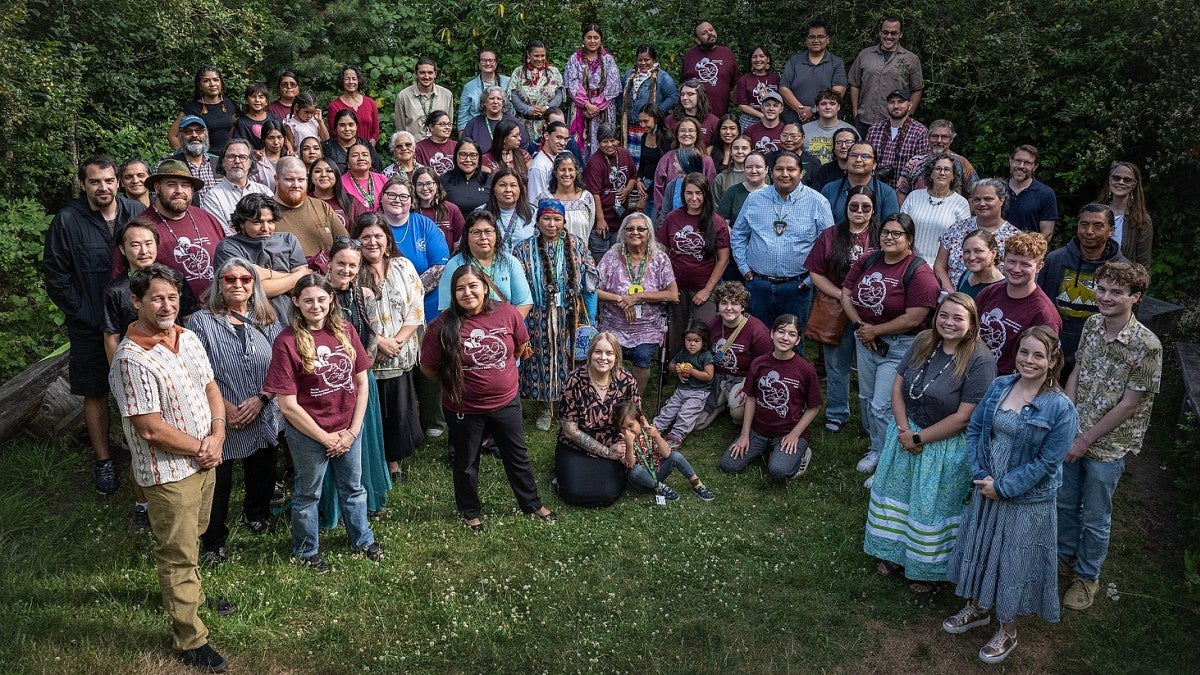
In the modern era, globalization has exacerbated the trend of language loss. The dominance of global languages like English, Spanish, and Portuguese in education, media, and economic systems has placed increasing pressure on Indigenous languages. Young people in many Indigenous communities are often more fluent in a global language than their own, seeing little economic or social advantage in speaking their ancestral tongue. This shift is further fueled by migration, urbanization, and the spread of technology, all of which promote the use of widely spoken languages over regional or minority languages.
The Threat of Extinction
The threat of Indigenous language extinction is real and pressing. According to linguistic experts, a language is considered endangered when its speakers are diminishing in number, when the language is no longer being passed down to younger generations, or when it is no longer being used in daily life. Many Indigenous languages in the Americas are classified as “critically endangered,” meaning that they are on the brink of extinction. For instance, languages like Aymara in Bolivia, Wichí in Argentina, and Yuchi in the United States have only a few remaining speakers, often elderly individuals, with little to no intergenerational transmission of knowledge.
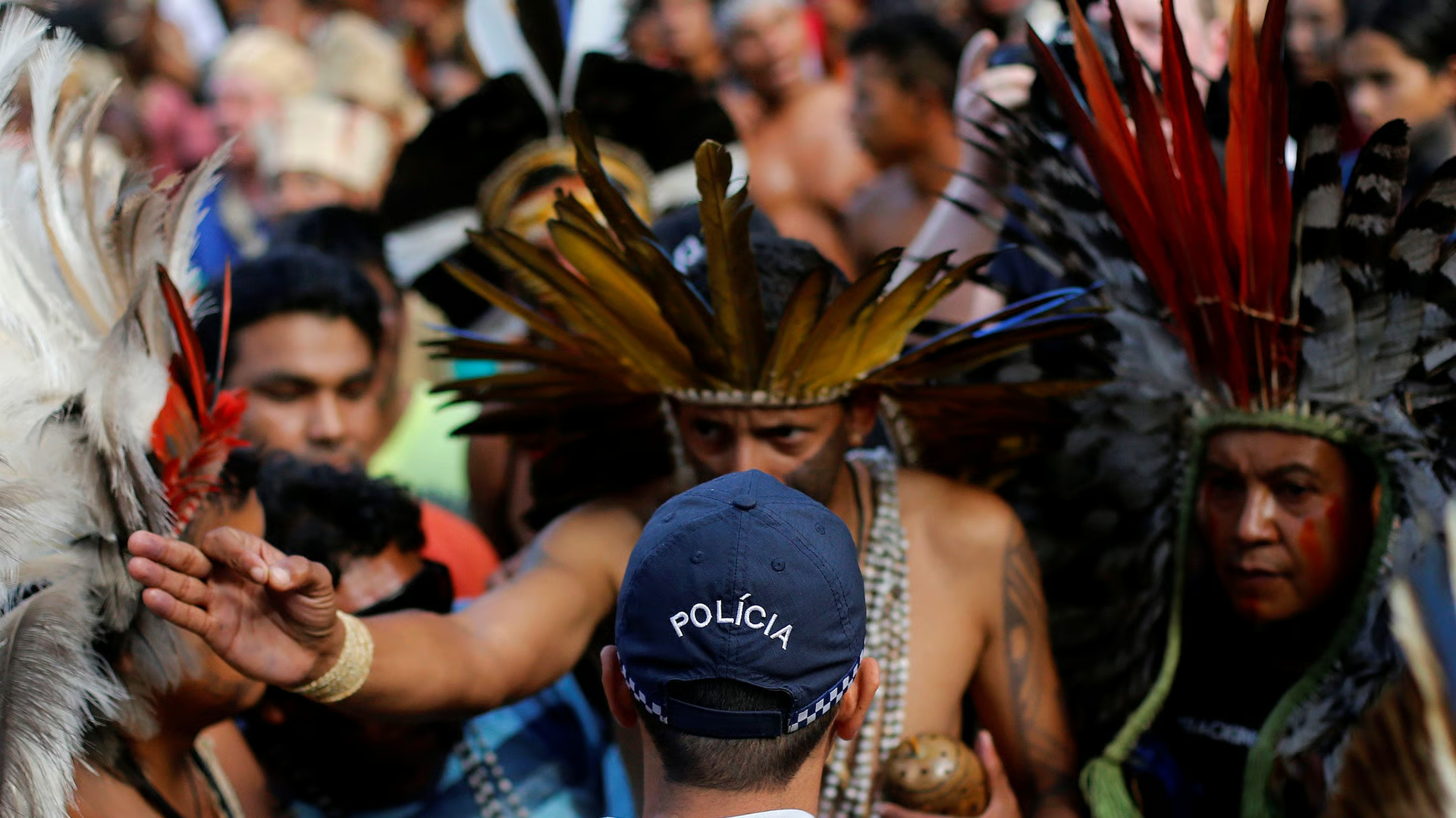
One of the primary reasons for this decline is the lack of institutional support for Indigenous languages. In many countries, government policies have historically been indifferent or even hostile toward the preservation of Indigenous languages. For example, in Canada, the residential school system actively sought to eliminate Indigenous languages and cultures, while in the United States, the forced relocation of Native American tribes to reservations and the subsequent suppression of their languages had similar effects. In many Latin American countries, the dominance of Spanish or Portuguese often relegates Indigenous languages to the margins of society.
Another key factor contributing to the endangerment of Indigenous languages is the societal pressure to conform to the language norms of dominant cultures. In rural and remote communities, where many Indigenous languages are still spoken, children are increasingly exposed to mass media, television, and the internet, where global languages dominate. As these children grow older, they may feel less inclined to speak their native language, especially if it is seen as an impediment to their success in the modern world. In this way, Indigenous languages become disconnected from the social and economic realities of younger generations, leading to their gradual decline.
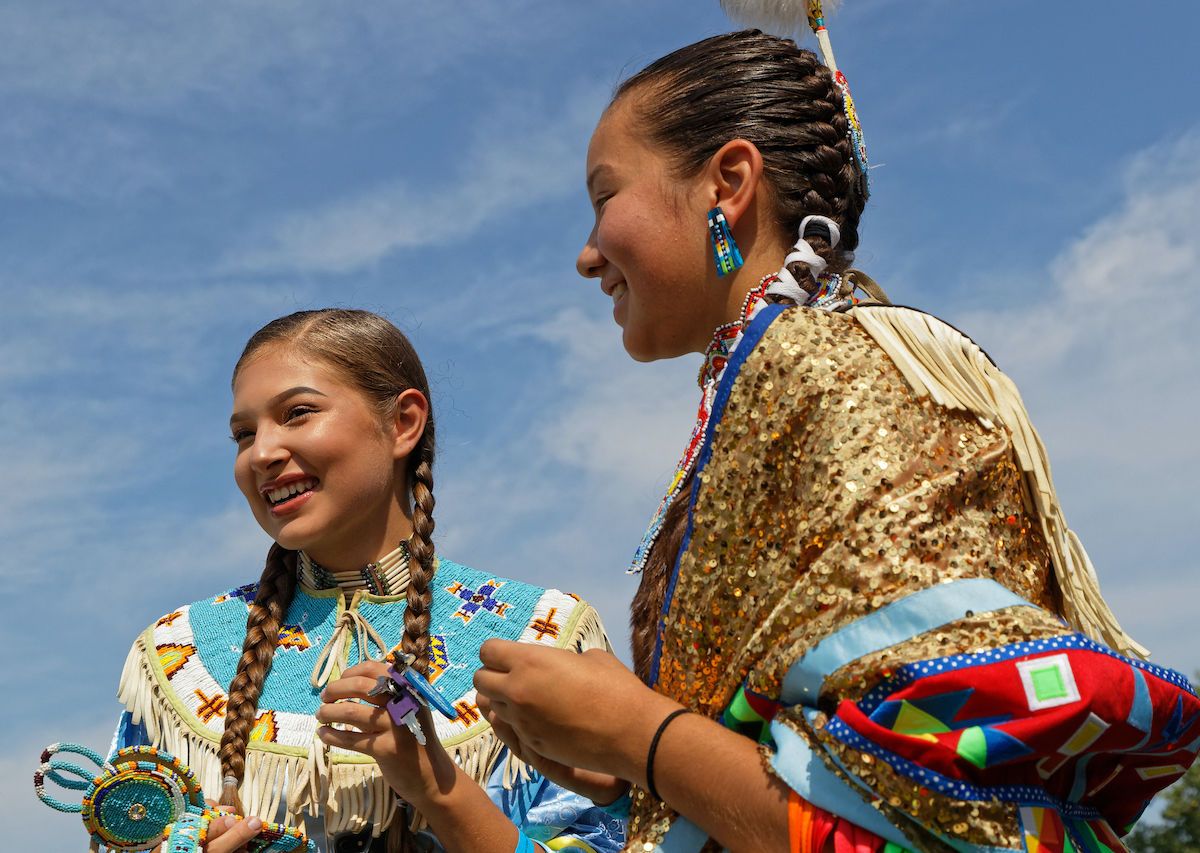
The Consequences of Language Extinction
The extinction of an Indigenous language is more than just the loss of a means of communication. It represents the erasure of a cultural and intellectual legacy that has shaped the identity and worldview of countless generations. When a language dies, much of the knowledge and wisdom encoded within it is lost forever. This includes traditional ecological knowledge, local histories, mythologies, and ways of understanding the world that cannot be easily replicated or translated.
Moreover, the extinction of Indigenous languages can have profound psychological effects on the communities who speak them. Language is a core part of individual and collective identity. For many Indigenous peoples, the loss of their language is akin to the loss of their soul or spirit. It can create feelings of alienation, disconnection, and a sense of cultural death. In some cases, language loss has been linked to higher rates of mental health issues, including depression and anxiety, as individuals struggle with the cultural and emotional implications of living in a world where their language and identity are no longer valued.
Beyond the emotional and psychological toll, the loss of Indigenous languages also has broader societal consequences. These languages are repositories of rich cultural diversity, offering unique insights into human cognition, language development, and social organization. The extinction of even a single language diminishes humanity’s intellectual diversity and collective understanding of the world. As more and more languages disappear, the global cultural mosaic becomes increasingly homogeneous, and we risk losing valuable perspectives on history, science, and art.
Efforts to Preserve and Revitalize Indigenous Languages
Despite the challenges facing Indigenous languages, there are many efforts underway to prevent their extinction and promote their revitalization. These efforts vary widely depending on the language, community, and country, but they all share the common goal of keeping Indigenous languages alive for future generations.
1. Language Documentation Projects
One of the most important strategies for preserving endangered languages is to document them before they vanish entirely. Linguists and community members are working together to record Indigenous languages, creating written records, audio recordings, and video documentation that can be used for educational and cultural purposes. These materials can serve as a resource for future generations, ensuring that even if a language ceases to be spoken, it is not lost to history.
2. Language Revitalization Programs
Many Indigenous communities are actively engaged in language revitalization efforts. These programs focus on teaching the language to younger generations and encouraging its use in daily life. Schools, community centers, and online platforms are being used to create immersive language environments, where children and adults alike can learn and practice their native languages. Language nests, language immersion programs, and summer camps are also popular methods for language learning.
3. Legislative and Policy Support
Some governments are beginning to recognize the importance of Indigenous languages and are taking steps to support their preservation. In Canada, the passage of the Indigenous Languages Act in 2019 was a landmark move to support the revitalization of Indigenous languages. Similarly, in Bolivia, the 2009 constitution recognizes Indigenous languages as official languages, and the government has developed policies to promote multilingual education. These types of legal and policy frameworks are crucial for ensuring that Indigenous languages receive the support they need to thrive.
4. Technology and Media
In the digital age, technology has become a powerful tool for language preservation. Social media, mobile apps, and online courses are helping to reach a global audience of Indigenous language learners. Podcasts, YouTube channels, and radio programs are being created in Indigenous languages, providing platforms for language use and cultural exchange. Moreover, language software and dictionary apps are making it easier to document, learn, and preserve Indigenous languages.
Conclusion
The potential extinction of Indigenous languages in the Americas is a crisis that must not be ignored. The loss of these languages would not only mark the end of ancient traditions and worldviews, but also the erasure of rich cultural diversity that is integral to humanity’s collective heritage. However, through concerted efforts at the local, national, and global levels, there is hope for the preservation and revitalization of these languages. Language is not merely a tool for communication; it is the heart and soul of a community. By working together to protect Indigenous languages, we can ensure that future generations will continue to learn from, speak, and celebrate the diverse linguistic tapestry of the Americas.