









Urbanization in Latin America has been one of the defining trends of the 20th and 21st centuries. Over the past few decades, the region has seen a massive shift from rural to urban living. In fact, more than 80% of the Latin American population now resides in cities, with urbanization continuing at a rapid pace. But what exactly is driving this growth? Is it the promise of economic opportunities, better living standards, or something else? In this article, we’ll explore the key forces behind the urbanization of Latin America, its challenges, and the consequences of this dramatic demographic transformation.
The Economic Pull of Cities
The most immediate and powerful driver of urbanization in Latin America is the economic opportunities that cities provide. Historically, many Latin American countries have relied heavily on agricultural sectors, which kept rural populations dispersed across vast, often isolated regions. However, as economies have modernized, the demand for labor has increasingly shifted toward urban industries such as manufacturing, services, finance, and technology.
Job Opportunities in Cities
Urban centers serve as magnets for those seeking employment. In cities, people find more varied job opportunities across different sectors, from blue-collar manufacturing jobs to white-collar positions in finance, education, healthcare, and technology. Cities also offer the possibility of better wages. The rural economy, with its reliance on agriculture, often offers limited economic mobility, while urban areas provide the chance to advance in different industries.
Take Mexico City, for instance, the economic powerhouse of the country. It hosts more than 21 million people, with a vast array of industries. From tech startups to finance firms, manufacturing plants, and international trade hubs, the city offers diverse job opportunities that attract workers from rural areas.
Economic Development and Infrastructure
Urbanization is closely tied to economic growth, and cities tend to receive the lion’s share of national investments. Governments, along with private investors, focus much of their attention on urban infrastructure—roads, bridges, housing, healthcare facilities, and public transportation systems. These investments not only improve the quality of life for those living in cities but also create a self-reinforcing cycle, making cities even more attractive to both businesses and individuals. Economic development tends to be concentrated in urban areas, further encouraging rural populations to migrate to cities in search of better livelihoods.
Education and Healthcare
Another powerful force behind the urbanization of Latin America is the higher access to education and healthcare services that cities offer. Rural areas often lack sufficient educational institutions or healthcare facilities. Cities, by contrast, have universities, colleges, and research centers that not only provide a more extensive range of educational opportunities but also foster a more diverse, skilled labor force. Access to healthcare is similarly better in urban environments, where there are specialized hospitals, clinics, and services that rural areas typically do not have.
For many families living in rural areas, moving to an urban environment represents a chance to secure better educational opportunities for their children and access to higher-quality medical care. The migration of young people from rural areas to urban centers in search of better education has been a key factor in the rise of cities in Latin America.
Technological Advancements and Globalization
As in many other parts of the world, technological advancements and globalization have had a profound impact on Latin American urbanization. The rise of digital connectivity, especially the internet and mobile technologies, has transformed cities into information hubs. People are flocking to urban centers not only to find work but also to take advantage of digital technologies that are often more readily available in cities.
Cities in Latin America are also increasingly integrated into global markets. Globalization has brought international companies to urban areas, creating jobs and opening markets. The growth of industries like tech, e-commerce, and finance in cities like São Paulo, Bogotá, and Buenos Aires has attracted a wave of domestic and foreign talent.
Furthermore, the digital divide between urban and rural areas is narrowing. With better access to technology, cities become centers of innovation and cultural exchange, further attracting people who want to participate in the globalized world.
Migration and Demographic Trends
Beyond the push and pull factors driving internal migration within countries, the population growth in Latin American cities is also significantly influenced by international migration patterns. Latin America has long been a source of migration, especially to the United States, Spain, and other parts of the world. Yet, at the same time, cities within Latin America are also becoming melting pots for international migrants from other regions.
The movement of people within Latin America—particularly from poorer countries like Honduras, Nicaragua, and El Salvador to wealthier neighbors like Costa Rica, Panama, and Brazil—has further accelerated urbanization. Urban centers in Latin America not only offer job opportunities but also promise better living conditions for migrants, making them more attractive than rural areas.
The trend of young people moving from rural communities to urban areas is also evident in the aging populations of rural areas, where the younger generations seek better opportunities elsewhere, leaving behind an older demographic. This demographic shift puts further pressure on rural communities and accelerates the growth of cities.
Urbanization as a Response to Political and Economic Instability
Political instability and economic crises have historically driven urbanization in Latin America. During periods of economic downturn or when rural areas suffer from conflict, land disputes, or lack of resources, cities often serve as safe havens for those seeking stability. In countries like Venezuela, where political and economic conditions have deteriorated over the years, millions have migrated to neighboring urban areas for safety and stability.
While urban centers are not without their own challenges—crime, poverty, and inequality—many people see cities as offering more opportunities for safety, work, and prosperity than their rural counterparts.
The Role of Governance and Policy
Governance and policy have also played a critical role in shaping the pace and nature of urbanization in Latin America. Over the past several decades, many governments in the region have implemented programs and policies to encourage industrialization and urban development. Investment in infrastructure, transport networks, and housing programs in urban areas has enabled cities to accommodate the growing influx of migrants.
In some cases, governments have provided incentives for businesses to set up in cities, fostering urban job growth. Similarly, urban planning and zoning laws have influenced the spread and growth of cities, with various cities expanding horizontally or vertically in response to migration pressures.
In cities like Medellín (Colombia) and Curitiba (Brazil), innovative urban policies have transformed once-struggling urban areas into examples of sustainability and economic resilience, further fueling the appeal of urban life.
Environmental Factors and Urban Sustainability
As Latin America’s urbanization rates have soared, the question of sustainability has emerged as a critical concern. Cities must balance the demands of rapid growth with environmental considerations, such as the impact on natural resources, air quality, and waste management. In countries like Brazil, with its vast rainforests, urban expansion has sometimes resulted in the destruction of ecosystems. In cities like Rio de Janeiro and São Paulo, the strain on infrastructure due to overcrowding has become a pressing issue.
Efforts are being made in some cities to address these challenges. For example, green urbanism initiatives, such as sustainable architecture, green spaces, and renewable energy, are gaining traction in Latin American cities. These innovations help mitigate the environmental impact of urbanization while improving the quality of life for city residents.
Social and Cultural Transformation
The rapid growth of urban areas in Latin America is also reshaping social and cultural norms. Cities are places of great diversity, where people from different ethnic, cultural, and social backgrounds converge. This creates dynamic and vibrant cultural scenes but also challenges traditional ways of life. Migration to urban areas often leads to the blending of regional cultures and the emergence of new urban identities.
The growth of urban culture has also led to changes in social structures, with many young people in cities rejecting traditional rural lifestyles in favor of a more cosmopolitan existence. This cultural shift is reflected in urban fashion, food, art, and entertainment, creating an exciting cultural renaissance in cities across the region.
Challenges of Rapid Urbanization
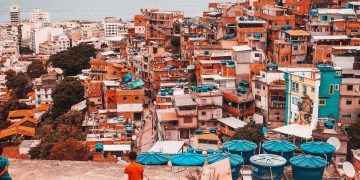
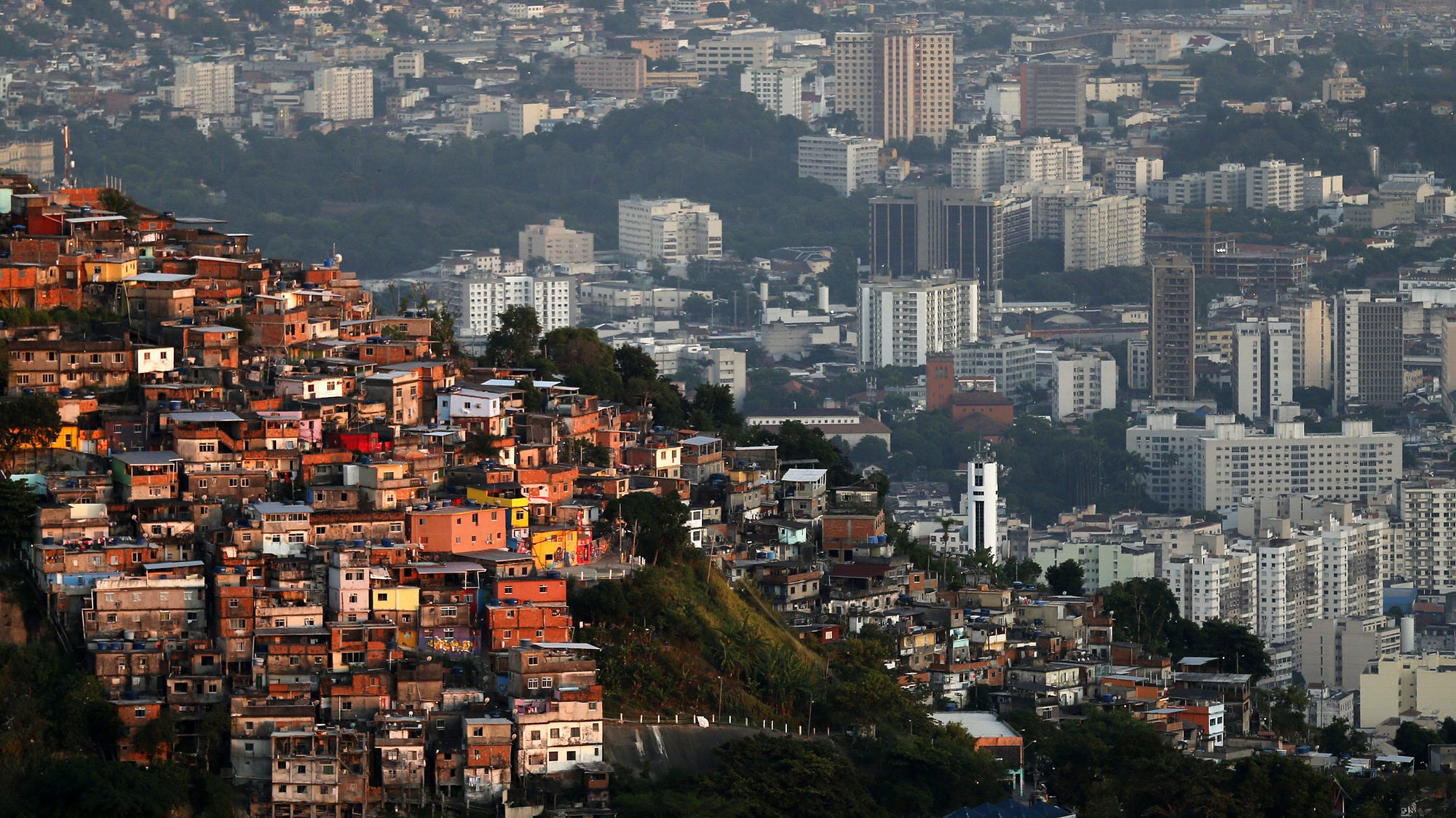
While urbanization offers many opportunities, it is not without challenges. Rapid urban growth often outpaces the development of infrastructure, leading to overcrowded cities, insufficient public services, and widespread poverty. Informal settlements or “favelas” in cities like Rio de Janeiro or Buenos Aires are prime examples of how urbanization, when poorly managed, can lead to the proliferation of slums.
Additionally, urbanization has contributed to a growing wealth gap. The contrast between the affluent neighborhoods and the sprawling slums is stark, raising questions about social inequality and access to resources. Urban areas are often where the most severe social inequalities are most visible.
Cities also face issues related to crime, traffic congestion, pollution, and waste management, all of which require coordinated efforts from governments, businesses, and communities to address.
The Future of Urbanization in Latin America
Looking forward, urbanization in Latin America is expected to continue growing, with projections indicating that the region’s urban population will reach nearly 90% by 2050. This growth will require careful urban planning, investment in infrastructure, and policies that prioritize sustainability, inclusivity, and social equity.
The challenge will be to ensure that the benefits of urbanization are distributed equitably, reducing inequality and ensuring that cities remain livable and sustainable for all. This will require innovative solutions to housing, transportation, and environmental challenges, as well as greater investment in human capital through education, healthcare, and social services.
Conclusion
Urbanization in Latin America is a complex phenomenon driven by a combination of economic, social, political, and environmental factors. The promise of better job opportunities, access to education and healthcare, and the pull of cultural and economic vitality are key drivers. However, the rapid pace of urbanization also presents significant challenges, from overcrowded cities and inequality to environmental degradation.
As the region continues to urbanize, the key will be finding a balance—ensuring that cities remain dynamic centers of opportunity while addressing the growing pains of rapid growth. The success of urbanization in Latin America will depend on policies that promote inclusive growth, sustainable development, and social equity, creating cities that work for everyone.