









The U.S.-Mexico border is one of the most contentious and complex geopolitical divides in the world. Stretching over 1,900 miles, the border serves as a physical and symbolic line between two nations with deeply intertwined histories, cultures, economies, and people. Yet, it is also a dividing line, a flashpoint for debates on immigration, national security, human rights, and the future of North America.
In this article, we will explore the multifaceted controversy surrounding the U.S.-Mexico border, focusing on key issues such as immigration policy, security concerns, economic impacts, and human rights. We will also examine the historical context of this division and consider possible paths toward a more balanced and compassionate approach to border management.
1. The Historical Roots of the U.S.-Mexico Border
To understand the controversy surrounding the U.S.-Mexico border today, it is crucial to look back at the history of the region. The current border is not a natural or ancient divide but a product of 19th-century political events.
The Treaty of Guadalupe Hidalgo
In 1848, following the Mexican-American War, the Treaty of Guadalupe Hidalgo resulted in Mexico ceding nearly half of its territory to the United States. This vast expanse included what are now the states of California, Arizona, New Mexico, and Texas. The border that was drawn at the time was intended to be a peaceful demarcation between the two countries, but over time, it would come to symbolize much more.
The Evolution of the Border
In the years following the treaty, the U.S.-Mexico border began to evolve in ways that reflected changing political and economic realities. For much of the 19th and early 20th centuries, the border was relatively porous. People moved freely across it, and trade and cultural exchange between the two countries were common. However, as the U.S. developed into a more industrialized and economically powerful nation, the border became increasingly policed and regulated, particularly as concerns over immigration and labor markets emerged.
2. The Immigration Debate: A Nation Divided
Perhaps the most prominent aspect of the U.S.-Mexico border controversy is the debate over immigration. In recent decades, the border has become synonymous with the issue of illegal immigration, as millions of people from Mexico and other Latin American countries have crossed into the United States in search of better economic opportunities, safety, and a better life for their families.
The Flow of Migrants
Despite legal immigration pathways, millions of people have crossed the border without authorization. The reasons for this are varied: economic hardship, violence, corruption, and political instability in Mexico and Central America have driven many to seek refuge in the U.S. These migrants often take dangerous routes through deserts, mountains, and rivers, risking their lives to escape conditions in their home countries.
The issue of immigration, especially undocumented immigration, has been a focal point in U.S. politics for decades. Immigration advocates argue that the U.S. has a moral and historical obligation to offer asylum and opportunity to those fleeing hardship, while critics argue that illegal immigration strains public resources, increases crime, and undermines national security.
The Political Divide
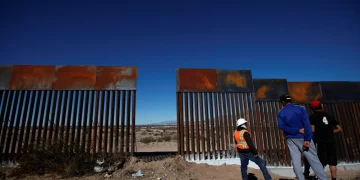
The debate over immigration has created a deep political divide in the United States. For many conservatives, the U.S.-Mexico border represents a critical line of defense against what they perceive as unchecked immigration that threatens American jobs, security, and sovereignty. They advocate for stricter enforcement of border controls, including the construction of a physical wall, increased border patrols, and harsh penalties for illegal entry.
On the other side, liberals and immigration reform advocates argue that the U.S. has long been a nation built by immigrants and should embrace a more compassionate approach. They support policies that offer pathways to citizenship for undocumented immigrants, protect the rights of asylum seekers, and create a more humane border enforcement system. They also highlight the contributions that immigrants make to the U.S. economy and culture.
3. National Security Concerns: The Border as a Strategic Line

The U.S.-Mexico border is not just a line of political division; it is also a critical component of national security. In recent years, security concerns related to drug trafficking, organized crime, and terrorism have added complexity to the border debate.
Drug Trafficking and Organized Crime
One of the most pressing security concerns related to the U.S.-Mexico border is the trafficking of illegal drugs. Mexico has long been a major transit point for drugs heading into the U.S., and cartels operating along the border are responsible for much of the smuggling of narcotics like cocaine, heroin, marijuana, and methamphetamine. The high demand for these drugs in the U.S. fuels a violent and lucrative industry that often results in deadly clashes between law enforcement and criminal organizations.
The U.S. government has spent billions of dollars attempting to curb drug trafficking, with a particular focus on interdiction efforts along the border. This has led to the construction of a series of border fences, walls, and surveillance systems, as well as the deployment of thousands of border patrol agents. Despite these efforts, drug cartels continue to exploit weaknesses in border enforcement, leading many to argue that a more comprehensive approach, including addressing the root causes of the drug trade, is needed.
Human Trafficking
Another major security issue tied to the U.S.-Mexico border is human trafficking. Many individuals, including women and children, are smuggled across the border and forced into exploitative situations, including labor and sex trafficking. These trafficking networks operate alongside drug cartels, and the U.S. and Mexican governments have cooperated on various measures to combat this illegal industry. However, the vast expanse of the border, coupled with the sheer number of migrants attempting to cross, makes it difficult to curb trafficking entirely.
Terrorism and Border Security
While terrorism is less of a direct concern at the U.S.-Mexico border compared to the U.S.-Canada border, there have been instances where individuals with links to extremist groups have attempted to cross into the U.S. from Mexico. In response, the U.S. has increased its surveillance and security measures along the border. This includes the use of advanced technology, such as drones, cameras, and sensors, as well as physical barriers, to prevent unauthorized crossings.
For many Americans, these security concerns justify strong enforcement measures and the construction of a border wall. However, critics argue that the focus on physical barriers does little to address the root causes of these security challenges and instead harms the region’s local economies and communities.
4. Economic Implications: Trade, Labor, and the Border
The U.S.-Mexico border is not just a barrier; it is also a bridge for trade and commerce. The economic relationship between the two countries is deeply interdependent, and the border plays a crucial role in facilitating the flow of goods, services, and labor.
Trade and the North American Free Trade Agreement (NAFTA)
Trade between the U.S. and Mexico has surged in recent decades, particularly after the signing of the North American Free Trade Agreement (NAFTA) in 1994. The agreement created a trilateral trading bloc between the U.S., Canada, and Mexico, significantly reducing tariffs and other trade barriers. As a result, goods like automobiles, electronics, agricultural products, and oil are regularly transported across the border, contributing to economic growth in both countries.
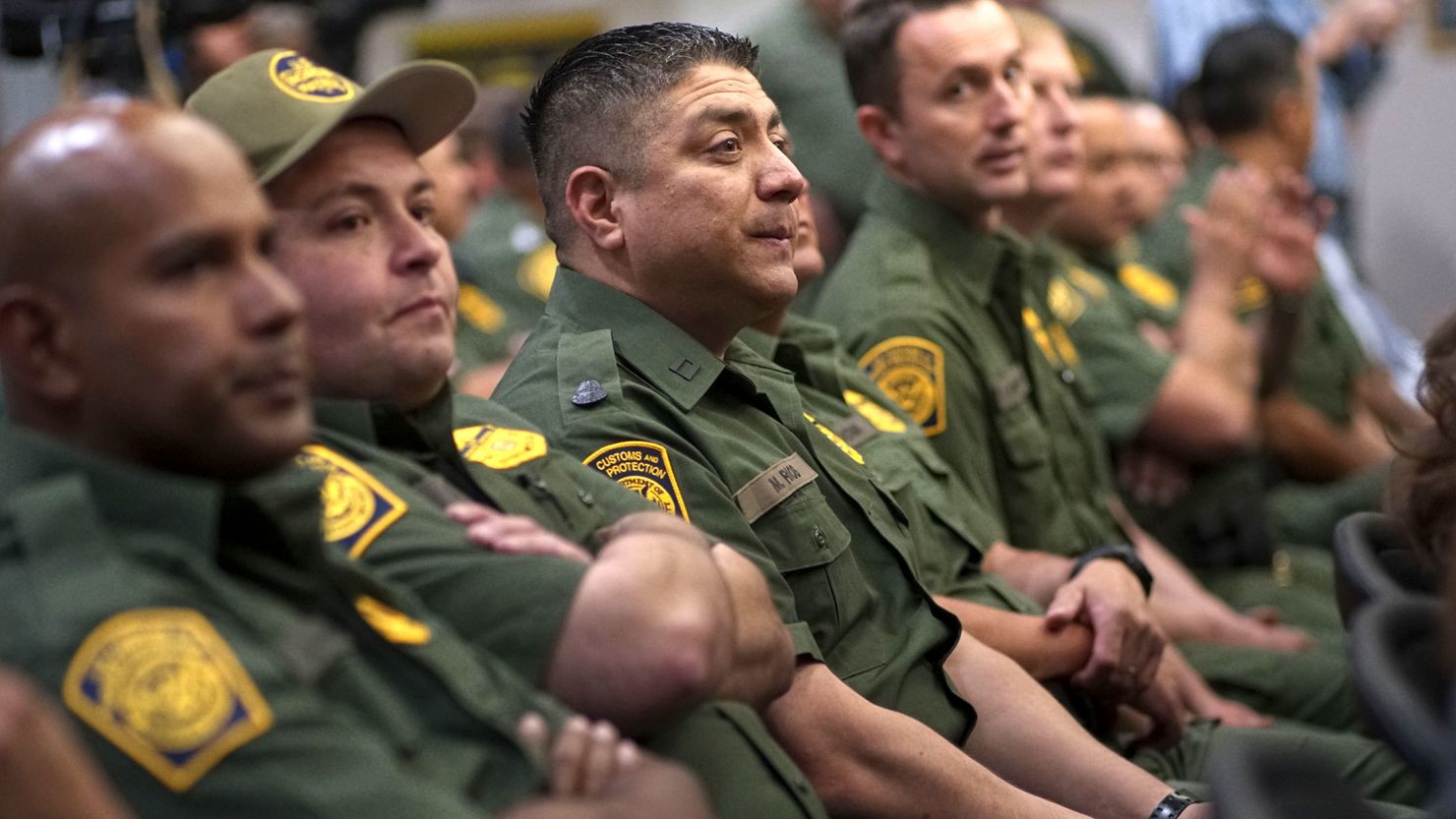
For border cities like El Paso, Texas, and Tijuana, Mexico, trade is a vital economic engine. The flow of goods and services creates jobs, stimulates local economies, and fosters cross-border business relationships. However, trade is not without its challenges. The movement of goods across the border can be slowed by delays due to customs checks, tariffs, and logistical issues. Political instability and changes in trade policy can also affect the smooth functioning of the border economy.
Labor and the Informal Economy
Another important aspect of the U.S.-Mexico border is the role of labor. Many Mexican and Central American migrants who cross the border in search of better opportunities end up working in the U.S. labor market, particularly in agriculture, construction, and service industries. These migrant workers are often employed in low-wage jobs that Americans are less willing to take.
However, many of these workers are undocumented, which creates a complex and often precarious situation. While their labor is crucial to the functioning of certain industries, these workers are vulnerable to exploitation and lack access to basic labor protections. The debate over immigration reform often centers around how to address the status of undocumented workers—whether through amnesty, legalization, or stricter enforcement of immigration laws.
5. Human Rights and the Border Crisis
Beyond the political, economic, and security concerns lies the human toll of the U.S.-Mexico border. The growing militarization of the border and increasingly harsh immigration policies have resulted in significant human suffering.
Migrant Deaths
Each year, hundreds of migrants die while attempting to cross the U.S.-Mexico border. Many of these deaths occur in the harsh desert regions of Arizona and Texas, where extreme temperatures, dehydration, and treacherous terrain claim lives. According to estimates from humanitarian groups, over 7,000 people have died while crossing the border since the 1990s. These deaths have sparked protests and calls for policy changes to protect migrants, including the creation of safe pathways for asylum seekers.
Family Separation
The issue of family separation has been one of the most heart-wrenching aspects of the border controversy. In recent years, U.S. immigration policies, particularly under the “zero tolerance” policy of the Trump administration, have resulted in the separation of thousands of children from their parents at the border. These separations were intended as a deterrent to illegal immigration but have been widely condemned as inhumane. Many families were detained in separate facilities, and some parents were deported without their children.
The psychological impact on these children has been profound, with long-lasting effects on their mental health and well-being. Human rights organizations have called for an end to family separations and for reforms to immigration policies that prioritize family unity.
6. Possible Solutions and Pathways Forward
Given the complexity of the U.S.-Mexico border issue, finding a solution that balances security, economic interests, and humanitarian concerns is no easy task. However, several potential pathways forward have been proposed.
Comprehensive Immigration Reform
One of the most widely discussed solutions is comprehensive immigration reform, which would address both the legal status of undocumented immigrants and the security concerns surrounding the border. Such reform would involve creating pathways to citizenship for undocumented immigrants already living in the U.S., protecting the rights of asylum seekers, and improving border security through a combination of technology and personnel rather than relying solely on physical walls.
Humanitarian Approaches
Another approach is to focus on more humanitarian policies that treat migrants with dignity and respect. This could include expanding asylum programs, creating safer migration routes, and providing more resources for border communities that bear the brunt of migration flows.
Bilateral Cooperation
Finally, any long-term solution must involve cooperation between the U.S. and Mexico. Addressing the root causes of migration, such as poverty, violence, and instability in Central America, will require both countries working together, along with other international partners. Investing in development programs, improving security, and creating job opportunities in the region could help reduce the pressure on the border.
Conclusion
The U.S.-Mexico border is a complex and multifaceted issue that touches on immigration, security, economics, and human rights. While the controversy surrounding the border is unlikely to disappear anytime soon, finding a solution will require nuanced, compassionate, and practical policies that balance the needs of both nations and their citizens. The challenge is not just in securing the border but in creating a system that recognizes the shared humanity of those who live along it.