




Introduction
Gender equality in the workplace remains one of the most pressing issues worldwide, and African nations are no exception. While many African countries have made significant strides toward advancing women’s rights and achieving gender parity in the workplace, challenges persist due to deeply rooted cultural norms, economic barriers, and political structures. Nonetheless, progressive policies, legal reforms, and a growing collective awareness have laid a foundation for substantial change. In this article, we explore the various ways in which African nations are approaching gender equality in the workplace, identifying both successes and ongoing challenges.
The Legal Framework for Gender Equality in Africa
National Laws and Policies
In many African nations, gender equality in the workplace is protected by law. These laws are designed to ensure equal opportunities for men and women, with provisions addressing areas like employment, pay, and workplace discrimination. Countries such as South Africa, Rwanda, and Kenya have been at the forefront of legal reforms aimed at narrowing the gender gap.
South Africa’s Employment Equity Act (1998) is a key example of a legislative measure that promotes gender equality in employment. It requires employers to eliminate unfair discrimination in the workplace and encourages the hiring of women and other marginalized groups. Similarly, the Rwanda National Gender Policy emphasizes equal representation of women in leadership roles and decision-making positions, particularly in the public sector.
In addition to national laws, the African Union’s Protocol to the African Charter on Human and People’s Rights on the Rights of Women in Africa, also known as the Maputo Protocol, provides a continent-wide framework for women’s rights. Signed by a majority of African countries, the protocol outlines provisions for gender equality in the workplace, including the right to equal pay, maternity leave, and protection from sexual harassment.
The Role of International Organizations
International organizations, such as the United Nations (UN) and the International Labour Organization (ILO), also play a crucial role in supporting gender equality efforts in African nations. The ILO’s Convention on the Elimination of Discrimination in Employment and Occupation sets standards for fair treatment and equal opportunities at work. Many African countries have ratified these international treaties, pledging to align their labor policies with global best practices.
Socio-Cultural Barriers to Gender Equality
Traditional Gender Roles
One of the most significant barriers to achieving gender equality in the workplace in Africa is the persistence of traditional gender roles. In many African cultures, women are still expected to prioritize domestic duties, such as raising children and caring for the home, while men are seen as the primary breadwinners. This cultural expectation often discourages women from pursuing careers outside the home, especially in fields that are considered male-dominated, such as engineering, politics, and technology.
In rural areas, these cultural norms are even more entrenched. The lack of access to education and professional training further limits women’s opportunities to enter the workforce and secure well-paying jobs. Consequently, women in rural communities often experience higher unemployment rates and lower levels of economic participation than their urban counterparts.
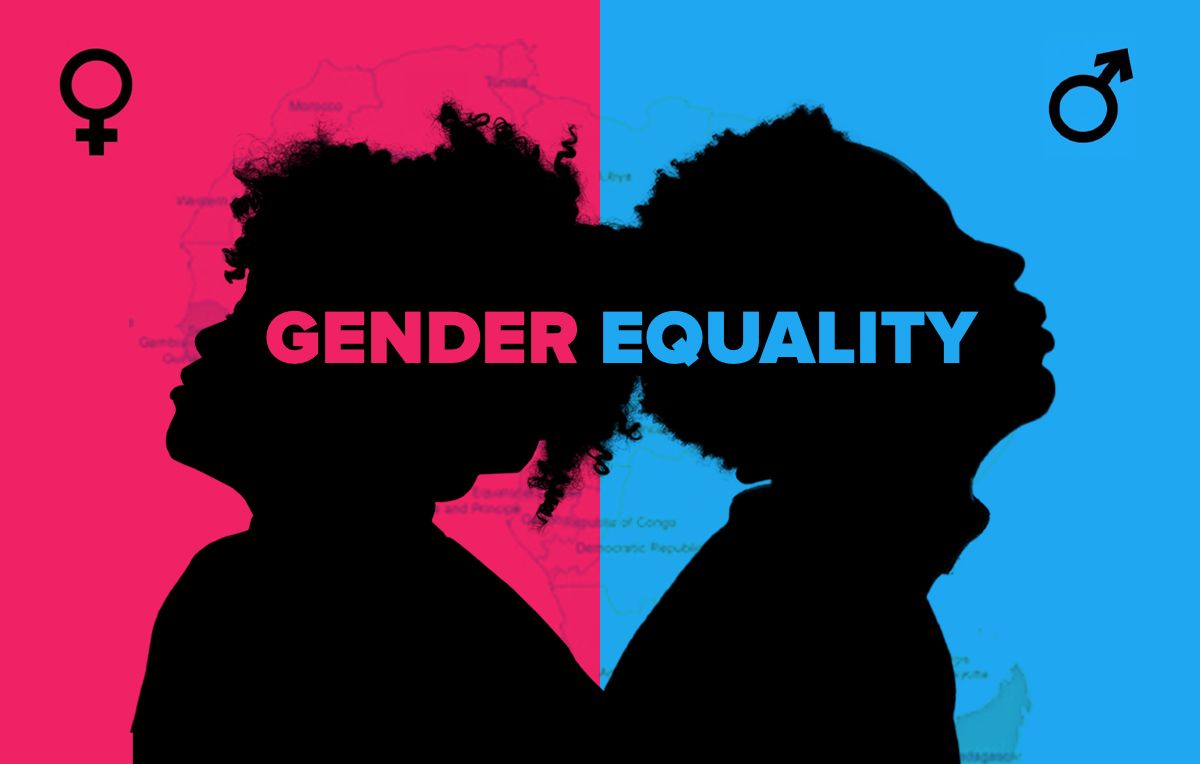
Patriarchal Structures in the Workplace
In many African workplaces, patriarchal attitudes continue to dominate. Women are often relegated to lower-paying, lower-status jobs, and face significant challenges when it comes to career advancement. Research shows that women in the workplace in Africa tend to encounter a “glass ceiling” that prevents them from rising to senior leadership positions. Even when women are qualified, they are often overlooked for promotions in favor of male colleagues.
Sexual harassment and gender-based violence in the workplace are also significant concerns. In many African countries, these issues have historically been underreported due to fear of retaliation or societal stigma. Women who speak out against harassment often face dismissal or social ostracism, which further discourages them from reporting such incidents.
Education and Access to Training
Education is a critical factor in empowering women and fostering gender equality in the workplace. Many African nations are taking steps to close the gender gap in education, but challenges persist. While primary education for girls has seen significant progress in recent years, disparities remain in secondary and tertiary education, particularly in rural areas. In countries like Nigeria and Ethiopia, cultural attitudes and economic factors still prevent many girls from continuing their education beyond primary school.
Efforts to address this gap are being made, however. For example, in Ethiopia, the Education and Training Policy promotes gender equality by encouraging the enrollment of girls in schools and providing scholarships for female students pursuing higher education. Similarly, Rwanda has made strides in increasing the number of women in STEM (Science, Technology, Engineering, and Mathematics) fields, through targeted initiatives like the Rwanda Women in Science and Engineering project.
Success Stories: Where Gender Equality Is Making Strides
Despite the challenges, some African nations have seen remarkable progress in promoting gender equality in the workplace.
Rwanda: A Model of Gender Representation
Rwanda is often cited as one of the most successful examples of gender equality in Africa. The country boasts the highest percentage of women in parliament worldwide, with women holding over 60% of the seats in the Rwandan Parliament since 2003. This remarkable achievement is the result of deliberate policy measures and political will, as well as a strong national commitment to gender equality.
Rwanda’s success extends beyond politics to the private sector, where women are increasingly taking on leadership roles. The National Women’s Council has played a pivotal role in supporting women’s entrepreneurship and economic empowerment. Policies aimed at improving access to finance for women-led businesses and promoting female participation in decision-making processes have further contributed to gender equality in Rwanda.

South Africa: Legal and Economic Reforms
South Africa stands out for its comprehensive legal framework aimed at promoting gender equality in the workplace. The country’s Broad-Based Black Economic Empowerment (BBBEE) policy aims to increase the participation of women and other historically disadvantaged groups in the economy. While the BBBEE policy was initially designed to address racial inequality, it has also provided a platform for gender equality, offering women greater access to business opportunities and leadership positions.
In addition to the Employment Equity Act, South Africa has implemented progressive policies to address sexual harassment, promote work-life balance, and ensure equal pay for equal work. The South African Women Entrepreneurs Network (SAWEN) is another initiative that has empowered female entrepreneurs by offering training, networking opportunities, and access to finance.
Kenya: A Growing Focus on Gender Parity
Kenya has also made notable progress in improving gender equality in the workplace, especially in terms of women’s participation in business and politics. Kenya’s Constitution of 2010 enshrines gender equality, guaranteeing equal opportunities for men and women in employment and public life. The country’s Gender and Development Policy further emphasizes the need to promote women’s participation in all sectors of the economy.
Kenya has seen significant improvements in women’s access to education and employment, particularly in fields like agriculture, finance, and technology. Initiatives like the Kenya Women Microfinance Bank and the Women Enterprise Fund provide financial support and training to women, helping them launch businesses and gain financial independence.
Challenges to Overcome
Despite significant progress, several challenges remain in the pursuit of gender equality in the workplace across Africa.
Economic Barriers
One of the most significant challenges to gender equality in the workplace is the economic disparity between men and women. In many African countries, women are concentrated in the informal sector, where jobs tend to be lower-paying and lack basic benefits like health insurance or retirement plans. Furthermore, women are often employed in industries that are less likely to offer opportunities for career advancement, such as agriculture or retail.
This economic disparity is compounded by the gender pay gap, which persists in almost every country across the continent. Women often earn less than men for performing the same work, and this wage gap is particularly pronounced in industries such as finance, engineering, and technology.
Gender-Based Violence and Harassment
Gender-based violence (GBV) and sexual harassment continue to be significant issues for women in African workplaces. While progress has been made in enacting laws to combat GBV and harassment, enforcement remains inconsistent. In some countries, like South Africa, there are relatively strong laws protecting women from workplace harassment, but many women still fear speaking out due to potential retaliation or stigma.
Additionally, in more conservative societies, issues of sexual harassment and abuse are often swept under the rug, further perpetuating the cycle of discrimination and inequality.
The Path Forward
For African nations to make meaningful progress toward gender equality in the workplace, it is essential to address both legal and cultural barriers. Strengthening the enforcement of existing laws, increasing access to education for women, and improving economic opportunities for women in all sectors are crucial steps in ensuring that gender equality becomes a reality.
Furthermore, African countries must continue to foster political will at the highest levels to push for gender equality in the workplace. Encouraging private sector involvement and providing training and resources to both employers and employees will also be vital in shifting workplace cultures toward inclusivity and fairness.
Conclusion
Gender equality in the workplace remains a complex issue in Africa, shaped by a combination of legal, cultural, and economic factors. While significant strides have been made in countries like Rwanda, South Africa, and Kenya, many challenges remain. To truly achieve gender parity, African nations must continue to push for legal reforms, challenge traditional gender roles, and provide women with the tools they need to succeed in the workplace. By addressing these issues head-on, African nations can build a more inclusive, equitable future for all.