





Africa is urbanizing at a pace unmatched by any other region in the world. Cities such as Lagos, Nairobi, Johannesburg, Accra, Dar es Salaam, Addis Ababa, and Abidjan are expanding at lightning speed; secondary cities like Kumasi, Kisumu, Gulu, Lubumbashi, and Kano are not far behind. This transformation—historic in both scale and velocity—has sparked waves of innovation and creativity, but also significant social stresses. Rapid urbanization in Africa is a story of energy and challenge, ambition and uncertainty, ingenuity and inequity. It is a complex tale that is still unfolding, reshaping societies, cultures, and individual lives.
This article explores the social impacts of Africa’s rapid urbanization in a comprehensive, engaging, and professionally informed manner. Structured for clarity and readability, it blends strong analytical depth with accessible language and lively expression. From demographics and social mobility to public health, education, culture, housing, gender norms, and governance, we will examine how the urban boom is transforming the continent’s social fabric.
1. A New Urban Era: Africa’s Demographic Puzzle
Urban Africa is expanding faster than almost any region has ever done historically. While Europe’s urban transition unfolded over two centuries, Africa’s is happening within a few decades. This demographic surge redefines social dynamics in several critical ways:
1.1 Youth-Driven Cities
Africa’s cities are young—literally. The median age in many urban areas sits around 18–20. This youthful population brings enormous potential for creativity, entrepreneurship, and labor force expansion. Tech hubs sprout where cafés and university clubs officiate as informal incubators. Start-up scenes from Kigali to Lagos illustrate what happens when ambition meets dense social networks.
But youth-driven growth also poses risks: unemployment, political frustration, and social unrest become possible if economic opportunities cannot keep pace with swelling populations. When entire age cohorts struggle to find stable work or quality education, the outcome can be a surge in crime, informal economies, or disillusionment.
1.2 Rural-to-Urban Migration and Shifting Social Identity
Much of Africa’s urbanization is powered by rural migrants seeking better futures. These movers carry with them traditions, dialects, family structures, and community expectations. Once in the city, they often undergo significant identity negotiations:
- Traditional extended-family roles shift as nuclear families become more common.
- Kinship-based social safety nets weaken when physical distance separates relatives.
- New urban lifestyles—marked by speed, anonymity, and diversity—alter values about work, gender, and community.
Migration becomes not only a geographic shift but a psychological and cultural one.
2. Housing, Inequality, and the Rise of Informal Settlements
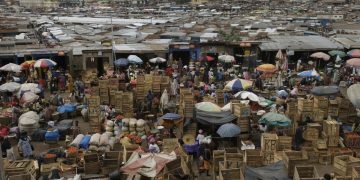
One of the most visible social impacts of rapid urbanization is the proliferation of informal settlements. Cities struggle to provide formal housing fast enough, and the result is sprawling slums, some of which have become miniature societies with their own governance and economies.
2.1 Life in Informal Settlements
These communities often possess remarkable social cohesion. Neighbors rely on each other for child care, security, and information. Residents form micro-economies centered on small shops, informal transport, hair salons, phone-charging kiosks, or water points.
Yet challenges remain severe:
- Overcrowding and unsafe housing increase vulnerability to disease and disaster cycles.
- Limited sanitation impacts public health.
- Land tenure insecurity leads to constant fear of eviction.
- Access to electricity and water varies widely, affecting daily routines and household stability.
2.2 Urban Inequality as a Social Force
Urbanization magnifies inequality more visibly than rural life. Skyscrapers rise beside corrugated iron rooftops; business districts surround abundant informal markets. The proximity of wealth and poverty can create social tension or motivation, depending on context.
For the urban poor, inequality shapes:
- aspirations (“If they can do it, maybe I can too”)
- frustrations (“But opportunities seem unfairly distributed”)
- political attitudes (“Who is responsible for this imbalance?”)
This dual effect—hope mixed with resentment—makes inequality one of the most powerful social forces shaping African cities today.
3. Employment, Informal Economies, and Social Mobility
African cities pull people in with the promise of work, but the structure of urban employment often differs sharply from expectations.
3.1 The Informal Economy as the Urban Backbone
A large portion of urban residents depend on informal labor—selling street food, repairing electronics, driving motorbike taxis, running day-care services, or offering domestic help. While informal economies can foster resilience and entrepreneurial spirit, they also have social implications:
- Workers lack job security or formal benefits.
- Income volatility increases psychological stress.
- Occupational hazards rise without regulations.
- People may become trapped in low-wage cycles that limit upward mobility.
3.2 Emerging Sectors and Skill Shifts
Despite challenges, cities also create new pathways for socio-economic change. Tech, digital finance, entertainment industries, construction, logistics, and renewable energy sectors have expanded rapidly.
Urban living encourages skill acquisition:
- Digital literacy is often learned informally through peers.
- Vocational training centers flourish.
- Entrepreneurial communities foster innovation.
This dynamic environment serves as a launching pad for new career aspirations and social mobility.
4. Education: Expansion, Competition, and New Aspirations
Urbanization deeply influences educational access and quality.
4.1 More Schools, More Choices
Cities typically provide:
- proximity to universities, technical institutes, and high schools
- private schools offering specialized curricula
- public education options mixed with community-run alternatives
This variety expands educational possibilities, especially for girls and first-generation students.
4.2 Crowding and Competition
However, rapid population growth strains systems:
- Classrooms overflow.
- Teacher shortages become chronic.
- Learning materials cannot keep pace with demand.
Urban students experience sharpened academic competition, which shapes their social outlook—ambition, stress, and a strong desire for upward mobility often coexist.
5. Public Health: Urban Advantages and Urban Penalties
Urbanization profoundly shapes health outcomes—some positive, some negative.
5.1 Urban Health Opportunities
Cities often offer:

- closer access to hospitals and clinics
- improved maternal health services
- stronger vaccination programs
- better availability of doctors, labs, and specialists
Urban residents, on average, tend to have higher life expectancy than rural populations—when services are accessible.
5.2 The Urban Health Penalty
Yet rapid, unplanned growth creates new problems:
- Air pollution increases respiratory issues.
- Traffic accidents surge in congested cities.
- Mental health burdens rise due to stress and fast-paced lifestyles.
- Water contamination and waste mismanagement remain persistent challenges.
- Infectious diseases spread rapidly in dense environments.
These health pressures reshape social behavior—how families use time, how communities care for the vulnerable, and how individuals navigate their environment.
6. Gender Roles, Family Structure, and Shifting Social Norms
Urbanization has profound implications for gender dynamics and family life.
6.1 Women and New Economic Opportunities
Cities provide women with unprecedented access to:
- employment
- entrepreneurship
- education
- reproductive health services
This leads to shifts in gender norms:
- more women enter the formal workforce
- attitudes toward marriage and childbearing evolve
- dual-income households become more common
Urban women often gain greater economic autonomy, reshaping household dynamics.
6.2 Family Transformation
Traditional extended-family structures give way to new patterns:
- smaller nuclear households
- single-parent families
- cohabitation without marriage
- inter-tribal and inter-religious relationships
These changes broaden social identities while challenging older customs.
7. Social Cohesion, Diversity, and Conflict
Cities bring people from different backgrounds together—ethnic groups, religions, languages, income levels, and lifestyles collide, interact, blend, and sometimes clash.
7.1 Cultural Blending
Urban Africa is a cultural mosaic where:
- music styles fuse (afrobeats, bongo flava, amapiano)
- languages mix (pidgins, urban slang, hybrid dialects)
- fashion and art scenes flourish
Cities act as creative engines that produce shared youth culture across borders.
7.2 Social Fragmentation
But diversity also magnifies fault lines. Competition for scarce resources—jobs, housing, services—can intensify:
- inter-ethnic tensions
- neighborhood rivalries
- political polarization
When governance fails to deliver equitable services, social cohesion weakens.
8. Crime, Security, and the Urban Safety Net
Crime often increases during periods of rapid urban growth, not because people become more criminal, but because institutions lag behind population changes.
8.1 Drivers of Urban Crime
Key contributing factors include:
- unemployment among youth
- overcrowding
- insufficient policing
- inequality and visible wealth disparities
- weak judicial systems
Criminal activity becomes a social response to structural challenges.
8.2 Community-Based Security Innovations
Despite these risks, urban communities frequently develop creative safety systems:
- neighborhood patrols
- youth engagement programs
- community courts
- informal dispute-resolution networks
These grassroots mechanisms show that social resilience can thrive even under stress.
9. Transportation, Mobility, and Daily Social Life
Urbanization dramatically transforms how people move—and how movement shapes social connection.
9.1 Congestion and the Daily Grind
Cities like Lagos and Nairobi are famous for traffic that eats hours of time daily. This affects:
- stress levels
- productivity
- family time
- social interaction
Mobility becomes a central aspect of the urban experience.
9.2 Informal Transport Systems
Motorbike taxis, minibuses, tricycles, and ride-hailing platforms shape a unique urban mobility culture. These systems are:
- flexible
- affordable
- socially interactive
They also serve as entry points into informal work for thousands of young people.
10. Digital Connectivity and the Urban Tech Wave
African cities are spearheading a technological revolution.
10.1 Smartphones as Social Engines
Mobile phones are ubiquitous, serving as:
- banking tools
- educational platforms
- social networking devices
- business management tools
Digital life shifts social relationships, enabling new forms of communication and community.
10.2 Start-Up Culture and Social Innovation
Urban tech hubs become magnets for:
- innovators
- coders
- investors
- creatives
These networks influence social values, emphasizing entrepreneurship and collaboration.
11. Urban Politics, Governance, and Civic Culture
Urbanization pushes governments to adapt, creating new political realities.
11.1 The Rise of Urban Citizenship
City residents increasingly demand:
- better services
- transparent governance
- infrastructure investment
Urban problems become political issues, and civic activism expands through youth movements, social media campaigns, and street protests.
11.2 Decentralization and New Power Dynamics
As cities grow, some countries shift powers from national to municipal governments. This creates:
- opportunities for localized innovation
- risks of corruption if institutions remain weak
- new social tensions between city elites and peripheral communities
Urban politics becomes a dynamic and sometimes contentious arena.
12. Cultural Renaissance and Urban Creativity
African cities are global cultural hotspots.
12.1 Music, Film, and Visual Arts
Urban environments fuel artistic vibrancy. From Nollywood in Lagos to fashion collectives in Johannesburg, cultural production becomes a major social and economic force.
12.2 Urban Spaces for Expression
Public spaces—markets, streets, parks, nightlife zones—act as theaters for cultural exchange. Murals, performance art, and festivals transform cities into living canvases.
These artistic expressions shape identity, pride, and cross-cultural understanding.
13. The Future: Navigating Opportunities and Risks
Africa’s urban future carries immense promise if managed well.
13.1 Potential Positive Trajectories
Cities could become:
- engines of economic growth
- centers of innovation
- platforms for cultural diplomacy
- nodes of high-skilled employment
- testing grounds for smart infrastructure
If planned and governed effectively, urbanization can lift millions into prosperity.
13.2 Risks if Trends Continue Unchecked
However, unchecked growth may lead to:
- deepened inequality
- environmental degradation
- heightened crime
- fragmented societies
- persistent slum proliferation
The social fabric could fray if infrastructure and policy fail to catch up.
Conclusion: Africa’s Urbanization—A Social Revolution in Motion
Africa’s rapid urbanization is neither wholly positive nor wholly negative. It is a multidimensional transformation that touches every aspect of life—housing, identity, education, health, culture, gender norms, family structures, and political engagement. Cities are becoming arenas where old traditions collide with new aspirations, where opportunity meets constraint, and where resilience contends with fragility.
Urbanization is ultimately a social revolution—messy, vibrant, difficult, hopeful, and profoundly human. Africa’s cities will continue to evolve, reshaping the continent’s future one neighborhood, one migrant, one entrepreneur, and one generation at a time.