






The Andes, stretching over 7,000 kilometers along the western edge of South America, are more than just an iconic mountain range; they are the lifeblood of the continent. From snow-capped peaks piercing the sky to deep valleys cradling fast-flowing rivers, the Andes serve as a massive natural water reservoir that sustains millions of people, unique ecosystems, and vibrant economies across the continent. Understanding why the Andes are critical to South America’s water supply requires exploring their geology, hydrology, climate influence, and socio-economic importance.
The Geography and Scale of the Andes
The Andes are the longest continental mountain range in the world, spanning seven countries: Venezuela, Colombia, Ecuador, Peru, Bolivia, Chile, and Argentina. Their width varies, but in some regions, they can stretch up to 700 kilometers. This immense size allows them to intercept moist winds from the Pacific and Atlantic, channeling them into rivers, lakes, and underground aquifers. The Andes also contain some of the highest peaks outside Asia, including Aconcagua in Argentina at 6,961 meters. These towering altitudes create cold conditions that promote glacial formation, a critical element in the region’s freshwater storage.
Unlike mountains in temperate zones, the Andes occupy diverse climates—from tropical northern ranges near Venezuela and Colombia to the arid, high-altitude deserts of northern Chile and southern Peru. This variety makes the Andes a complex hydrological system with multiple microclimates and water sources. Some areas receive heavy rainfall year-round, while others rely primarily on seasonal snowmelt. Despite these differences, the Andes as a whole function as a giant water tower for the continent.
The Andes as South America’s Natural Water Tower
Mountains are often described as “water towers,” but the Andes exemplify this metaphor like no other range in the Americas. High-altitude precipitation, both as snow and rain, accumulates in glaciers, lakes, and underground reservoirs. As temperatures rise during the warmer months, snow and ice melt gradually, feeding rivers and aquifers downstream. This slow-release system is crucial for maintaining water flow throughout the year, especially during dry seasons when rainfall alone cannot sustain rivers.
The Andes supply water to some of the continent’s most important river systems. The Amazon River, which carries more water than any other river in the world, has many of its tributaries originating in the eastern slopes of the Andes. Similarly, rivers like the Magdalena in Colombia, the Mantaro in Peru, and the Maipo in Chile depend heavily on Andean snow and glacial melt. Without this continuous supply, the water levels of these rivers would fluctuate dramatically, threatening agriculture, human settlements, and ecosystems.
Glaciers: The Frozen Reservoirs
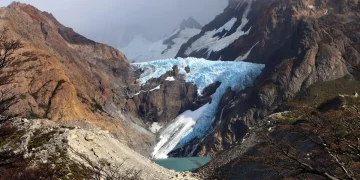
Glaciers in the Andes are particularly vital. Stretching across the tropics and mid-latitudes, Andean glaciers provide a unique function: they release water consistently even in the dry season. Unlike temperate glaciers that mainly contribute in spring and summer, tropical glaciers near the equator melt more steadily year-round due to constant solar radiation.
Countries like Peru, Bolivia, and Chile rely heavily on these glaciers for drinking water, irrigation, and hydroelectric power. For example, Lima, the capital of Peru, depends on the meltwater from Andean glaciers for over 70% of its freshwater supply. In regions where rainfall is scarce, these glaciers act as a natural insurance policy, sustaining millions of lives and livelihoods.
However, climate change is dramatically altering this system. Rising temperatures are causing rapid glacial retreat, threatening the long-term stability of water supply for both rural communities and megacities. The Andes’ role as a water tower is increasingly at risk, highlighting the need for sustainable water management strategies and careful monitoring of glacial health.
Rivers Born in the Andes
The Andes are the source of numerous river systems, each with distinct ecological and economic importance. These rivers are not just geographical features; they are arteries that nourish forests, wetlands, and human settlements across the continent.
The Amazon Basin
While often associated with tropical rainforests, the Amazon River owes much of its existence to the Andes. Snowmelt and rainfall from the eastern slopes feed tributaries like the Marañón, Ucayali, and Napo rivers. Together, they create a vast network of waterways that eventually converge into the Amazon, which transports an estimated 20% of the world’s riverine freshwater to the Atlantic Ocean. The Andes essentially act as a hydrological engine driving the flow of the world’s largest river system.
The Altiplano Rivers
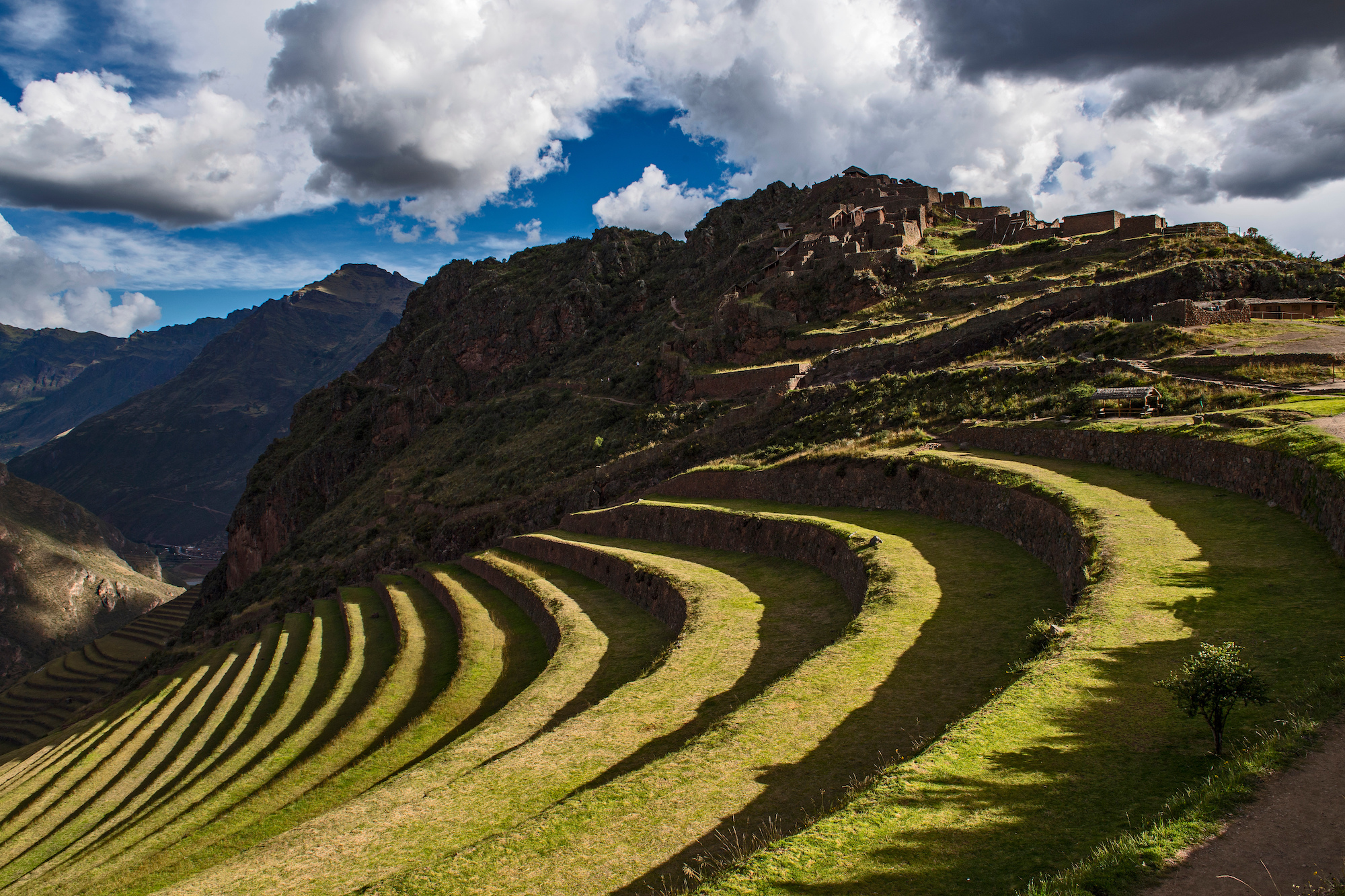
The high-altitude plateau of Bolivia, known as the Altiplano, features numerous rivers and lakes fed by Andean glaciers. Lakes like Titicaca, the largest in South America, rely heavily on Andean inflows. These waters support agriculture, provide drinking water, and sustain indigenous communities that have lived in the region for centuries. Seasonal variations in glacial melt and rainfall directly affect water availability here, making the Andes indispensable for life on the plateau.
Arid Rivers of Chile and Peru
In contrast, the western slopes of the Andes in Chile and Peru are extremely dry. The Atacama Desert, one of the driest places on Earth, relies on snowmelt from the Andes to feed small rivers and irrigation systems that sustain limited agriculture and mining operations. Without the Andes’ snowpack, these regions would be virtually uninhabitable. Even minor changes in precipitation or glacial melt can have outsized effects on water supply in these arid zones.
Groundwater and Aquifers
The Andes do more than supply surface water; they recharge underground aquifers critical for human consumption and agriculture. High-altitude precipitation infiltrates porous rocks and sediment layers, gradually moving downstream as groundwater. This slow movement provides a natural buffer during droughts, ensuring water continues to flow even when rivers run low.
In regions like northern Chile and central Peru, groundwater extracted from Andean aquifers supports irrigation for agriculture, mining activities, and urban populations. Maintaining the health of these aquifers is therefore just as critical as protecting glaciers and rivers. Over-extraction or contamination could have catastrophic consequences, given the dependence of local communities on these hidden reservoirs.
Ecosystem Support
The Andes’ role in water supply extends beyond human needs. The range sustains a stunning array of ecosystems—from high-altitude grasslands and wetlands to cloud forests and tropical jungles. Freshwater availability directly shapes biodiversity patterns.
High Andean wetlands, known as bofedales, depend on meltwater to maintain their delicate ecosystems. These wetlands are home to endemic species like the Andean flamingo and vicuña. Lower-altitude cloud forests rely on consistent rainfall and runoff for survival, supporting a host of amphibians, birds, and mammals that cannot thrive elsewhere. Disruption in water flow from the Andes could cascade through these ecosystems, threatening countless species.
Socio-Economic Dependence
South America’s human populations are intricately linked to Andean water. Millions live downstream of the Andes, and many major cities depend on glacial and river water for drinking, sanitation, and industry. Lima, Bogotá, La Paz, Santiago, and Quito all draw significant portions of their water from Andean sources.
Agriculture is another sector heavily reliant on these waters. Crops like potatoes, quinoa, maize, and coffee in Andean-adjacent valleys depend on consistent irrigation. Hydroelectric projects, which provide a significant portion of electricity in countries like Peru, Ecuador, and Chile, are entirely dependent on rivers fed by the Andes. Any disruption in water availability—whether due to climate change, overuse, or glacial retreat—could have ripple effects on food security, energy supply, and economic stability.
Mining, a major industry in countries like Chile and Peru, is also dependent on Andean water. Extracting minerals requires substantial freshwater, and Andean rivers often provide this critical resource. Conflicts over water allocation between agriculture, urban use, and mining have already emerged, highlighting the importance of sustainable management of these water sources.
Climate Regulation and Hydrological Impact
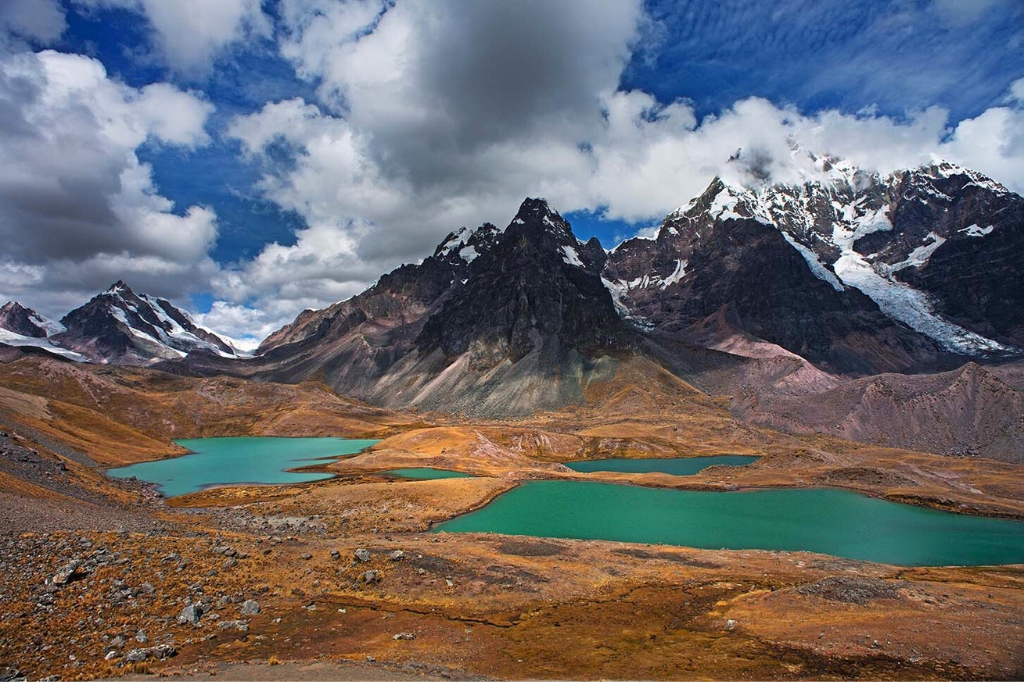
The Andes influence not only water quantity but also water distribution and climate regulation. By intercepting moisture-laden winds from the Pacific and Atlantic, the mountains create orographic rainfall patterns that dictate regional hydrology.
On the eastern slopes, winds from the Amazon Basin release moisture, creating lush forests and sustaining rivers. On the western slopes, the Andes block moisture, forming rain shadows that result in deserts like the Atacama. This uneven distribution is critical for understanding regional water availability and planning for irrigation, urban supply, and ecosystem conservation.
The Andes also help regulate temperature and precipitation patterns across South America. By storing water as ice and snow at high altitudes, the mountains slow down runoff and reduce the risk of catastrophic floods downstream. They act as a natural dam system, releasing water gradually, and this regulation is vital for agriculture, cities, and natural habitats.
Threats to the Andean Water System
Despite their critical importance, the Andes face numerous threats that endanger water security.
Glacial Retreat
The most immediate concern is the rapid retreat of glaciers. Studies indicate that many tropical Andean glaciers have shrunk by more than 50% over the past century. This loss threatens the steady water supply during dry periods, particularly for communities and cities downstream.
Deforestation
Deforestation in Andean foothills reduces water retention, increases runoff, and leads to soil erosion. Without trees and vegetation, rainfall is less effectively absorbed, resulting in more extreme floods and longer drought periods.
Mining and Pollution
Mining activities introduce pollutants into rivers and groundwater, compromising water quality. Heavy metals and chemicals from mines can contaminate water sources for both humans and ecosystems, exacerbating scarcity issues.
Climate Change
Global warming not only accelerates glacial melt but also alters precipitation patterns. Some areas may experience prolonged droughts, while others face extreme floods. These shifts threaten the delicate balance of water availability that the Andes have maintained for millennia.
Adaptation and Management Strategies
Protecting the Andes’ role in South America’s water supply requires careful planning and sustainable management.
- Glacier Monitoring: Remote sensing and on-site studies help track glacial health, predict water availability, and plan for future shortages.
- Water Conservation: Efficient irrigation techniques, rainwater harvesting, and wastewater recycling can reduce demand on Andean sources.
- Reforestation: Planting native vegetation in Andean watersheds improves water retention and reduces soil erosion.
- Pollution Control: Strict regulations on mining and industrial discharge help maintain water quality in rivers and aquifers.
- Transboundary Cooperation: Since many rivers cross national borders, countries sharing Andean waters need collaborative frameworks for equitable distribution and sustainable use.
Conclusion
The Andes are far more than a dramatic landscape; they are the backbone of South America’s water system. From snow-capped peaks to deep river valleys, these mountains store, regulate, and deliver water that sustains millions of people, countless species, and diverse economies. Glaciers act as natural reservoirs, rivers nourish ecosystems and cities, and aquifers provide hidden support during dry seasons.
Yet, this critical system is under threat from climate change, pollution, deforestation, and overuse. Protecting the Andes is not only an environmental imperative but also an economic and social necessity. Their water sustains life, agriculture, energy, and biodiversity. Ensuring their preservation is essential for the future of South America.
In short, without the Andes, much of South America would struggle to survive. They are not merely mountains—they are the continent’s water towers, climate regulators, and life-sustaining guardians.