

The Cold War, which spanned roughly from the end of World War II in 1945 to the dissolution of the Soviet Union in 1991, was more than just a battle of ideologies between the United States and the Soviet Union. It profoundly reshaped the political landscapes of numerous regions, with Latin America being one of the most significant areas affected. The Cold War’s impact on Latin American politics was multifaceted, involving a complex web of military interventions, ideological conflicts, and revolutionary movements. It transformed the region’s political alliances, sparked social upheaval, and established the conditions for long-lasting political polarization.
The U.S. and Soviet Influence: Competing Ideologies
At the heart of Cold War politics lay the stark ideological divide between the United States’ capitalist democracy and the Soviet Union’s communist state. Latin America, with its strategic location and vast resources, became a central battleground for both superpowers seeking to expand their spheres of influence.
From the very beginning of the Cold War, the United States viewed Latin America as an essential part of its “backyard” and sought to protect it from communist influence. The U.S. government feared that the spread of communism in the region would lead to a domino effect, allowing the Soviet Union to gain more power globally. This led to a range of interventions, some covert and others overt, aimed at quelling leftist movements and preventing the rise of socialist governments.
Conversely, the Soviet Union sought to penetrate the region by supporting revolutionary movements and providing military and financial aid to left-wing governments. The Cold War thus became a proxy conflict in Latin America, where local governments and insurgents became pawns in a much larger ideological struggle between the capitalist West and the communist East.
The Rise of Revolutionary Movements
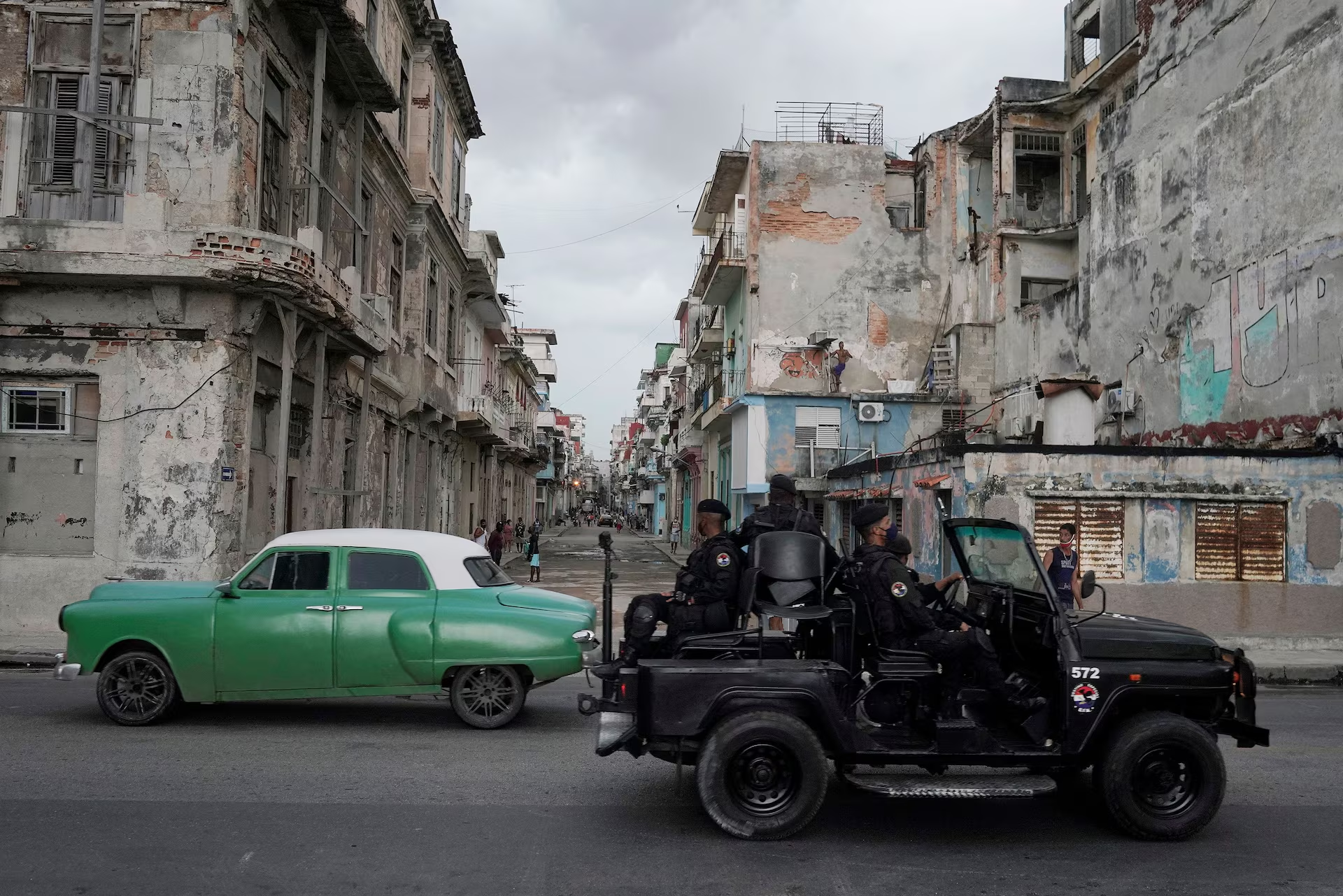
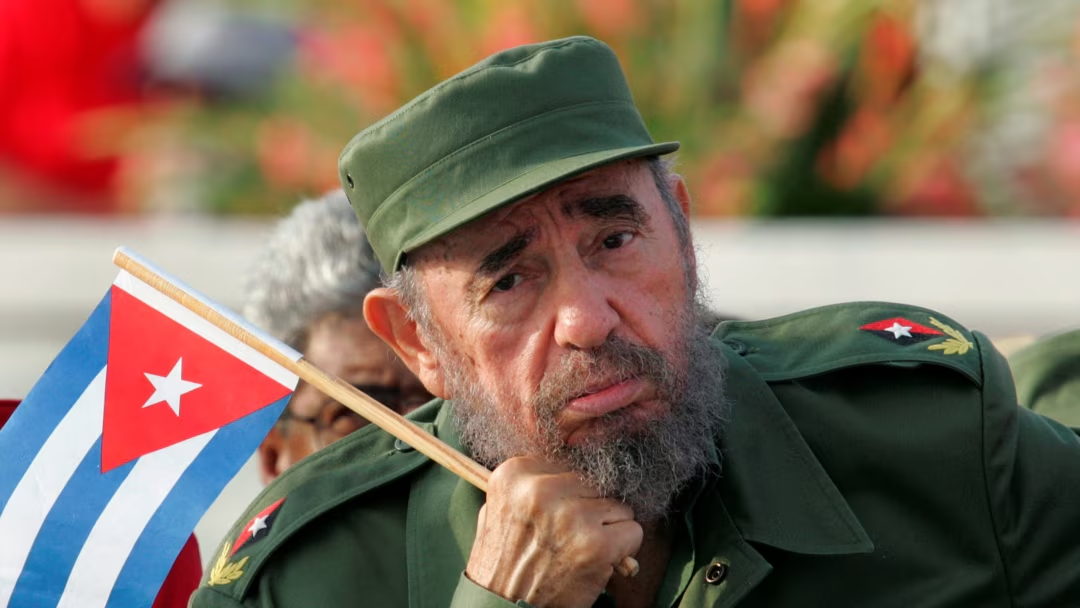
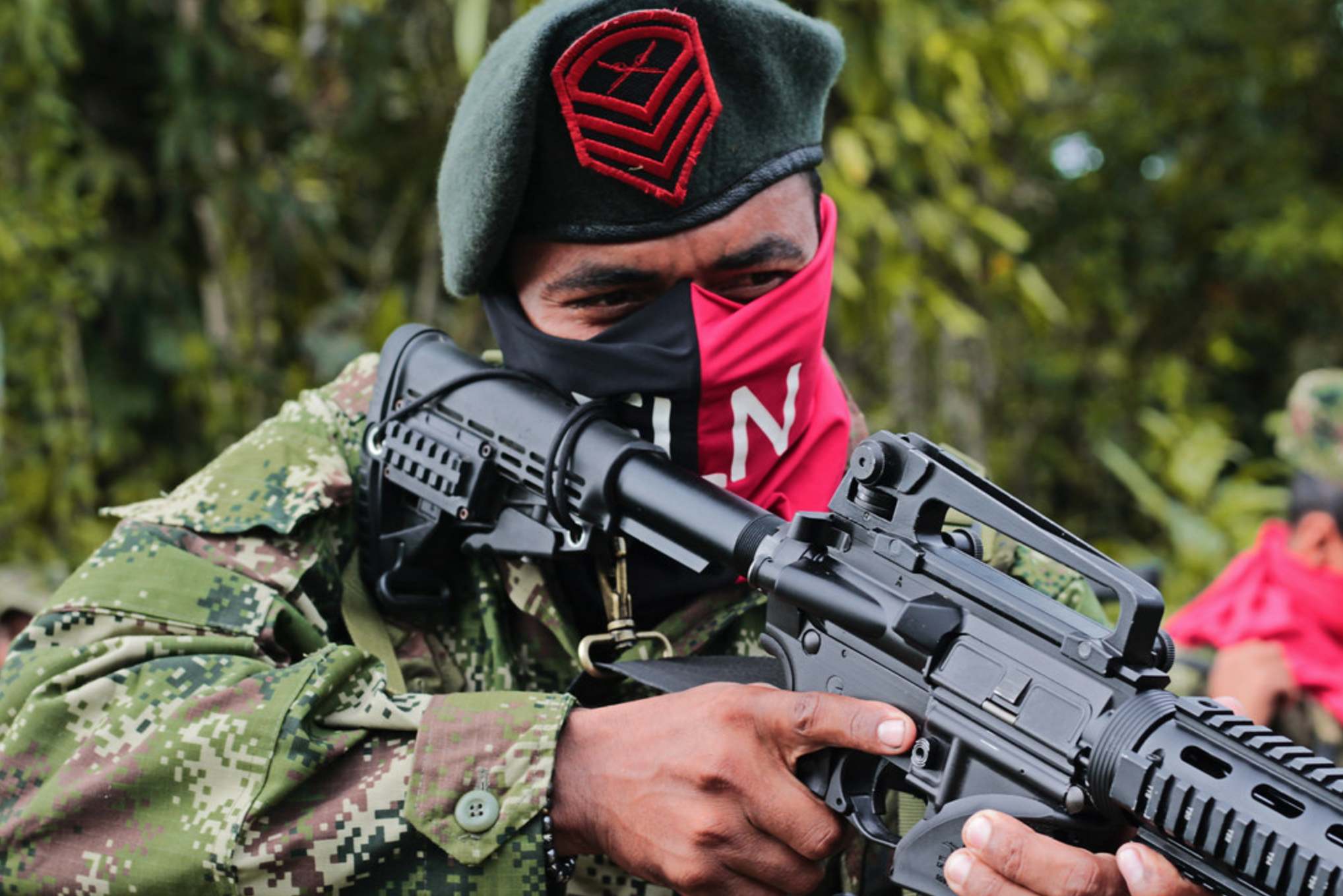
One of the defining characteristics of Cold War-era Latin America was the rise of revolutionary movements, particularly left-wing guerrilla groups and Marxist-inspired leaders. The Cuban Revolution of 1959, led by Fidel Castro and Ernesto “Che” Guevara, was the catalyst for many of these movements. The success of the Cuban Revolution served as an inspiration for left-wing activists and revolutionaries across the region, leading to a series of uprisings, insurgencies, and political movements aimed at overthrowing authoritarian regimes.
Cuba’s revolutionary government, under Castro’s leadership, became a beacon for many in Latin America who sought social justice, land reforms, and greater equality. However, Cuba’s growing alliance with the Soviet Union added a layer of tension, as it raised concerns in Washington about the spread of communism across the hemisphere.
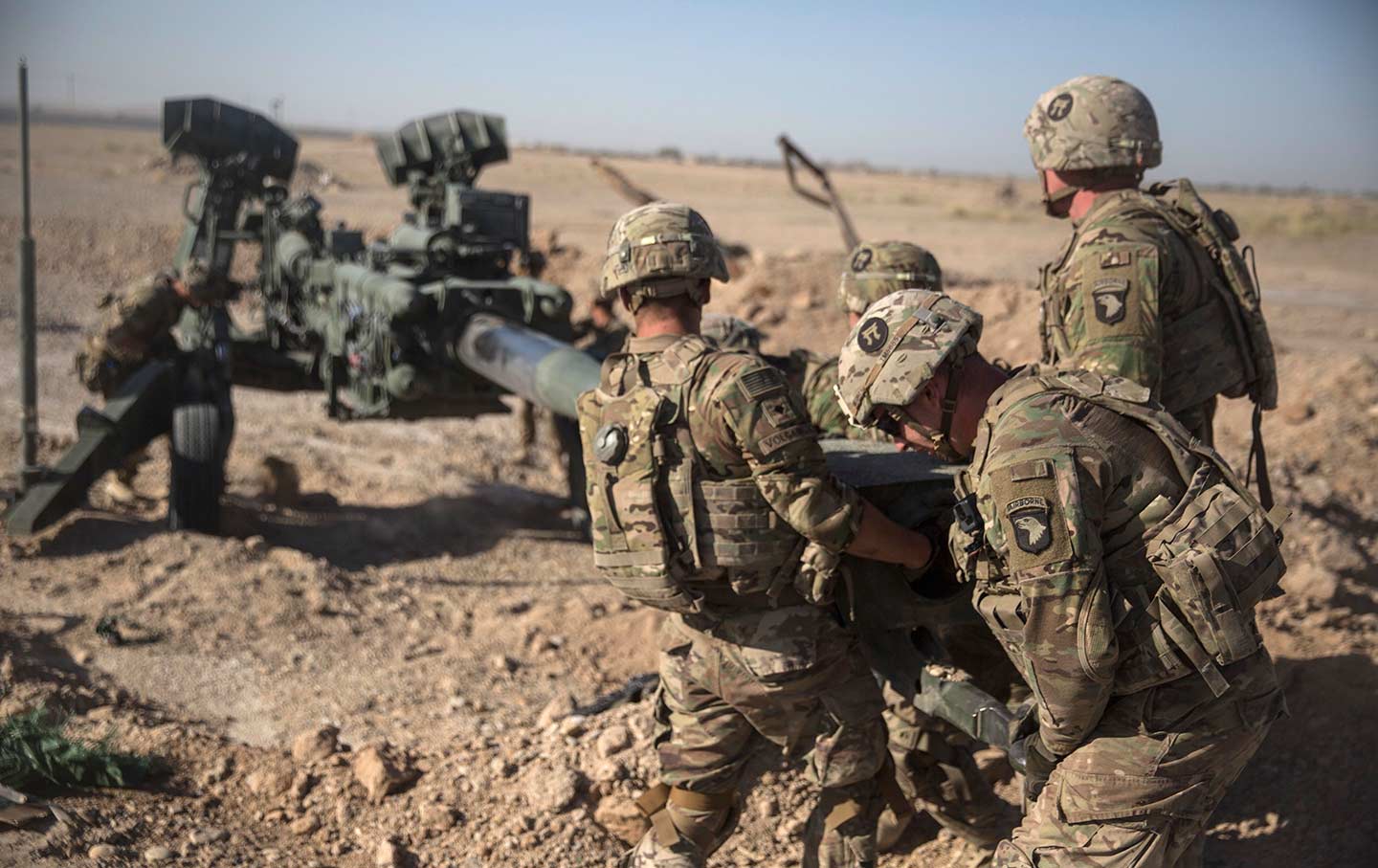
In response, the U.S. initiated several operations designed to combat left-wing movements. These ranged from economic and diplomatic pressure to direct military interventions. The most notorious example of U.S. intervention during this period was the Bay of Pigs invasion in 1961, an ill-fated CIA-backed operation aimed at overthrowing Castro’s government. Although the invasion failed, it further solidified the divide between the U.S. and Cuba, and by extension, between the U.S. and the wider region.
U.S. Interventions and the Politics of Containment
Throughout the Cold War, the U.S. government employed a range of tactics to contain communism in Latin America. These efforts included economic aid, military assistance, covert operations, and direct intervention. A central aspect of U.S. policy in Latin America was the Doctrine of Containment, which sought to prevent the spread of communism by any means necessary.
The Eisenhower and Kennedy Administrations (1953-1963) were particularly active in shaping U.S. policies in the region. President Dwight D. Eisenhower’s administration established the “Alliance for Progress,” which aimed to provide economic and developmental aid to Latin American countries in exchange for their support against communism. While it succeeded in some areas, such as improving infrastructure and education, it largely failed to address the underlying social inequalities that fueled revolutionary movements.
President John F. Kennedy continued this policy with his emphasis on “nation-building,” but his administration also took a more aggressive stance toward Cuba. Kennedy supported the overthrow of Castro, and his administration approved covert operations designed to destabilize Cuba and its allies.
Perhaps the most dramatic intervention during the Cold War occurred in Chile in 1973. When Salvador Allende, a Marxist, was elected president of Chile, his government pursued policies of land redistribution, nationalization of industries, and social reforms. The U.S. government, alarmed by Allende’s leftist agenda, began funding opposition groups and even planning a coup to overthrow him. On September 11, 1973, the Chilean military, with U.S. support, toppled Allende in a violent coup. This marked the beginning of the brutal dictatorship of Augusto Pinochet, which would last until 1990. Pinochet’s regime, characterized by human rights abuses and suppression of dissent, is a stark example of how Cold War geopolitics led to authoritarian rule in Latin America.
U.S. support for military dictatorships also extended to other countries such as Argentina, Brazil, and Uruguay, where authoritarian regimes took power through military coups and repressed left-wing activists. The so-called “Dirty War” in Argentina (1976-1983) resulted in thousands of political dissidents being “disappeared” by the military junta, with tacit U.S. support.
The Cuban Missile Crisis: Latin America’s Role in Superpower Confrontation
While the Cuban Missile Crisis of 1962 was a direct confrontation between the U.S. and the Soviet Union, Latin America played a crucial role in the events leading up to and following the crisis. The discovery of Soviet nuclear missiles in Cuba brought the world to the brink of nuclear war. The U.S. imposed a naval blockade around Cuba, demanding the removal of the missiles. After intense negotiations, the crisis was defused, but the event dramatically altered the U.S.-Cuba relationship and made clear the strategic importance of Latin America to both superpowers.
The Cuban Missile Crisis also prompted the U.S. to reassess its policies in the region, leading to a greater focus on military aid to anti-communist governments and counterinsurgency operations. The fear of further Soviet encroachment in Latin America became a central element of U.S. policy throughout the Cold War.
The Legacy of the Cold War in Latin America
The Cold War left an indelible mark on the political landscape of Latin America, the effects of which are still felt today. The region’s political polarization, which became particularly pronounced during the Cold War, persists in many countries. The struggle between left-wing and right-wing ideologies, often tied to the legacies of U.S. intervention and military dictatorships, continues to shape political discourse in countries like Venezuela, Nicaragua, and Brazil.
Moreover, the military dictatorships that emerged in response to Cold War tensions have had long-lasting social and political repercussions. In countries such as Argentina, Chile, and Brazil, transitional governments and truth commissions have sought to address human rights violations from the Cold War era, but the scars of repression are still evident.
In contrast, the Cold War also gave rise to movements advocating for social justice and equality. The example of Cuba, despite its authoritarian nature, inspired movements across the region, particularly in the 1960s and 1970s. While the collapse of the Soviet Union and the end of the Cold War have shifted global dynamics, Latin America’s historical relationship with both superpowers continues to shape regional politics, especially in its dealings with the U.S.
Conclusion: A Region Transformed
The Cold War fundamentally shaped the political trajectory of Latin America, leaving a complex legacy that still influences the region’s political and social landscape. The competition between the U.S. and the Soviet Union in Latin America led to political instability, military interventions, and the rise of authoritarian regimes, as well as revolutionary movements advocating for social change. The ideological battle between communism and capitalism influenced every facet of Latin American politics during this era, from the rise of leftist governments to the rise of U.S.-backed dictatorships.
The Cold War may have ended, but its effects continue to reverberate in Latin America. As the region grapples with the long-term consequences of its Cold War-era struggles, it is clear that the Cold War was not just a global conflict but a defining moment in the history of Latin American politics.