








Introduction
Lucha Libre, the Mexican style of professional wrestling, is a vibrant cultural phenomenon that extends far beyond the wrestling ring. With its dramatic storytelling, acrobatic high-flying moves, and colorful, larger-than-life characters, Lucha Libre has earned a permanent place in the global sports and entertainment scene. Mexican wrestlers, known as luchadores, have become international icons, revered for their athleticism, charisma, and cultural significance. But what exactly makes Mexican wrestlers so iconic? In this article, we will explore the factors that have contributed to their enduring worldwide appeal, from their roots in Mexican culture to their impact on pop culture and beyond.
The Birth of Lucha Libre
The history of Mexican wrestling traces its origins to the early 20th century. While wrestling itself had been around in various forms for centuries, Lucha Libre (which translates to “free fight”) began taking shape in Mexico in the 1930s. The influence of American wrestling, with its carnival-style displays and strongman acts, helped inspire Mexican versions of the sport. But it was the unique combination of Mexican tradition, theater, and athleticism that truly set Lucha Libre apart.
In its earliest days, the sport was predominantly for the working-class population of Mexico. As the sport developed, it quickly became a cornerstone of Mexican pop culture. Mexican wrestling gained traction not just as a sport but as an entertainment spectacle that melded sport with traditional Mexican theatrical storytelling.
The Iconography of Mexican Wrestlers
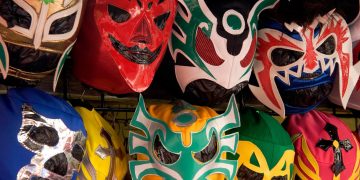
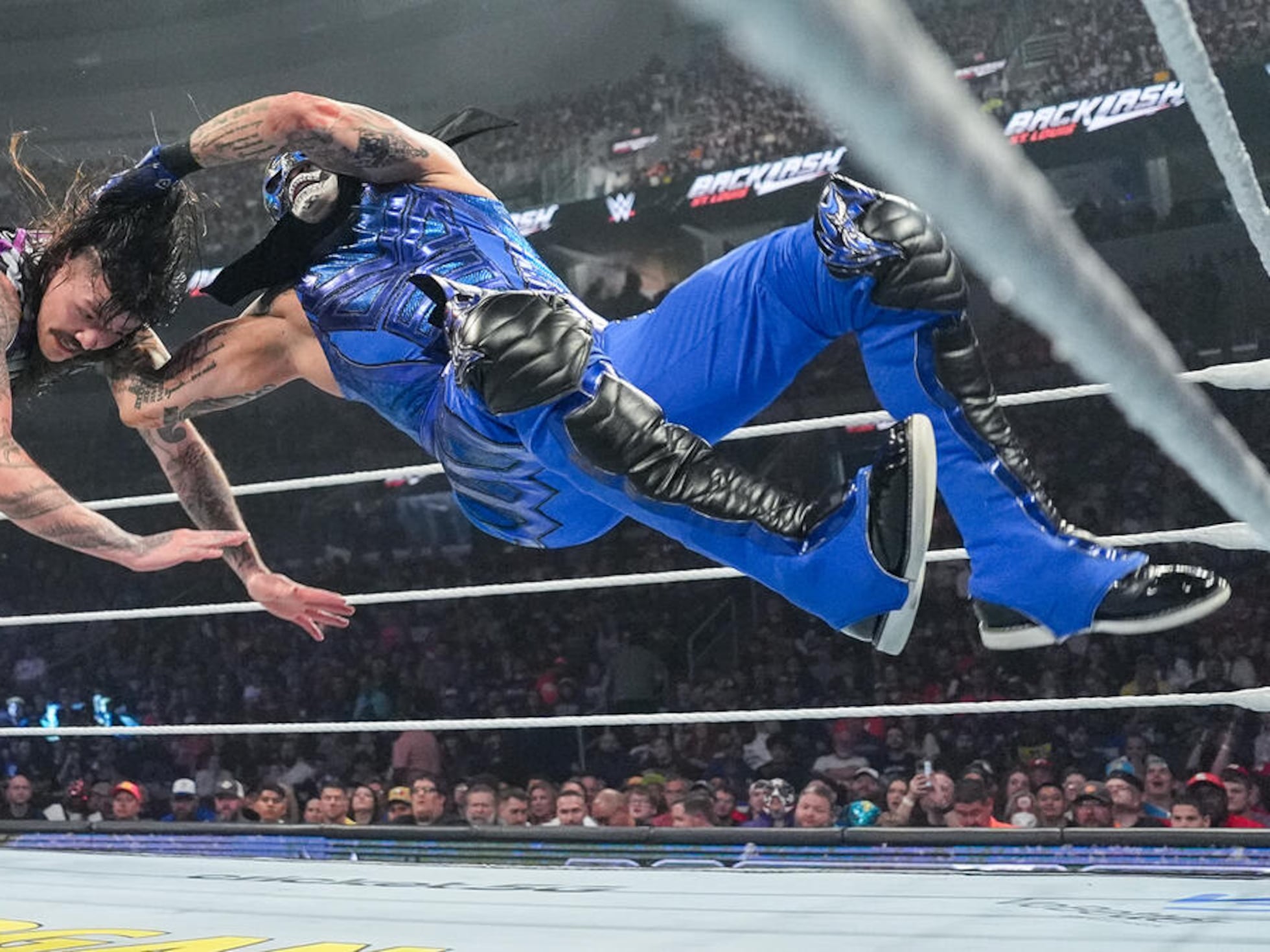
One of the defining features of Mexican wrestlers is their distinctive persona and masks. The use of masks, known as “máscaras,” is perhaps the most iconic aspect of Lucha Libre. Luchadores don elaborate, colorful masks, often representing mythical or animalistic characters, that help distinguish them from one another. These masks, however, are much more than costumes — they are a symbol of identity, mystery, and tradition.
The máscara vs. máscara match, in which two luchadores risk their masks on the line, is one of the most thrilling events in Lucha Libre. The stakes are high: the loss of a mask is considered one of the greatest humiliations for a wrestler, signifying not only a defeat but the exposure of their true identity. This element of mystery and identity makes Lucha Libre uniquely compelling and has solidified the importance of masks in both the sport and its surrounding culture.
Luchadores: Superheroes in the Flesh
The luchadores themselves are larger-than-life characters, often presented as superheroes who fight for justice and honor. Unlike American wrestlers, who are often characterized by their over-the-top, brash personas, Mexican wrestlers are often cast as noble heroes or villains in an ongoing narrative that taps into themes of good versus evil. This dynamic plays out both inside and outside the ring, with luchadores becoming beloved figures in Mexican society, embodying virtues like bravery, pride, and resilience.
One of the most famous luchadores, El Santo, epitomizes the archetype of the masked superhero. El Santo, whose name translates to “The Saint,” was a legendary figure in both wrestling and Mexican pop culture. His popularity transcended the ring, and he became a beloved symbol of Mexican identity. El Santo appeared in numerous films, comic books, and television shows, establishing the iconic image of the masked wrestler as a symbol of Mexican heroism. His persona helped to forge a unique cultural link between wrestling and Mexican cinema, fostering the genre of “luchador films” that showcased these heroic characters fighting against evil forces.
The Role of Lucha Libre in Mexican Society
Lucha Libre holds a special place in Mexican society. It is more than just a form of entertainment — it’s a reflection of Mexican identity. Wrestling events are deeply woven into the cultural fabric of the country, attracting fans from all walks of life. Whether it’s the flashy shows in the grand Arena México in Mexico City or small, community-based lucha events in rural towns, Lucha Libre resonates with the people on a profound level.
The spectacle and pageantry of Lucha Libre offer fans an escape from everyday struggles. The wrestlers embody the hopes and dreams of ordinary people. For many, watching a luchador overcome impossible odds is a source of inspiration. The wrestlers represent the struggle of the underdog, and their victories feel like victories for the people they represent. In this way, Lucha Libre fosters a sense of unity, pride, and collective identity that extends beyond the confines of the ring.
The Global Reach of Lucha Libre
While Lucha Libre is deeply rooted in Mexican culture, its influence has spread far beyond Mexico’s borders. Over the decades, Mexican wrestling has gained a global following, with luchadores performing in countries across the world, from the United States to Japan and beyond. The cross-pollination of Mexican wrestling with international wrestling styles has led to an exchange of techniques, stories, and characters that have enriched the global wrestling landscape.
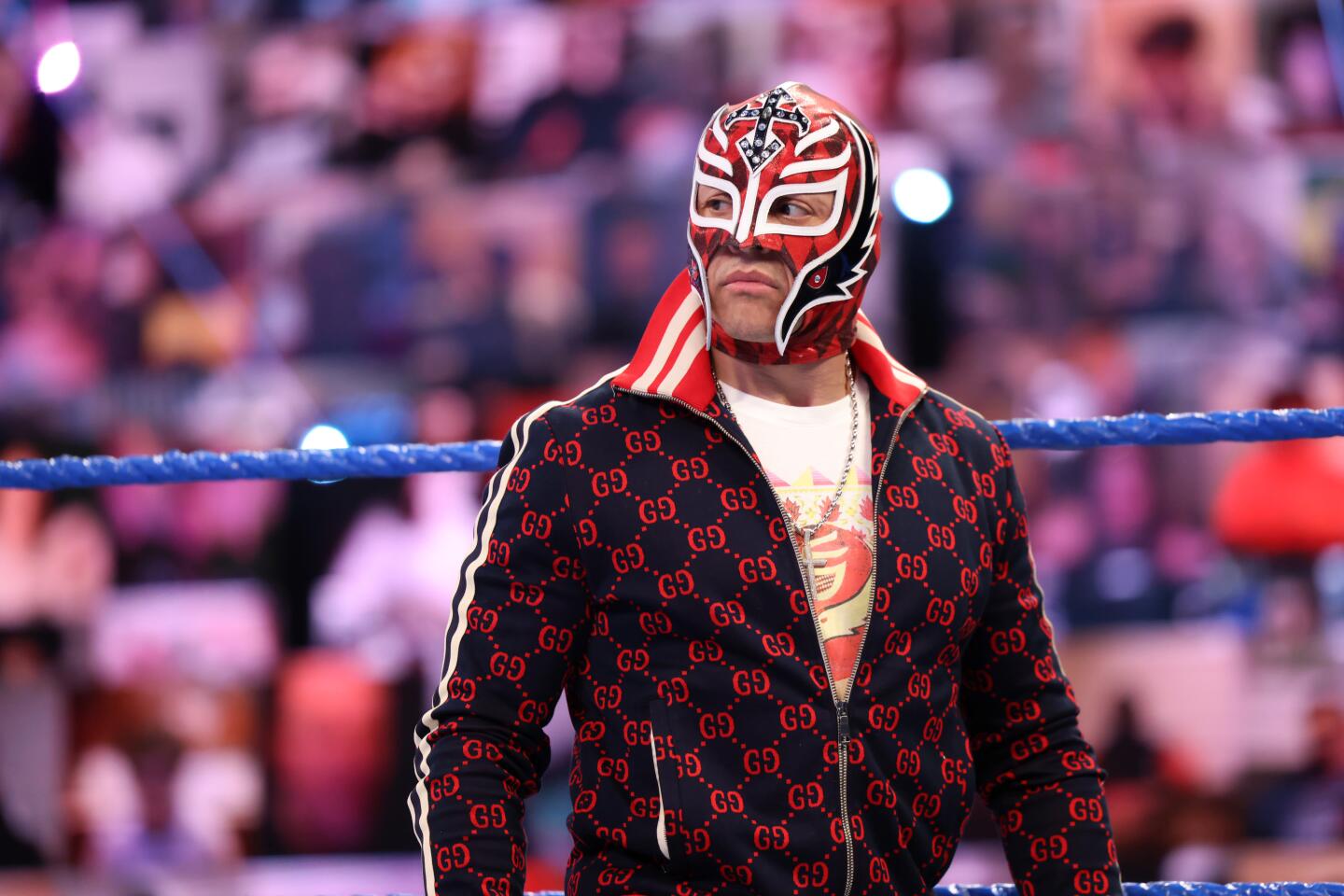
In the United States, Lucha Libre has had a particularly significant impact, especially since the 1990s. The rise of luchadores such as Rey Mysterio Jr., Eddie Guerrero, and Konnan in major American promotions like WWE and WCW helped introduce Lucha Libre to mainstream audiences. These wrestlers brought the high-flying, fast-paced action of Lucha Libre to a new generation of fans, and they are credited with helping to popularize the lucha style in the U.S.
Rey Mysterio Jr., in particular, became a crossover star, earning recognition not only for his wrestling skills but also for his distinctive mask and persona. His success paved the way for other luchadores to gain international fame, and he remains one of the most beloved figures in modern wrestling. Mysterio’s ability to blend traditional Lucha Libre moves with mainstream wrestling styles made him a standout performer, and his influence continues to shape the landscape of global wrestling.
The Impact of Lucha Libre on Pop Culture
Beyond the world of wrestling, Mexican wrestlers have made significant contributions to pop culture. The image of the masked luchador has become a symbol of Mexico itself, representing not just a sport but an entire way of life. In addition to films, luchadores have appeared in television shows, comic books, and video games, often portrayed as heroes fighting for justice and righting wrongs.
The most significant cultural export of Lucha Libre, however, has been the iconic luchador mask. The mask has become a symbol of mystery, identity, and pride. It has found its way into fashion, art, and even political movements. Luchador masks have become a recognizable emblem in global pop culture, with people of all ages wearing them as a symbol of rebellion or heroism.
The enduring appeal of Lucha Libre can also be seen in its influence on modern comic book and superhero culture. Many modern-day comic book artists and writers have cited Lucha Libre as an influence on the creation of masked characters like Spider-Man and The Green Lantern. The idea of a masked, heroic figure with a secret identity is a core element in both Lucha Libre and superhero stories, making luchadores natural predecessors to the superheroes we know today.
The Evolution of Lucha Libre
Lucha Libre continues to evolve, blending traditional wrestling techniques with modern innovations. The high-flying style, acrobatic moves, and innovative techniques have been incorporated into the wider world of professional wrestling, influencing the way wrestling is performed on a global scale. However, the essence of Lucha Libre remains rooted in its Mexican origins, where it continues to thrive as a beloved form of entertainment.
In recent years, the rise of independent wrestling promotions and online platforms has given luchadores the opportunity to showcase their talents to a global audience. Mexican wrestling promotions like CMLL and AAA have expanded their reach internationally, hosting events in countries like the United States, Japan, and Spain. The internet and social media have also provided a platform for luchadores to build personal brands and connect directly with their fans, further solidifying their place in the global wrestling community.
Conclusion
Mexican wrestlers have become global icons due to their unique blend of athleticism, cultural heritage, and larger-than-life personas. Lucha Libre is more than just a sport — it is a cultural expression, a form of entertainment, and a symbol of pride for the people of Mexico. The colorful masks, high-flying moves, and heroic characters have captured the imaginations of fans worldwide, while the wrestlers themselves have become symbols of strength, courage, and resilience.
As Lucha Libre continues to evolve and influence wrestling on a global scale, its impact will only continue to grow. Mexican wrestlers will remain icons, representing the rich traditions and vibrant spirit of Mexican culture for generations to come.