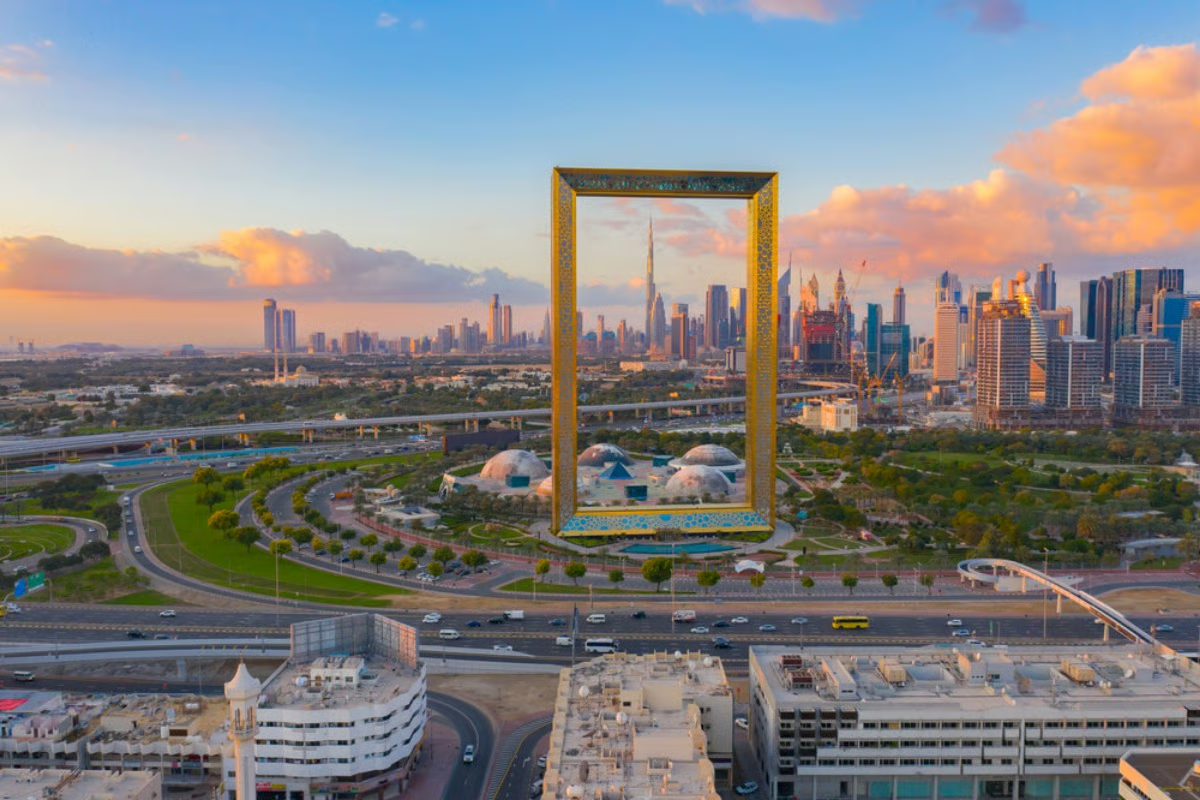






The Middle East, often thought of in terms of its rich history and diverse cultural heritage, is today at the forefront of urban innovation. Amidst the challenges posed by rapid urbanization, environmental concerns, and the pressures of modernization, cities across this region are undergoing a profound transformation in terms of urban design. From futuristic skyscrapers to sustainable communities, Middle Eastern cities are reimagining their built environment in ways that combine technology, culture, and sustainability.
The Context of Urban Transformation
The Middle East has long been characterized by its extreme climate, limited natural resources, and the constant balancing act between maintaining traditional ways of life and embracing modernity. For many cities, rapid growth has led to the need for urban redesigns that can accommodate increasing populations, improve quality of life, and ensure long-term sustainability. The past few decades have witnessed a shift towards creating cities that are not just functional, but also innovative, green, and resilient in the face of climate change and environmental degradation.
This transition is particularly noticeable in countries such as the United Arab Emirates, Qatar, Saudi Arabia, and Kuwait, where government-backed initiatives are often combined with private sector investments. Whether it’s through the creation of smart cities, the incorporation of green technologies, or the blending of traditional architectural forms with cutting-edge design, the region is setting a precedent for cities worldwide.
Smart Cities: Technology-Driven Urbanism
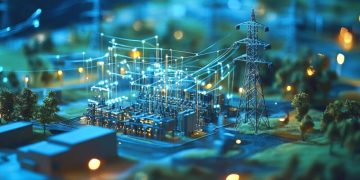
A key element of the Middle East’s urban reimagining is the advent of “smart cities.” These cities integrate digital technology into all aspects of urban life—from transportation and energy management to healthcare and communication. The goal is to create more efficient, livable spaces while reducing environmental impact.
One of the most prominent examples of this shift is Masdar City in Abu Dhabi, UAE. Designed to be a carbon-neutral, sustainable urban center, Masdar integrates renewable energy sources such as solar power, wind, and geothermal energy. The city is car-free, relying instead on electric driverless cars and a series of sustainable public transport options to move residents and visitors. The design of Masdar City also incorporates elements of traditional Arabic architecture, such as wind towers and shaded streets, which have been reinterpreted through modern technology to optimize energy efficiency and air circulation.
Similarly, Neom, an ambitious project under construction in northwestern Saudi Arabia, is set to be a hyper-connected city of the future. Envisioned as a “living laboratory,” Neom promises to offer the latest in urban design technologies, including autonomous vehicles, artificial intelligence, and robotics. The city will also be powered by renewable energy, with solar farms, wind turbines, and other green technologies at its core.
Doha, Qatar’s capital, is also pushing the boundaries of technology in urban development. The city is implementing smart infrastructure and Internet of Things (IoT) systems to enhance its efficiency. Innovations like smart traffic systems and waste management, which collect data in real time to optimize services, are gradually transforming Doha into a model of modern urban planning.
Sustainable Design: A Green Future for the Desert
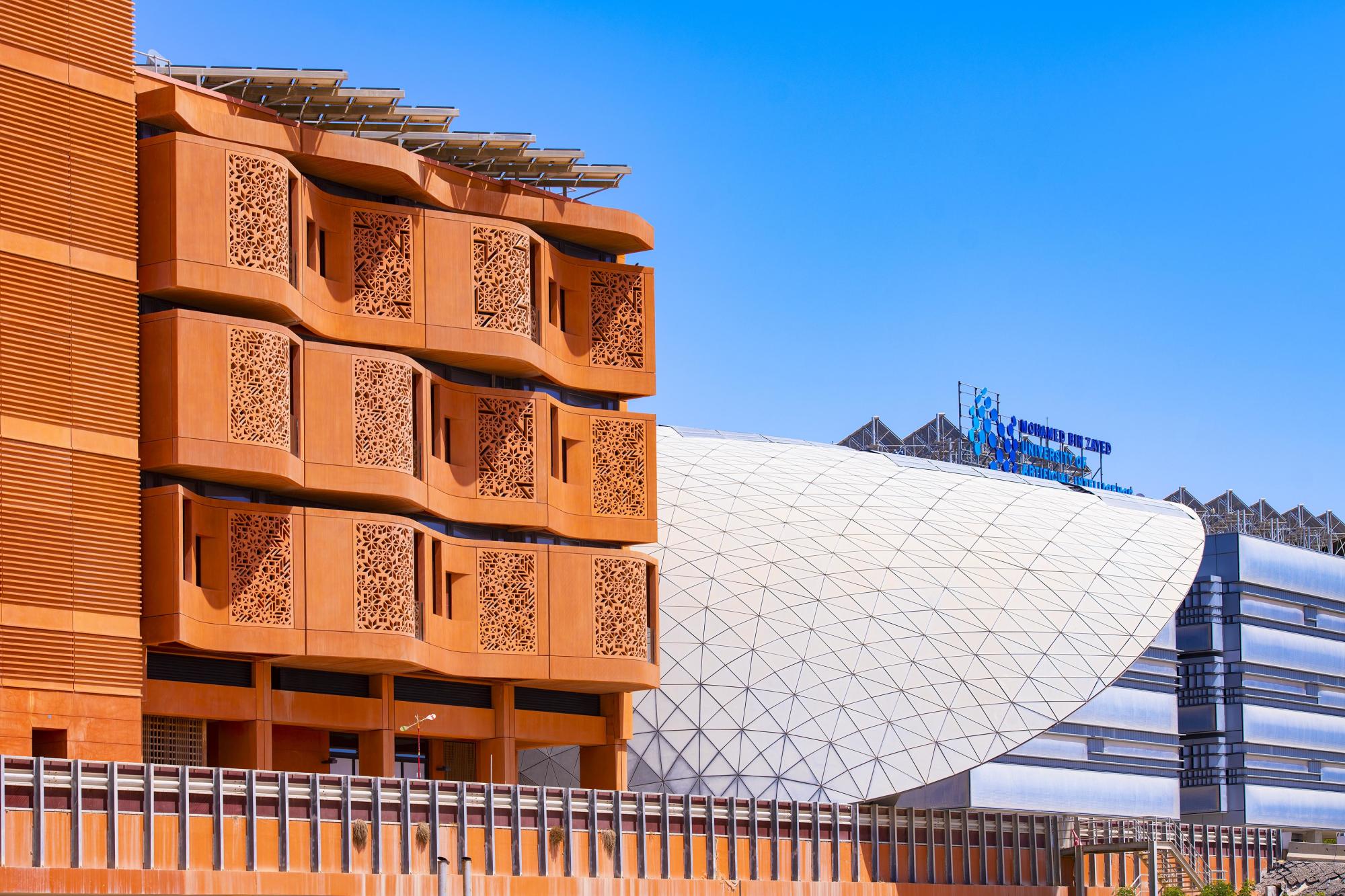
Sustainability has become a central theme in the reimagining of Middle Eastern cities. The region’s arid climate and scarce water resources make the concept of sustainable design not just a choice, but a necessity. Modern urban planners are focusing on how to build cities that not only minimize environmental impact but also maximize the efficient use of resources.
In addition to the use of renewable energy in smart cities, architects and urban designers are increasingly incorporating bioclimatic architecture—designs that respond to local climatic conditions. In the Middle East, this often means designing buildings that provide cooling through natural means. In the UAE, for example, architects are incorporating “wind towers” into their designs. These traditional structures catch the wind and funnel cool air into buildings, reducing the need for air conditioning.
Another innovative approach is vertical farming, which has begun to take off in cities like Dubai and Abu Dhabi. These farms, typically located on the rooftops of skyscrapers, utilize hydroponic systems to grow fresh produce in an environment where land is scarce. By growing food locally, these cities reduce their dependence on imports, reduce carbon footprints, and ensure food security in an era of climate change.
Furthermore, the integration of green spaces and public parks is a growing priority. While the Middle East has long been known for its barren deserts, new urban designs are focusing on creating verdant, green spaces in the midst of the desert. For instance, Dubai has expanded its network of public parks and green corridors, providing residents with places to relax, exercise, and reconnect with nature.
In Saudi Arabia, the Red Sea Project—an ambitious eco-tourism initiative—focuses on building a luxury resort city along the Red Sea coast while preserving the area’s biodiversity and marine ecosystem. The project aims to promote sustainable tourism, using renewable energy sources and minimizing environmental impact through eco-conscious building materials and sustainable infrastructure.
Reshaping Cultural Identity Through Architecture
While modern technologies and sustainability take center stage, Middle Eastern cities are also reimagining urban design in a way that pays homage to the region’s rich cultural heritage. Architecture in the Middle East has always been a reflection of its history, climate, and religion, with iconic structures such as mosques, palaces, and traditional souks forming the heart of cities. The challenge now is to blend these traditional influences with modern aesthetics and functionality.
In Dubai, the architecture is often a striking fusion of the old and the new. The Burj Khalifa, the world’s tallest building, is a testament to the city’s drive for innovation. Yet, nearby, the Al Fahidi Historical Neighborhood—with its traditional wind towers, narrow alleyways, and adobe buildings—reminds visitors of the city’s humble past. This blend of old and new is also evident in Sharjah, the UAE’s cultural capital, where modern museums and art galleries are housed in buildings that draw inspiration from Islamic architecture.
The use of Islamic patterns and motifs in contemporary urban design is another way that cities are maintaining a connection to their cultural roots. For example, in the design of The King Abdulaziz Center for World Culture (Ithra) in Dhahran, Saudi Arabia, architects incorporated intricate geometric patterns and arabesque designs into the building’s facade and interior spaces. This melding of traditional art forms with modern materials and technologies demonstrates how the region is respecting its heritage while moving toward a modern future.

The Role of Public Spaces and Mobility
Public spaces play a critical role in the transformation of urban environments, offering opportunities for social interaction, recreation, and community building. Middle Eastern cities are placing increasing importance on the design of these spaces to foster a sense of belonging and civic engagement.
Public plazas, waterfronts, and pedestrian-friendly streets are becoming more common in cities like Dubai, Abu Dhabi, and Riyadh. In these cities, traditional urban spaces like souks and squares are being reimagined to suit contemporary needs. For example, Dubai’s Downtown district, home to landmarks such as the Burj Khalifa and the Dubai Mall, is designed to be a pedestrian hub with expansive public spaces and easy access to transportation.
In Cairo, the new New Administrative Capital—a project that aims to relieve congestion in the overcrowded capital—is designed with a focus on walkability and efficient public transportation. The city is set to feature wide boulevards, parks, and modern amenities while also being built with smart infrastructure to promote sustainability and ease of mobility.
On the transportation front, light rail systems and public transit networks are being expanded in cities like Doha and Riyadh. The goal is to reduce dependence on private cars, improve air quality, and make commuting more efficient for residents.
Challenges and the Road Ahead
While these projects signal a bold new vision for the future of Middle Eastern cities, they are not without their challenges. One of the most significant hurdles is the region’s reliance on oil, which has historically driven much of its economic growth. As global energy markets shift towards renewable sources, many Middle Eastern nations are grappling with the question of how to transition their economies and infrastructure to meet new demands.
Moreover, the rapid pace of development has raised concerns about social inequality, displacement, and the loss of cultural heritage. In some cases, mega-projects have led to the destruction of historic neighborhoods and the displacement of low-income communities. Striking a balance between modernization and preserving cultural identity is an ongoing challenge for urban planners and policymakers.
Despite these challenges, the future looks bright for Middle Eastern cities. With the right combination of technological innovation, sustainable design, and cultural sensitivity, these cities have the potential to set global standards for urban development in the 21st century.
Conclusion
Middle Eastern cities are embracing a future that blends modern technology with sustainable design, while simultaneously honoring their cultural heritage. Through the development of smart cities, the integration of green technologies, and a renewed focus on public spaces, the region is reimagining urban design in bold and innovative ways. The results will not only reshape the urban landscape of the Middle East but also offer valuable lessons for cities around the world seeking to navigate the challenges of urbanization, climate change, and sustainability.
As these cities continue to evolve, they will undoubtedly remain a source of inspiration, showcasing how urban environments can thrive in harmony with nature, technology, and culture.