







The cultural divide between the U.S. South and the North is a topic that has intrigued scholars, travelers, and locals for centuries. From the music that defines the region, to the way people speak, eat, and view their history, the contrasts are striking. Yet, despite their differences, the South and North of the United States share a common national identity. This article explores the multifaceted ways in which the cultural identities of these two regions diverge, from history and values to lifestyle and traditions, while also shedding light on how these differences shape the lives of those who inhabit them.
1. Historical Roots: The Legacy of the South vs. The Industrial North
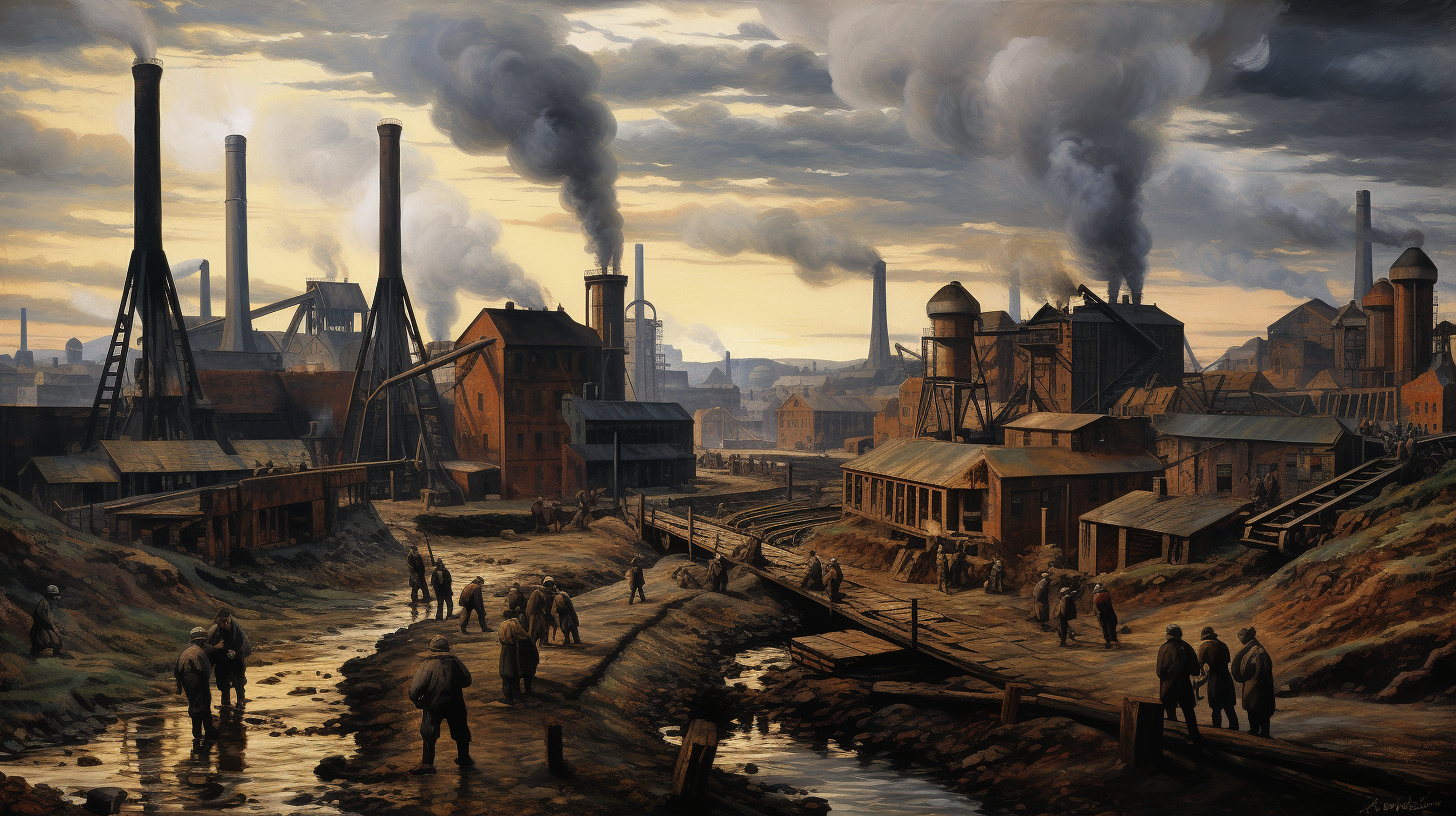
The history of the South and North is perhaps the most significant force behind their differing cultural identities. The North’s economic roots are firmly planted in industrialization, which shaped a bustling, progressive society focused on manufacturing, trade, and urbanization. In contrast, the South, deeply tied to agriculture, particularly cotton, developed a culture that was more rural and reliant on an agrarian economy for much longer.
The Civil War (1861–1865) remains a key event in understanding the divide. The South fought to preserve its slave-based agricultural economy, while the North’s war effort was rooted in preserving the Union and abolishing slavery. The cultural scars of the war are still visible in the South today, where the symbols of the Confederacy, such as the Confederate flag, continue to provoke strong feelings of pride, anger, and division. Meanwhile, the North’s industrial growth was fueled by a different set of priorities, including abolitionism, education reform, and later, the rise of progressive political movements.
In terms of historical memory, Southerners tend to hold on to their past with a sense of pride, while Northerners typically focus on the forward-thinking aspects of American history. For example, Northern cities like New York, Boston, and Philadelphia emphasize their role in the founding of the nation and the Industrial Revolution, while Southern towns and states are more likely to commemorate their Confederate heritage, with its symbols and monuments still drawing controversy today.
2. Social Values and Political Divides
The political landscape is a stark reflection of the cultural differences between the North and South. Traditionally, the South has been a stronghold of conservatism, with deep-rooted religious values, particularly Protestantism, influencing everything from laws to social norms. Southern conservatism emphasizes individualism, limited government, and strong community ties, which are reflected in the region’s preference for family values, gun rights, and religious freedom.
The North, on the other hand, leans more liberal in its political leanings, with a focus on social welfare programs, labor rights, and progressive social values. The North has historically embraced greater levels of immigration and is more inclined toward embracing multiculturalism. While cities like New York, Chicago, and Boston are often seen as liberal hubs, the rural parts of the North have also become more conservative in recent decades. Nevertheless, political discourse in the North tends to be more open to debate on issues such as abortion, gay rights, and healthcare.
Religion also plays a different role in the two regions. While both the North and South have a rich Christian heritage, religion is generally more ingrained in the daily lives of Southerners. Churches serve as not just places of worship but also community centers. In contrast, Northern states tend to have higher rates of religious disaffiliation and a more secular approach to politics and culture.
3. Language: Dialects and Expressions
One of the most immediately noticeable differences between the South and the North is their accents and language. Southern dialects are characterized by a slower, more melodic cadence, with unique idiomatic expressions like “y’all,” “fixin’ to,” and “bless your heart.” These linguistic markers immediately distinguish Southerners from their Northern counterparts.
The Northern accent is often perceived as more neutral, though it varies widely depending on the region—ranging from the “broad A” of New York City to the flat vowels of the Midwest. Interestingly, the Boston accent, with its dropped “R”s, stands out as a recognizable feature of New England speech, further emphasizing regional differences within the North itself.
The cultural impact of language goes beyond accent. The Southern use of “sir” and “ma’am” is a direct expression of the region’s formality and respect for hierarchy. These expressions signify a level of deference that is often absent in the North, where directness and informality are more common. Northerners tend to speak more bluntly, whereas Southerners might take extra care to be polite and indirect.
4. Food: The Heart of Southern and Northern Traditions
When it comes to cuisine, the differences between the North and South are as dramatic as they are delicious. The South is known for its distinctive and comforting food, which includes dishes like fried chicken, biscuits and gravy, cornbread, collard greens, and gumbo. Southern food is deeply rooted in agricultural traditions, using ingredients that are abundant in the region, such as corn, pork, and rice. Additionally, Southern cuisine often has a rich history of African, Native American, and European influences, giving it a unique fusion of flavors and techniques.
In contrast, Northern food traditions are more diverse due to the region’s history of immigration. While the North is also home to comfort foods like clam chowder, hot dogs, and pizza, it has a wider variety of international influences, including Italian, Polish, and Jewish cuisines. In cities like New York, you can sample foods from all over the world, reflecting the more cosmopolitan nature of the North.
Perhaps the most symbolic of these regional differences is the Southern love of barbecue. Southern barbecue is not just a meal; it’s an event, often involving entire communities in long, slow-cooked feasts. The North, on the other hand, is home to regional specialties like New England lobster rolls and Chicago deep-dish pizza, which are just as iconic but have a different cultural weight.
5. Music: The Soul of the South vs. The North’s Urban Beat
Music is one of the most important markers of cultural identity, and both the North and South have rich musical traditions. However, the genres that originated in these regions reflect their different cultural atmospheres.
The South is the birthplace of a wide array of American music genres, including blues, jazz, country, and rock ‘n’ roll. Cities like Nashville, Memphis, and New Orleans have been instrumental in shaping the soundscape of not just the U.S., but the world. The emotional depth and storytelling tradition in Southern music reflect the region’s rich cultural history, rooted in hardship, freedom, and the African American experience. Country music, in particular, has deep ties to the South’s rural, working-class identity, often reflecting themes of family, faith, and community.

Meanwhile, the North has made significant contributions to the development of genres like hip-hop, punk, and heavy metal, particularly in cities like New York, Detroit, and Boston. The urban environment of the North has fostered a more experimental, fast-paced musical culture. Hip-hop, for instance, grew out of the socio-political challenges faced by African American communities in the Bronx, while Detroit’s Motown revolutionized popular music in the 1960s, combining soul, pop, and R&B to create some of the most influential tracks of all time.
While both regions are united by their love for music, the type of music that defines them speaks to the different social, political, and cultural forces at play in each region.
6. The Southern Hospitality vs. Northern Pragmatism
“Southern hospitality” is a well-known term that encapsulates the graciousness, warmth, and politeness that Southerners are famous for. It’s more than just a friendly greeting; it’s a way of life that includes offering food to strangers, going out of one’s way to help others, and putting others at ease. This is often contrasted with the Northern approach, which, while not unfriendly, tends to be more reserved and pragmatic. Northern hospitality, while still warm, might not be as effusive or communal as in the South.
This difference is reflected in the way people from these regions interact with strangers and friends. Southerners are more likely to engage in small talk, ask about your family, and offer unsolicited help, whereas Northerners might jump straight into the task at hand or focus on the practicalities of a situation rather than the personal connection.
7. The Influence of the Climate and Geography
The climates and geographies of the North and South also have an influence on their cultural identities. The South, with its warmer temperatures, is often associated with a slower pace of life. This climate contributes to the Southern emphasis on outdoor activities, such as fishing, hunting, and spending time in nature. Southerners are also known for their porch culture, where evenings are spent on the front porch, chatting with neighbors and enjoying the evening breeze.
In contrast, the North’s colder weather and urbanization have fostered a more indoor-oriented lifestyle, particularly in the winter months. Cities in the North are known for their bustling cultural scenes, with museums, theaters, and sports arenas offering ample entertainment. The harsh winters, however, tend to create a greater reliance on close-knit communities, with gatherings often centered around indoor activities like dining out, attending performances, or enjoying winter sports.
Conclusion: A Shared Identity, Despite the Differences
The cultural differences between the U.S. South and North are vast and multifaceted, shaped by historical, social, and geographical factors. However, these differences do not define them in isolation. Both regions contribute to the American identity in distinct yet complementary ways. The South’s traditions of hospitality, music, and cuisine blend with the North’s industrial history, progressive ideals, and cultural dynamism to form a broader narrative of what it means to be American.
The cultural divide between North and South is less about opposition and more about diversity—each region contributing to the fabric of the nation with its unique perspectives and lived experiences. Though they may sometimes clash, they share a deep connection through the history, values, and vision that define the United States as a whole.