





Introduction
Women’s empowerment in the Middle East is a complex and multifaceted topic, shaped by rich cultural, religious, political, and social factors. Over the past few decades, the region has witnessed profound changes in how women engage with their societies—pushing the boundaries of tradition while navigating challenges such as patriarchy, political unrest, and socio-economic limitations. This article will explore the role of women’s empowerment in Middle Eastern societies, highlighting the key changes, challenges, and success stories while examining the broader impact on the region’s development.
The Cultural and Historical Context of Gender Roles in the Middle East
The history of gender roles in the Middle East is deeply entwined with both ancient traditions and the dominant religious and cultural influences of the region. For centuries, patriarchal structures have been the foundation of most Middle Eastern societies. Women, while respected in various contexts, were often confined to the private sphere—focused on family life and household duties—while men participated more visibly in the public sphere. These roles were institutionalized through family structures, legal systems, and religious doctrines, where women’s primary role was often seen as motherhood and the keeper of cultural traditions.
The role of Islam, as the predominant religion in the region, cannot be understated in its influence on gender roles. While the Qur’an speaks of equality between men and women in the eyes of God, traditional interpretations often place women in subservient roles. However, Islam also promotes women’s rights, particularly in areas such as inheritance, education, and marriage. Over time, various interpretations of these religious teachings have led to varying degrees of empowerment for women across different Middle Eastern countries.
The Rise of Women’s Rights Movements
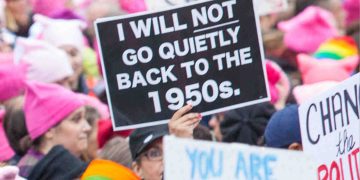
In recent decades, Middle Eastern societies have experienced significant political and social change. As the region has become more interconnected with the global economy and international advocacy movements, women’s rights have taken center stage. Women in the region have increasingly become agents of change, working to reshape societal norms and push for greater equality.
In the late 20th and early 21st centuries, the rise of women’s rights movements began to gain momentum. Activists such as Egyptian feminist Huda Sha’arawi and Saudi journalist Lubna al-Ansari, among others, have laid the groundwork for greater visibility of women in public life. These movements have focused on increasing access to education, improving legal rights, and enhancing women’s participation in the workforce and politics.
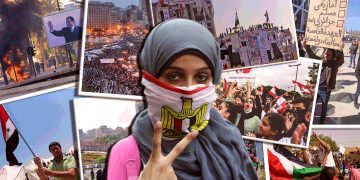
The Arab Spring of 2011 was another watershed moment. Women played an active and visible role in protests across the region, particularly in Egypt, Tunisia, and Yemen. The uprising showcased the growing involvement of women in political life, as they demanded not only political change but also social reforms aimed at gender equality.
Women in the Workforce: Breaking Barriers
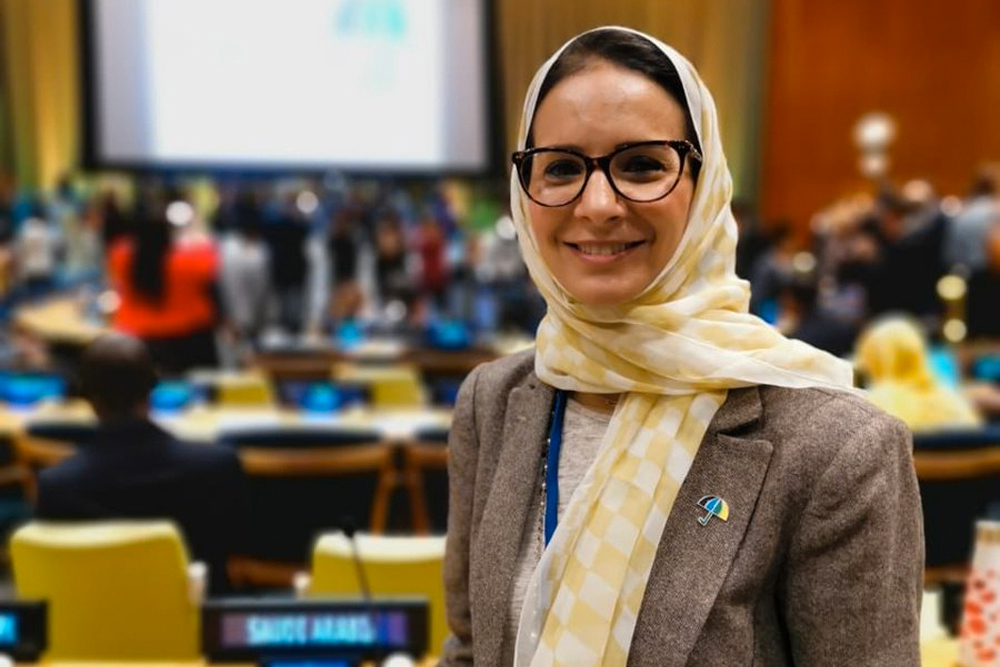
A key aspect of women’s empowerment is economic independence, and the Middle East has seen significant shifts in this area. In countries like the United Arab Emirates (UAE) and Qatar, women have entered the workforce in unprecedented numbers. The UAE, in particular, has made remarkable strides in advancing women’s roles in business and leadership. Women now occupy positions of influence in government, law, media, and finance, and the government has implemented policies aimed at increasing female participation in the labor market.
In Saudi Arabia, which has historically been one of the most restrictive countries for women, the recent lifting of the driving ban in 2018 and the increasing participation of women in the workforce reflect a growing shift in attitudes. Saudi women are now entering fields once considered off-limits, such as engineering, business, and technology. This trend is supported by Vision 2030, a plan spearheaded by Crown Prince Mohammed bin Salman to diversify the economy and reduce the country’s dependence on oil, with women’s inclusion playing a critical role in achieving these goals.
However, despite these advances, challenges remain. The gender pay gap is still prevalent, with women often earning less than men in similar positions. Moreover, cultural and societal expectations continue to place limits on women’s freedom to work in certain sectors, especially in more conservative areas of the region.
Women in Politics: A Slow but Steady Rise
Women’s political participation in the Middle East has historically been limited. In many countries, women were denied the right to vote or stand for office until relatively recently. However, there has been progress, albeit slow.
In Kuwait, women gained the right to vote in 2005 and were allowed to run for office in the same year. This was a landmark moment in the region, as it marked the first time that women in the Arabian Gulf states had full political rights. Since then, women have gradually increased their presence in politics. In 2009, Rola Dashti became the first woman in Kuwait’s parliament, and in 2018, a record number of women were elected to the Lebanese parliament.
Saudi Arabia’s women’s rights gains have been significant in recent years as well. In 2015, women were allowed to vote and run for office in local elections. While the number of women in political leadership positions remains low, the potential for greater female political representation is growing. Additionally, many women are involved in local governance, non-governmental organizations, and activism.
However, political power remains elusive for most women, and the path to full participation in political life is filled with obstacles. These include political repression, lack of legal protections, and resistance from conservative factions within society that argue women’s participation in politics is at odds with traditional values.
Education: The Foundation of Empowerment
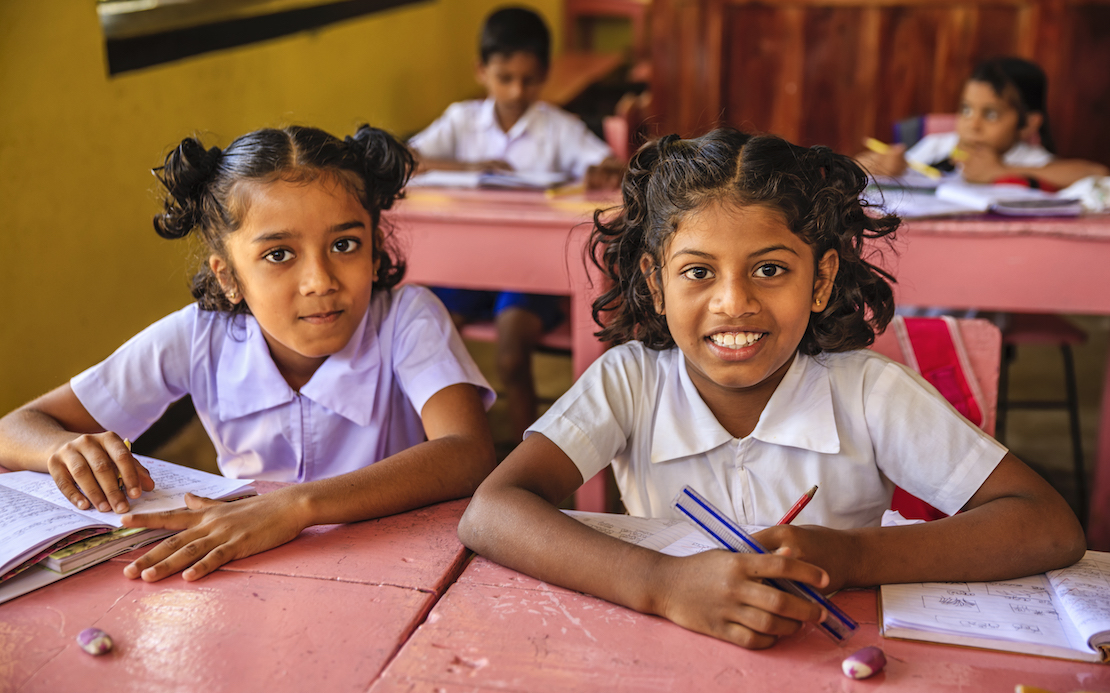
Education is often seen as the cornerstone of women’s empowerment. Across the Middle East, the past few decades have witnessed a surge in female educational attainment. More girls are attending school, and more women are enrolling in universities than ever before. In countries like Jordan, Lebanon, and Tunisia, women now outperform men academically in terms of graduation rates and degrees earned.
The availability of education has opened up new opportunities for women in various fields. In particular, the rise of women in science, technology, engineering, and mathematics (STEM) fields has been a notable development. Governments have recognized the importance of educating women to boost national economic growth and have launched programs to support women in these critical sectors.
In Saudi Arabia, the government has placed a strong emphasis on increasing female educational enrollment, with women now constituting over half of all university students. This has translated into a growing number of women pursuing careers in fields previously dominated by men. However, challenges remain in translating educational gains into professional success, particularly in areas where traditional gender norms prevail.
Legal Reforms: Challenging Patriarchy
One of the key areas where women’s empowerment in the Middle East has seen progress is in legal reforms. Over the last few decades, numerous countries have implemented laws aimed at increasing women’s rights and challenging patriarchal norms.
In Tunisia, the 2014 constitution enshrines gender equality and grants women the right to make decisions about their bodies, marriage, and family life. Tunisia also pioneered progressive laws on domestic violence and the rights of women in the workplace. Similarly, Morocco has enacted a new family code that aims to improve the status of women in the family, though challenges remain in implementation.
In Saudi Arabia, the country has introduced reforms aimed at improving women’s legal rights. The lifting of the driving ban, the right to travel independently, and the ability to access divorce and custody rights are all recent milestones. However, women are still subject to the male guardianship system, which requires a male relative’s permission for key decisions such as marriage, travel, and employment.
Despite these advances, legal reform is often slow and subject to setbacks. Cultural and religious conservatism, coupled with resistance from patriarchal elites, means that legal victories are frequently undermined by social attitudes.
Women’s Empowerment and the Role of Media
The role of media, both traditional and digital, in shaping women’s empowerment in the Middle East cannot be overstated. Social media platforms like Twitter, Instagram, and YouTube have provided women with unprecedented visibility and a platform for activism. Women are now using these platforms to share their stories, challenge societal norms, and build communities of support.
In many Middle Eastern countries, women have used social media to organize protests, advocate for policy changes, and challenge legal and cultural restrictions. High-profile cases of women facing injustice, such as the #MeToo movement in the Arab world, have gained traction across the region, further highlighting the role of women in changing societal norms.
Traditional media, such as television and film, also plays a critical role in challenging stereotypes and highlighting women’s achievements. Women in the media are increasingly taking on leadership roles, and female-led films and television shows are gaining traction in the region, portraying more diverse and empowering narratives.
The Future of Women’s Empowerment in the Middle East
Looking to the future, the prospects for women’s empowerment in the Middle East are mixed. While there have been significant strides in areas like education, politics, and the workforce, much work remains to be done to address gender inequality. The pace of change varies greatly between countries, and in many cases, progress is fragile.
Nonetheless, the momentum for change is undeniable. Women’s activism, combined with the shifting political and economic dynamics in the region, is creating new opportunities for empowerment. The ongoing struggle for women’s rights will likely continue to face resistance from conservative elements, but the voices of empowered women are increasingly difficult to ignore.
Conclusion
Women’s empowerment in the Middle East has evolved dramatically in recent decades, and while challenges remain, the trajectory is one of gradual progress. From increased educational attainment to greater political representation, women in the region are asserting their rights and transforming the socio-political landscape. The role of women in Middle Eastern societies is critical not only to their personal development but also to the broader economic and social development of their nations. As more women break barriers and challenge traditional norms, their influence will continue to shape the future of the Middle East.