









The Middle East, a region rich in history, culture, and natural resources, is grappling with a modern crisis—youth unemployment. For many countries in the region, unemployment has reached alarming levels, particularly among young people. The demographic is large, diverse, and increasingly frustrated with the lack of opportunities available to them. Governments, businesses, and civil society are searching for solutions to address the growing social and economic challenges caused by this crisis.
In this article, we will explore how the Middle East is responding to the youth unemployment crisis through various strategies. These responses range from economic diversification, educational reforms, entrepreneurial support, and digital innovation, to the need for larger structural changes. While solutions vary across the region due to differing national contexts, the core challenge remains the same: providing young people with the tools and opportunities they need to thrive in an increasingly competitive global economy.
1. The Youth Unemployment Crisis in the Middle East: A Snapshot
The Middle East has one of the youngest populations in the world. According to the World Bank, over 60% of the population in the region is under the age of 30. This youthful demographic, while a potential economic asset, has become a ticking time bomb in terms of unemployment. Youth unemployment rates are some of the highest globally. For instance, in countries like Iraq, Tunisia, and Jordan, youth unemployment rates hover around 30%, while in some parts of the Gulf Cooperation Council (GCC) countries, young nationals face even more stark challenges.
This phenomenon can be attributed to several factors, including:
- A mismatch between education and market needs: Many young people in the region are graduating with degrees that do not align with the skills demanded by employers.
- Economic reliance on oil: While many Middle Eastern countries have traditionally relied on oil exports to drive economic growth, the lack of diversification has limited job creation in other sectors.
- Political instability: Countries affected by conflict, like Syria and Yemen, face compounded challenges in creating job opportunities for their youth.
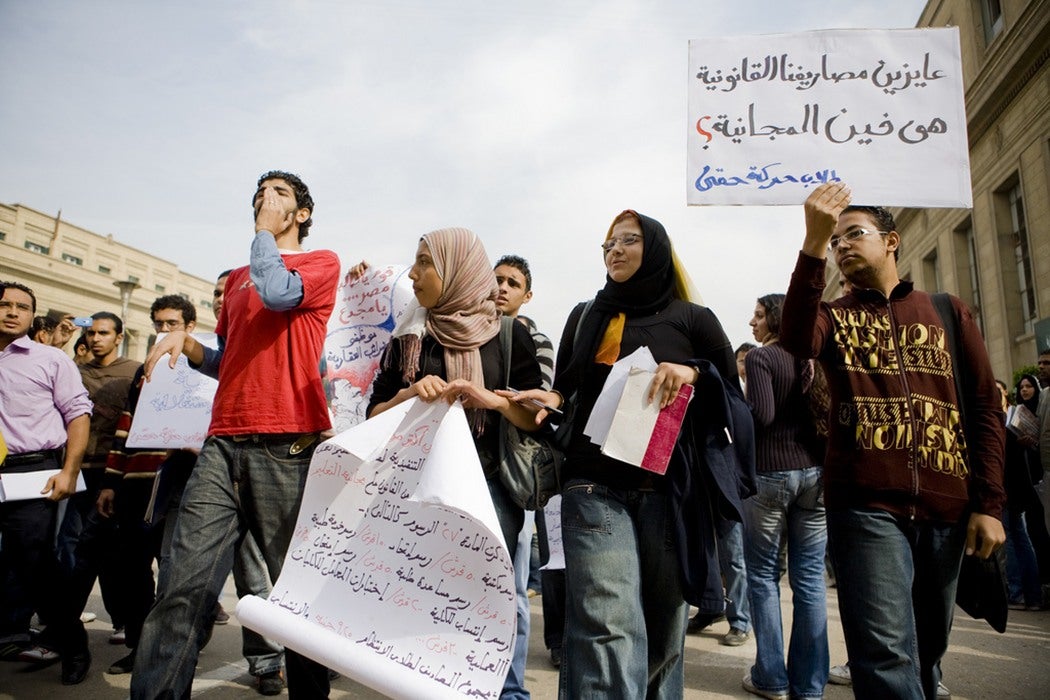
This mismatch between the supply of young workers and the demand for labor has led to increased frustration among young people, some of whom have taken to the streets to demand better opportunities.
2. Diversification and Economic Transformation
One of the most critical solutions being implemented in the Middle East to combat youth unemployment is economic diversification. For decades, many Middle Eastern economies have been dependent on oil exports, but this model is no longer sustainable. As the world shifts towards renewable energy and as oil prices fluctuate, many governments in the region are seeking to broaden their economic bases.
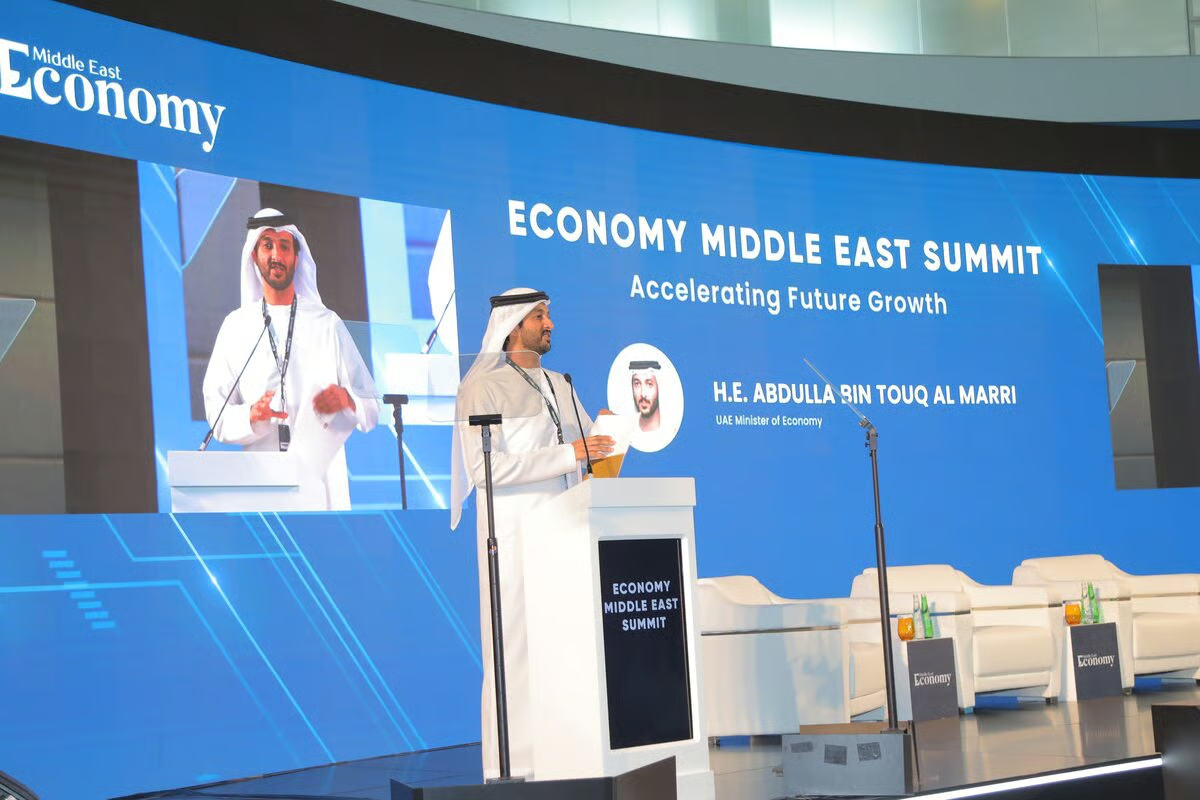
Countries like Saudi Arabia, the United Arab Emirates (UAE), and Qatar are investing heavily in non-oil sectors such as technology, tourism, renewable energy, and entertainment. Saudi Arabia’s Vision 2030 is a prime example of an effort to reduce the country’s reliance on oil and develop new industries that can create millions of jobs for young people. This includes projects like NEOM, a high-tech, futuristic city being built in the northwest of the country.
Similarly, the UAE has invested heavily in sectors like finance, real estate, and technology. Dubai, in particular, has positioned itself as a regional hub for innovation and business, providing opportunities for young people to enter fields like artificial intelligence (AI), cybersecurity, and entrepreneurship.
In Qatar, the 2022 FIFA World Cup spurred significant infrastructure projects that have provided a temporary boost to youth employment. The development of sports tourism and entertainment is also expected to create long-term job opportunities, although the country is still working on diversifying its economy further.
3. Education Reforms: Bridging the Gap between Academia and Industry
Education systems across the Middle East have long been criticized for failing to equip students with the skills needed by modern employers. In many cases, students are taught in traditional ways that emphasize rote memorization over critical thinking and problem-solving. This mismatch has led to an over-supply of graduates in fields that do not align with the needs of the labor market.
To address this, several Middle Eastern countries are undergoing educational reforms aimed at better aligning their curricula with the demands of the global job market. For example, in Egypt, the government is focusing on enhancing vocational training programs, which will allow young people to enter skilled trades such as engineering, construction, and healthcare. These types of programs are often overlooked in favor of academic degrees, despite the fact that skilled trades are in high demand in many economies.
In the UAE, educational reforms are focusing on fostering a culture of entrepreneurship and innovation. The country’s education system has integrated STEM (science, technology, engineering, and mathematics) programs, with an emphasis on preparing young people for careers in high-growth sectors like technology and renewable energy. The UAE’s government has also created numerous initiatives to encourage the private sector to collaborate with universities and schools to provide practical training and internships.
Saudi Arabia is investing heavily in education as part of its Vision 2030 plan. The government has implemented programs that aim to improve technical and vocational education and training (TVET). This includes building partnerships between universities and businesses to ensure that students gain the skills that employers need, as well as promoting entrepreneurship as a viable career path.
4. Supporting Entrepreneurship and Startups
Given the lack of sufficient jobs in the public and private sectors, entrepreneurship has become a major focus of youth employment strategies in the Middle East. Governments and private organizations have recognized the importance of supporting young people who wish to start their own businesses. The goal is to create a culture of innovation and entrepreneurship that can lead to job creation and economic diversification.
A number of countries in the region are establishing initiatives to support startups, including funding programs, accelerators, and incubators. The UAE, for example, is home to several world-class incubators, such as the Dubai Future Accelerators program, which supports entrepreneurs who are tackling global challenges. The government has also created favorable business environments by offering tax incentives and reducing bureaucratic red tape.
In Saudi Arabia, the government has introduced initiatives like the Saudi Arabian General Investment Authority (SAGIA) to make it easier for young entrepreneurs to start businesses. Moreover, the country is creating a supportive ecosystem for tech startups with funding opportunities, mentorship programs, and industry-specific networks.

In Egypt, the government has introduced a series of reforms aimed at promoting entrepreneurship, including setting up a national entrepreneurship strategy and creating government-backed financing options for startups. Organizations like the Egypt Entrepreneurship Center provide training and mentorship to young people interested in starting their own businesses.
Additionally, many private sector companies are investing in youth entrepreneurship programs. For instance, regional companies like Al-Futtaim and the Qatar Development Bank are actively engaged in supporting and mentoring young entrepreneurs. They are also offering financial assistance and facilitating access to markets to ensure young business owners have the necessary resources to grow their enterprises.
5. Leveraging Digital Transformation
As the world rapidly embraces digital technology, the Middle East is recognizing the importance of digital transformation in solving youth unemployment. Young people in the region are among the most tech-savvy populations globally, and they are keen to participate in the digital economy.
To harness this potential, governments and businesses are focusing on building digital infrastructure and supporting initiatives that allow young people to engage in tech-driven industries. The UAE’s Vision 2021 aims to transform the country into a knowledge-based economy, with a particular emphasis on digital technologies such as artificial intelligence, data science, and the Internet of Things (IoT).
In Egypt, the government is promoting initiatives like “Digital Egypt” to improve access to digital training and support the growth of e-commerce, digital marketing, and freelance work. Similarly, in Jordan, organizations like the Jordanian Innovation Center are providing young people with access to the tools and resources needed to build digital businesses and products.
A major trend emerging across the region is the rise of online platforms that connect young job seekers with potential employers. These platforms are giving youth greater access to job opportunities, as well as allowing them to build portfolios and networks. Companies like Upwork and Freelancer have seen a surge of young professionals from the region participating in the global gig economy.
6. Political and Institutional Reforms: Addressing Structural Barriers
While economic, educational, and technological efforts are crucial, addressing youth unemployment in the Middle East also requires broader political and institutional reforms. Corruption, lack of transparency, and inefficiencies within government systems often prevent young people from gaining access to jobs, opportunities, and resources.
Many Middle Eastern countries have undertaken political reforms in recent years to address some of these challenges. For example, in Tunisia, following the 2011 revolution, the government has worked toward creating a more open political system, which includes greater access to job opportunities for young people. However, the country still struggles with high unemployment rates, especially among graduates.
Saudi Arabia’s Vision 2030 is also focused on institutional reforms, aiming to create a more efficient public sector, reduce bureaucratic inefficiencies, and foster a more competitive business environment. In the UAE, a more open and business-friendly environment has allowed the private sector to grow, which, in turn, has created more jobs for young people.
Ultimately, addressing youth unemployment in the Middle East requires an integrated approach that combines economic diversification, educational reform, entrepreneurship support, and broader political changes. These efforts, although not without challenges, are paving the way for a brighter future for the region’s youth.
7. Conclusion: A Road to Opportunity
The Middle East’s youth unemployment crisis is one of the most pressing challenges facing the region today. However, through a combination of education reforms, economic diversification, digital transformation, and political reforms, the region is beginning to address the root causes of youth unemployment. While much remains to be done, the efforts underway provide a roadmap to creating more sustainable, diversified, and inclusive economies.
As the region continues to evolve, young people are not only the problem but also the solution—offering fresh ideas, innovative approaches, and a determination to succeed in an increasingly globalized world. The Middle East’s future hinges on how well it can harness the potential of its youthful population, ensuring that they have access to the opportunities they need to thrive.