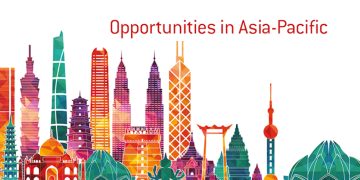










The Asia Pacific region is a hub of innovation, growth, and transformation. Cities here are not just expanding in population and size but also evolving in terms of technology, sustainability, and inclusivity. From ultra-modern skylines to sustainable green spaces, urban planning in this part of the world is rapidly redefining the future of cities globally. As urbanization continues to rise in Asia Pacific, the region’s cities are becoming a living laboratory for new ideas and solutions that will shape the global urban future.
The Growth Phenomenon
The Asia Pacific region has become the world’s urban powerhouse, with cities like Tokyo, Shanghai, and Mumbai leading the way. According to the United Nations, Asia is home to more than half of the world’s urban population, and this trend is expected to continue. By 2050, the urban population in the region is projected to reach 3.3 billion, a massive increase from the current 2.5 billion. This demographic shift is driving unprecedented development and innovation across the region.
Tech-Driven Smart Cities
One of the most significant trends in Asia Pacific cities is the development of smart cities. These cities leverage cutting-edge technology to improve infrastructure, reduce congestion, and enhance the quality of life for residents. Singapore, for example, has positioned itself as a global leader in smart city technology. Through its “Smart Nation” initiative, the city-state has integrated Internet of Things (IoT) technology into everyday life, from smart traffic lights that reduce congestion to waste management systems that optimize collection routes.
Smart cities are not just about technology but also about data-driven decision-making. In cities like Seoul and Tokyo, real-time data is used to manage everything from transportation to air quality. This real-time feedback allows urban planners to make immediate adjustments, improving efficiency and reducing environmental impacts.
Sustainability at the Core
As urban populations grow, environmental sustainability has become a top priority for many cities in the Asia Pacific region. Climate change is an existential threat, and urban areas, which are responsible for a significant portion of global carbon emissions, have a crucial role to play in mitigating its effects. Cities like Melbourne, Sydney, and Hong Kong have adopted ambitious sustainability goals, focusing on reducing carbon footprints, increasing green spaces, and enhancing waste management systems.
Melbourne’s commitment to becoming a “net zero” city by 2040 reflects a growing trend of environmentally-conscious urban design. From using recycled materials in construction to implementing large-scale urban greening initiatives, Melbourne is making strides toward a more sustainable future. Hong Kong has followed suit, creating green corridors throughout the city to improve air quality and provide residents with spaces to reconnect with nature.
Tokyo, another sustainability leader, is redefining the concept of energy-efficient urban living. The city’s eco-conscious initiatives, such as the integration of solar panels on rooftops, energy-efficient public transportation, and green building certifications, are setting new standards for urban sustainability.
Green Infrastructure and Urban Resilience
Green infrastructure, such as parks, green roofs, and rainwater harvesting systems, is becoming increasingly important in Asia Pacific cities. These elements not only help to manage the effects of climate change, such as flooding and extreme heat, but also improve residents’ overall well-being.
In cities like Jakarta, where flooding is a persistent issue, green infrastructure is being incorporated into urban planning to mitigate the impacts. Jakarta’s ambitious “Green Jakarta” initiative seeks to create an interconnected system of green spaces throughout the city, reducing flooding risks and improving air quality. The integration of natural elements into urban spaces is also being seen in cities like Kuala Lumpur, where parks and green corridors are strategically placed to cool the urban heat island effect.

Inclusive Urban Design
Inclusive cities are another hallmark of urban planning in the Asia Pacific region. As urban populations diversify, it is essential that cities are designed with accessibility in mind. The importance of designing cities that cater to all groups, including the elderly, people with disabilities, and marginalized communities, cannot be overstated.
Tokyo is one of the world’s most accessible cities. With its extensive network of elevators, ramps, and tactile paving, the city makes it easy for everyone to move around. In addition, Singapore has embraced universal design principles in its public spaces, ensuring that the needs of all citizens are met.
Moreover, cities like Seoul are championing policies that promote affordable housing and address the needs of low-income families. The city’s affordable housing program has helped provide better living conditions for its growing population, reducing the social divide that often exists in rapidly urbanizing areas.
Urban Mobility and Public Transportation
Transportation is one of the critical components of modern urban planning, and Asia Pacific cities are setting the bar high with their innovations in this area. Public transportation systems in cities like Hong Kong, Seoul, and Singapore are some of the most efficient and user-friendly in the world. These cities have invested heavily in expanding metro systems, improving bus networks, and promoting alternative modes of transportation, such as cycling and walking.
Hong Kong’s Mass Transit Railway (MTR) system is an excellent example of a seamless, reliable, and sustainable transportation network. With frequent trains, convenient stations, and excellent connectivity, the MTR system is used by millions of people every day. Similarly, Seoul’s integrated transportation system, which connects buses, subways, and taxis via a smart card, provides residents with a simple and affordable way to get around.

Cycling, too, has been gaining momentum as a sustainable mode of transport. Cities like Taipei, which boasts an extensive network of bike lanes, are increasingly encouraging residents to choose bicycles over cars for short trips. In Singapore, bike-sharing programs are making cycling more accessible, further reducing the reliance on private cars.
Urban Innovation Hubs
Asia Pacific is home to some of the world’s most dynamic urban innovation hubs. Cities like Shanghai, Bangalore, and Hong Kong have become centers of technological advancement, attracting start-ups, entrepreneurs, and investors from all over the world. These cities foster an ecosystem of innovation by providing support for research and development, facilitating collaboration between academia and industry, and investing in digital infrastructure.
Shanghai, for example, has become a global center for fintech innovation, while Bangalore is known as the “Silicon Valley of India,” with its booming tech industry. Hong Kong’s innovation ecosystem is supported by a strong network of venture capital firms, incubators, and government programs aimed at supporting start-ups and entrepreneurs. This culture of innovation is helping to drive the development of new urban technologies, such as autonomous vehicles, AI-powered infrastructure, and blockchain applications.
Cultural and Historical Integration
As cities rapidly modernize, it is essential to preserve and integrate the rich cultural and historical heritage of the region. In Asia Pacific, many cities are successfully blending the old and the new, creating urban spaces that honor their past while embracing the future.
Cities like Kyoto, which is known for its historic temples and gardens, have carefully integrated modern development with traditional architecture. The city has imposed strict regulations to ensure that new buildings complement the historic landscape, creating a harmonious coexistence between past and present.
Hong Kong, a bustling metropolis, has also done a remarkable job of preserving its cultural heritage while embracing modernity. The city’s blend of British colonial architecture, Chinese temples, and cutting-edge skyscrapers creates a unique urban environment that is both vibrant and culturally rich.
Challenges and the Road Ahead
Despite the impressive progress made by Asia Pacific cities, several challenges remain. Rapid urbanization puts immense pressure on infrastructure, housing, and resources. In many cities, traffic congestion, air pollution, and limited green spaces are ongoing issues. Additionally, the region faces significant challenges related to climate change, including rising sea levels, extreme weather events, and urban heat islands.
To overcome these challenges, it is essential for governments, urban planners, and businesses to collaborate and create long-term solutions that prioritize sustainability, inclusivity, and resilience. As Asia Pacific cities continue to shape the future of urban living, they must ensure that progress is balanced with the preservation of the environment and the well-being of their residents.
Conclusion
Asia Pacific cities are at the forefront of urban transformation. From cutting-edge technology and sustainable development to inclusive design and innovative transportation systems, these cities are laying the groundwork for the cities of tomorrow. The region’s emphasis on smart solutions, environmental sustainability, and accessibility is reshaping urban living and setting an example for the rest of the world to follow. While challenges persist, the trajectory of cities in Asia Pacific is one of growth, innovation, and resilience, ensuring that these cities continue to play a pivotal role in shaping the urban future.