










The Asia Pacific region, a vast and diverse expanse spanning East Asia, Southeast Asia, and Oceania, has long been recognized as a hub of global economic activity. With its rapid economic growth, diverse markets, and strategic geopolitical positioning, it has steadily positioned itself as a potential economic powerhouse. As the world emerges from the challenges posed by the COVID-19 pandemic and as global power dynamics shift, many experts and policymakers are asking: Can Asia Pacific be the new global economic engine?
In this article, we will delve into the region’s strengths, opportunities, challenges, and the potential it holds to become the cornerstone of global economic growth in the 21st century.
1. The Rise of Asia Pacific: A Historical Perspective
To understand the current economic rise of Asia Pacific, it’s crucial to consider the region’s historical trajectory. Since the mid-20th century, Asia has been transforming at an unprecedented pace. The post-World War II era saw Japan rise as a major industrial powerhouse. The economic liberalization of China in the late 20th century, under the leadership of Deng Xiaoping, propelled the country into becoming the world’s second-largest economy. Southeast Asia, with countries like Singapore, South Korea, and Malaysia, became hotbeds of manufacturing and export-led growth.
The rapid development of infrastructure, burgeoning middle classes, and an increasing role in global trade were key drivers of this economic surge. The rise of the Asian Tigers—Hong Kong, Singapore, South Korea, and Taiwan—highlighted the region’s growing economic clout, with a heavy emphasis on manufacturing, trade, and financial services.
By the early 2000s, China’s entry into the World Trade Organization (WTO) marked a new chapter, accelerating its growth and making it a key player in global trade. India, too, became a rising force, especially with its booming tech and services sectors.
Today, the region is a melting pot of emerging markets, from the economic juggernauts like China and Japan to the developing economies of India, Vietnam, and Indonesia. The continued rise of Asia Pacific countries is a clear signal that this region may well be on track to drive the future of the global economy.
2. Key Factors Driving Asia Pacific’s Economic Momentum
A. Demographics and Urbanization
Asia Pacific boasts a rapidly growing population, with over 4.5 billion people—nearly 60% of the world’s population. This large population not only provides a substantial workforce but also a massive consumer market. The region’s youthful demographic profile offers a competitive advantage, as young, tech-savvy consumers are driving demand in a variety of sectors, from e-commerce to technology and entertainment.
Urbanization is another major driver. The region is witnessing the fastest urbanization rates in the world, with hundreds of millions of people migrating from rural areas to urban centers in search of better economic opportunities. By 2030, more than half of Asia’s population will be living in cities. This urbanization is spurring infrastructure development, creating new business opportunities, and fostering innovation.
B. Technological Innovation and Digital Transformation
Asia Pacific is home to some of the world’s most advanced technological ecosystems. China, Japan, South Korea, and India are leading the charge in fields such as artificial intelligence, blockchain, and e-commerce. Cities like Shenzhen have transformed into global technology hubs, while Japan and South Korea have maintained leadership in robotics, automation, and consumer electronics.
The region is also experiencing a digital revolution, with the rapid adoption of mobile technology, e-commerce, fintech, and cloud computing. India’s tech sector, in particular, has made remarkable strides, with the country being one of the largest outsourcing hubs for IT services globally. Similarly, Southeast Asia’s vibrant startup scene, fueled by venture capital investment, is fostering the next wave of innovation in fintech, e-commerce, and digital health.
With an increasing emphasis on digital economies, Asia Pacific has the potential to redefine global trade and economic activity in the coming decades. Countries like China and India are not only significant consumers of technology but also major innovators, reshaping industries worldwide.
C. Trade Agreements and Regional Integration
The Asia Pacific region is home to some of the world’s most dynamic trade agreements. The Comprehensive and Progressive Agreement for Trans-Pacific Partnership (CPTPP), the Regional Comprehensive Economic Partnership (RCEP), and the Asia-Pacific Economic Cooperation (APEC) are just a few examples of the regional cooperation that drives economic integration.
RCEP, which was signed in 2020, is the largest trade agreement in the world, accounting for nearly a third of the global GDP and population. By eliminating tariffs and promoting trade between member states, these agreements strengthen the region’s economic bonds and increase access to global markets.
This growing network of trade deals is not only boosting intra-regional trade but is also positioning Asia Pacific as a central node in global supply chains. Companies seeking access to this vast market are increasingly investing in the region, and governments are working to streamline regulations, making it easier to conduct business.
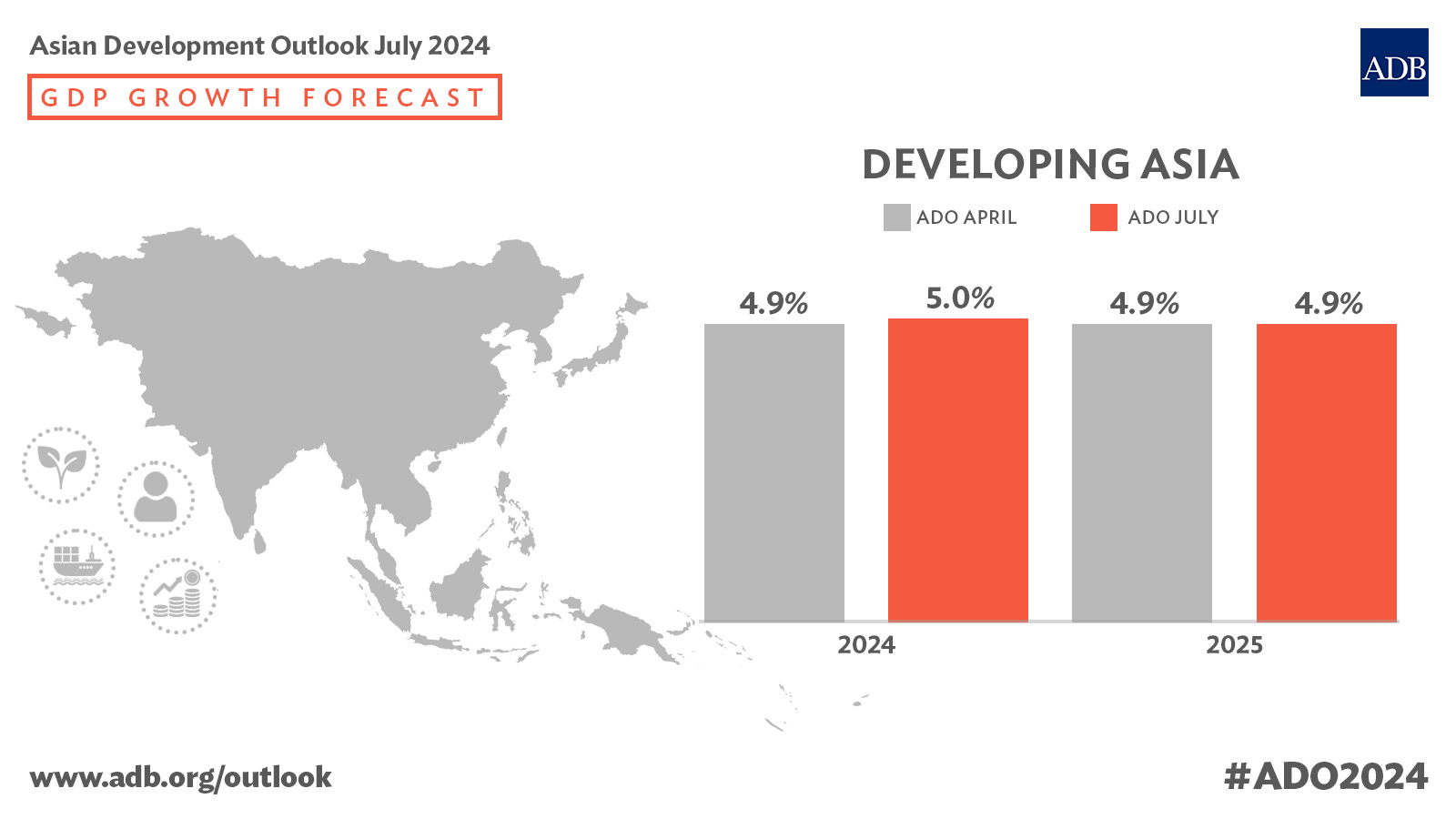
3. The Key Economic Players in Asia Pacific
While Asia Pacific as a whole is on an upward trajectory, certain countries stand out as key economic drivers. Let’s take a closer look at these powerhouses:
A. China: The Engine of Growth
As the world’s second-largest economy, China plays a central role in shaping the future of Asia Pacific’s economic landscape. The country’s rapid industrialization, export-led growth model, and ambitious plans to transition to a consumption-driven economy have made it an economic giant.
China’s Belt and Road Initiative (BRI) further solidifies its role as a global economic leader, as the country invests in infrastructure projects across Asia, Europe, Africa, and beyond. Additionally, China is increasingly focusing on innovation, with heavy investments in technology sectors such as AI, 5G, and clean energy.
However, challenges persist, including demographic shifts, the ongoing trade war with the United States, and rising environmental concerns. Nonetheless, China’s position as the economic engine of the region is unlikely to diminish anytime soon.
B. Japan: Technological Superpower and Economic Stability
Japan has long been an economic leader in Asia. Known for its innovation in robotics, automotive manufacturing, and electronics, Japan continues to be a technological powerhouse. Companies like Toyota, Sony, and Panasonic have been global leaders for decades, and the country remains a key player in the global supply chain, particularly in high-tech manufacturing and components.
Despite facing challenges such as an aging population and stagnating growth in recent years, Japan’s focus on innovation and its strategic alliances with other economies, particularly the U.S., position it as a critical anchor in Asia Pacific’s economic future.
C. India: The Emerging Giant
India, with its large population and burgeoning middle class, is one of the most promising economies in Asia. Over the past decade, the country has made significant strides in economic reforms, infrastructure development, and foreign investment. India’s service sector, particularly its IT and business process outsourcing industries, has seen substantial growth, positioning the country as a global hub for outsourcing.
India’s growing consumer base, thriving digital economy, and push towards economic self-reliance through initiatives like “Make in India” are key factors contributing to its future growth. While India faces challenges such as income inequality and infrastructure bottlenecks, its long-term prospects remain strong.

D. Southeast Asia: The Emerging Powerhouses
Southeast Asia is home to some of the fastest-growing economies in the world, with countries like Indonesia, Vietnam, the Philippines, and Thailand emerging as key players. With their strategic location and competitive labor markets, these nations have become attractive destinations for manufacturing, outsourcing, and investment.
Vietnam, in particular, has emerged as a manufacturing hub, benefiting from the shifting of supply chains away from China due to trade tensions and rising labor costs. Indonesia, with its large population and resource-rich economy, continues to attract foreign investment, while the Philippines is making strides in the digital economy.
Southeast Asia’s economic dynamism is bolstered by the Regional Comprehensive Economic Partnership (RCEP) and its growing digital economy, creating vast potential for the region to continue its ascent in the global economic hierarchy.
4. Challenges and Risks: Can Asia Pacific Overcome the Hurdles?
Despite the promising outlook, there are several challenges and risks that could impede the region’s progress.
A. Geopolitical Tensions
The Asia Pacific region is home to significant geopolitical tensions, particularly between China and its neighbors. Territorial disputes in the South China Sea, Taiwan’s political status, and competition for regional influence all pose risks to stability. Trade wars, particularly between China and the United States, have also created uncertainty, with tariffs and sanctions potentially stifling growth.
B. Environmental Concerns
Environmental sustainability is another pressing issue. Rapid industrialization and urbanization have led to pollution, deforestation, and resource depletion. Countries like China and India are grappling with severe air pollution, while Southeast Asia faces significant risks from climate change, such as rising sea levels and more frequent natural disasters.
C. Economic Inequality
While the region’s economies are growing, the benefits of this growth are not always equally distributed. Income inequality remains a major issue in countries like India, China, and Indonesia. If these disparities are not addressed, they could undermine the long-term social and economic stability of the region.
D. Aging Populations
Japan and China face the demographic challenge of aging populations. This trend is expected to put pressure on social welfare systems and the labor market, potentially slowing economic growth in the coming decades. As these countries seek to transition to more innovation-driven economies, the shortage of young workers could become a significant obstacle.
5. Conclusion: A Region Poised for Growth
In conclusion, Asia Pacific is well-positioned to become the new global economic engine. The region’s diverse economies, dynamic markets, and growing middle class create a fertile ground for investment and innovation. The rapid adoption of technology, strategic trade agreements, and an entrepreneurial spirit make the region an exciting prospect for global business.
However, to realize its full potential, Asia Pacific must overcome the challenges of geopolitical tensions, environmental degradation, and economic inequality. With the right policies, cooperation, and investment in sustainability and human capital, the region can become the world’s driving force, powering the global economy well into the 21st century.