









The resilience of Latin American economies is a phenomenon that has intrigued economists, policy makers, and business leaders for decades. Despite facing numerous challenges, such as political instability, fluctuating commodity prices, natural disasters, and volatile capital flows, the region has consistently managed to navigate these difficulties and maintain a relatively stable economic growth trajectory. Understanding the forces that contribute to the resilience of Latin American economies requires an exploration of the unique combination of history, economic structure, social factors, and external influences that shape the region’s economic landscape.
1. Historical Context: The Foundation of Resilience
Latin America’s economic resilience cannot be fully appreciated without understanding its complex historical context. The region’s economies have been molded by colonial legacies, the influence of global trade, and waves of economic and political upheaval. Despite centuries of foreign dominance, Latin American nations have developed a robust capacity to adapt to shifting circumstances.
Colonial economies in Latin America were largely extractive, with the Spanish and Portuguese empires extracting precious metals and agricultural goods for export to Europe. This set the stage for a dependence on commodity exports that would characterize much of the region’s economic activity in the centuries to come. However, this legacy also laid the groundwork for a deeply ingrained understanding of global economic interdependencies and the need to manage external shocks.
In the 20th century, Latin America experienced a series of economic booms and busts, including the Great Depression and several debt crises. The most notable of these was the Latin American Debt Crisis of the 1980s, which had devastating consequences for many countries in the region. However, from these painful experiences, Latin American economies gained important lessons in economic diversification, fiscal management, and the necessity of institutional reforms to navigate global financial systems.
2. Economic Diversification and Innovation
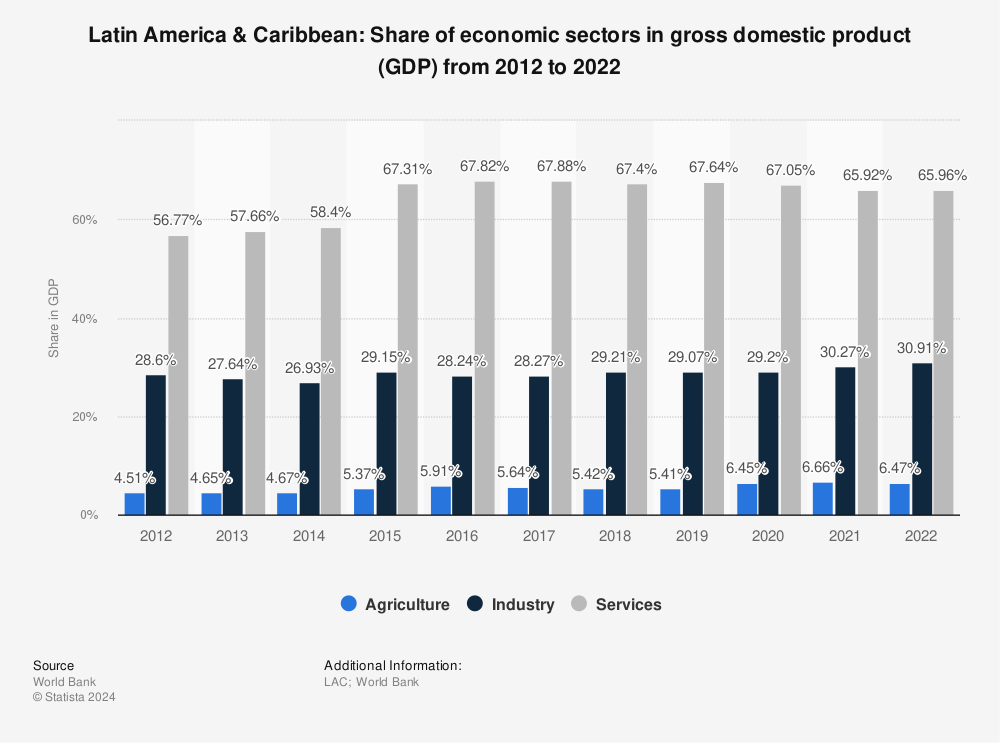
One of the key factors behind the resilience of Latin American economies is their increasing capacity for economic diversification. While many Latin American countries have historically relied on the export of primary commodities like oil, copper, and agricultural products, recent decades have seen a push towards more diversified economies.
Countries like Brazil, Mexico, and Chile have diversified into manufacturing, services, and technology sectors. For instance, Mexico’s trade agreement with the United States and Canada, known as the USMCA (formerly NAFTA), has helped stimulate its manufacturing sector, while Brazil has seen significant growth in its service industries. In Chile, the booming mining sector has been balanced with a growing renewable energy industry, particularly in solar power.
Moreover, Latin American economies have demonstrated remarkable resilience through their growing digital and tech sectors. Brazil and Argentina, in particular, have emerged as key players in the Latin American startup ecosystem. The region’s young, tech-savvy population has contributed to the rapid rise of digital innovation, with industries ranging from e-commerce to fintech thriving in major cities like São Paulo, Buenos Aires, and Mexico City.
Diversification also extends to the agricultural sector, where countries like Argentina and Uruguay have embraced more sustainable and technologically advanced farming practices. By increasing the value-added component of agricultural exports through higher-quality goods such as wine, organic products, and processed foods, Latin American economies have been able to maintain competitiveness even in a volatile global market.
3. Social Cohesion and Cultural Adaptability
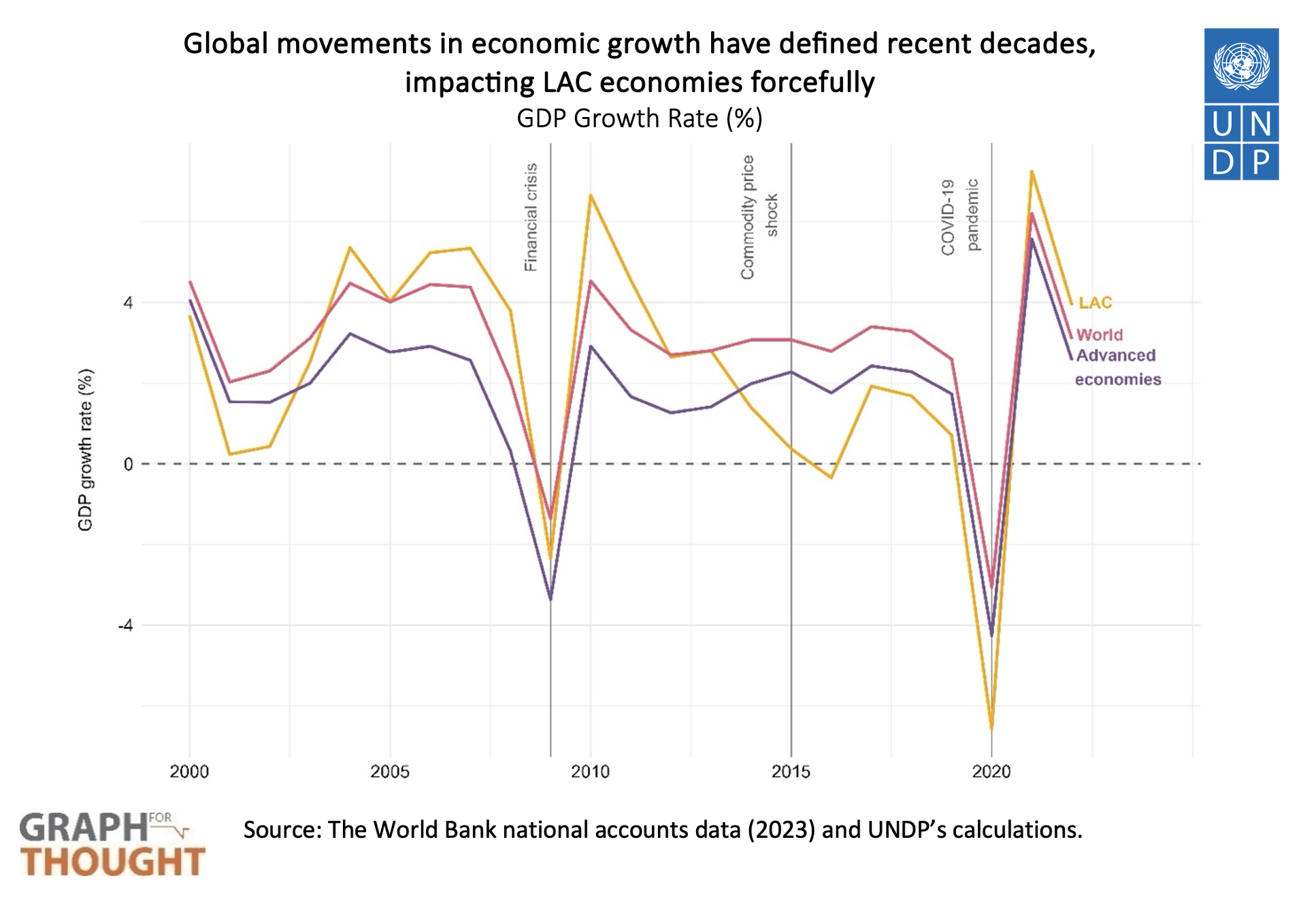
Latin America’s resilience is also deeply rooted in its social fabric and cultural adaptability. Despite persistent income inequality, political polarization, and social unrest, the region’s populations have shown remarkable capacity to bounce back from crisis.
In many Latin American countries, family networks and community-based organizations have played an important role in ensuring economic survival during times of hardship. This has been particularly evident during periods of hyperinflation and economic recessions, where individuals and families rely on informal economies, remittances, and local networks to make ends meet.
Moreover, Latin America’s cultural richness has contributed to its economic adaptability. The region’s diverse population—comprising Indigenous peoples, Afro-descendants, and a blend of European and Asian migrants—has produced a wide range of social and economic responses to challenges. This diversity has fostered creativity, resilience, and a capacity for reinvention that has helped individuals and businesses navigate through economic turbulence.
Latin American countries also place high value on education and have invested heavily in expanding access to higher education. This has created a growing middle class with greater economic mobility, enabling innovation and entrepreneurship to flourish. As a result, a new generation of leaders and business owners is emerging, bringing fresh ideas and energy to the region’s economy.
4. Strong Export Networks and Global Integration
Another key component of Latin America’s economic resilience is its strong integration into global trade networks. Latin America has long been a major supplier of raw materials and commodities, but over the years, it has also positioned itself as a competitive player in global value chains.
Take the example of Mexico, which has capitalized on its geographical proximity to the United States and its membership in trade agreements like the USMCA. The country’s manufacturing sector is deeply integrated with North American supply chains, particularly in the automotive and electronics industries. This has provided Mexico with a degree of economic insulation from regional instability and global economic fluctuations.
Countries such as Chile and Peru, both significant exporters of copper, have benefitted from rising global demand for metals. In particular, China’s growing industrial sector has been a major driver of demand for Latin American minerals. The Chinese economy has become a key economic partner for the entire region, shifting the center of gravity for trade and investment away from traditional Western powers.
Moreover, the diversification of trade partners beyond North America and Europe has made Latin American economies more resilient to shifts in global demand. Increased exports to Asia and the Middle East, particularly in the areas of food and natural resources, have provided greater economic stability.
5. Government Responses and Policy Innovation
Latin American governments have also played a crucial role in strengthening economic resilience through targeted policies and reforms. While some countries in the region have faced challenges in terms of political instability and corruption, many have made significant strides toward more sustainable and forward-looking economic management.
For example, in the aftermath of the 2008 global financial crisis, Latin American countries like Brazil, Chile, and Peru implemented countercyclical fiscal policies that helped stimulate domestic demand and shielded their economies from the worst effects of the recession. They increased public spending on infrastructure projects, social programs, and domestic industries, creating jobs and spurring economic growth.
In addition to countercyclical fiscal policies, several Latin American countries have pursued structural reforms aimed at improving governance, reducing corruption, and strengthening institutions. The shift towards more market-oriented policies in countries such as Colombia, Mexico, and Peru has facilitated greater foreign investment and fostered economic stability.
A particularly successful example of government intervention has been in the area of social safety nets. Programs like Brazil’s Bolsa Família and Mexico’s Oportunidades (now Prospera) have provided direct financial support to the most vulnerable populations, helping to reduce poverty and inequality while stabilizing the domestic economy during times of crisis.
6. Natural Resources and Economic Stability
Despite the fluctuations in commodity prices, natural resources continue to play a vital role in Latin America’s economic resilience. The region is home to some of the world’s richest deposits of minerals, fossil fuels, and agricultural land, which have provided a solid foundation for economic growth.
Oil-rich Venezuela, for instance, has struggled with economic instability in recent years due to falling oil prices and political challenges. However, countries like Brazil, Colombia, and Ecuador, which have diversified their economies more successfully, continue to rely on a mix of natural resources and other sectors to drive growth.
In particular, the global push for renewable energy has presented new opportunities for Latin American countries rich in renewable resources like wind, solar, and hydroelectric power. Brazil, for example, is a global leader in biofuels and renewable energy production, positioning itself as a key player in the green energy revolution.
7. Geopolitical Influences and Global Cooperation
The geopolitical landscape also influences the resilience of Latin American economies. While the region is not immune to external pressures from global superpowers, many Latin American nations have embraced multilateralism and regional cooperation as tools to safeguard their interests and boost economic resilience.
The creation of organizations like MERCOSUR (Southern Common Market), the Pacific Alliance, and ALBA (Bolivarian Alliance for the Peoples of Our America) has promoted regional trade, economic integration, and cooperation among Latin American countries. These collaborations help buffer the region from external shocks by encouraging intra-regional trade and investment.
Additionally, countries like Brazil and Mexico have actively pursued diplomatic initiatives aimed at diversifying trade relationships and ensuring that Latin American economies remain competitive on the global stage. As a result, Latin America has increasingly positioned itself as a key player in global affairs, with growing influence in organizations such as the United Nations, the World Trade Organization, and the G20.
Conclusion: The Enduring Strength of Latin American Economies
Latin American economies possess a unique blend of factors that contribute to their resilience, from historical lessons in managing external shocks, to diversification, social cohesion, and innovative policy making. The region’s ability to bounce back from crises—whether economic, political, or social—illustrates the adaptability and resourcefulness of its people and institutions. By continuing to innovate, diversify, and embrace regional cooperation, Latin America is poised to remain a resilient and dynamic player in the global economy for years to come.