




The Caribbean, a region often celebrated for its turquoise waters, vibrant cultures, and rhythmic music, is much more than a tourist paradise. Beneath the sun-soaked beaches lies a complex web of geopolitical, economic, and social dynamics that have been significantly influenced by the foreign policies of the United States. From trade agreements to immigration policies, from climate initiatives to security strategies, U.S. actions in the Caribbean ripple far beyond the ocean waves. Understanding these impacts requires a deep dive into history, economics, politics, and even cultural interactions.
Historical Foundations of U.S.-Caribbean Relations
The relationship between the United States and Caribbean nations has deep historical roots. The Monroe Doctrine, declared in 1823, positioned the U.S. as a self-appointed guardian of the Western Hemisphere, effectively warning European powers against interference. While originally a policy of hemispheric protection, it became a tool for American influence, often justifying interventions and economic dominance in the Caribbean.
Throughout the 20th century, U.S. involvement in the region grew in intensity. The occupation of Haiti (1915-1934), the Dominican Republic (1916-1924), and various interventions in Cuba and Puerto Rico laid the groundwork for a perception of the U.S. as both protector and oppressor. These historical precedents created a legacy of dependency, resentment, and strategic alignment that still informs contemporary policies.
Economic Impacts: Trade, Aid, and Investment
U.S. economic policies play a pivotal role in shaping Caribbean economies. Trade agreements such as the Caribbean Basin Initiative (CBI) and later the Caribbean Basin Trade Partnership Act (CBTPA) opened doors for Caribbean exports to the U.S. market. Products ranging from sugar to textiles benefited from preferential treatment, yet these policies often imposed limitations. Nations were encouraged to align production with U.S. needs, sometimes at the expense of local economic diversification.
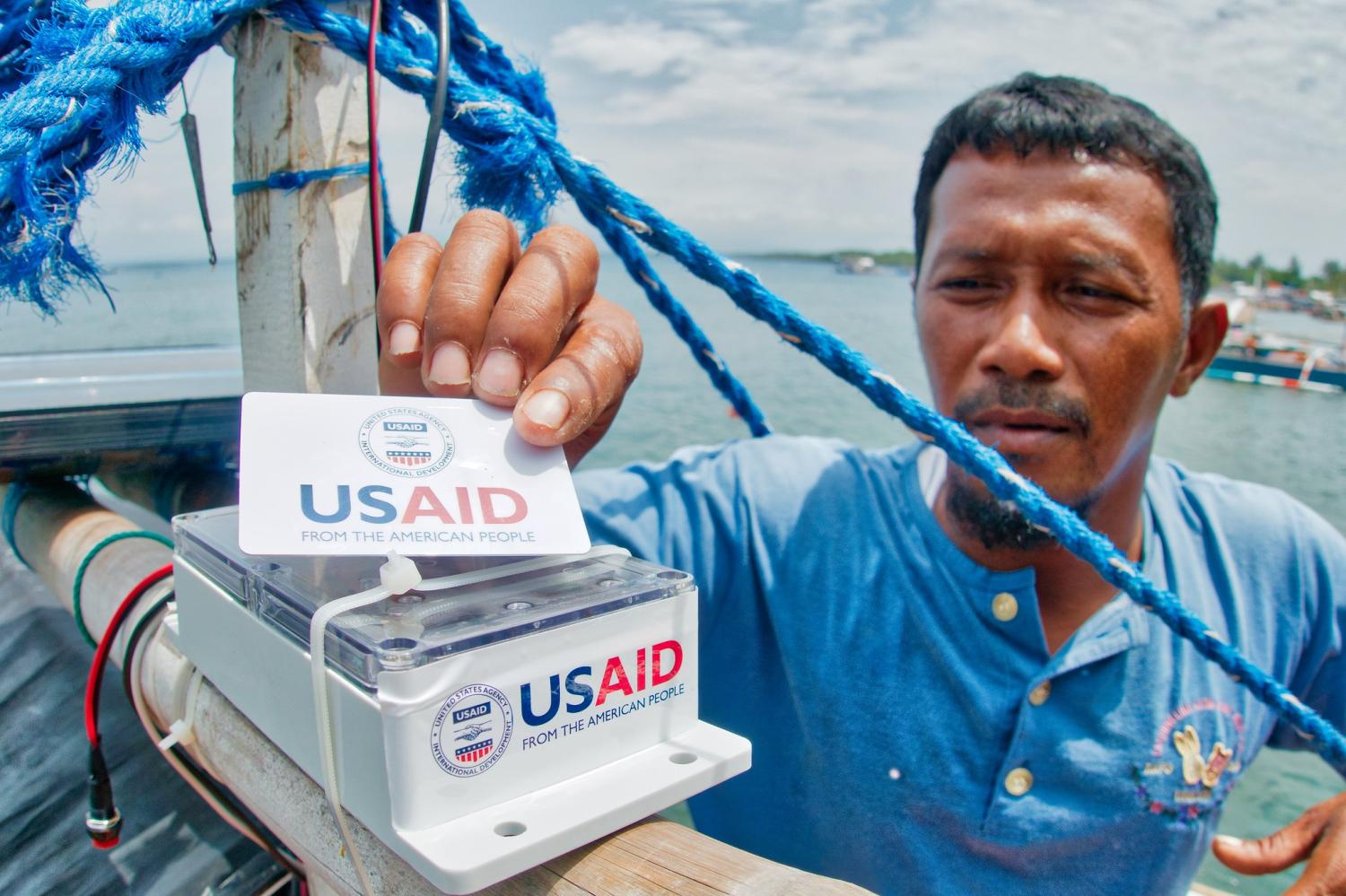
Moreover, U.S. foreign aid has been both a lifeline and a tool of influence. Agencies like USAID fund infrastructure, health programs, and disaster relief, providing crucial support to nations prone to hurricanes and earthquakes. However, aid often comes with strings attached, shaping domestic policy decisions to align with American interests. Critics argue this creates a subtle form of economic dependency, limiting the Caribbean’s ability to fully control its developmental trajectory.
Investment patterns further illustrate the economic influence of U.S. policies. American tourism conglomerates dominate hotel chains and cruise lines, channeling profits out of the Caribbean while offering limited employment opportunities relative to the revenue generated. In the energy sector, U.S. oil companies and investors have historically influenced the development of Caribbean energy infrastructure, prioritizing export-oriented projects over local energy needs.
Political and Diplomatic Influence
U.S. foreign policies extend far beyond economics, affecting governance, diplomacy, and internal political stability. Washington often leverages diplomatic pressure to encourage democratic reforms, anti-corruption measures, and alignment with broader U.S. geopolitical objectives. While such policies may promote governance improvements, they sometimes conflict with local priorities, creating friction between sovereignty and strategic alignment.
For example, in countries like Cuba and Venezuela-influenced territories, U.S. sanctions have reverberated throughout the Caribbean. Neighboring nations often face the difficult task of balancing trade and diplomatic relations with the U.S. against historical, cultural, and economic ties to these sanctioned countries. This balancing act highlights the delicate influence Washington wields, where policy decisions thousands of miles away can dictate local economic and political outcomes.
Furthermore, U.S. involvement in regional security arrangements, such as the Caribbean Security Initiative, positions the United States as a key partner in combating transnational crime, drug trafficking, and human smuggling. While these programs provide critical support, they also embed U.S. priorities into Caribbean law enforcement and border policies, sometimes overshadowing domestic initiatives or regional cooperation efforts.
Migration and Remittances: Human Dimensions
Migration is another sphere where U.S. policy profoundly shapes Caribbean societies. The U.S. has historically been a major destination for Caribbean migrants, whether through formal programs like the Haitian Refugee Immigration Fairness Act or through more informal migration patterns. Policies on visa issuance, border enforcement, and deportation directly affect family structures, labor markets, and social stability across the region.
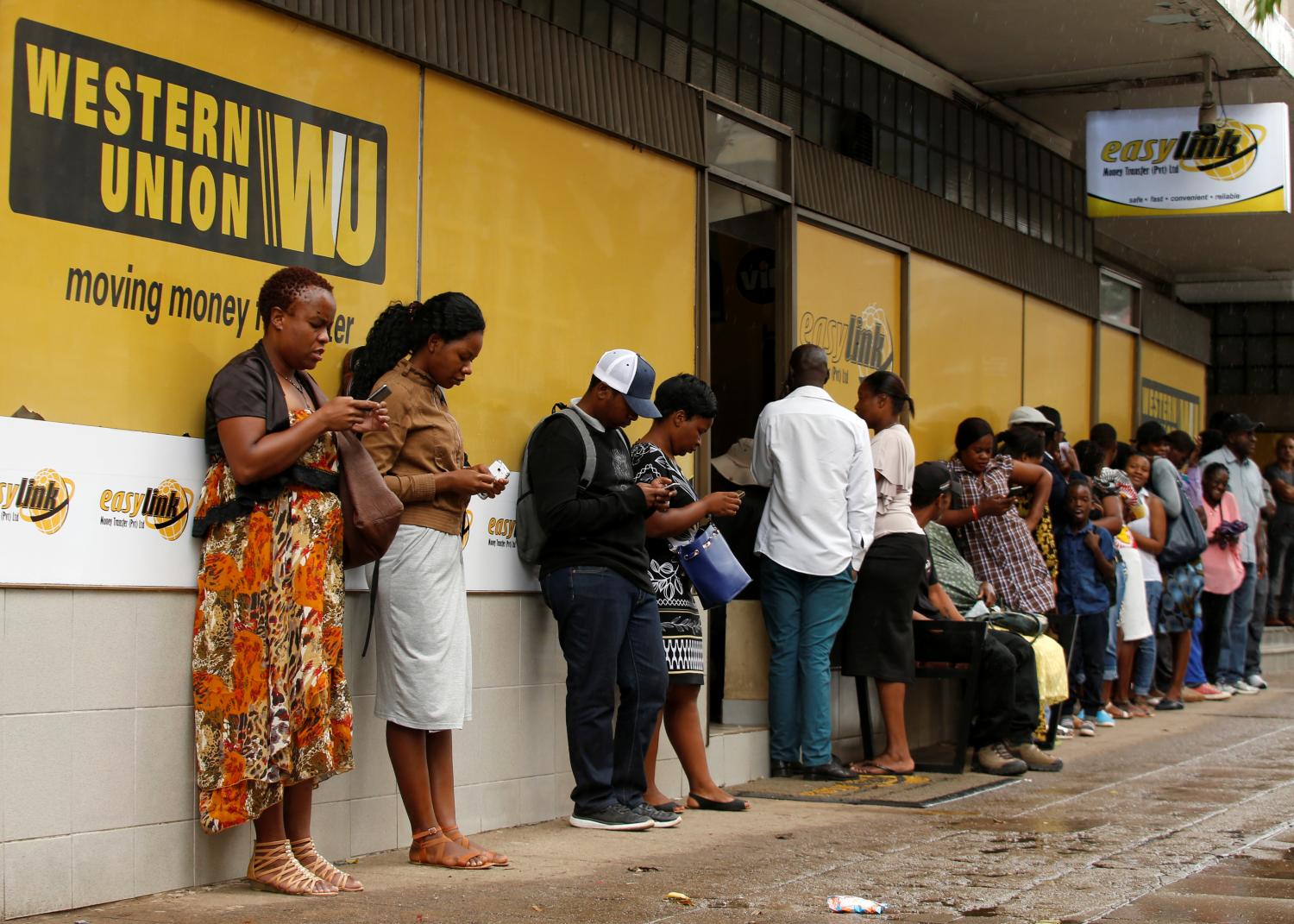
Remittances from Caribbean nationals living in the U.S. constitute a substantial portion of national GDP in countries such as Haiti, Jamaica, and the Dominican Republic. Changes in immigration policy or employment opportunities in the U.S. can therefore trigger immediate economic consequences in the Caribbean, influencing household stability, education access, and local entrepreneurship.
Moreover, migration policies have a broader cultural impact. Caribbean diaspora communities in the U.S. maintain deep ties with their homelands, facilitating cultural exchange and transnational networks. However, restrictive policies can strain these connections, reducing mobility and the flow of ideas, skills, and capital.
Climate Policy and Environmental Diplomacy
The Caribbean is disproportionately vulnerable to climate change. Rising sea levels, hurricanes, and flooding present existential threats to small island states. U.S. foreign policy plays a dual role: as a contributor to global greenhouse gas emissions and as a provider of climate assistance.
Climate diplomacy and aid programs, such as funding for renewable energy initiatives or disaster resilience projects, offer critical support. Yet the region also grapples with the consequences of U.S. energy and industrial policies, which contribute to global carbon emissions. Caribbean nations often face the ironic position of adapting to environmental crises that are partially driven by policies and consumption patterns far beyond their borders.
Furthermore, U.S. engagement in climate negotiations, funding priorities, and insurance mechanisms directly shape regional resilience strategies. Caribbean governments must align with international standards and secure U.S. support, sometimes at the cost of independent or locally-driven environmental approaches.
Security Challenges and Strategic Interests
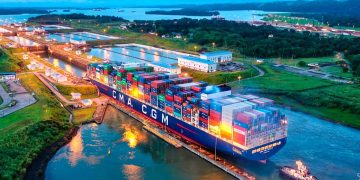
The Caribbean occupies a geostrategic position that makes it an important focus for U.S. security policy. The region is a critical corridor for maritime trade, energy flows, and drug trafficking routes. Consequently, Washington invests heavily in intelligence sharing, counter-narcotics operations, and military cooperation with regional partners.
While these initiatives enhance security and public safety, they also reinforce U.S. strategic dominance. Surveillance systems, joint exercises, and funding programs often embed U.S. operational priorities into local law enforcement agendas. Critics argue that this can prioritize American strategic interests over domestic security concerns, shaping how Caribbean nations address crime and border management.
Additionally, the militarization of certain policies sometimes exacerbates social tensions. Anti-drug and anti-crime programs funded or supported by the U.S. can lead to aggressive policing, human rights concerns, and strained community relations, particularly in urban areas. The challenge lies in balancing effective security measures with respect for sovereignty and social equity.
Cultural and Social Implications
U.S. influence in the Caribbean extends beyond economics, politics, and security; it shapes culture and society. American media, consumer products, and lifestyle trends have penetrated deeply into Caribbean societies, influencing everything from fashion and music to language and education. While cultural exchange is often positive, there is an ongoing tension between globalized American culture and local Caribbean traditions.
Education policies and scholarship programs funded by U.S. agencies also play a role in shaping the future of the region. By providing access to higher education and research opportunities in the U.S., these programs contribute to human capital development. However, they also encourage brain drain, as many talented Caribbean students remain abroad, potentially limiting local innovation and capacity-building.
Healthcare and public health collaborations further illustrate this duality. U.S. initiatives often provide essential resources, training, and technology to combat diseases such as Zika, dengue, or COVID-19. Yet these programs sometimes prioritize issues that align with U.S. interests rather than the most pressing local health challenges, creating a selective lens of support.
Case Studies: Divergent Outcomes Across Nations
Haiti
Haiti, the poorest country in the Western Hemisphere, exemplifies the complex effects of U.S. foreign policy. Historical interventions, coupled with ongoing aid programs, have deeply shaped governance, economic structures, and social development. While U.S. aid provides crucial support in disaster relief and healthcare, it also fosters dependency and limits political autonomy. Sanctions and migration policies further complicate the economic landscape, with remittances playing a lifeline role in household economies.
Cuba
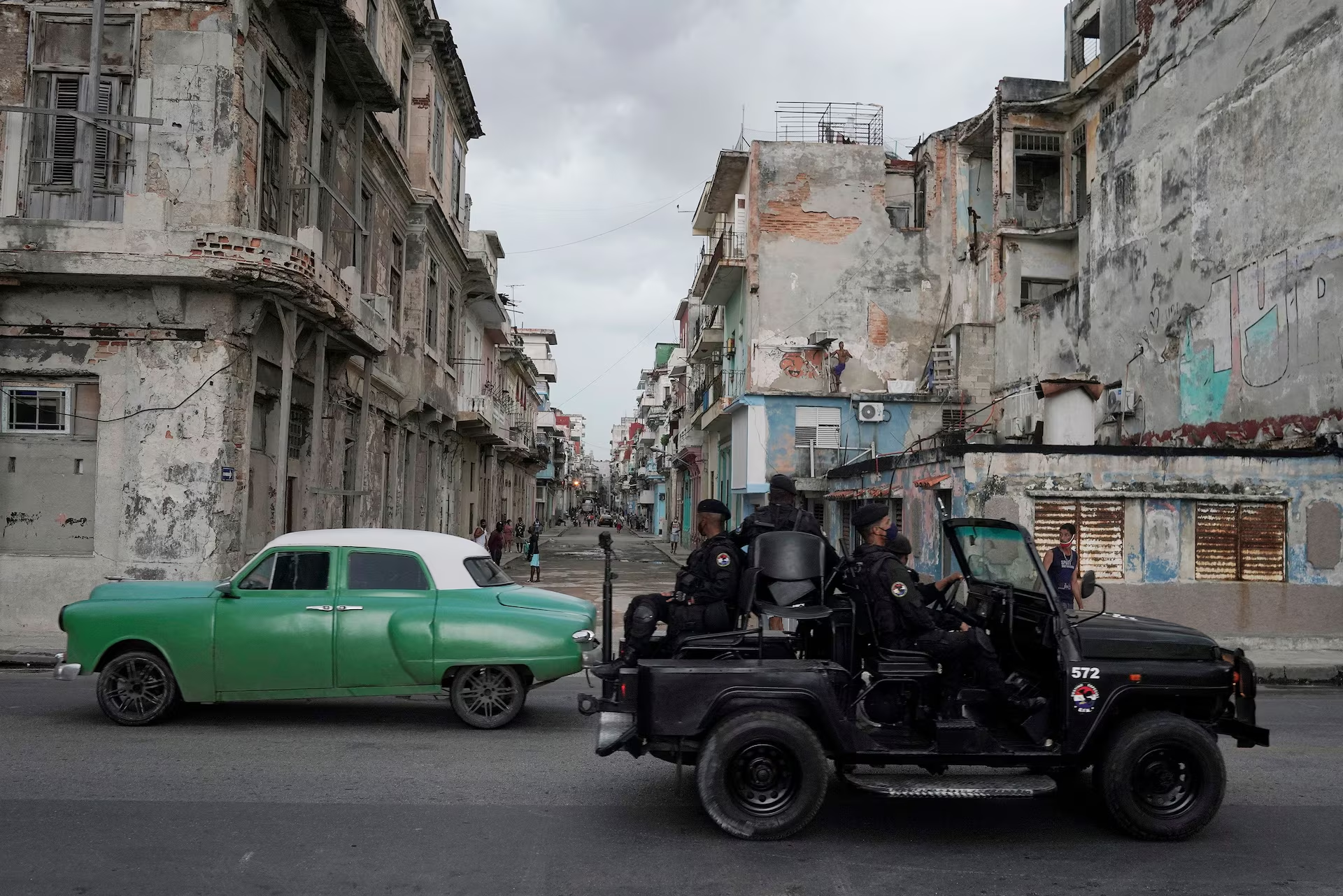
Cuba represents a contrasting dynamic. Decades of U.S. sanctions and trade embargoes have isolated the country economically while simultaneously shaping its diplomatic strategies. In recent years, shifts toward selective engagement have offered potential for trade and investment but remain fraught with political complexity. The Cuban case highlights the impact of prolonged restrictive policies, illustrating how sustained external pressure can reshape domestic governance and international positioning.
Jamaica and the Dominican Republic
In countries like Jamaica and the Dominican Republic, U.S. foreign policies have been largely beneficial economically, particularly through trade, investment, and tourism. Yet even here, the effects are nuanced. Reliance on U.S. tourism and remittances creates economic vulnerability, while security and migration policies influence social and labor dynamics. These nations highlight the delicate balance between opportunity and dependency in U.S.-Caribbean relations.
Future Trends and Policy Recommendations
As global dynamics evolve, the influence of U.S. foreign policies on the Caribbean is likely to intensify in both traditional and emerging domains. Climate change, technological development, cybersecurity, and shifting trade patterns will redefine regional priorities. Caribbean nations face the challenge of navigating these policies while safeguarding sovereignty, promoting sustainable development, and enhancing social equity.
Policy recommendations for improving U.S.-Caribbean relations include:
- Balanced Economic Engagement: Expanding trade beyond a narrow set of exports and encouraging investment in local infrastructure, renewable energy, and technology.
- Collaborative Climate Action: Supporting Caribbean-led climate initiatives while reducing emissions domestically to mitigate global environmental impact.
- Migration Partnerships: Developing migration frameworks that protect diaspora rights while strengthening local economies.
- Transparent Aid and Security Programs: Aligning aid and security funding with local priorities, ensuring human rights and social equity.
- Cultural and Educational Exchange: Promoting two-way cultural exchange programs that preserve local identity while fostering global cooperation.
Conclusion
U.S. foreign policies exert profound and multifaceted impacts on Caribbean nations. From economic dependency and political influence to migration, climate vulnerability, and cultural exchange, the ripple effects of Washington’s actions are inescapable. The challenge for Caribbean leaders lies in navigating these policies to maximize opportunities while safeguarding sovereignty and social welfare.
Ultimately, the Caribbean-U.S. relationship is a dance of power, negotiation, and mutual dependency. By understanding the historical roots, current mechanisms, and future trajectories of U.S. foreign policy, Caribbean nations can better position themselves in a rapidly changing world. The turquoise waters may shimmer on the surface, but beneath lies a complex interplay of politics, economics, and culture—shaped, in no small part, by their northern neighbor.