









Cuba, the Caribbean jewel with its vibrant music, colorful streets, and classic cars, has long fascinated travelers, historians, and adventurers alike. Despite decades of political tension, economic sanctions, and global scrutiny, tourists continue to flock to this island nation in droves. One might wonder: why does Cuba still hold such magnetic appeal in a world full of exotic destinations? To understand this phenomenon, one must delve into Cuba’s culture, history, economics, and its enduring allure as a place where time seems to slow down.
A Timeless Charm: Cuba’s Unique Cultural Identity
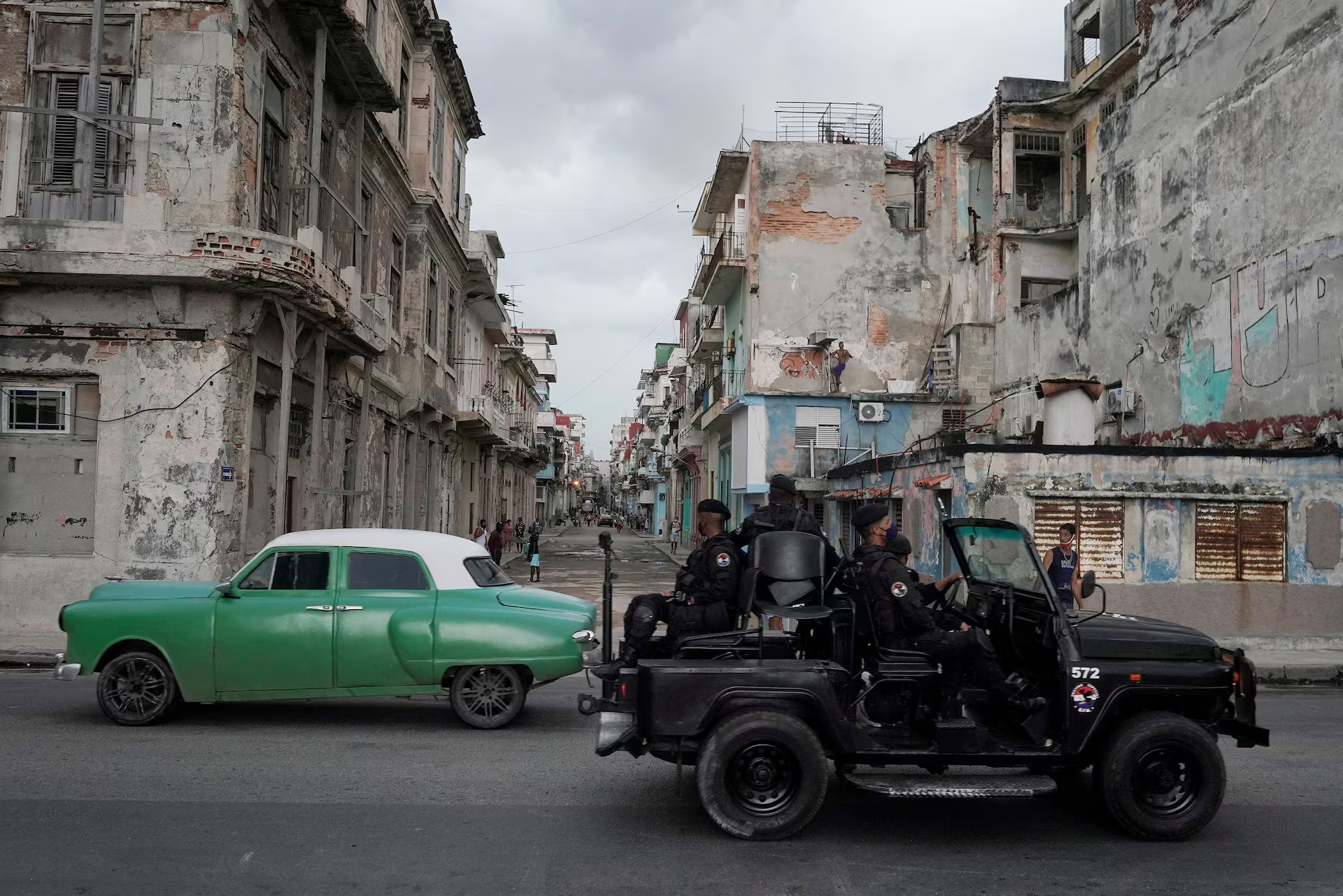
Walking through Havana’s streets is like stepping into a living museum. Colonial architecture, faded pastel buildings, and iconic 1950s American cars create a visual tapestry that feels both nostalgic and alive. Visitors are drawn to this sense of “frozen-in-time” authenticity. Unlike highly commercialized tourist destinations, Cuba maintains a delicate balance between history and modernity. Streets buzz with music, laughter, and the aroma of street food, yet there’s a palpable sense of continuity with the past.
Music and dance are at the heart of Cuban culture. From the energetic rhythms of salsa to the haunting melodies of son and bolero, music is not just entertainment—it is a lifeline of identity. Tourists flock to live performances, street shows, and community gatherings where locals dance with infectious passion. Cultural immersion becomes more than sightseeing; it is a participatory experience that turns every visitor into a temporary citizen of Cuba.
The Allure of Nature: Landscapes That Mesmerize
Beyond its cities, Cuba offers a rich natural tapestry. White sandy beaches of Varadero, lush tobacco fields of Viñales, and the otherworldly landscapes of the Sierra Maestra mountains appeal to a wide spectrum of travelers. Ecotourism has grown steadily as people seek destinations that combine relaxation with environmental exploration. Cuba’s coral reefs, diverse bird populations, and national parks provide a unique opportunity to experience biodiversity in a relatively untouched setting. Nature lovers are not disappointed, whether snorkeling in crystal-clear waters or hiking through verdant valleys.
The island’s climate further enhances its appeal. Tropical warmth year-round, tempered by coastal breezes, makes it a perfect escape from colder climates. For many, Cuba offers an idyllic balance of adventure, relaxation, and sensory indulgence that is difficult to find elsewhere.
Culinary Journeys: More Than Just Food
Cuban cuisine is a compelling blend of African, Spanish, Caribbean, and indigenous influences. Tourists are increasingly drawn by the promise of culinary exploration. Traditional dishes like ropa vieja, tostones, and moros y cristianos are flavorful expressions of the island’s history and resourcefulness. Street food, paladares (private restaurants), and local markets offer opportunities to interact directly with locals, fostering cultural exchange through taste.
Food in Cuba is often more than sustenance—it is storytelling. Every dish has roots in migration, colonization, and adaptation to local resources. For travelers seeking authentic experiences, Cuban gastronomy offers a tangible connection to the nation’s past and present.
Adventure and Exploration: The Thrill of the Unexpected

Cuba’s tourism appeal also lies in its sense of adventure. Unlike destinations where everything is curated for visitors, Cuba encourages exploration and curiosity. Renting a classic car to drive along scenic coastal roads, navigating cobblestone streets on foot or bicycle, or discovering hidden cafés and art galleries allows travelers to experience the country organically. The unpredictability of daily life, from street performances to spontaneous festivals, adds an element of thrill that few other destinations offer.
Adventure tourism has grown in recent years, with options like scuba diving, hiking, cycling tours, and cultural immersion programs attracting an increasingly diverse demographic. Travelers seek experiences that challenge them, broaden their perspectives, and immerse them in local life—experiences that Cuba delivers effortlessly.
Economic Factors: Affordable Luxury in a Complex Context
One of the more practical reasons Cuba continues to attract tourists is affordability. While luxury resorts exist, much of the tourism economy is based on small-scale, locally run enterprises. Private guesthouses, known as casas particulares, offer charming accommodations at lower prices than many mainstream resorts in the Caribbean. This economic model not only provides visitors with authentic experiences but also supports local communities directly, creating a sense of meaningful engagement.
Currency differences and the dual-currency system have made Cuba surprisingly accessible to international travelers. Even within the constraints of economic sanctions, Cuba has managed to maintain a tourism infrastructure that caters to a wide range of budgets without compromising the quality of the experience.
Political Tensions: A Double-Edged Sword
It is impossible to discuss Cuba without acknowledging its political climate. For decades, the country has been a focal point of global attention due to its socialist government, strained relations with the United States, and internal economic challenges. These tensions can manifest in occasional travel restrictions, internet limitations, and bureaucratic hurdles for visitors.
Yet, paradoxically, these very challenges add to Cuba’s allure. The perception of traveling somewhere politically “complex” or culturally resistant to globalization appeals to a certain segment of travelers who seek authenticity, history, and adventure over comfort and predictability. Cuba represents a space where one can experience a society markedly different from their own—a living case study in resilience and adaptability.
The Human Connection: Hospitality and Warmth

Cuban hospitality is legendary. Tourists often comment on the warmth, generosity, and openness of locals, even in the face of economic hardship. This human connection transforms travel from a passive activity into a meaningful engagement with a community. Friendly interactions in markets, taxis, and homes allow visitors to experience Cuban life beyond curated tourist experiences. The relationships formed often become the most memorable part of a trip, fostering repeat visits and long-term admiration for the country.
Festivals and Celebrations: The Pulse of the Island
Cuba is a nation that loves to celebrate. From Havana’s International Jazz Festival to Carnival in Santiago de Cuba, festivals offer a glimpse into the island’s soul. These events attract international audiences who come not only for music and performance but for the communal energy and shared joy that define Cuban society. Even in politically charged times, cultural expression remains a vital, unifying force that draws outsiders and strengthens internal identity.
Historical and Intellectual Tourism: Walking Through Time
For history buffs, Cuba is a treasure trove. Its revolutionary history, colonial architecture, and rich literary tradition provide endless material for exploration. Visitors can tour sites related to the Cuban Revolution, explore museums celebrating Afro-Cuban heritage, or wander streets that inspired famous writers and artists. The intellectual depth of the island, combined with the accessibility of historical sites, allows travelers to engage with Cuba on multiple levels, from casual curiosity to scholarly research.
Health and Wellness Tourism: Relaxation with a Purpose
Cuba has also become a notable destination for health and wellness tourism. Its reputation for high-quality, accessible medical care, combined with natural therapies and spa offerings, attracts visitors seeking both relaxation and treatment. Wellness retreats leverage Cuba’s natural beauty and tranquility, creating spaces where tourists can rejuvenate both physically and mentally. This niche sector continues to grow, further diversifying the reasons people visit despite political tensions.
The Global Perception Factor: A Symbol of Resistance and Romance
Cuba’s global image plays a significant role in its tourism appeal. Often romanticized in film, literature, and media, the country is seen as a symbol of defiance, resilience, and old-world charm. Travelers are drawn not just to the physical location, but to the idea of Cuba—a place where history, culture, and politics intertwine in compelling ways. This perception feeds the imagination and transforms a simple trip into a narrative experience, one where visitors feel part of a larger story.
Sustainability and Emerging Trends
Despite economic challenges, Cuba has embraced aspects of sustainable tourism. Organic farms, eco-lodges, and community-driven tourism projects allow visitors to engage in environmentally conscious travel. Emerging trends also include digital nomadism and cultural exchanges, appealing to younger generations seeking meaningful travel that aligns with global sustainability goals. Cuba’s ability to evolve while preserving authenticity ensures that it remains relevant in a competitive global tourism market.
Conclusion: The Magnetic Pull of Cuba
In summary, people continue to flock to Cuba because it offers an unmatched combination of culture, nature, adventure, history, and human connection. Political tensions, economic constraints, and infrastructural challenges may deter some, but they simultaneously heighten the sense of discovery, authenticity, and engagement that defines the Cuban experience. Cuba is more than a destination—it is a living narrative, a colorful mosaic of resilience, artistry, and warmth that captivates all who visit.
Tourism in Cuba thrives not despite its political and economic complexities, but in part because of them. For those seeking authenticity, adventure, and a deep connection to both history and culture, Cuba remains a destination unlike any other in the world.